


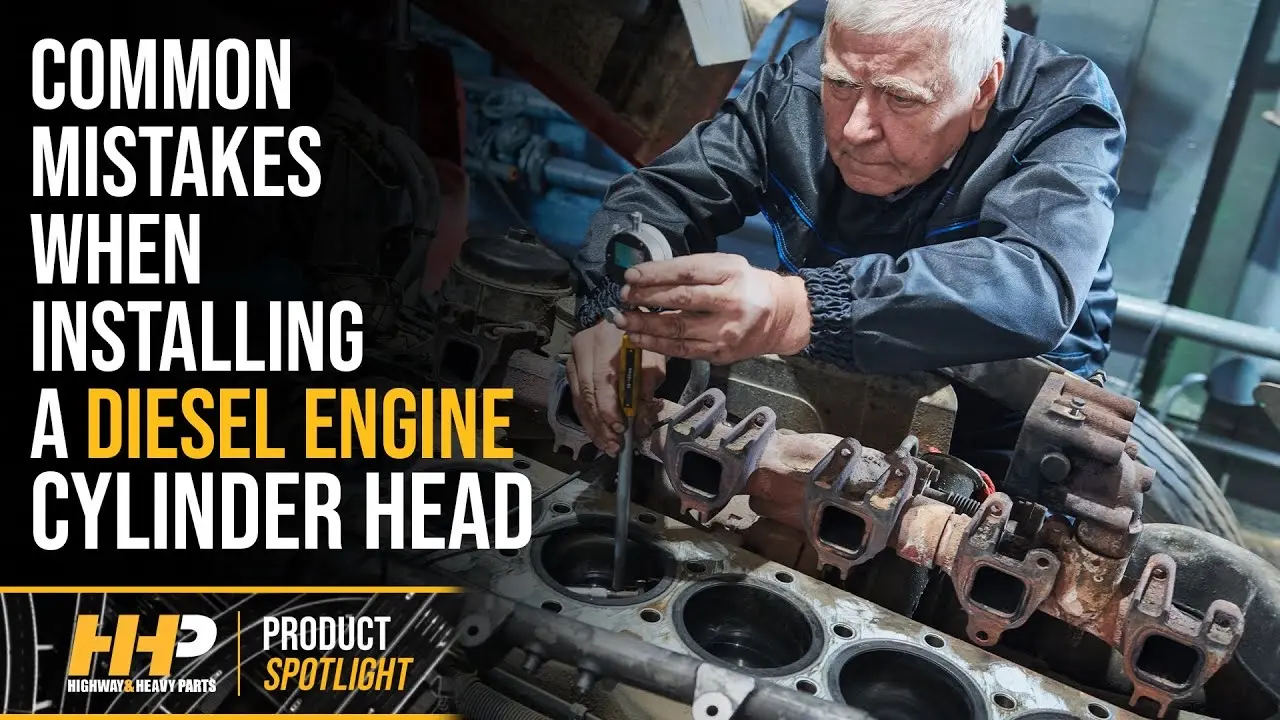
Replacing your cylinder head is no small task, as it is a key component of your heavy-duty diesel engine. Together with the head gasket, the cylinder head forms the combustion chamber, making it absolutely essential for proper combustion. Getting the cylinder head installed correctly is crucial for your engine’s long-term well-being, but the process leaves plenty of room for error. Below, we will delve into the most common mistakes made during a cylinder head installation and outline the serious performance issues these slip-ups can create.
Engine Preparation and Cleaning
One of the most frequent missteps is simply forgetting to properly clean the engine block and surrounding components. This step is vital because any dirt or debris left inside your engine can severely damage components during operation. You must clean all additional components prior to installation to keep debris from circulating through your engine and creating much larger mechanical problems.
Proper Alignment and Fastening
A successful installation requires precision, which means you cannot afford to skip or incorrectly install the dowel pins. These pins are used in conjunction with the head bolts to keep the cylinder head in proper alignment and tightly sealed with the engine block. You should tap the dowel pins directly into place on the block, then lower the cylinder head evenly into position on the alignment dowels to avoid damaging the head. Always check for burning on the pins, which could indicate or lead to later problems.
Similarly, failing to install head bolts properly is a critical mistake. Head bolts serve as the connecting element between the engine block, cylinder head, and head gasket. The bolt tightening force is an incredibly important factor for the mutual sealing of the combustion chamber, the lubricant and coolant channels, and the ambient air. Always follow your manufacturer’s recommended torque guidelines precisely.
When it comes to hardware, installing worn fasteners is a massive risk. Wear or pitting on the bolts can easily lead to failure, so you must carefully evaluate your fasteners when deciding whether or not to reuse them. Even when using new fasteners, inspect them to ensure they are straight, as free of wear as possible, and the proper length so everything fits together as it should. Make sure your bolts have not stretched beyond their limit, and never reuse bolts that are designated as one-time use only.
Cylinder Head Gaskets and Liner Protrusion
An improperly positioned head gasket will not seal correctly and will immediately create combustion issues. Before placing the gasket, make sure the bolt holes on the block are completely clean. Today, most gaskets should be positioned on the engine block without the use of any sealant or adhesive. Depending on the specific gasket material, adding a sealer could actually cause the gasket to deteriorate and fail prematurely.
Before the head is ever lowered onto the block, make sure your liner protrusion has been checked and is perfectly in spec. Incorrect liner protrusion is a major problem that may lead to premature head gasket failure, potentially forcing you into another complete cylinder head replacement.
Symptoms of a Poor Installation
When cylinder heads and their related components are installed incorrectly, the resulting damage can take a heavy toll on your diesel engine. Pay attention to these common symptoms:
- Overheating and Cracking: Excessive heat causes the cylinder head to expand and contract, which leads to cracking. Depending on the model, the head may be made of a material that makes this problem even worse. A crack in your diesel engine cylinder head could penetrate through to your coolant passages. This allows compression gases from the combustion cycle to fill those passages, displacing the coolant and causing localized overheating that worsens the crack.
- White Smoke: In extreme situations, white smoke can indicate that coolant has contaminated your oil due to a cracked or damaged head. It could also indicate that exhaust gases are escaping through the cylinder head, signaling an immediate need for replacement.
- Excessive Oil Consumption: Improper installations can lead to a leak in the head gasket, allowing oil into the cylinders. Additionally, valves and valve guides can wear, or seals can get dislodged, knocked, or forced out of position. This allows oil to enter the intake or exhaust ports, causing high oil consumption.
- Poor Fuel Economy: A noticeable decrease in your diesel engine’s fuel economy could be caused by valves that aren’t sealing. If the valves fail to create the right pressure in the combustion cycle, you end up putting significantly more fuel into the engine just to get the same amount of power.

Partnering with Highway and Heavy Parts
At Highway and Heavy Parts, our mission is to take the risk out of buying diesel engine parts. We know that tearing down an engine is a massive job, which is why we focus on helping our customers diagnose the root cause of a failure, rather than just selling you a part and sending you on your way.
When you order a cylinder head from us, fitment is always verified by your Engine Serial Number (ESN), CPL, or specific application—never just by guessing with a basic part number. We supply affordable, premium aftermarket parts that serve as strong, reliable alternatives to OEM components when sourced correctly.
Because we understand that downtime is incredibly expensive for repair shops and owner-operators, fast shipping is one of our top priorities. Best of all, when you call HHP, real people answer the phone. Our ASE-certified tech support team is available to offer expert advice and help you solve complex diesel problems.


