


Description
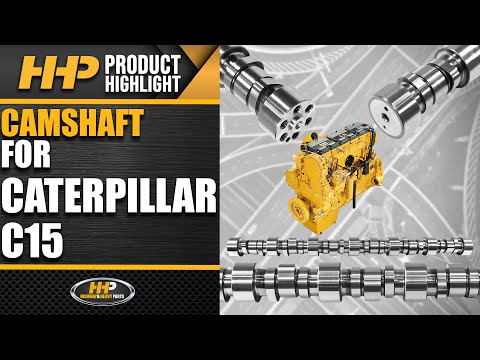
C15 Acert Camshaft for Caterpillar Diesel Engines – Part Number: 3327299
Why Choose Our New C15 Acert Camshaft?
- Our C15 Acert Camshaft meets or exceeds OEM specs
- Costs less than OEM camshafts
- Easier to find in stock
- New Casting
- No metal fatigue due to heat cycles and stress in the metal.
IMPROVE PERFORMANCE AND EXTEND THE LIFE OF YOUR DIESEL ENGINE
HHP’s Caterpillar C15 Acert Camshaft produces a higher level of performance than OE parts and increases the life of your C15 Acert diesel engine. Our Camshaft is engineered as an upgraded replacement to the OEM part with a perfect fit for easy installation.
Is your C15 Acert diesel engine losing power? Is it popping or backfiring in the intake manifold or exhaust? If so, your Caterpillar C15 Acert may be experiencing the failure of a camshaft or valve train. As these parts wear and eventually fail, they can cause all sorts of issues if not replaced. Fortunately for you, HHP has you covered! Fix up your failing camshaft or valve train with a C15 Acert Camshaft from Highway and Heavy Parts.
Don’t risk the health of your C15 Acert; buy a high-quality aftermarket 3327299 Camshaft from America’s most trusted diesel engine parts supplier. At Highway and Heavy Parts, you’ll get a Caterpillar Camshaft manufactured in an ISO 9001:2015 certified facility, ensuring the quality and consistency for your Caterpillar C15 Acert. Each part is crafted with hard-wearing strength and durability to ensure your 3327299 Camshaft can withstand the rigors of the road.
Guaranteed for fit and function, HHP parts have the right combination of quality and price with total support from our on-staff ASE-certified technicians. With specialized knowledge, quality products, fast shipping, and unbeatable customer service, HHP has you covered. Order your Camshaft 3327299 today!
From diagnosis through delivery, we’re Highway & Heavy Parts!
Replaces Part Numbers:
(1) Camshaft
Frequently Asked Questions
What makes the 3327299 C15 ACERT camshaft different from standard C15 camshafts?
The 3327299 camshaft is specifically engineered for Caterpillar C15 ACERT (Advanced Combustion Emissions Reduction Technology) engines, featuring unique cam lobe profiles and timing specifications designed to optimize the advanced combustion system that distinguishes ACERT engines from standard C15 variants. ACERT technology utilizes sophisticated fuel injection timing, advanced turbocharging, and precise valve timing control to achieve reduced emissions while maintaining power output, requiring camshafts with specialized timing characteristics that differ from conventional C15 engines. The cam lobe profiles incorporate modified lift and duration specifications that optimize valve overlap periods and breathing characteristics specifically for ACERT’s multi-injection fuel system and advanced air handling systems. This camshaft features enhanced timing precision that coordinates with ACERT’s electronic control systems to achieve optimal combustion efficiency while meeting stringent emissions requirements without sacrificing the performance characteristics that make C15 engines popular in heavy-duty applications. The new casting construction eliminates metal fatigue concerns associated with remanufactured or rebuilt camshafts, providing fresh metallurgy without stress concentrations from previous heat cycles and operational stress that can lead to premature failure. Advanced heat treatment processes specific to ACERT applications ensure optimal hardness characteristics in cam lobe contact areas while maintaining proper toughness in bearing journals and timing gear interfaces. The precision manufacturing standards required for ACERT engines demand tighter tolerances and superior surface finishes compared to standard diesel applications, ensuring proper integration with advanced fuel injection systems and electronic engine management controls. Manufacturing quality control includes specialized testing procedures that verify cam timing accuracy, surface hardness specifications, and dimensional precision required for optimal ACERT system operation, making this camshaft essential for maintaining the sophisticated emissions control and performance characteristics that define C15 ACERT technology.
What are the specific symptoms of camshaft failure in C15 ACERT engines?
Camshaft failure in Caterpillar C15 ACERT engines presents through distinctive symptoms that reflect both traditional valve train problems and issues specific to the advanced ACERT combustion system requiring precise timing control. Power loss represents a critical early symptom, as ACERT engines rely heavily on precise valve timing for optimal fuel injection coordination, making even minor camshaft wear significantly impact engine performance and fuel economy. Intake manifold popping or backfiring becomes more pronounced in ACERT engines due to their sensitive combustion timing requirements, with worn camshaft lobes disrupting the precise valve timing necessary for proper fuel injection sequencing and combustion control. Exhaust system irregularities including popping, excessive smoke, or unusual exhaust temperatures indicate valve timing problems affecting ACERT’s sophisticated exhaust gas recirculation and emissions control systems that depend on precise exhaust valve operation. Electronic diagnostic trouble codes specific to ACERT systems frequently appear with camshaft deterioration, including codes related to valve timing correlation, camshaft position sensor irregularities, and fuel injection timing errors that result from improper valve train operation. Unusual engine noise patterns including valve train chatter, timing gear noise, or irregular combustion sounds become more noticeable in ACERT engines due to their refined operation characteristics and advanced noise control systems that make abnormal sounds more apparent. Fuel economy degradation often accompanies camshaft problems in ACERT engines, as the sophisticated fuel management systems cannot compensate for timing irregularities caused by worn cam lobes, resulting in inefficient combustion and increased fuel consumption. Advanced symptoms include emissions system performance issues such as diesel particulate filter problems, selective catalytic reduction system errors, and exhaust gas recirculation malfunctions that trace back to improper exhaust valve timing from camshaft wear. Complete camshaft failure in ACERT engines can result in cascade failures throughout the emissions control systems, requiring extensive repairs beyond simple camshaft replacement to restore proper engine operation and emissions compliance.
How does HHP’s new casting camshaft compare to remanufactured alternatives?
HHP’s new casting 3327299 C15 ACERT camshaft provides significant advantages over remanufactured alternatives through fresh metallurgy and advanced manufacturing processes that eliminate the structural weaknesses and reliability concerns inherent in rebuilt components. New casting construction begins with virgin steel alloys specifically formulated for heavy-duty camshaft applications, providing optimal grain structure and chemical composition without the stress concentrations, micro-cracks, or material degradation that accumulate in used camshafts during their initial service life. The absence of metal fatigue from previous heat cycles and operational stress ensures maximum service life potential, as the camshaft begins service without pre-existing damage or metallurgical changes that could lead to premature failure under demanding operating conditions. Advanced heat treatment processes applied to new castings achieve optimal hardness gradients throughout the camshaft, with precisely controlled surface hardening of cam lobes and proper core toughness that cannot be reliably restored in remanufacturing processes. Manufacturing quality control for new castings includes comprehensive material testing, dimensional verification, and surface finish analysis that guarantees consistent quality standards across all production units, unlike remanufactured components that may have varying degrees of wear or hidden defects. The precision machining capabilities available for new castings enable tighter tolerances and superior surface finishes compared to remanufacturing processes that must work within the constraints of existing material conditions and previous wear patterns. New camshafts eliminate concerns about core availability, exchange charges, and potential warranty complications associated with remanufactured components, providing straightforward purchasing and installation without complicated core return procedures. The reliability advantages of new construction become particularly important in ACERT applications where precise timing requirements and emissions compliance depend on camshaft performance throughout extended service intervals, making the additional investment in new construction cost-effective when considering potential downtime and repair costs associated with premature camshaft failure in critical commercial applications.
What is the installation procedure for the 3327299 C15 ACERT camshaft?
Installing the 3327299 Caterpillar C15 ACERT camshaft requires comprehensive engine disassembly, specialized tools, and meticulous attention to timing procedures specific to ACERT engines’ advanced combustion control systems. The installation process typically requires 18-22 hours of labor depending on vehicle accessibility and whether additional ACERT system components require service during the extensive repair procedure. Essential tools include engine lifting equipment for potential repositioning, comprehensive metric socket sets, precision torque wrenches with multiple ranges, specialized camshaft installation tools, valve train measuring equipment, and advanced diagnostic equipment for ACERT system timing verification and calibration. The procedure begins with complete engine disassembly including removal of cylinder heads, ACERT-specific intake and exhaust manifolds, advanced turbocharger systems, front engine covers, and timing gear assemblies to access the camshaft within the engine block. ACERT engines require additional precautions during disassembly due to sophisticated emissions control components including exhaust gas recirculation systems, diesel particulate filter connections, and selective catalytic reduction components that must be carefully protected during camshaft replacement procedures. Camshaft removal requires specialized procedures to prevent damage to ACERT-specific timing components and camshaft position sensors that provide critical feedback to the electronic engine management system for precise combustion control. Critical preparation steps include thorough inspection of camshaft bearings, verification of bearing clearances using precision measuring tools, and complete cleaning of oil galleries to ensure adequate lubrication for the new camshaft throughout its service life. New camshaft installation requires precise timing procedures including proper alignment of ACERT-specific timing marks, verification of valve timing relationships with fuel injection timing, and careful assembly of timing gear components to maintain the precise coordination required for optimal ACERT system operation. Post-installation procedures include comprehensive ACERT system calibration using advanced diagnostic equipment, valve adjustment procedures specific to ACERT requirements, extended break-in periods with careful monitoring of emissions system performance, and thorough verification of all ACERT system functions before returning to normal service operations.
What quality assurance and technical support does HHP provide for C15 ACERT camshafts?
HHP’s 3327299 C15 ACERT camshaft undergoes rigorous manufacturing and quality control processes in ISO 9001:2015 certified facilities that ensure exceptional performance and reliability through comprehensive quality management systems specifically designed for advanced diesel engine applications. The ISO certification mandates stringent quality control protocols including detailed incoming material inspection of premium alloy steels, precision machining verification using coordinate measuring machines, and extensive final product testing that guarantees consistent manufacturing standards across all production batches. Each ACERT camshaft receives meticulous inspection of critical dimensions including cam lobe profiles optimized for ACERT combustion timing, bearing journal specifications, timing gear interfaces, and overall shaft straightness using precision measuring equipment to ensure optimal fit and performance in sophisticated ACERT applications. Advanced quality control procedures include comprehensive hardness testing of cam lobe surfaces using specialized equipment, surface finish verification for bearing journals, and dimensional analysis of timing features that ensure proper coordination with ACERT’s electronic engine management systems and emissions control components. The manufacturing process utilizes premium alloy steels with advanced metallurgy specifically selected for ACERT applications, featuring enhanced grain structure and chemical composition that provides superior durability under the demanding operating conditions typical of modern emissions-compliant diesel engines. Specialized heat treatment processes provide optimal hardness characteristics for cam lobes while maintaining proper toughness in bearing areas, with surface treatments including precision grinding and specialized hardening techniques that significantly enhance wear resistance and extend service life in ACERT applications. HHP provides comprehensive technical support through ASE-certified diesel technicians with specialized expertise in Caterpillar ACERT systems who understand the complex interactions between camshaft timing and emissions control systems that define modern diesel engine operation. Technical support services include detailed installation guidance specific to ACERT requirements, timing verification procedures, troubleshooting assistance for ACERT-related issues, and compatibility verification for specific engine applications and emissions control configurations. The extensive support infrastructure includes comprehensive technical documentation, ACERT-specific installation procedures, timing specification charts, and diagnostic assistance that ensures successful installation and optimal camshaft performance throughout the service life, making HHP’s ACERT camshafts the preferred choice for professional mechanics and fleet operators requiring reliable valve train components for their sophisticated C15 ACERT engines operating in demanding commercial applications where emissions compliance and engine reliability directly impact operational success.


