


When it comes to diesel engine parts, one of the most common questions is: why are OEM parts so expensive?
Many assume higher cost means higher quality – but that’s not always the case. In reality, the difference between OEM and aftermarket parts often comes down to manufacturing, distribution, and how the parts reach you.
If you’re comparing options right now, you can shop diesel engine parts to find high-quality components built for your specific engine and application.
Understanding that difference can help you make a more informed – and more cost-effective – decision when it’s time to repair your engine.
Why OEM Has Always Been the Go-To
OEM parts built their reputation on consistency. If it came from the manufacturer, it was assumed to be the best available option. For a long time, that was true, especially when aftermarket options were inconsistent or lower quality.
But the industry has changed. Manufacturing has evolved, supply chains have shifted, and aftermarket suppliers have become far more advanced. What used to be a clear-cut decision isn’t so simple anymore.
The Reality Behind the Parts
One of the biggest misconceptions in the industry is that OEM and aftermarket parts come from completely different places. In many cases, they don’t. The same manufacturers producing components for OEM brands are also producing parts for the aftermarket.
Companies like Mahle, Riken, and Miba supply critical internal engine components across the industry. The difference often comes down to branding, packaging, and how the part gets distributed – not the core quality of the component itself.
Why OEM Diesel Parts Cost More
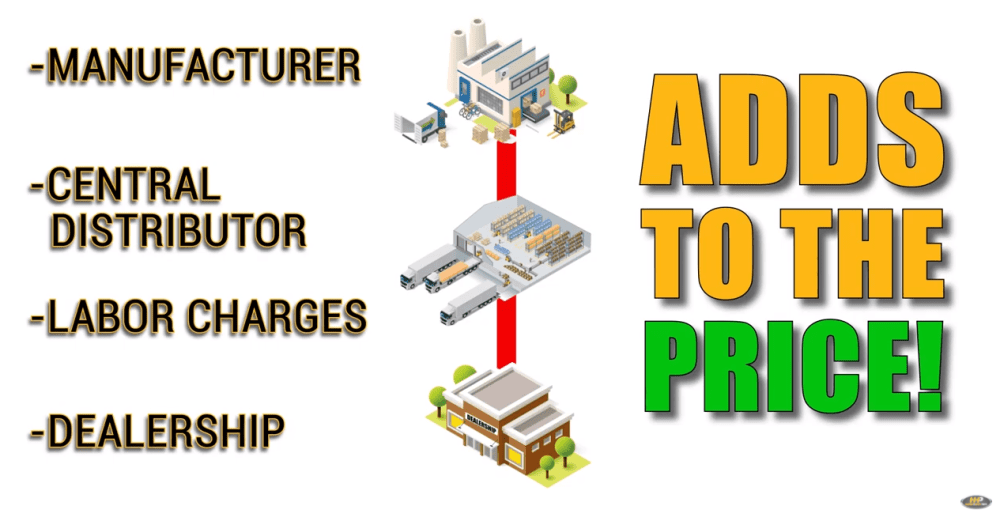
The cost difference between OEM and aftermarket parts doesn’t come from better materials or a different build process. It comes from everything around the part.
OEM pricing includes:
- Dealer Networks
- Multiple Layers of Distribution
- Brand Markup
By the time the part reaches your shop, those added costs are built in. In many cases, that means paying significantly more for a part that originated from the same manufacturer as an aftermarket option.
For repair shops, the higher cost directly impacts:
- Job Estimates
- Profit Margins
- Your Ability to Stay Competitive
To better understand why OEM diesel parts carry a higher price tag, it helps to look at what’s happening behind the scenes. From manufacturing to distribution, multiple layers can impact the final cost.
This short clip breaks it down in a simple way:
Watch: What really drives the cost of OEM diesel parts.
This is why price alone doesn’t always reflect the true value of a part. In many cases, the higher cost of OEM parts is driven more by the supply chain than by differences in manufacturing or performance.
Understanding that distinction allows you to focus on what actually matters – quality, fitment, and choosing the right part for the job.
Where OEM Can Create Challenges
Price is only part of the issue. Availability has become just as important, especially with ongoing supply chain delays. It’s not uncommon for shops to wait over a week for OEM parts, which means trucks sit longer and bays stay occupied.
Remanufactured components can also introduce risk. Many OEM reman parts are built using existing cores that have already seen significant wear and heat cycles. Without knowing the full history of those components, the chances of repeat failures can increase.
On top of that, OEM parts are typically built to original specifications. If there was a known weak point in the design, it often remains unchanged, leading to the same failures showing up again.
Common issues shops run into include:
- Extended Lead Times that Delay Repairs
- Higher Costs that Cut into Margins
- Repeat Failures from Reused or Unchanged Components
How Aftermarket Has Evolved
Aftermarket parts today are not what they were years ago. Premium aftermarket manufacturers have shifted their focus toward improving designs rather than simply replicating them.
By analyzing failures in real-world applications, they’re able to strengthen weak points and improve durability. This approach – often referred to as hindsight engineering – has led to more reliable components in many applications.
You’ll see these improvements across key areas like:
- Fuel Systems with Better Flow and Durability
- Cylinder Heads with New Castings Instead of Reused Cores
- Internal Engine Components Built to Prevent Repeat Failures
For example, when sourcing something like an Engine Rebuild Kit, many aftermarket options include components from the same trusted manufacturers used by OEM, while also incorporating upgrades that improve long-term reliability.
Availability and Turnaround Time
One of the biggest advantages of aftermarket suppliers is how they handle inventory. Instead of relying on a single distribution path, many operate multiple warehouses across the country, allowing parts to ship faster and arrive sooner.
That speed directly impacts your operation:
- Faster Delivery Means Quicker Turnaround
- More Jobs Completed in Less Time
- Less Downtime Sitting in the Bay
OEM Vs Aftermarket: What Actually Matters
Choosing between OEM and aftermarket parts is not just about price – it’s about application, reliability, and supplier support.
What you should be looking at:
- Is the part built by a trusted manufacturer?
- Has the design been improved or just replicated?
- Is fitment verified before it ships?
Working with a knowledgeable supplier ensures the part is properly matched to your engine and application.
Where Highway and Heavy Parts Comes In
At Highway and Heavy Parts, the focus is on helping shops get the repair done right the first time. Every order is verified using your engine serial number before it ships, ensuring proper fitment and reducing the risk of delays or returns.
Beyond the part itself, the goal is to solve the problem behind the failure. Our team works with customers to identify root causes so the same issue doesn’t come back after installation.
What that means for you:
- Verified Fitment Before Parts Ship
- Access to Premium Aftermarket Components
- Fast Shipping from Multiple U.S. Locations
- Support from ASE-Certified Diesel Experts
The Real Cost of Choosing The Wrong Part
The biggest risk in any diesel repair is not choosing OEM or aftermarket – it’s choosing the wrong part altogether.
At first, the difference might not seem obvious. The part installs, the engine runs, and everything appears fine. But over time, small mismatches or underlying issues start to surface.
That’s when costs begin to add up.
- Incorrect fitment can lead to delays, rework, and additional labor
- Poor-quality components can fail prematurely, leading to repeat repairs
- Misdiagnosed issues can result in replacing parts that were never the root problem
And in many cases, the original issue is still there – now paired with additional damage.
It’s not just about getting the engine running again. It’s about making sure the repair actually solves the problem and prevents it from coming back.
Working with a knowledgeable supplier helps ensure proper fitment, accurate diagnosis, and the right solution the first time – reducing downtime, avoiding repeat failures, and keeping overall repair costs under control.
Need Help Finding the Right Parts?
When it comes to diesel engine repairs, the goal isn’t just to replace a part – it’s to solve the problem correctly the first time.
At Highway and Heavy Parts, our diesel experts help identify the right solution and provide high-quality parts built for performance and reliability.
Call our diesel experts at 844-304-7688 or browse parts online at Highway and Heavy Parts to get the right parts, faster.
From diagnosis through delivery, we’re Highway and Heavy Parts.
Diesel Engine Resources
Are the OEM Diesel Engine Rebuild Kits Worth It?
Aftermarket vs. OEM Diesel Engine Rebuild Kits
FAQs for Aftermarket vs OEM Diesel Parts
1. Why Are OEM Diesel Parts So Expensive?
OEM parts often go through multiple layers of distribution before reaching the customer. Each step adds cost, making them more expensive than comparable aftermarket options.
2. Are Aftermarket Diesel Parts Lower Quality?
Not necessarily. Many aftermarket parts are manufactured to meet or exceed OEM specifications, especially when sourced from reputable suppliers.
3. Do OEM And Aftermarket Parts Come From The Same Manufacturers?
In many cases, yes. Some aftermarket parts are produced by the same manufacturers that supply OEM brands.
4. Is It Better To Use OEM Or Aftermarket Diesel Parts?
It depends on the application and the supplier. The most important factor is ensuring the part meets the required specifications and is properly matched to the engine.
5. How Can You Save Money On Diesel Engine Repairs?
Choosing high-quality aftermarket parts and working with a knowledgeable supplier can significantly reduce costs without sacrificing performance.


