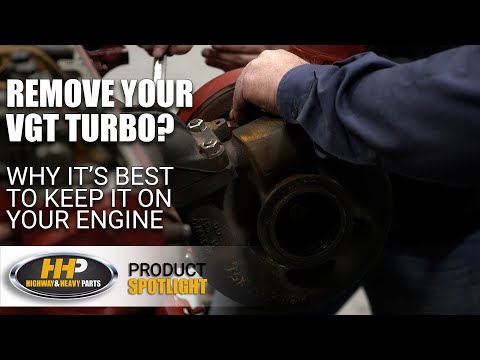
Something we hear frequently is that VGTs break too easily. Or, they’re too expensive to repair.
And we know it’s frustrating when you feel like you’re having the same problem over and over, paying for an expensive repair every time. But it might not actually be your turbo that’s to blame. In this post, we’re going through what might really be going on that’s causing these turbo failures and how you can extend the life of your turbocharger. Identifying the Failure in Your Diesel Engine Unfortunately, when you have problems with your diesel engine, your turbo often takes the brunt of the damage. This causes it to seem like the turbo is the problem when it’s really a symptom of another failure. Because of this, you’re going to want to identify the root cause of your failure, to help prevent your turbo from failing again and again. Common VGT Turbo Issues There are a few things you might notice if you’re having trouble with your VGT. First, you might have internal damage. Looking at the sector gear is one of the simplest ways to check this. You want to move the sector gear by hand. You’ll have to remove the actuator to do this, and if everything works properly you’ll have a large range of motion (about 12 millimeters). You can actually put a template on it and your gear should run from mark to mark. If it doesn’t move like it should, then you’ll want to take apart the turbo to see what the problem is. On the other hand, if the sector gear moves easily, you likely have a problem with the actuator rather than the turbo. Your issues might also be due to a damaged shroud plate, which is what the fins run through on your turbo. You’ll find the shroud plate in the exhaust housing, and if it’s damaged, or if you have bent fins, the fins won’t be able to travel through it correctly. This type of damage might be caused by carbon debris or coolant contamination from your EGR system. Symptoms of a Damaged Turbo As we noted above, these turbo issues are usually a symptom of a larger problem. Diagnosing and correcting it can help prevent further issues. Some symptoms you might notice include:Preventing Carbon Buildup It’s possible for carbon to build up in your engine, and once it hits your VGT system, you’ll get hit with those expensive problems. Something you can do to help prevent this is to follow proper install techniques. VGTs from Highway & Heavy Parts come with a couple cautionary stickers on the box to remind you to use correct oil and to change your DPF filter. The other encourages you to use the service parts topic when you put your turbo on. Doing this can help prevent larger problems down the road. You’ll also find these topics on the back of the turbo and the tag itself. If you need copies of the service parts topics, we can email them to you, or you can give us a call. Following these recommendations will really help you get the most life out of your VGT. Highway & Heavy Parts is Here for Your VGT Needs! Here at Highway & Heavy Parts, we’re dedicated to helping you diagnose and fix your diesel engine problems! Our team of experts can help you troubleshoot your problems and get you the parts you need to get the job done. We want your engine back up and running. HHP only works with the highest quality manufacturers to get you the best parts for your engine. Our mission is to take the risk out of buying diesel engine parts, so if you’re looking for quality diesel engine parts with expert advice, give us a call. From diagnosis through delivery, we’re Highway & Heavy Parts!
- High Oil Consumption
- Failed Bearing
- Hot Shutdowns
- Oil Contaminated by Carbon
- Blocked Crankcase Filter Pushing Oil Out of Turbo
- Carbon Buildup
Related Videos: