


When you are on the road, it can be easy to let your engine maintenance fall by the wayside. You may not have time to get it into the shop consistently, or you may be unsure of how to spot issues before they become a disaster. Thankfully, there are a few straightforward things that any driver can do to prolong the life of their engine, and anticipate problems before it is too late.
How Does It Start? If your diesel engine has trouble getting started, you already know there’s a problem. However, it can be hard to determine when the problem needs to be fixed. It’s very common for a diesel engine to experience hard starts in the winter, which can be caused by a variety of factors. For example, using the wrong grade of fuel or having oil that is too thick from the cold may make it difficult for your engine to start properly. Experiencing starting issues in warmer weather can be a greater cause for concern. Issues can span from injector timing inconsistencies to contaminated fuel. It’s a good idea to check your fuel delivery system for problems such as:If you notice the smell of sulfur or discoloration in the fuel tank, your issue may be contaminated fuel. Your fuel tank would then need to be drained and disinfected before getting back on the road. This is because bacteria can build up within the fuel tank. If you continue having issues after disinfecting your fuel tank, it could be a sign that too much water is in the storage tank, which is a separate problem altogether and needs to be addressed by a mechanic. Let Your Engine Warm Up It may sound like something you only need to do in cooler weather, but letting your engine warm up before you drive gives you ample time to notice potential problems. It is especially crucial in the cold, to avoid circulating thick, cold oil through your system. That does not lubricate your engine properly and can cause uneven wear down the road. However, there are a few other things you can notice. Is there excessive fluid buildup beneath your engine? You might want to get your cooling system looked at. Is there excessive black smoke coming from the exhaust? That could be a sign of fuel system issues. Are there unusual noises coming from your engine? This can be a sign of many problems, from fuel injector issues to engine belt problems. If you notice these things now, you have a better grasp on getting them dealt with. Inspect Your Glow Plugs Not every diesel has glow plugs, but ones that do rely on them to properly heat engine components. To start a diesel engine, fuel and air must be heated for the combustion process to work. This is especially important in cold weather. Some signs of bad glow plugs are:
- Clogged fuel filters
- Leaks in the fuel lines or pumps
- Rough idle
- White smoke in the exhaust
- Black smoke in the exhaust
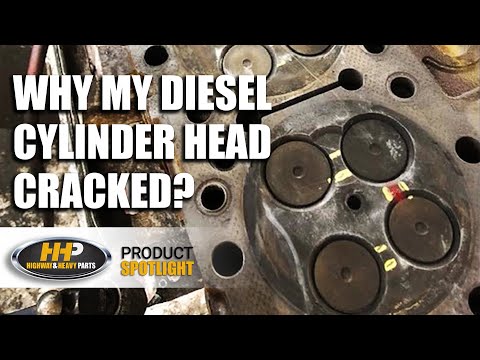
You can check your glow plugs yourself using a multimeter tool, or take it into the shop for a proper diagnosis. When replacing your glow plugs, it’s important to use only quality parts to prevent warping. A warped glow plug can become stuck in place, or break off within the engine and cause damage that may be drastic enough to warrant a rebuild. Don’t let a simple repair turn into an expensive overhaul. Clean Your Engine Diesel engines can get really dirty, really easily. All that dirt and gunk that builds up around the outside of the engine is not only unpleasant to look at, but can cause serious engine damage if left unchecked. For example, if dirt makes it into your oil, that causes major abrasion within your engine components. You can clean your engine with scrub brushes, sponges, or degreasers specifically made for engine cleaning. You should wait until your engine is cool to do this. Some parts of your engine may not be waterproof, so be careful if you choose to hose it down afterwards. Lastly, having a clean engine makes it easier to spot physical signs of damage, such as cracking or warping, that may occur due to overheating, which brings us to our next point. Check Your Fluids Changing your fluids regularly is an essential part of engine maintenance, but keeping the levels topped off is important too. Most vehicles will alert you if the oil or coolant levels are too low, but it’s always a good idea to keep an eye on it yourself. If there is too little oil in your engine, your engine could seize up. If there isn’t enough coolant, your engine could overheat – which can result in cracking or warping on components such as cylinders and gasket seals. Here’s a video where we go over the problems that high temperatures can cause within the engine: Additionally, do not overlook your windshield wiper fluid levels. It is dangerous to drive without proper wiper fluid levels, especially on longer trips or in inclement weather. Such a simple task could save you, or other drivers, from an accident. Change Your Fuel Filter The fuel filter is a crucial component of your fuel system, because it removes debris and excess water from the fuel before it reaches the injectors. You want your filter working properly to ensure you’re getting the most from your fuel, and to prevent the damage that can be caused by debris once it reaches the injectors. Here are some signs your fuel filter might be clogged:
- Hard starting
- Engine misfire
- Rough Idle
- Black smoke from the exhaust
A clogged fuel filter can make it seem like your diesel is out of gas, but really it just means that the fuel is not able to flow to the injectors properly due to the clog. If you have enough fuel but your engine turns over, yet does not start, it can be caused by an issue with your fuel filter. Check Your Intake and Exhaust System A filthy air filter can cause issues within your engine that you might not notice right away. If you notice the following symptoms, you may need to replace your engine filter:
- Rough idle
- Misfire when accelerating
- Rough ride at low speeds
- Not starting
At Highway and Heavy Parts, we have a wide selection of air filters for multiple engine models. Another good thing to double-check with your intake and exhaust system is to listen for any whistles or whines. This could indicate a crack in a valve or pipe, which can lead to decreased pressure in the fuel chamber and negatively affect engine performance. Your exhaust system is another crucial part of your engine. If you start noticing black or blue smoke from the stacks, debris or excess buildup in or around the exhaust and intake openings, or a burning smell from the engine bay, you may need to have your exhaust system looked at. You can also note leaks in the exhaust system if you find black soot around or along exhaust components such as the exhaust manifold or the turbo flange gasket. At Highway and Heavy Parts, we take the guesswork out of diagnosing your engine issues. Give our ASE-certified technicians a call at 844-447-1453, and we’ll be more than happy to help. From diagnosis to delivery, we’re Highway and Heavy Parts!
- Decreased power
- Weaker acceleration
- Increased engine wear


