Posted on

Diesel Engine Myths: The Biggest Lies Costing You Thousands

When it comes to diesel engine repairs, many costly failures can be traced back to common diesel engine myths that have been accepted as fact across the industry.

Most of these failures don’t start with a major breakdown—they start with a bad assumption.

Across the industry, there are a few beliefs that sound harmless, but in reality, they lead to higher costs, repeat failures, and unnecessary downtime.

If you’re already dealing with performance issues, you can shop diesel engine parts to find the right components built for your specific engine and application.

Let’s break down the three biggest diesel engine lies – and what actually happens when you believe them.

Lie #1: Aftermarket Parts Always Fail Faster

This is one of the most common – and most expensive – misconceptions.

Many assume OEM parts are the only reliable option. But in reality, the difference often comes down to branding and distribution – not how the part is actually made.

Most diesel components are produced by large, global manufacturers. OEM brands set specifications, but they don’t always manufacture the parts themselves.

High-quality aftermarket parts are often built:

  • By the same manufacturers
  • To the same – or higher – specifications
  • With improvements based on real-world failure data

The real difference is cost.

OEM parts typically move through multiple layers – manufacturer, brand, distributor, dealer – before reaching you. Each step adds markup and time.

That’s why many shops end up paying significantly more while waiting 10–15 days for parts that could be sourced faster and more cost-effectively elsewhere.

Why OEM Diesel Parts Cost More

OEM pricing reflects more than just the part – it reflects the entire supply chain behind it.

  • Manufacturer → OEM Brand → Distributor → Dealer → End User
  • Each Step Adds Cost, Handling, and Delay

Aftermarket suppliers often reduce these layers, allowing parts to move faster and at a lower cost without sacrificing quality.

What’s Really Driving OEM Part Pricing

To better understand why OEM diesel parts carry a higher price tag, this quick breakdown explains what’s happening behind the scenes:

Watch: What really drives the cost of OEM diesel parts.

This is why price alone doesn’t always reflect the true value of a part. In many cases, the higher cost is driven more by the supply chain than by differences in performance or reliability.

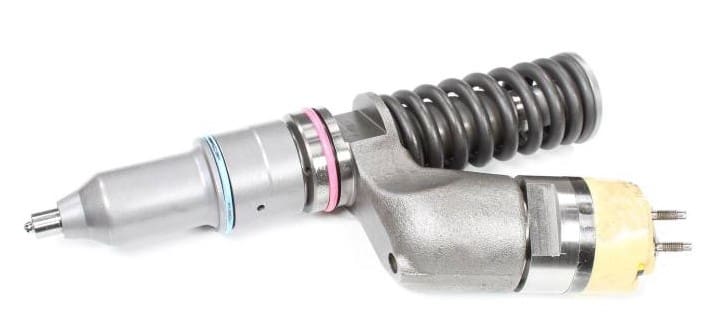
Lie #2: One Bad Injector Won’t Hurt Anything

This is where small problems turn into big repairs.

Modern diesel fuel systems operate under extremely high pressure and tight tolerances. When one injector fails, it doesn’t just affect that cylinder – it disrupts the entire system.

A faulty injector can:

  • Create Uneven Fuel Distribution
  • Disrupt Combustion
  • Wear Down Cylinder Walls
  • Remove Critical Lubrication

That leads to:

  • Piston Scoring
  • Increased Emissions
  • Accelerated Engine Wear

And it doesn’t take long. In many cases, what started as a single injector issue turns into a much larger internal engine problem.

If you want a deeper breakdown of how this happens, check out our guide on why diesel fuel systems are so sensitive.


Lie #3: If the Engine Still Runs, It’s Fine

This is one of the most dangerous assumptions in diesel repair.

Just because an engine runs doesn’t mean it’s healthy.

Minor issues – like low oil pressure, small leaks, or inconsistent performance – are often early warning signs. Ignoring them allows damage to build over time.

And that’s where costs explode.

What starts as a small repair can turn into:

  • Major Component Failure
  • Extended Downtime
  • Full Engine Replacement

In some cases, that can mean a $40,000+ repair that could have been prevented.


What Starts Small Doesn’t Stay Small

Fuel, air, and internal engine systems are all connected.

When one component starts to fail, it affects everything around it:

  • Fuel Issue → Injector Wear
  • Injector Wear → Poor Combustion
  • Poor Combustion → Excess Heat
  • Excess Heat → Internal Engine Damage

This is why early diagnosis matters. Fixing the problem at the source is always less expensive than waiting for it to spread.


The Real Cost Of Choosing The Wrong Part

The biggest risk in any repair isn’t choosing OEM or aftermarket – it’s choosing the wrong part altogether.

At first, everything may seem fine. The engine runs, and the issue appears resolved.

But over time, problems begin to surface.

  • Incorrect fitment leads to delays and rework
  • Low-quality components fail prematurely
  • Misdiagnosed issues result in replacing the wrong parts

And in many cases, the original issue is still there.

For example, replacing a failed injector without addressing contamination in the system can quickly lead to another failure. The same applies to turbochargers, pumps, and internal components.

That’s why choosing the right part – and identifying the root cause – matters.


Common Signs You Shouldn’t Ignore

  • Hard Starting
  • Loss of Power
  • Excessive Smoke
  • Rough Idle
  • Poor Fuel Economy

If you’re seeing these, the issue is already developing.


Final Thoughts

The diesel industry has operated on the same assumptions for years – but those assumptions are costing shops and operators time and money.

Aftermarket parts are not inherently inferior.
One bad injector is not harmless.
And a running engine is not always a healthy one.

The key is understanding what’s actually happening inside the engine – and making decisions based on that.

If you’re dealing with diesel engine issues, it’s important to get the right diagnosis and the right parts the first time.

At Highway and Heavy Parts, our diesel experts help identify the real problem and provide high-quality components built for performance and reliability.

Call 844-304-7688 or shop our diesel engine parts online today.

From diagnosis through delivery, we’re Highway and Heavy Parts.

FAQs for Lies In The Diesel Industry

1. Why Do People Think Aftermarket Diesel Parts Are Lower Quality?

This belief comes from outdated assumptions. Many aftermarket parts are manufactured to meet or exceed OEM specifications and are often produced by the same suppliers.

2. Can One Bad Injector Really Damage An Engine?

Yes. A faulty injector can disrupt combustion, wash cylinder walls, and lead to internal engine damage if not addressed.

3. Is It Safe To Keep Running A Diesel Engine With Minor Issues?

No. Small issues often indicate underlying problems that can quickly escalate into major failures if ignored.

4. Why Are OEM Diesel Parts More Expensive?

OEM parts go through multiple layers of distribution, which increases cost without necessarily improving performance.

5. How Can You Avoid Repeat Diesel Engine Failures?

By identifying the root cause of the issue, verifying proper fitment, and using high-quality parts designed for your specific engine.

Posted on

What is a Core Charge?

Core charges are commonplace in the diesel engine industry, but surprisingly, many customers don’t know what they are. If you’re one of our many curious customers, we’ve compiled this handy guide on core charges. We recommend that anyone planning on buying replacement parts check it out!

Continue reading What is a Core Charge?
Posted on

How to Reduce Diesel Engine Fuel Consumption (What Actually Works)

Fuel is one of the biggest operating costs for trucks, equipment fleets, and diesel-powered businesses. And while fuel prices rise and fall, one thing never changes: wasted fuel is wasted money.

The good news? You don’t need pricey retrofit kits or major engine conversions to improve efficiency. Most fuel savings come from simple steps you can take today – and in many cases, it’s caused by worn internal components that your engine is already overdue to replace.

At Highway and Heavy Parts, we help customers improve reliability, uptime, and fuel efficiency every day through better engine parts and better maintenance decisions. Here’s how to reduce fuel cost fast.

1. Start With the Fuel System: Small Problems = Big Fuel Waste

Your diesel engine is only as efficient as the fuel system feeding it. When injectors, filters, or seals start to fail, your fuel burn climbs quickly.

Watch for these Common Fuel-Wasting Issues:

  • Worn or Dirty Fuel Injectors
  • Clogged Fuel Filters
  • Leaking Fuel Lines or O-Rings
  • Poor Atomization

Even minor injector wear can drop fuel economy by 2–5%, which adds up quickly across thousands of miles or engine hours. Highway and Heavy Parts carries high-quality fuel system components here, designed to restore proper spray patterns and combustion efficiency.

2. Fix Blow-By and Compression Loss Before It Gets Expensive

Worn internal engine components don’t just affect power – they kill fuel economy.

These Parts Directly Impact How Efficiently Your Engine Burns Fuel:

  • Piston Rings
  • Cylinder Liners
  • Main and Rod Bearings
  • Gaskets and Seals

When cylinder pressure drops or blow-by increases, the engine must burn more fuel to produce the same work. Many customers don’t notice this happening until they see a spike at the fuel pump.

3. Keep Your Airflow Clean and Boost Leaks Sealed

Your engine is an air pump – if airflow is restricted, fuel consumption goes up.

Be on the Lookout For:

  • Dirty Air Filters
  • Damaged Turbocharger Gaskets
  • Leaking Charge-Air Boots
  • Cracked Intercooler Piping

A turbocharger losing just a little boost pressure can cause an engine to over-fuel significantly.

4. Reduce Friction With Better-Quality Components

Every moving part inside your engine creates drag. As parts wear, friction increases. And when friction increases, the engine needs more fuel to overcome it.

Components that Influence Friction:

  • Bearings
  • Bushings
  • Camshaft Followers
  • Oil Pumps

Using high-quality internal components during maintenance and rebuilds helps keep friction losses low – which directly improves fuel economy.

Many customers choose HHP’s aftermarket bearings, gaskets, and rebuild components to restore factory-spec friction performance without paying OEM prices.

5. Keep Up With Preventive Maintenance (Your Wallet Will Thank You)

The easiest way to improve fuel economy is simply staying ahead of maintenance. A well-maintained diesel engine uses every drop of fuel efficiently.

Build a Simple Checklist:

  • Replace Fuel Filters on Time
  • Monitor Turbo Boost Pressure
  • Inspect Fuel Injectors Regularly
  • Watch for Oil Consumption or Blow-By
  • Change Air Filters Proactively
  • Check for Exhaust Leaks

A fleet that runs a consistent maintenance program can save thousands of dollars per truck each year.

6. Track Your Fuel Economy Before and After Repairs

Many operators never track MPG or gallons per hour – but this simple habit helps you spot declining efficiency before it becomes a major repair.

Track:

  • Baseline MPG Before Component Replacement
  • Fuel Economy After Injector or Gasket Updates
  • Load-Specific Fuel Consumption
  • Idle Time and PTO Time

If you’ve recently installed new internal components, bearings, injectors, or seals from Highway and Heavy Parts, tracking fuel use will show exactly how much your engine improved.

7. Don’t Buy the Cheapest Parts – Buy the Right Parts

The video below makes one point very clear: Cheap parts cost more in the long run.

Poorly Machined or Low-Grade Components:

  • Wear Out Faster
  • Reduce Engine Efficiency
  • Increase Downtime
  • Cause Premature Engine Failures
  • Waste Fuel Due to Poor Tolerances

Highway and Heavy Parts carries parts engineered for performance and longevity – helping keep engines efficient, reliable, and profitable.

How To Reduce Fuel Costs On Your Diesel Engine!

Final Takeaway: You Don’t Need Costly Upgrades to Save Fuel

Most Fuel Waste Comes From:

  • Minor Fuel System Issues
  • Normal Internal Engine Wear
  • Dirty Airflow Components
  • Turbocharger or Boost Leaks
  • Neglected Maintenance

By addressing these simple areas using quality parts, you can reclaim efficiency, power, and fuel savings instantly. For more information on diesel fuel and standards, check out the United States Environmental Protection Agency website here.

Guaranteed for fit and function, HHP parts have the right combination of quality and price with total support from our on-staff ASE-certified technicians. With specialized knowledge, quality products, fast shipping, and unbeatable customer service, HHP has you covered.

Call 844-304-7688 or visit highwayandheavyparts.com to place your order today.

From diagnosis through delivery, we’re Highway and Heavy Parts.

Posted on

What Diesel Techs Actually Look For Before Recommending Engine Parts

When a diesel engine comes in with a problem, experienced technicians don’t start by picking parts. Instead, they start by asking why the failure happened in the first place. However, not every failure is immediately obvious without proper inspection.

They start by asking:

What caused the failure in the first place?

Because replacing parts without understanding the root cause is one of the fastest ways to create repeat repairs.

This is the approach used by experienced diesel professionals at Highway and Heavy Parts – where real-world experience drives every recommendation.

Continue reading What Diesel Techs Actually Look For Before Recommending Engine Parts
Posted on

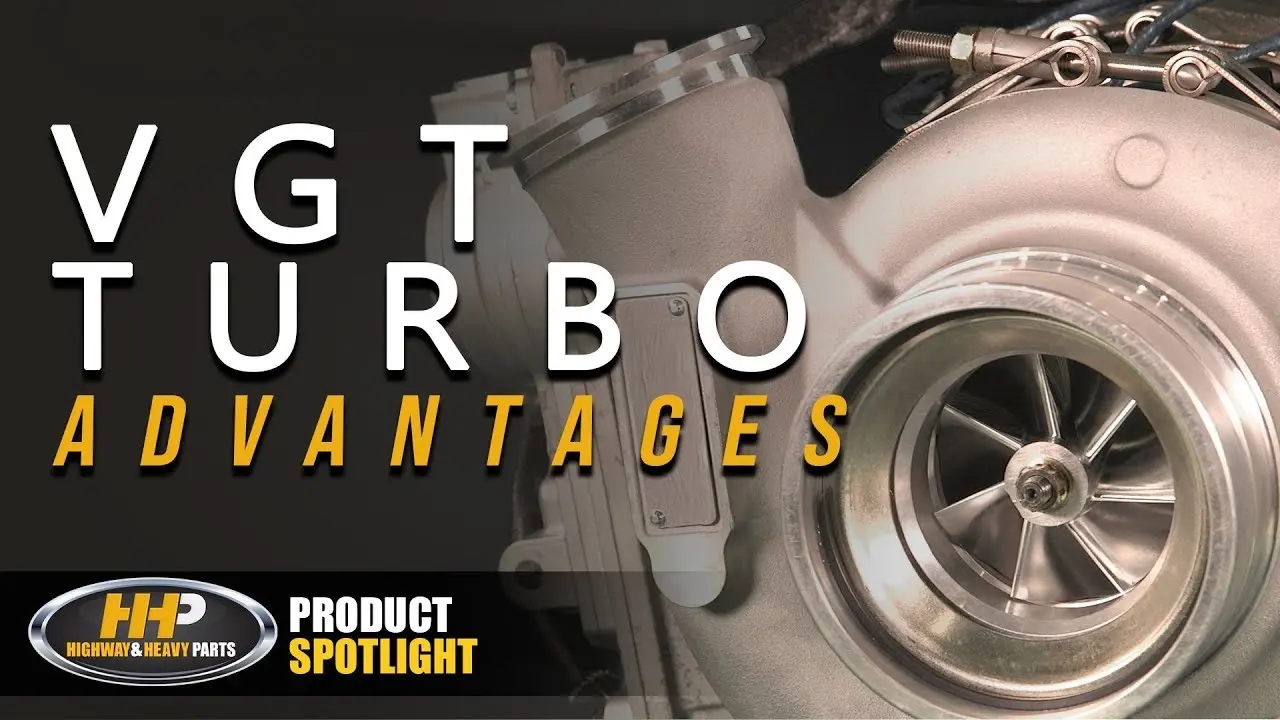
VGT Turbo Advantages (What Makes Variable Geometry Turbos Better?)

One of the biggest advantages of a Variable Geometry Turbo (VGT) isn’t just efficiency – it’s how it controls airflow at low engine speeds.

Because of this, VGT turbos can improve performance across a wider RPM range.

However, when that system stops working correctly, the engine feels completely different – and performance drops fast.

Continue reading VGT Turbo Advantages (What Makes Variable Geometry Turbos Better?)
Posted on

Forged Steel Piston Crowns for Caterpillar C15 & 3406E: What You Need to Know

When you’re rebuilding a Caterpillar C15 or 3406E, piston design matters more than most people realize.

One of the most critical components in that system is the piston crown.

And for these engines, forged steel piston crowns are one of the most proven and durable options available.

Continue reading Forged Steel Piston Crowns for Caterpillar C15 & 3406E: What You Need to Know
Posted on

Automatic vs Manual Transmissions in Diesel Trucks: What’s the Difference?

Diesel engines are known for low-RPM torque, strong pulling power, and durability under load.

Because of that, the transmission behind the engine matters.

A diesel transmission has to manage:

  • High torque output
  • Heavy loads
  • Heat generation
  • Gear changes under load
  • Driver control

The biggest difference between automatic and manual transmissions is how power gets from the engine to the wheels and how gear changes are controlled.

For diesel trucks, there is also a third category that matters: automated manual transmissions.

Continue reading Automatic vs Manual Transmissions in Diesel Trucks: What’s the Difference?
Posted on

Important Differences Between Caterpillar 3406E, C15, and C15 Acert Diesel Engines

How do you pick the right diesel engine model? This is a challenging task. You’ll need plenty of information if you’re deciding between the Caterpillar 3406E, C15 ACERT, or C15 engine. And we have as much information as you can get to make an informed decision.

Continue reading Important Differences Between Caterpillar 3406E, C15, and C15 Acert Diesel Engines
Posted on

Cylinder Head Bolt Stretch vs Torque: Why Your Head Gasket Keeps Failing

When a head gasket fails, most people look at the gasket.

But in many diesel engines, the real issue isn’t the gasket at all: it’s improper clamp load caused by incorrect bolt stretch.

If clamp load isn’t correct or consistent across the cylinder head, combustion pressure will find a way out.

This is where understanding bolt stretch vs. torque becomes critical.

Continue reading Cylinder Head Bolt Stretch vs Torque: Why Your Head Gasket Keeps Failing
Posted on

Replace the Injector Hold-Down Bolts on Your Diesel Injectors

Are you looking to replace the fuel injectors on your CAT 3406E, C15, or C15 ACERT diesel engine? If so, it’s probably fair to assume that you want the best quality, highest functioning injectors you can get. And, if you’re spending money on quality injectors, you want them to work correctly. 

Continue reading Replace the Injector Hold-Down Bolts on Your Diesel Injectors
Posted on

How to Test Glow Plugs on a Diesel Engine (Step-by-Step Guide)

Hard starts in cold weather are one common diesel complaint.

And a lot of times, it comes back to one thing:

Glow plugs not doing their job.

Glow plugs are responsible for heating the combustion chamber so the engine can start when it’s cold. If one or more fail, you’ll start seeing issues like long crank times, white smoke, or rough startup.

The good news is: testing them is straightforward if you follow the right process.

Continue reading How to Test Glow Plugs on a Diesel Engine (Step-by-Step Guide)
Posted on

Diesel Fuel Grades Explained: #1 vs #2 vs #4 (What You Should Actually Be Running)

Not all diesel fuel is the same.

Most people think diesel is just diesel – but in reality, there are different fuel grades, and each one behaves differently inside your engine.

The three main types you’ll hear about are:

  • #1 Diesel
  • #2 Diesel
  • #4 Diesel

Understanding the difference matters: because the wrong fuel choice can lead to poor performance, fuel system issues, or even downtime in extreme conditions.

Continue reading Diesel Fuel Grades Explained: #1 vs #2 vs #4 (What You Should Actually Be Running)
Posted on

How to Resurface a Diesel Engine Cylinder Head (Step-by-Step Guide)

Resurfacing a cylinder head is a precision machining process used to restore a flat, uniform sealing surface between the cylinder head and engine block.

In diesel engines, this surface is critical.

👉 Even minor irregularities can lead to head gasket failure, compression loss, or coolant leaks.

If resurfacing is required, it must be done correctly – both in preparation and execution.

Continue reading How to Resurface a Diesel Engine Cylinder Head (Step-by-Step Guide)
Posted on

How Elevation Affects Diesel Engine Performance

Elevation directly impacts diesel engine performance because it changes one critical variable: air density

As altitude increases, atmospheric pressure decreases. This reduces the amount of oxygen available for combustion inside the cylinder.

Diesel engines depend on oxygen – not throttle restriction – to control combustion.

👉 When oxygen availability drops, engine performance changes.

Continue reading How Elevation Affects Diesel Engine Performance
Posted on

Why Most Heavy-Duty Diesel Trucks Use Inline-6 Diesel Engines

If you look at almost any modern long-haul truck in the United States, you’ll find one thing in common:

👉 An inline-6 diesel engine under the hood.

That’s not a coincidence.

It comes down to balance, torque delivery, efficiency, and long-term durability – all critical factors for moving heavy loads over long distances.

Continue reading Why Most Heavy-Duty Diesel Trucks Use Inline-6 Diesel Engines
Posted on

Choosing the Right Diesel Engine Common Rail Fuel Injectors

The common rail fuel injector system is a relatively new development in diesel engines, but it brings with it quite a few advantages. With a quality common rail system, you’ll see quieter performance, improved fuel economy, higher torque, and lower emissions. 

Continue reading Choosing the Right Diesel Engine Common Rail Fuel Injectors
Posted on

Why Diesel Engine Oil Changes are Key for Your VGT Turbo

Contrary to what you may have heard, changing your oil regularly can help extend the life of your engine and save you money. It’s actually one of the cheapest routine maintenance actions you can perform on your diesel truck. 

Continue reading Why Diesel Engine Oil Changes are Key for Your VGT Turbo
Posted on

The Primary Differences Between Caterpillar 3406E, C15, and C15 Acert Diesel Engines

Picking the right diesel engine model is no easy task. If you’re considering purchasing a Caterpillar 3406E, C15, or C15 ACERT, we have the information to help you make a decision.

Continue reading The Primary Differences Between Caterpillar 3406E, C15, and C15 Acert Diesel Engines
Posted on

How to Prepare Your Diesel Truck for Winter (Cold Weather Guide)

If you want to prepare your diesel truck for winter, it starts with understanding how cold temperatures affect your engine, fuel system, and overall performance.

Cold weather introduces challenges that diesel engines are particularly sensitive to, including fuel gelling, reduced battery performance, and increased wear during startup.

Preparing ahead of time helps prevent breakdowns, hard starts, and costly repairs.

Continue reading How to Prepare Your Diesel Truck for Winter (Cold Weather Guide)
Posted on

Diesel Engine Common Rail Injection Explained

We’ve talked a lot about issues you might experience with your diesel engine common rail injectors. But it’s not all about the problems! You also get  a lot of benefits for having this kind of fuel injection system in your diesel engine.

Continue reading Diesel Engine Common Rail Injection Explained
Posted on

Mack Engine Serial Numbers

Mack engines have long meant durability and strength just look at their bulldog mascot. They were founded in 1900, originally as the Mack Brothers Company. They are now owned by Volvo, but through their long history they’ve produced engines that remain popular with many operators.

Continue reading Mack Engine Serial Numbers
Posted on

Yanmar Engine Serial Numbers

Originally founded in Japan in 1912, Yanmar is now a global company, spanning across Europe and America. They began by producing gasoline engines, but the company now specializes in diesel engines, with a particular focus on marine applications.

Continue reading Yanmar Engine Serial Numbers
Posted on

Perkins Engine Serial Numbers

Founded in the early 20th century, Perkins has long produced diesel engines for various industries. They sought to change diesel engines from a slow-moving working engine to a high-speed, high-performance workhorse. They succeeded. At first they produced engines for agricultural applications, but their engines can be found in marine equipment, industrial, construction, and more.

Continue reading Perkins Engine Serial Numbers
Posted on

Diesel Prices Around the World in April 2026

If you run trucks, manage repairs, or budget for diesel work, fuel price changes matter fast.

As of April 13, 2026, the global average retail diesel price was $1.60 per liter, according to GlobalPetrolPrices. Their dataset notes that some countries are updated weekly and others monthly, depending on how their fuel markets are regulated.

What stands out most is not just the average. It’s the spread.

On the low end, a few heavily subsidized or regulated markets were still posting diesel prices near zero in U.S. dollar terms. On the high end, some developed markets were above $2.50 per liter, with Hong Kong above $4.50 per liter.

Continue reading Diesel Prices Around the World in April 2026
Posted on

Will An EGR System Delete Cause Diesel Engine Damage? (2025)

You probably heard the stories about how much trouble EGR valves are for your diesel engine. And their history has indeed given them a bad reputation.

Continue reading Will An EGR System Delete Cause Diesel Engine Damage? (2025)
Posted on

Diesel Cylinder Head Resurfacing: Flatness Specs, Surface Finish, And When It’s Required

Cylinder head resurfacing is one of the most critical steps in a diesel engine repair – but it’s also one of the most misunderstood.

Resurfacing isn’t just about making the head “look flat.” It’s about restoring the correct sealing surface for combustion pressure, coolant passages, and oil flow. If done incorrectly – or skipped entirely – it can lead to immediate or repeat failure.

Continue reading Diesel Cylinder Head Resurfacing: Flatness Specs, Surface Finish, And When It’s Required
Posted on

5 Technical Ways to Improve Diesel Engine Fuel Economy (Without Guessing)

Fuel economy in a diesel engine isn’t just about driving habits – it’s controlled by combustion efficiency, fuel delivery accuracy, air management, and mechanical condition.

If one of those systems is off – even slightly – you’re burning more fuel than you should.

This guide breaks down five technical areas that directly impact fuel economy, and what’s actually happening inside the engine when they’re not right.

Continue reading 5 Technical Ways to Improve Diesel Engine Fuel Economy (Without Guessing)
Posted on

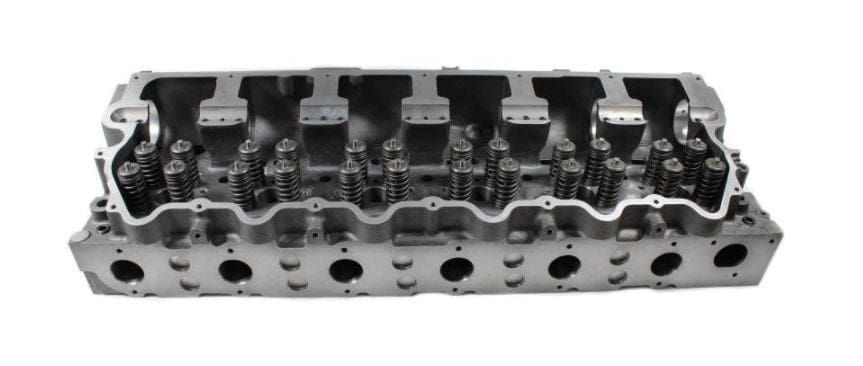
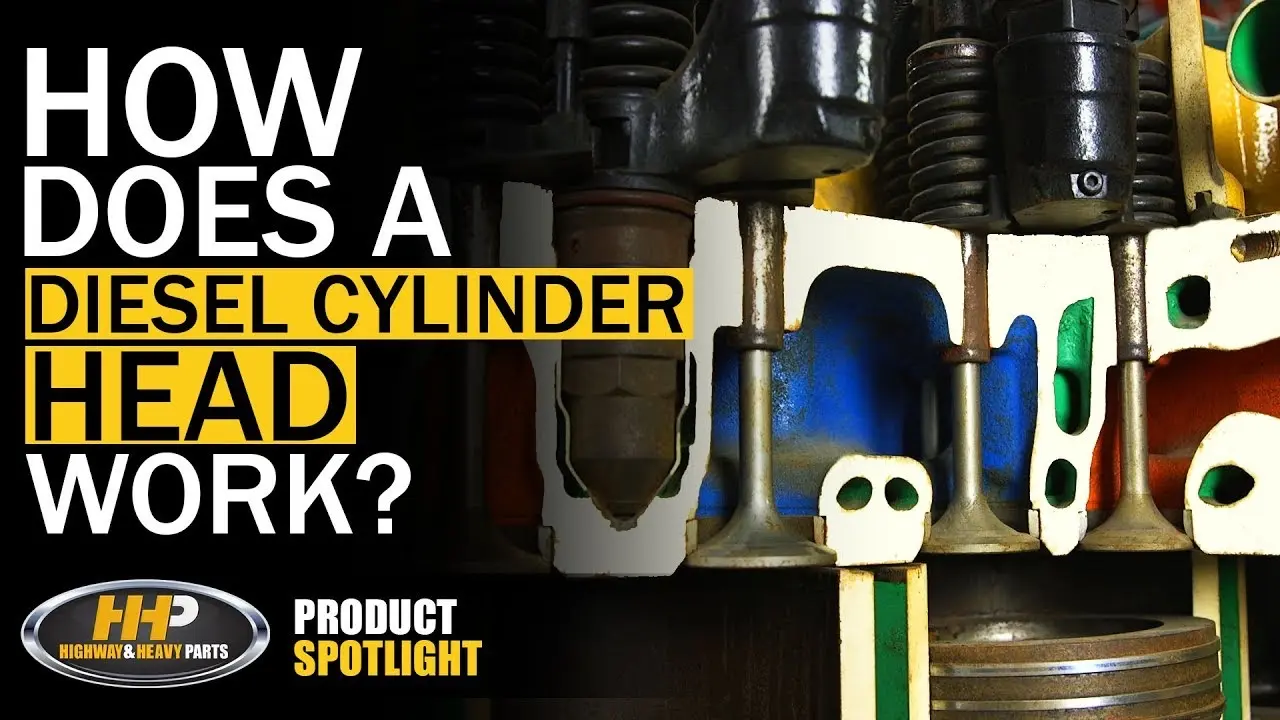
How a Diesel Cylinder Head Works: Airflow, Combustion Sealing, and Thermal Load Explained

A diesel cylinder head does far more than “sit on top” of the engine.

It is a structural, thermal, and airflow control component that directly impacts:

  • Combustion Efficiency
  • Engine Power Output
  • Heat Management
  • Long-Term Engine Durability

Every combustion event in a diesel engine depends on how well the cylinder head controls air, fuel, pressure, and temperature.

Continue reading How a Diesel Cylinder Head Works: Airflow, Combustion Sealing, and Thermal Load Explained
Posted on

Why Wheel Alignment Matters on Older Diesel Trucks

Wheel alignment is often overlooked on older diesel trucks, especially when the vehicle still feels “drivable.”

But alignment is not just about steering feel.

It directly affects:

  • Tire wear
  • Rolling resistance
  • Steering geometry
  • Load distribution across suspension components

On older trucks, alignment becomes even more important because component wear has already introduced variability into the system.

Continue reading Why Wheel Alignment Matters on Older Diesel Trucks
Posted on

Aftermarket vs OEM Diesel Parts: What’s the Real Difference?

When it comes to diesel engine parts, one of the most common questions is: why are OEM parts so expensive?

Many assume higher cost means higher quality – but that’s not always the case. In reality, the difference between OEM and aftermarket parts often comes down to manufacturing, distribution, and how the parts reach you.

If you’re comparing options right now, you can shop diesel engine parts to find high-quality components built for your specific engine and application.

Understanding that difference can help you make a more informed – and more cost-effective – decision when it’s time to repair your engine.

Continue reading Aftermarket vs OEM Diesel Parts: What’s the Real Difference?
Posted on

Caterpillar 3406E Inframe Rebuild Kit: What Actually Matters During a Rebuild

The Caterpillar 3406E is known for durability.

But like any diesel engine, it eventually needs a rebuild.

An inframe rebuild is one of the most common ways to restore performance without removing the engine from the chassis.

The success of that rebuild depends on more than just replacing parts.

It depends on how those parts work together under load.

Continue reading Caterpillar 3406E Inframe Rebuild Kit: What Actually Matters During a Rebuild
Posted on

Diesel Engine Rocker Arms vs Pin and Roller Kits: What Actually Wears Out and Why It Matters

When diagnosing valvetrain issues in a diesel engine, rocker arms are often overlooked.

But on engines like Cummins ISX, Detroit Diesel Series 60, and Caterpillar platforms, rocker arm assemblies – and more specifically the pin and roller components – are critical wear points.

Understanding the difference between replacing a full rocker arm versus servicing pin and roller kits can prevent repeat failures and unnecessary downtime.

Continue reading Diesel Engine Rocker Arms vs Pin and Roller Kits: What Actually Wears Out and Why It Matters
Posted on

Should You Replace the CHRA or the Entire Turbocharger? What Diesel Owners Need to Know

When a turbocharger fails, most people ask the same question:

Should you rebuild it with a cartridge (CHRA), or replace the entire turbo?

The answer depends on what actually failed.

And getting that wrong can cost you more than the turbo itself.

Continue reading Should You Replace the CHRA or the Entire Turbocharger? What Diesel Owners Need to Know
Posted on

Diesel Fuel Pump Brands Explained: Bosch vs Delphi vs Denso vs Stanadyne (And More)

If you’ve ever tried to compare diesel fuel pumps, you’ve probably run into the same problem:

👉 Plenty of brand names
👉 Almost no clear explanations

If you’re in sales, diagnostics, or repairs, you’re expected to understand:

  • What pump a customer needs
  • What brands are reliable
  • What actually matters when choosing one

This guide breaks it down in a way that actually makes sense.

Continue reading Diesel Fuel Pump Brands Explained: Bosch vs Delphi vs Denso vs Stanadyne (And More)
Posted on

Cummins ISC-G Cylinder Head: What Makes Natural Gas Cylinder Heads Different

The Cummins ISC-G is not just a diesel engine running a different fuel.

It is a spark-ignited natural gas engine, and that changes how the cylinder head is designed, how it wears, and how it fails.

If you treat it like a diesel cylinder head, you will miss critical differences that directly impact performance and longevity.

Continue reading Cummins ISC-G Cylinder Head: What Makes Natural Gas Cylinder Heads Different
Posted on

Why Cummins Injector System Upgrades Change Failure Patterns (Mechanical vs CELECT vs HPI vs XPI)

Cummins didn’t just evolve injector systems to improve performance – they fundamentally changed how engines fail, how they’re diagnosed, and how repairs need to be approached.

From mechanical injectors to XPI common rail systems, each generation introduced new advantages – but also new failure modes.

If you’re diagnosing fuel system issues on a Cummins engine, understanding these differences is critical.

Continue reading Why Cummins Injector System Upgrades Change Failure Patterns (Mechanical vs CELECT vs HPI vs XPI)
Posted on

Caterpillar 3406E, C15, C15 ACERT Spacer Plate: How It Controls Liner Height and Sealing

The spacer plate in a Caterpillar 3406E, C15, and C15 ACERT is not just a structural component.

It is a critical part of the engine’s sealing system.

It directly controls:

  • Cylinder Liner Protrusion
  • Head Gasket Clamping Force
  • Combustion Sealing Integrity

If the spacer plate is worn, damaged, or machined incorrectly, the entire sealing system is compromised.

Continue reading Caterpillar 3406E, C15, C15 ACERT Spacer Plate: How It Controls Liner Height and Sealing
Posted on

Cummins Diesel Engine Serial Numbers

Look at your rocker cover: you’ll probably find your Cummins ISB engine serial number. You might also find it on the side of the gear housing. If you have a Cummins ISM engine, the serial number is on the rocker housing on the fuel pump side.

Continue reading Cummins Diesel Engine Serial Numbers
Posted on

Why Diesel Engines Use Turbochargers Instead of Superchargers

If you spend any time around diesel engines, you’ll notice something quickly:

👉 Almost all of them are turbocharged.

That’s not by accident.

While both turbochargers and superchargers are designed to increase air pressure into the engine, diesel engines overwhelmingly rely on turbochargers – and there are specific engineering reasons why.

Continue reading Why Diesel Engines Use Turbochargers Instead of Superchargers
Posted on

How to Clean EGR Pressure Ports in Diesel Engines (Without Causing Damage)

EGR pressure ports are small, but they play a critical role in how a diesel engine manages emissions and airflow.

When they clog, it can lead to:

  • Fault codes
  • Engine derate
  • Poor performance
  • Misdiagnosed EGR system failures

Cleaning them correctly matters just as much as diagnosing the issue.

Continue reading How to Clean EGR Pressure Ports in Diesel Engines (Without Causing Damage)
Posted on

Caterpillar C15, C15 ACERT, 3406E Cylinder Head Bolts: Why They Matter More Than You Think

Cylinder head bolts don’t usually get the attention.

But on a Caterpillar C15, C15 ACERT, or 3406E, they play a critical role in engine performance and reliability.

They’re not just fasteners.

They are what keep combustion sealed.

Continue reading Caterpillar C15, C15 ACERT, 3406E Cylinder Head Bolts: Why They Matter More Than You Think
Posted on

The Real Benefits of Remanufactured Diesel Engine Parts

Remanufactured diesel engine parts offer a practical alternative to new OEM components. To understand their value, you first need to understand what “remanufactured” really means.

Continue reading The Real Benefits of Remanufactured Diesel Engine Parts
Posted on

Why Stop-and-Go Driving Is Hard on a Diesel Engine

Stop-and-go driving is one of the hardest operating conditions for a diesel engine.

A diesel engine is designed to run under load, reach stable operating temperature, and maintain consistent combustion conditions. In stop-and-go traffic, that rarely happens.

Instead, the engine repeatedly moves through:

  • Idle time
  • Short acceleration events
  • Low-speed operation
  • Heat buildup
  • Frequent temperature changes

Over time, this can increase wear, reduce efficiency, and shorten the life of critical components

Continue reading Why Stop-and-Go Driving Is Hard on a Diesel Engine
Posted on

How to Replace a Camshaft on a Caterpillar C15 (Step-by-Step Guide)

The camshaft plays a critical role in how your engine runs.

On a Caterpillar C15 diesel engine, even minor camshaft wear can affect:

  • Valve timing
  • Fuel delivery performance
  • Overall engine efficiency

👉 If the camshaft fails, it can lead to serious internal engine damage.

A Caterpillar C15 camshaft replacement is not a small job. It requires proper timing, precision, and a clear understanding of the engine’s setup.

Camshaft reconditioning process

Signs of a Bad Camshaft

Before a Caterpillar C15 camshaft replacement, it’s important to confirm the failure.

Before jumping into a full replacement, it’s important to confirm the camshaft is actually the issue.

👉 If you’re not sure yet, this guide breaks down the symptoms and failure causes in detail:
Caterpillar C15, 3406E Camshaft Guide

Common symptoms include:

  • Loss Of Power Under Load
  • Rough Idle Or Engine Stalling
  • Excessive Engine Noise (Knocking Or Ticking)
  • Reduced Fuel Economy
  • Hard Starting Or No Start Condition

Even small wear can affect performance.

👉 As little as .001″ wear can change valve timing by several degrees, impacting how the engine runs.


What Causes Camshaft Failure on a C15

Camshaft failure is rarely random.

Most failures are caused by:

  • Poor Lubrication (Oil Issues)
  • Contaminated Engine Oil
  • Worn Rollers Or Lifters
  • Improper Installation From Previous Repairs

👉 Before installing a new camshaft, always identify the root cause to prevent repeat failure.


How to Replace a Caterpillar C15 Camshaft

This is a high-level process. Exact procedures may vary depending on your engine configuration.


1. Preparation

  • Disconnect batteries
  • Drain engine oil
  • Remove valve covers
  • Inspect visible valvetrain components

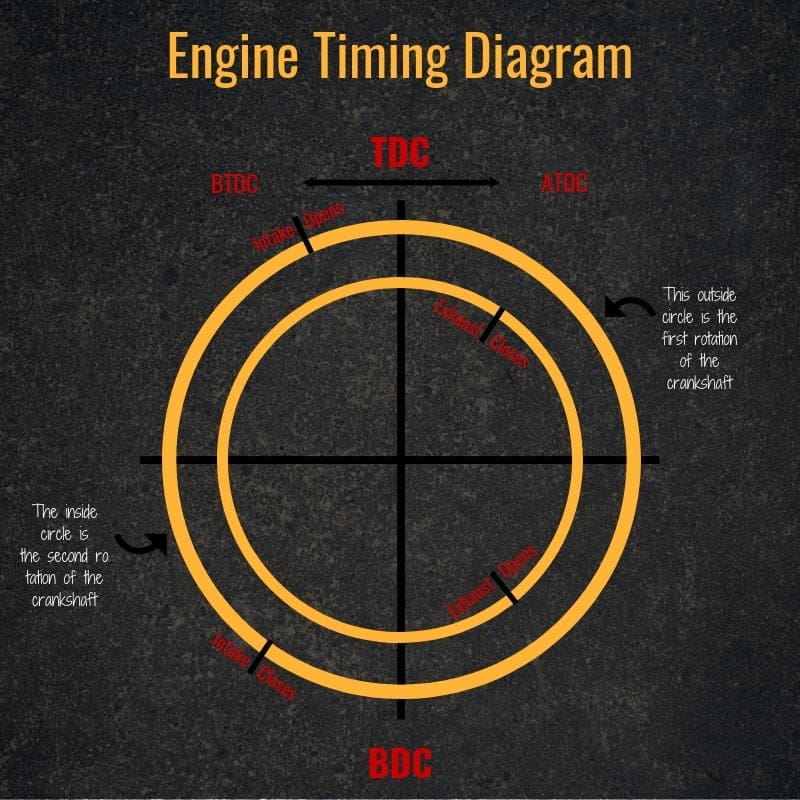
2. Set Engine to Top Dead Center (TDC)

Rotate the engine and lock it at Top Dead Center (TDC).

  • Use a timing pin to secure the flywheel
  • This ensures proper timing during reassembly

👉 This step is critical – incorrect timing can cause engine damage.


3. Remove Front Timing Components

  • Remove the front timing cover (“peanut cover”)
  • Gain access to the cam gear

4. Remove the Cam Gear

  • Use a proper gear puller or removal tool
  • Carefully remove the cam gear without damaging surrounding components

5. Remove Rocker Assemblies

  • Remove rocker arms and shaft assemblies
  • Keep components organized for reinstallation

6. Remove the Camshaft

  • Carefully slide the camshaft out
  • Avoid damaging cam bearings during removal

👉 This is where many installs go wrong – any scoring or damage can lead to premature failure.


7. Inspect and Replace Bearings

  • Always install new camshaft bearings
  • Inspect for wear, scoring, or oiling issues

8. Install the New Camshaft

  • Lubricate bearings and camshaft thoroughly
  • Carefully slide the new camshaft into place

9. Reinstall Components and Set Timing

  • Reinstall cam gear
  • Align timing marks correctly (typically 12 o’clock alignment)
  • Install retainer plate and torque bolts properly

👉 Camshaft bolt torque: ~180 ft-lbs (verify per spec)


10. Final Assembly

  • Reinstall rocker assemblies
  • Set valve lash to specification
  • Reinstall timing cover and remaining components

Important Installation Tips

When replacing a camshaft on a C15, pay attention to:

  • Always Verify Fitment Using ESN
  • Replace Bearings and Related Components
  • Keep All Components Clean
  • Follow Torque Specifications Exactly
  • Double-Check Timing Alignment

👉 One mistake here can lead to complete engine failure.


Why Camshaft Installs Fail (And How to Prevent It)

Most repeat failures are caused by:

  • Reusing worn components
  • Improper timing alignment
  • Skipping bearing replacement
  • Not addressing oil system issues

👉 A camshaft replacement is not just a part swap – it’s a system repair.


At Highway and Heavy Parts, we help you identify the problem and get the right parts the first time.

Call 844-304-7688 or visit highwayandheavyparts.com to place your order today.

From diagnosis through delivery, we’re Highway and Heavy Parts.

Posted on

About Diesel Injector Trim Codes

Your fuel injectors are what keep your diesel engine running at its best. If you want solid diesel engine performance, then you need to use your injectors effectively. There’s a specific system your injector uses to improve engine performance: trim codes. 

Continue reading About Diesel Injector Trim Codes
Posted on

City Driving vs Highway Driving: Engine Impact Explained

The difference is not just speed.

It is how the engine is loaded, how often it changes state, and how long it stays in stable operating conditions.

City driving introduces:

  • Frequent acceleration from a stop
  • Repeated deceleration and braking
  • Idle time with no load
  • Shorter run cycles

Highway driving introduces:

  • Steady engine speed (RPM)
  • Continuous load
  • Stable operating temperature
  • Fewer transient events

These differences directly affect internal engine conditions.

Continue reading City Driving vs Highway Driving: Engine Impact Explained
Posted on

What Are Electronic Unit Injectors (EUIs)?

If you’re working on engines like the Detroit Diesel Series 60, Caterpillar C15, or Cummins ISX, you’ve probably heard the term EUI.

But understanding what an Electronic Unit Injector (EUI) actually does – and how it fails – is key to diagnosing a lot of performance issues.

Because when an EUI starts to go, it doesn’t just affect fuel delivery.

It affects timing, pressure, combustion, and overall engine balance.

Continue reading What Are Electronic Unit Injectors (EUIs)?
Posted on

Adjusting Diesel Injection Timing (2026)

Diesel injection timing plays a critical role in engine performance, fuel efficiency, and emissions. Whether you’re working on an older mechanical system or a newer electronically controlled engine, proper timing ensures fuel is delivered at the correct moment for optimal combustion.

In 2026, with tighter tolerances and more advanced fuel systems, accurate timing is more important than ever.

Continue reading Adjusting Diesel Injection Timing (2026)
Posted on

Turbocharger Cartridge vs Full Replacement: What Actually Fails Inside a Diesel Turbo

When a diesel turbocharger fails, the first question is always:

Should you replace the cartridge – or the entire turbo?

Most answers online are surface-level. But if you want to avoid repeat failures, you need to understand what actually fails inside the turbocharger.

Because the wrong choice doesn’t just cost money – it can lead to another failure within hours of startup.

Continue reading Turbocharger Cartridge vs Full Replacement: What Actually Fails Inside a Diesel Turbo
Posted on

Dinex Emission: The Solution to Diesel Pollution

Dinex Emission is a company that has been dedicated to helping diesel operators meet the high standards of the EPA for a very long time. Though the EPA’s goal is to reduce the emissions of dangerous gasses into the air, their restrictions can often make transporting goods, completing construction projects, and harvesting large crops more difficult. As an expert in the field of diesel emissions control, Dinex has long been the solution to this obstacle.

Continue reading Dinex Emission: The Solution to Diesel Pollution
Posted on

Common Diesel Engine Problems and Solutions

Diesel engines are workhorses, powering everything from trucks to heavy machinery. However, like any complex machinery, they can encounter problems. Let’s explore some of the most common issues and their solutions:

Continue reading Common Diesel Engine Problems and Solutions
Posted on

CATERPILLAR 3406E TECHNICAL SPECIFICATIONS, SERIAL NUMBERS, & PREFIXES

Are you curious about your Caterpillar 3406E diesel engine? Well, we’re taking you through this engine in detail, so wonder no more! Read on to learn the history of the engine, as well as some common failures you might experience.

Continue reading CATERPILLAR 3406E TECHNICAL SPECIFICATIONS, SERIAL NUMBERS, & PREFIXES
Posted on

DT466E and DT530E O-Ring Change

Through the years, diesel engines have undergone some major changes. Sometimes, the changes happen from model to model, but at other times, updates will be made to existing engines.

Continue reading DT466E and DT530E O-Ring Change
Posted on

Where To Find Your Engine Serial Number

Exposed to harsh operating conditions and long hours, your farming equipment can break down just like the diesels on the highway. And we know how frustrating it can be to struggle to find parts for your engine applications.

Continue reading Where To Find Your Engine Serial Number
Posted on

On The Road Maintenance Checklist

When you are on the road, it can be easy to let your engine maintenance fall by the wayside. You may not have time to get it into the shop consistently, or you may be unsure of how to spot issues before they become a disaster. Thankfully, there are a few straightforward things that any driver can do to prolong the life of their engine, and anticipate problems before it is too late.

Continue reading On The Road Maintenance Checklist
Posted on

Rebuilding Your Cummins ISX and N14 Engines

Both the ISX and N14 are some of the most popular engines ever built by Caterpillar. Come to think about it, they have become extremely popular in a wide array of applications over the years. Regardless of the type, if you put enough miles on them, there will come a time when a rebuild will become necessary.

Continue reading Rebuilding Your Cummins ISX and N14 Engines
Posted on

The Importance of Replacing Your Injector Hold-Down Bolts

If you need to replace the fuel injectors on your CAT 3406E, C15, or C15 ACERT we know you want the highest quality and best functioning fuel injectors.

Continue reading The Importance of Replacing Your Injector Hold-Down Bolts
Posted on

Cummins ISX Camshafts Explained: Dual vs Single Cam and Common Failures

When the camshaft fails in your Cummins ISX and you’re looking at an expensive repair, we know you’re looking for the best option out there.

Continue reading Cummins ISX Camshafts Explained: Dual vs Single Cam and Common Failures
Posted on

Benefits of the Stage 2 Performance Cylinder Heads for Caterpillar C15

Have you ever thought about what a performance cylinder head could do for your diesel engine?

Continue reading Benefits of the Stage 2 Performance Cylinder Heads for Caterpillar C15
Posted on

A Guide To Caterpillar ESNs – Finding Your Engine Serial Number, Formatting And Prefixes

We know that when you’re looking for parts for your Caterpillar engine, you don’t want to waste time and money on the wrong parts. That’s why it’s important to know your diesel engine’s serial number. It helps us ensure you’re getting exactly what you need the first time you order.

Continue reading A Guide To Caterpillar ESNs – Finding Your Engine Serial Number, Formatting And Prefixes
Posted on

Aftermarket vs. OEM Diesel Engine Rebuild Kits

The debate of aftermarket vs OEM debate is as old as the auto industry itself. You will get people on both sides of the fence trying to convince anyone why aftermarket is better or why OEM rebuild kits are the only way to go.

Continue reading Aftermarket vs. OEM Diesel Engine Rebuild Kits
Posted on

How to Replace a 7.3L Powerstroke HPOP (High-Pressure Oil Pump)

The 7.3L Powerstroke uses a HEUI (Hydraulically Actuated Electronic Unit Injection) system, where engine oil – not fuel – provides the pressure required to actuate the fuel injectors.

The High-Pressure Oil Pump (HPOP) supplies this pressure.

If the HPOP fails or leaks, you may experience:

  • Hard starting (especially hot)
  • Rough idle
  • Low power
  • Injector misfires
  • Low ICP pressure

Replacing the HPOP requires accessing the engine valley and removing several components to reach the pump and drive gear.

Continue reading How to Replace a 7.3L Powerstroke HPOP (High-Pressure Oil Pump)
Posted on

Overview Of The Detroit Diesel Series 60 14L Engine

You probably recognize the name: Detroit Diesel. Or, Detroit as it’s known now. They’ve built some of the most popular diesel engines.

Continue reading Overview Of The Detroit Diesel Series 60 14L Engine
Posted on

Bosch High Pressure Diesel Oil Pump Overview

When we talk about oil pumps, most people think of the component in the oil pan that supplies oil to the bearings and the crankshaft. But, with a high pressure system, you actually have two oil pumps on your engine.

Continue reading Bosch High Pressure Diesel Oil Pump Overview
Posted on

Detroit Diesel ECUs Explained – What Do Different DDEC Versions Do?

Have you ever put much thought into what’s controlling your engine? It may run on diesel, but it’s probably controlled by electronics. Unless you’re running a much older engine, of course.

Continue reading Detroit Diesel ECUs Explained – What Do Different DDEC Versions Do?
Posted on

Why Is My Diesel EGR Valve Failing? 5 Common Causes

An EGR or exhaust gas recirculating valve is a key part of any modern diesel engine. Unfortunately, they have gotten a bad reputation over the years as being one of the most common parts to fail on an otherwise durable engine.

Continue reading Why Is My Diesel EGR Valve Failing? 5 Common Causes
Posted on

Differences Between Diesel Rebuild Kits

No matter how you look at it, rebuilding your diesel engine is a big job. It can even seem downright stressful trying to pick the right rebuild kit. In-frame, out-of-frame, and engine re-ring kits are just some of the terms used. What do they mean? What are the differences between them? All these questions and many more will be answered in this post!

Continue reading Differences Between Diesel Rebuild Kits
Posted on

Common Diesel Turbocharger Problems

Modern diesel engines all have turbochargers. Boosting your internal combustion engine’s potential both physically and figuratively is nothing new. Diesel engines have been taking advantage of wasted exhaust gas for decades.

Continue reading Common Diesel Turbocharger Problems
Posted on

When To Rebuild Your Caterpillar C15 Engine

Diesel engines are built to last. You can run them for miles and miles. And when you eventually have to rebuild that engine, you want it to run for another million miles.

Continue reading When To Rebuild Your Caterpillar C15 Engine
Posted on

Diesel Engine Wastegates Explained: How It Works, Calibration, And Engine Problems

Here at Highway & Heavy Parts, we have gone into extensive details on how turbochargers work. Besides the diesel engine itself, the turbo is the next most important component in making sure your truck operates properly.

Continue reading Diesel Engine Wastegates Explained: How It Works, Calibration, And Engine Problems
Posted on

Locating John Deere ESN And Engine Model Codes

When you’re shopping for parts for your John Deere diesel, we know that it can seem like your options are limited. You’ve been quoted an expensive repair price from the dealer and it might take some time to source the parts for you, especially on older models.

Continue reading Locating John Deere ESN And Engine Model Codes
Posted on

Differences in DD15 Pistons And When You May Need An Overhaul

Ever wonder why there are many different types of pistons in your diesel engine? And why certain pistons are included in your engine rebuild kits?

Continue reading Differences in DD15 Pistons And When You May Need An Overhaul
Posted on

How To Find Mack Diesel Engine Serial Numbers

Mack engines have long meant durability and strength—just look at their bulldog mascot. They were founded in 1900, originally as the Mack Brothers Company. They are now owned by Volvo, but through their long history, they’ve produced engines that remain popular with many operators.

Continue reading How To Find Mack Diesel Engine Serial Numbers
Posted on

How To Find Perkins Diesel Engine Serial Numbers

Founded in the early 20th century, Perkins has long produced diesel engines for various industries. They sought to change diesel engines from a slow-moving working engine to a high-speed, high-performance workhorse. They succeeded. At first they produced engines for agricultural applications, but their engines can be found in marine equipment, industrial, construction, and more.

Continue reading How To Find Perkins Diesel Engine Serial Numbers
Posted on

How To Check For Caterpillar 3406E/C15 Fuel In Coolant

If you’re running a C15 or 3406E diesel engine, you may have experienced your engine missing. So, why does that happen?

Continue reading How To Check For Caterpillar 3406E/C15 Fuel In Coolant
Posted on

A Guide to Diesel Anti-Polishing Rings

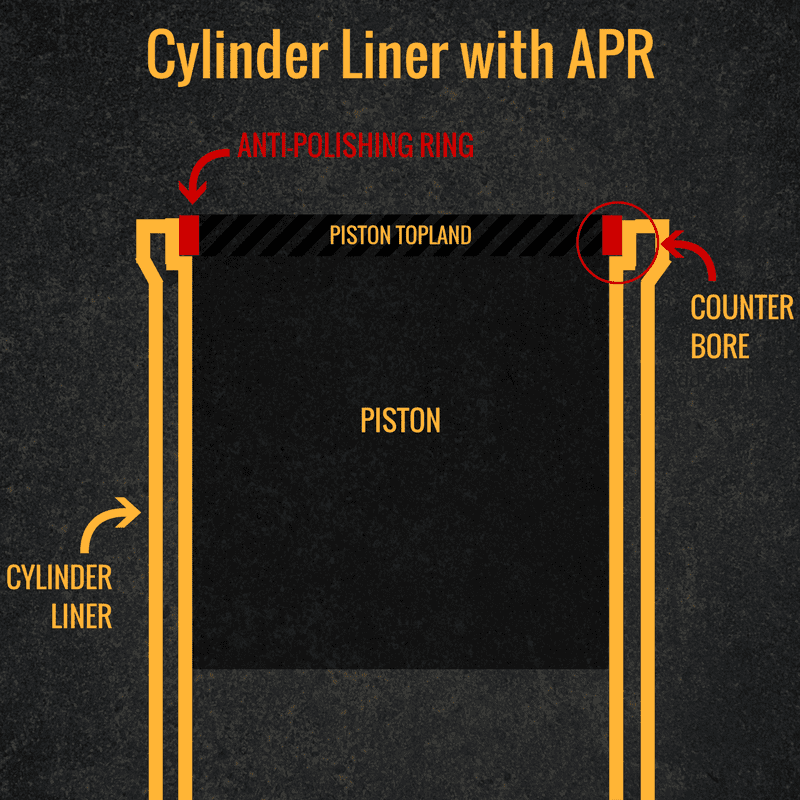
”APR” stands for “anti-polishing ring.” Other terms for anti-polishing rings include “carbon scraper ring,” “piston cleaning ring,” and “bore polishing ring.” Whichever term you use, it refers to a newer development in Cummins ISX engines where a cylinder liner will have an anti-bore at its top that holds a ring insert.

Continue reading A Guide to Diesel Anti-Polishing Rings
Posted on

The 6 Most Common Diesel Engine Oil Pump Failures

Oil pumps are critical to the mechanics of the rest of the diesel engine. Without proper oil circulation, the moving parts of the engine cannot work properly. That’s why oil pump failure is such a big deal. Help prevent failure by understanding what causes it. When your oil pump fails, its probably for one of the following reasons.

Continue reading The 6 Most Common Diesel Engine Oil Pump Failures
Posted on

Diesel Engine Serial Number Guide: Caterpillar, Cummins, Detroit Diesel & More

Finding the correct engine serial number (ESN) is one of the most important steps when ordering diesel engine parts – but it’s also one of the most confusing. Every manufacturer places their serial numbers in different locations, and many engines have additional arrangement, horsepower, or build codes that matter just as much as the ESN itself.

In this guide, we break down exactly where to find the serial number on popular diesel engines like Caterpillar, Cummins, and Detroit Diesel, so you can identify your engine quickly and get the right parts the first time.

Download this Free ESN Lookup Guide!

How To Find Your Diesel Engine Serial Number

Sometimes it can be hard to find an ESN. Below we’ve collected the general formats your ESNs will have and where you can find them on your engine.

Dataplate on a Caterpillar Engine

Caterpillar Engine Serial Number Location

Most engine serial numbers can be found on the data-plate. As you’ll see later in this article, the data-plates for a certain type of engine can be found in various places depending on the model. However, Caterpillar is pretty consistent, and the data-plate on a Caterpillar engine can be found on the driver’s side of the valve cover.

Caterpillar Engine Serial Number Identification

All Caterpillar ESNs have a similar format. They all begin with a three number/letter prefix, followed by 7 digits. The prefixes will correspond to a particular model. For example, prefixes of 1LW, 2WS, 5DS, 5EK, and 6TS indicate that the engine is a 3406E. For the more popular prefixes, people will refer to their engine by the prefix rather than the model.
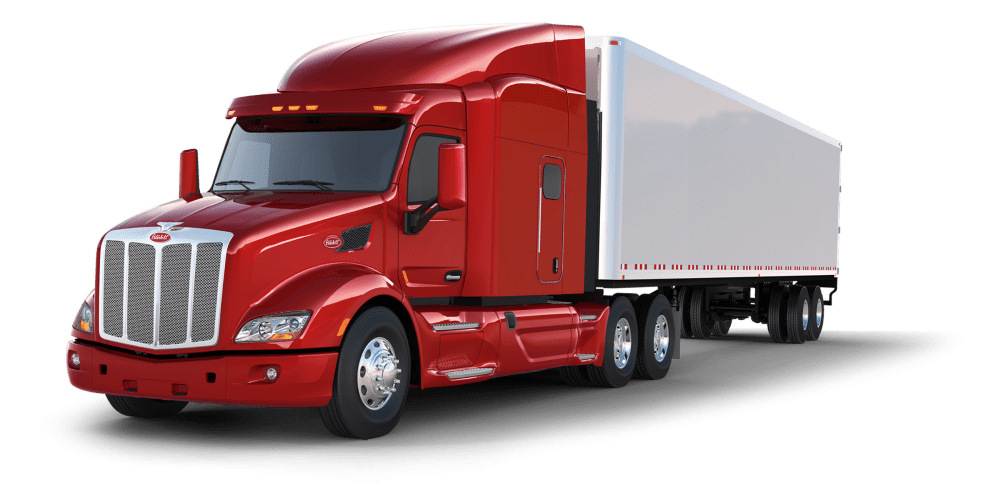
You may have heard someone say, “Oh, yeah, my 6NZ runs like a champ.” A 6NZ is a common prefix for a single-turbo C15. Some prefixes’ reputations precede them. For example, a C15 with a prefix of MBN is known as a “Bridge motor” (because it was the bridge engine from the mechanical C15 to the electronic C15 ACERT), and is often heavily critiqued.

Caterpillar ESN Prefixes by Model

3406:

  • 92U

3406B:

  • 2EK
  • 3ZJ
  • 4CK
  • 4MG
  • 5KJ
  • 7FB
  • 8TC

3406C:

  • 3ZJ
  • 4CK
  • 5KJ
  • 8PN

3406E:

  • 1LW
  • 2WS
  • 5DS
  • 5EK
  • 6TS

C7:

  • KAL
  • C7S

C12:

  • 1YN
  • 2KS
  • 8YF
  • 9NS
  • 9SM
  • CPD
  • GEP
  • MBL
  • TME

C15 and C15 ACERT:

  • 6NZ
  • 9NZ
  • B5R
  • BXS
  • EGH
  • JEP
  • KRA
  • MBN
  • MXS
  • NXS
  • RKS
  • SDP
  • TRB

C16:

  • 7CZ

Cummins Engine Serial Number Location

Cummins engine will have the engine serial number on the dataplate; however, the dataplate will be in different locations based on the model of the engine. You can find the location of your dataplate in your owner’s manual, but if you haven’t held on to the physical copy of the manual, then you can access Cummins Quickserve and get a digital copy of the owner’s manual there.

If you don’t have your owner’s manual and don’t have access to Quickserve, we have the locations for the dataplate on some of the more popular engine models.
  • Cummins ISB: either rocker cover or side of the gear housing
  • Cummins ISC and ISL: top side of the gear housing
  • Cummins ISM: rocker housing, towards the fuel pump side of the engine
  • Cummins ISX: top of the rocker lever cover
  • Cummins QSK45 and QSK60: rear of the engine block

Unable to find the dataplate or don’t see your engine model listed? It’s okay. Cummins also stamps the engine serial number into the passenger side of the engine block for all models.

Cummins Engine Serial Number Identification

Cummins engine serial numbers look more like a classic serial number than Caterpillar ESNs do. They are composed only of 8 numbers. They’re in a specific numerical sequence, based on which engine came off the assembly line first. There is no special designation for particular models.

Cummins engines do have something a little unique, called a CPL. This stands for Critical Parts List and, as you can probably guess, is a list of the critical parts of the engine. There are fewer CPLs than ESNs because multiple engines can have the same CPLs. For most major parts of an engine, you can give us a CPL rather than an ESN.

Detroit Diesel Engine Serial Number Location

We could (and did) write an entire blog on where you can find your Detroit Diesel engine serial number. Detroit is notoriously inconsistent when it comes to ESN placement. While the locations you can find your ESN are often consistent across a model, they aren’t always, so don’t panic if you go to look in the spot listed below and don’t find it. It’ll be on the engine somewhere, so just keep looking.

  • Detroit Diesel Series Inline 53: stamped in the upper rear corner of the right side of the block
  • Detroit Diesel Series V53: stamped in the upper right corner of the front of the block
  • Detroit Diesel Series 60: on an option plate with the information located on the left side of the valve cover
  • Detroit Diesel Series Inline 71: printed on the option label, which is attached to the valve cover
  • Detroit Diesel Series V71: stamped into the block in either the left side, upper front corner, or the right side, upper rear corner
  • Detroit Diesel Series V92: stamped on the front side, on either the upper front or upper rear corners
  • Detroit Diesel Series 149: stamped on the rocker cover rail towards the rear

Detroit Diesel Engine Serial Number Identification

Thankfully, the format of Detroit engine serial numbers is more consistent than their location. It can still get rather complicated though. For the sake of keeping this guide simple, were just going to go over the highlights.

  • Detroit Diesel Series Inline 53: ESNs begin with 04D and can be found under the model numbers, which begin with 504.
  • Detroit Diesel Series V53: ESNs begin with a 06D and the model numbers begin with 506.
  • Detroit Diesel Series 60: ESNs begin with 06R and model numbers begin with 606.
  • Detroit Diesel Series Inline 71: ESNs begin with 06A and will be near the model numbers, which begin with 106.
  • Detroit Diesel Series V71: ESNs begin with 08VA and model numbers begin with 708.
  • Detroit Diesel Series V92: ESNs begin with 08VF and model numbers begin with 808.
  • Detroit Diesel Series 149: ESNs start with 12E and model numbers that start with 912.

International/Navistar Engine Serial Number Location

International/Navistar actually keeps the ESN location pretty simple. The engine serial number for International/Navistar engines can be found stamped on a pad on the block. For engines pre-2000 engines, that pad can be found on the left side of the block, just under the head to block parting line. For engines newer than that, the pad is on the right side of the block, between the oil cooler and the top of the block.

For most International/Navistar engines that were built after 1993, you’ll need more than just the engine serial number as well. You will also need the engine model, model year, horsepower rating, and torque rating, which can all be found on the emission label. The emission label can be found on the top of the rocker cover or intake manifold.

International/Navistar Engine Serial Number Identification

International/Navistar engine serial numbers are probably the most informative of all the ESNs for the major OEMs. They have a specific format that will provide the engine model, configuration, application, country of origin, and unit number.

  • The first three (or four, in some cases) digits indicate the engine model. For example, 466 or 570H.
  • The letter after the engine model indicates the configuration; B is for turbo JWAC, D is for naturally aspirated, G is for turbo air to air, H is for HEUI, and T is for turbo engines.
  • The next number and letter combination indicates the application; A2 means a service vehicle and M2 means a truck.
  • The next letter will be the same for all, and is a U, which indicates that the country of origin is the United States.
  • The last seven digits indicate the unit number, which is the part that will be different for each different engine.

The Importance of Diesel Engine Serial Numbers

Long, long ago in a time before electric cars were even conceived, heavy duty diesel engines were first made. These engines were not like mass-produced automotive vehicle engines.

There was no standard Make-Model-Year formula that magically gave all engines with the same model name the exact same parts. No, they were special; each individual engine was different as it came down the conveyor belt.

And apparently the manufacturers didn’t think about what a pain it would be in the future when you need to order parts for repairs.

Because of the lack of foresight, finding parts that correctly fit an engine can be incredibly complicated. Engine serial numbers are important because they are the only guaranteed way to find the exact parts that an engine was built with. Usually, if you’re buying a single part, providing the part number off the old part will also work.

However, if you’re looking to get an engine rebuild kit, we will always ask you for an engine serial number. This might seem excessive, but when it comes to an expensive kit with a lot of parts, we want to make sure you’re getting the right thing. So, whether you’re calling us or using our online quoting tool, be sure to provide your engine serial number.

When calling to order parts, we get some people that want to give us VINs (Vehicle Identification Numbers) instead of ESNs. Unfortunately, a VIN is different from an ESN. We are able to look up some VINs to find their coordinating ESNs, but this is not a guarantee. Depending on your vehicle, you can always use our VIN Decoder Resource Guide.

Anything this didn’t answer for you? Our experienced techs are on hand to answer your questions. Give us a call at 844-304-7688 to get your questions answered!

Related Articles:

HOW TO FIND CUMMINS DIESEL ENGINE SERIAL NUMBERS: LOCATIONS & FORMAT

HOW TO FIND NAVISTAR DIESEL ENGINE SERIAL NUMBERS: LOCATION & PREFIXES

DIESEL ENGINE SERIAL NUMBERS FOR AGRICULTURE ENGINES JOHN DEERE, CATERPILLAR & CUMMINS

Related Videos:
How to Locate Engine Serial Numbers on Caterpillar, John Deere, and Cummins Equipment
 
5 Ways to Improve your Diesel Engine Fuel Economy, Highway and Heavy Parts: Diesel Tech Tips
Short on Time? Take your Quote Online!

We get it- when you need Diesel Engine Parts, time is of the essence. That’s why we’ve developed the HHP Online Quoting System.

Originally Posted November 8, 2017; Edited March 25, 2021

Posted on

How To Install Diesel Fuel Injectors on a Cummins ISX

Odds are, at some point in the life of your diesel engine you’ll need to remove or replace your fuel injectors. But do you know the right way to do this? Master Diesel Mechanic Mike Schrems talked us through how to install diesel fuel injectors in your ISX engine.

Continue reading How To Install Diesel Fuel Injectors on a Cummins ISX
Posted on

How to Find John Deere Diesel Engine Serial Numbers

John Deere didn’t start out producing diesel engines. Instead, their first product was a self-scouring steel plow made in the 19th century, and it put John Deere on the map as a company. From there, they expanded to other agricultural implements before becoming the machinery giant we know today.

Continue reading How to Find John Deere Diesel Engine Serial Numbers
Posted on

How To Find Cummins Diesel Engine Serial Numbers

In the market for replacement parts for your Cummins diesel engine? It’s important to know your engine serial number to ensure that you’re getting the right fit for your engine.

Continue reading How To Find Cummins Diesel Engine Serial Numbers
Posted on

How to Find Navistar Diesel Engine Serial Numbers

If you’re looking for parts for your Navistar diesel engine, you’ll probably need to know where to find the Engine Serial Number. Having this number helps ensure that you’re getting the correct diesel engine replacement parts when you shop.

Continue reading How to Find Navistar Diesel Engine Serial Numbers
Posted on

Why You Shouldn’t Delete Your Diesel Engine EGR

You’ve probably heard the stories about how much trouble EGR valves are for your diesel engine. We hear you, but we also see the other side.  There may be more to the story, so take a look at what you likely won’t find many articles about, but how to keep your diesel engine in compliance with the law and the specifications of your engine.

Continue reading Why You Shouldn’t Delete Your Diesel Engine EGR
Posted on

Diesel Parts Core Charge – What Is It, Why Pay Upfront, How To Return

Considering how common core charges are in the diesel engine industry, a surprising number of our customers ask us that question every day. If you are also one of those people, we’ve put together this handy guide for something you should probably familiarize yourself with if you’re planning to buy replacement parts.

Continue reading Diesel Parts Core Charge – What Is It, Why Pay Upfront, How To Return
Posted on

7 Possible Causes Of Low Oil Pressure In Your Diesel Engine

So, you notice your oil pressure is low. Your automatic response might be to have your oil pump looked at, or to replace it altogether.

Continue reading 7 Possible Causes Of Low Oil Pressure In Your Diesel Engine