


You probably heard the stories about how much trouble EGR valves are for your diesel engine. And their history has indeed given them a bad reputation.

Overview
We know it’s frustrating to be facing expensive repairs because a part that so many people consider unnecessary has failed. You want to avoid the initial downtime and service costs associated with EGR problems. So many drivers have turned to deleting their systems from their engines. This might solve one problem, but it can create even more issues for your engine, especially if it’s done poorly.
Today, we’re going to take you through why people have chosen to delete, and what problems that can cause!
What does an EGR do?
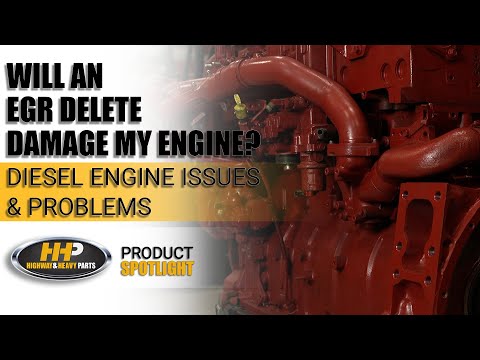
An exhaust gas recirculation (EGR) system is a common emission control device found in many diesel engines. It is designed to reduce the amount of nitrogen oxide (NOx) emissions produced by the engine by recirculating a portion of the exhaust gas back into the combustion chamber. While an EGR system can help improve a diesel engine’s fuel efficiency and reduce its emissions, some truck owners may wonder if deleting the EGR system from their engine could cause damage.
To answer this question, it is important to first understand how the EGR system works and why it is necessary. When fuel is burned in a diesel engine, the combustion process produces NOx emissions. These emissions are harmful to the environment and contribute to air pollution. The EGR system helps to reduce the amount of NOx emissions by introducing a portion of the exhaust gas back into the combustion chamber. This helps to lower the temperature of the combustion process, which in turn reduces the formation of NOx.

What happens if the EGR is deleted?
So, what happens if you delete the EGR system from your diesel engine? Without an EGR system, the engine will no longer be able to recirculate exhaust gas back into the combustion chamber. This means that the temperature of the combustion process will be higher, which can lead to an increase in NOx emissions.
While deleting the EGR system may not cause immediate damage to your diesel engine, it can have negative long-term effects. Without the EGR system, the engine will be running at a higher temperature, which can lead to increased wear and tear on the engine’s components. This can ultimately result in reduced engine life and performance.
In addition to the potential for engine damage, deleting the EGR system may also result in other issues. For example, some vehicles may experience reduced fuel efficiency without the EGR system, as the engine may not be able to run as efficiently without the recirculated exhaust gas. Additionally, removing the EGR system may cause the vehicle to fail emissions tests, as the increased NOx emissions may exceed legal limits.
Why You Should NOT Delete Your EGR System:
- The engine may produce higher levels of NOx emissions, which can be harmful to the environment and contribute to air pollution.
- The engine may experience increased wear and tear on its components, leading to reduced engine life and performance.
- The vehicle may experience reduced fuel efficiency due to the lack of exhaust gas recirculation.
- The vehicle may fail emissions tests due to the increased NOx emissions.
- Removing the EGR system may be illegal in some areas, as it is an emission control device that is required by law to be present in many diesel engines.
Calibrating Your EGR System After Deleting is IMPORTANT!
Calibrations aren’t something we deal with here at HHP because they’re in violation of federal EPA laws. If someone still chooses to go ahead and delete, it’s important that the calibrations are done correctly, cylinder pressures and temperatures are in range, and the timing is addressed.
Nowadays there are so many calibrations on the internet forums that might seem to work. But what could really happen is they cause even more problems for your engine in the long term. It’s like getting medication from a doctor that doesn’t really know what the medicine is, but he trusts a person he got it from. You just really don’t know what you’re using.
Calibrations have become available for people because the engines have been out longer. There’s no guarantee that they’re good calibrations though. There might be a calibration for big horsepower but it doesn’t develop that horsepower properly and you can end up with more expensive repairs.
What Problems Can Incorrect EGR Calibrations Cause?
- High Cylinder Pressure
- High Temperatures
- Cracked Cylinder Heads
- VGT Turbo Damage
It’s like having high blood pressure, and you don’t know what’s going on until it’s too late. Despite these issues, some people still choose to keep their engines deleted. If that’s the case, it’s important to go back to the basics. Timing, compression ratios, and temperatures all need to be within specifications.
It’s a risky procedure that needs to be done correctly, or your engine will be at an even higher risk for failure than ever before.
CONCLUSION
Before making a choice, it’s crucial to weigh the advantages and disadvantages of removing the EGR system from a diesel engine. While deletion might have certain advantages, it’s important to consider how it will affect the engine’s performance, fuel efficiency, and emissions compliance. Before executing an EGR delete, it is advised that you seek assistance from a mechanic or other knowledgeable professional if you are thinking about removing the EGR system from your engine.
Related Articles:
HOW A BAD DIESEL EGR COOLER CAN IMPACT YOUR VGT TURBO
WHY IS MY DIESEL ENGINE EGR VALVE FAILING?
EXHAUST GAS RECIRCULATION: DON’T DELETE YOUR DIESEL ENGINE EGR VALVE
PROBLEMS WITH EGR SYSTEMS IN DIESEL ENGINES
Relates Videos:

Short on Time? Take your Quote Online!
We get it- when you need Diesel Engine Parts, time is of the essence. That’s why we’ve developed the HHP Online Quoting System.
FAQs for Diesel Engine EGR Deletes
1. What is an EGR system, and what does it do?
An Exhaust Gas Recirculation (EGR) system helps reduce nitrogen oxide (NOx) emissions by recirculating a portion of exhaust gases back into the engine’s intake. This lowers combustion temperatures, reducing harmful emissions and helping diesel engines meet emissions regulations.
2. Can deleting the EGR system improve engine performance?
While some believe that removing the EGR system can lead to increased power and fuel efficiency, modern diesel engines are designed to work with EGR. Deleting it can cause issues with engine calibration, emissions compliance, and potential damage to engine components.
3. What are the risks of an EGR delete?
Deleting the EGR system can lead to higher combustion temperatures, which may cause increased engine wear, turbocharger stress, and potential piston damage. Additionally, it can void warranties and make your vehicle non-compliant with emissions regulations.
4. Is it legal to delete the EGR system?
In most regions, EGR deletes are illegal due to emissions regulations. Removing or disabling the EGR system can result in fines, failed emissions tests, and restricted vehicle operation in some areas.
5. What are the best alternatives to an EGR delete?
Instead of deleting the EGR, consider regular maintenance to keep it functioning properly. Cleaning the EGR valve, using high-quality diesel fuel, and ensuring proper engine tuning can help prevent carbon buildup and performance issues without compromising emissions compliance.


