


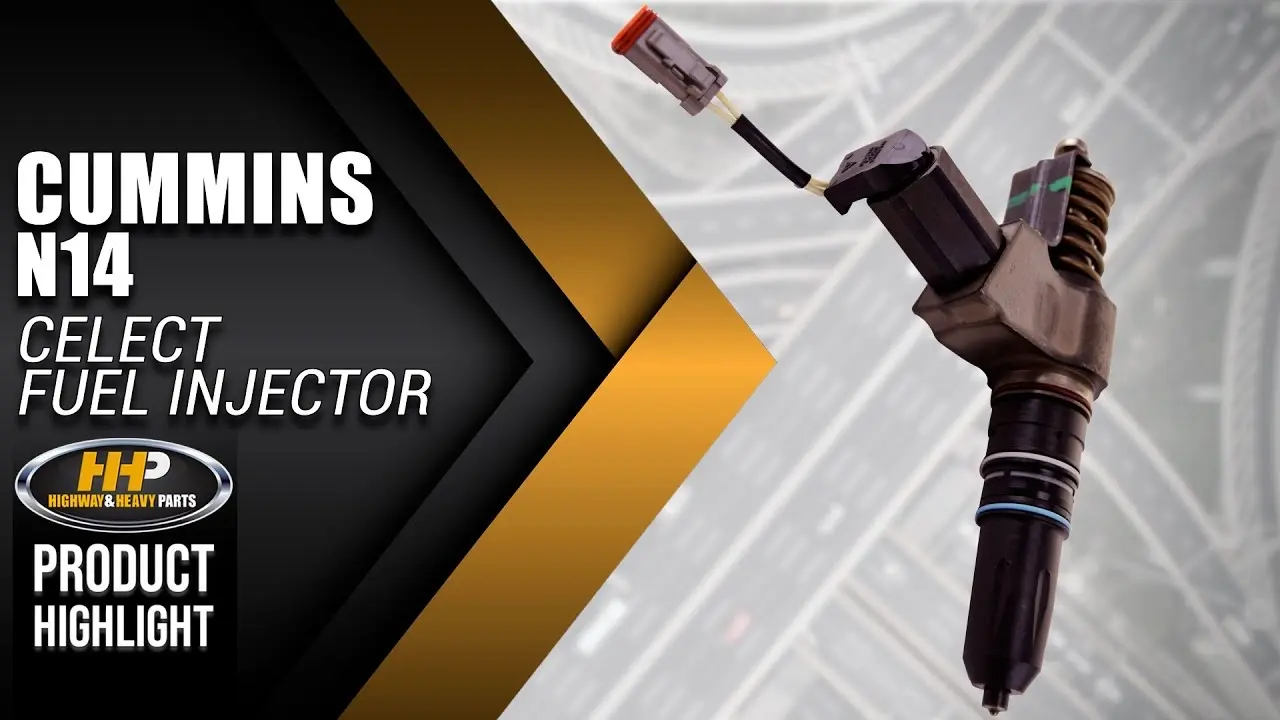
3411763 Cummins N14 Fuel Injector For Sale At HHP!




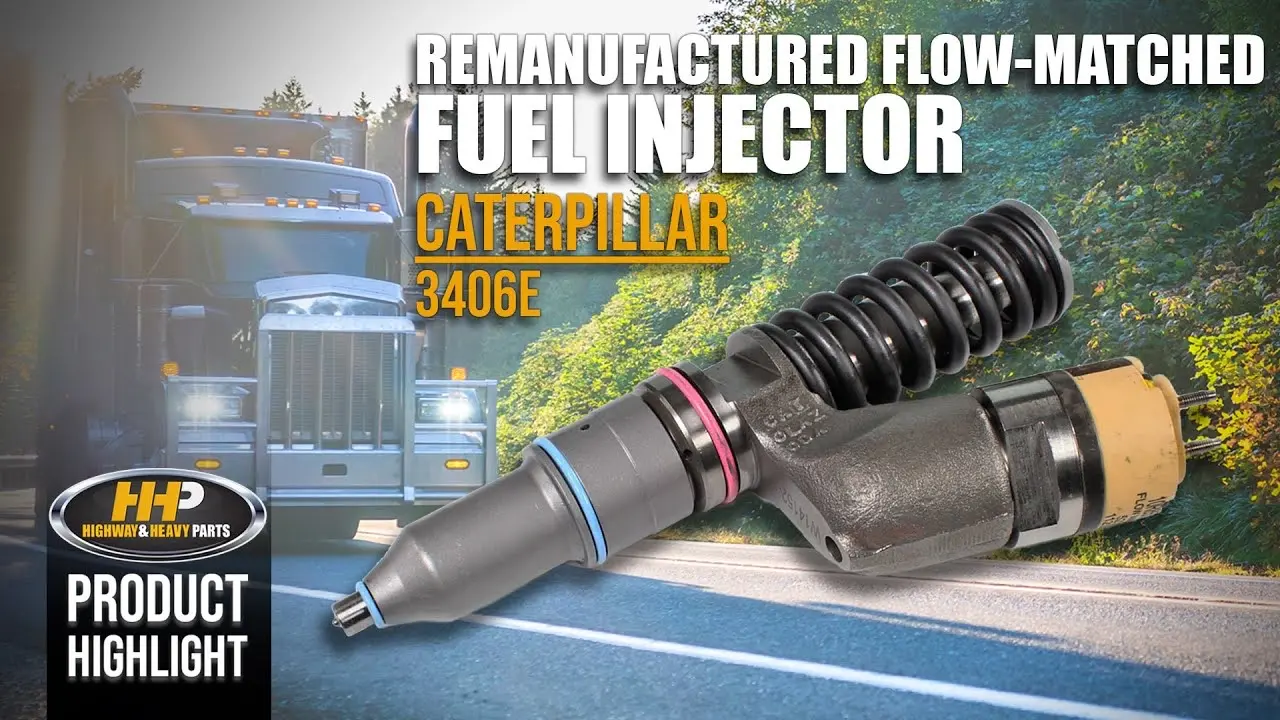

Continue reading The Flow Matched Caterpillar 3406e Fuel Injector You’ve Been Waiting For!!!
When an engine comes apart for inspection or overhaul, one question almost always comes up: Can these pistons be reused?
The answer depends on far more than whether the piston looks acceptable at first glance.
Pistons operate in one of the harshest environments inside a diesel engine. Every combustion event exposes them to extreme pressure, heat, friction, and side loading forces. Over thousands of operating hours, even small amounts of wear can eventually affect ring sealing, oil control, compression, and overall engine reliability.
Understanding what to look for during inspection can help determine whether a piston is ready for another service life or if replacement is the smarter investment.
The piston performs several critical functions inside a diesel engine.
It transfers combustion force to the connecting rod, supports the piston rings, helps control oil consumption, and maintains proper cylinder sealing throughout the combustion cycle.
When piston wear progresses beyond acceptable limits, the result can include:
Because of these risks, pistons deserve careful inspection during every rebuild.
The first step is a thorough visual inspection.
Some piston damage is immediately obvious.
Look for:
Any of these conditions may indicate the piston has experienced excessive heat, detonation, mechanical contact, or severe operating stress.
Even minor damage can sometimes distort the piston enough to create hidden problems later. Industry rebuilders often note that pistons showing impact damage can develop wrist pin bore distortion even when the visible damage appears minor.
One of the most common piston inspection findings is skirt scoring.
The piston skirt is the lower portion of the piston that helps stabilize movement inside the cylinder bore.
Scoring appears as vertical scratches, gouges, or scuff marks on the skirt surface.
Light polishing is generally normal. Deep scratches are not.
Normal Wear: Light polishing and uniform wear patterns.
Scuffing: Minor friction marks and light streaking.
Scoring: Deep scratches or gouges that may indicate metal-to-metal contact.
Severe Damage: Heavy scoring, discoloration, ring damage, or piston seizure.
Piston skirt scoring usually indicates metal-to-metal contact between the piston and cylinder wall. Common causes include:
Many technicians use these terms interchangeably, but they are not always the same thing.
Scuffing is generally the early stage of friction damage.
It often appears as light streaks or discoloration on the skirt surface.
Scoring is the advanced stage.
At this point, the scratches become deeper, more visible, and often indicate significant friction between the piston and cylinder wall.
A useful rule of thumb: If you can easily catch a fingernail in the damage, further investigation is required.
Deep scoring often means the piston, rings, and cylinder wall have all been affected.
Ring lands are among the most critical areas of the piston.
These grooves support the piston rings and help maintain proper combustion sealing.
Look for:
Worn ring lands can allow excessive ring movement and reduce sealing effectiveness. Ring groove clearance beyond normal limits often contributes to increased blow-by and loss of performance.
If the ring lands are damaged, piston replacement is usually the safest option.
Ring land condition is closely tied to overall ring sealing performance. If you’re evaluating a rebuild, understanding piston condition and bearing clearances together can help provide a more complete picture of overall engine health. Our guide on connecting rod bearings explains how oil clearance and bearing wear can impact long-term durability.
Heat is one of the biggest enemies of piston life.
A piston that has been overheated may show:
Industry piston manufacturers often use discoloration on the underside of the piston crown as an indicator of excessive operating temperature. Significant darkening may suggest the piston has experienced temperatures capable of affecting material strength.
A piston that has lost strength due to excessive heat may fail even if no cracks are currently visible.
Visual inspection is only part of the process.
Measurements are equally important.
Critical measurements include:
A piston may appear perfectly acceptable while still being out of specification.
That is why professional engine builders rely on both inspection and measurement before approving a piston for reuse.

Cylinder kits replace critical wear components, including the piston, rings, and liner assembly. Proper piston-to-wall clearance and ring sealing are essential for controlling oil consumption and preventing skirt scoring.
View Product
A damaged piston skirt, worn rings, or excessive cylinder wear can lead to blow-by, oil consumption, and loss of performance. Replacing the complete cylinder assembly helps restore compression and durability.
View Product
Cylinder kits are often required when piston skirt scoring, liner damage, excessive oil consumption, or compression loss indicate wear has progressed beyond acceptable limits.
View ProductMany pistons can successfully remain in service if:
Minor polishing and normal wear patterns are often acceptable.
The decision should always be based on inspection results, measurements, manufacturer specifications, and overall engine condition.
Replacement is usually recommended when inspection reveals:
Replacing questionable pistons during a rebuild is often far less expensive than tearing the engine apart again after a failure.
Whether you’re inspecting diesel engine pistons, evaluating cylinder liners, diagnosing oil consumption, or planning a complete engine rebuild, choosing the right replacement components is critical.
Highway and Heavy Parts helps repair shops, fleet operators, and owner-operators source quality diesel engine parts for heavy-duty applications.
Pistons are one of the hardest-working components inside a diesel engine. Over time, heat, friction, contamination, lubrication issues, and normal wear can all affect their ability to maintain proper ring seal and cylinder sealing performance.
While some wear patterns are considered normal, deep skirt scoring, damaged ring lands, excessive heat discoloration, and out-of-spec measurements should never be ignored.
A careful inspection today can help prevent a much larger failure tomorrow.
Call 844-304-7688 or visit highwayandheavyparts.com to get the right diesel engine parts for your application.
From diagnosis through delivery, we’re Highway and Heavy Parts.
Few things make truck drivers tense up faster than seeing signs for a weigh station or spotting a DOT inspector on the side of the road.
The good news is that passing a DOT inspection isn’t about luck.
It’s about preparation.
Whether you’re an owner-operator, company driver, or fleet manager, the best way to avoid violations, costly downtime, and unexpected repairs is to make inspection readiness part of your daily routine—not something you think about only after you’ve been pulled over.
In this guide, we’ll explain the different DOT inspection levels, what inspectors are looking for, and the steps you can take before every trip to improve your chances of passing with confidence.
A Department of Transportation (DOT) inspection is a roadside safety inspection performed on commercial motor vehicles operating in the United States. These inspections are conducted by certified enforcement officers following standards established by the Commercial Vehicle Safety Alliance (CVSA) and enforced under the Federal Motor Carrier Safety Administration (FMCSA).
The goal isn’t simply to issue violations or citations.
DOT inspections exist to identify unsafe vehicles, verify driver qualifications, and reduce crashes caused by mechanical failures or non-compliance.
During an inspection, officers may examine the driver, the vehicle, or both depending on the inspection level being performed.
Not every roadside inspection is the same.
Depending on the situation, inspectors may perform one of six different inspection levels.
| Inspection Level | What It Covers |
|---|---|
| Level I | Complete driver and vehicle inspection (most comprehensive) |
| Level II | Walk-around driver and vehicle inspection (no under-vehicle inspection) |
| Level III | Driver credentials, Hours of Service, and required paperwork only |
| Level IV | Special one-time inspection focusing on a specific item or trend |
| Level V | Complete vehicle inspection performed without the driver present |
| Level VI | Enhanced inspection for vehicles transporting radioactive materials |
For most commercial truck drivers, Level I is the inspection to be prepared for because it is the most detailed and the most commonly performed.
According to the Commercial Vehicle Safety Alliance’s North American Standard Inspection Procedure, a Level I inspection follows a structured 37-step process that evaluates both the driver and the vehicle in a consistent sequence—from reviewing driver credentials to inspecting brakes, steering components, suspension, lighting, cargo securement, and completing brake system tests.
Fortunately, if you perform a quality pre-trip inspection every day, very little of a Level I inspection should come as a surprise.
The easiest DOT inspection is the one you’re already prepared for.
Professional drivers don’t wait until they see flashing lights in the mirror to start thinking about compliance. They develop habits that keep both the truck and the paperwork inspection-ready every day.
That preparation starts with three simple areas:
Let’s begin with your paperwork.
One of the first things an inspector will request is your documentation.
Searching through stacks of paperwork while an officer waits isn’t the best first impression.
Instead, keep everything organized in one folder or binder that’s easy to access from the driver’s seat.
| 📄 Driver Documents | 📄 Driver Documents |
|---|---|
| ✔ CDL | ✔ Registration |
| ✔ Medical Card | ✔ Insurance |
| ✔ ELD Info | ✔ Annual Inspection |
| ✔ HOS Logs | ✔ IFTA (if required) |
Having these documents organized doesn’t guarantee you’ll pass an inspection—but it demonstrates professionalism and allows the inspection to move more efficiently.
A pre-trip inspection is your opportunity to find problems before a DOT inspector—or worse, a roadside breakdown—finds them for you.
Walk completely around your truck before every trip and inspect the components most likely to create violations or safety concerns.
Pay particular attention to:
A five-minute inspection before leaving the yard can prevent hours of downtime later.
The goal isn’t simply to pass an inspection: it’s to identify small problems before they become expensive repairs—or serious safety hazards.
Many roadside violations don’t happen because a truck suddenly became unsafe.
Instead, they’re often the result of small maintenance issues that gradually developed over time and weren’t addressed before the inspection.
The good news is that most of these issues can be identified during a thorough pre-trip inspection or routine preventive maintenance.
While the condition of your truck is the primary focus of any DOT inspection, how you conduct yourself can also influence how smoothly the inspection goes.
When you’re stopped for an inspection:
A calm, professional attitude won’t fix a mechanical problem—but it helps the inspection proceed efficiently and demonstrates that you take safety seriously.
The best way to prepare for a DOT inspection isn’t the morning before your trip.
It’s every day you own or operate the truck.
Routine maintenance, preventive repairs, and consistent pre-trip inspections dramatically reduce the likelihood of violations while also helping prevent costly roadside breakdowns.
Simple habits like replacing worn lights, repairing air leaks, monitoring tire condition, changing filters on schedule, and addressing small issues before they become major repairs all contribute to a safer, more reliable truck.
Mechanic’s Tip: Most DOT violations don’t happen because a truck failed overnight. They happen because small maintenance items were ignored until inspection day. Catching problems early is almost always easier—and less expensive—than repairing them after they’ve caused a violation or roadside breakdown.
DOT inspections are designed to improve highway safety—not catch drivers off guard.
The best way to pass an inspection is to treat every day like inspection day. Keeping your paperwork organized, performing consistent pre-trip inspections, maintaining your truck, and addressing small problems before they become major repairs will significantly improve your chances of passing any roadside inspection.
More importantly, these habits help keep you, your truck, and everyone else on the road safer.
Whether you’re an owner-operator, fleet manager, or professional diesel technician, investing a few extra minutes before every trip is far easier than dealing with costly violations, unexpected downtime, or emergency roadside repairs.
If you have questions about maintaining your diesel engine or choosing quality replacement parts, our ASE Certified Technicians are here to help.
Call 844-304-7688 or visit highwayandheavyparts.com.
From diagnosis through delivery, we’re Highway and Heavy Parts.
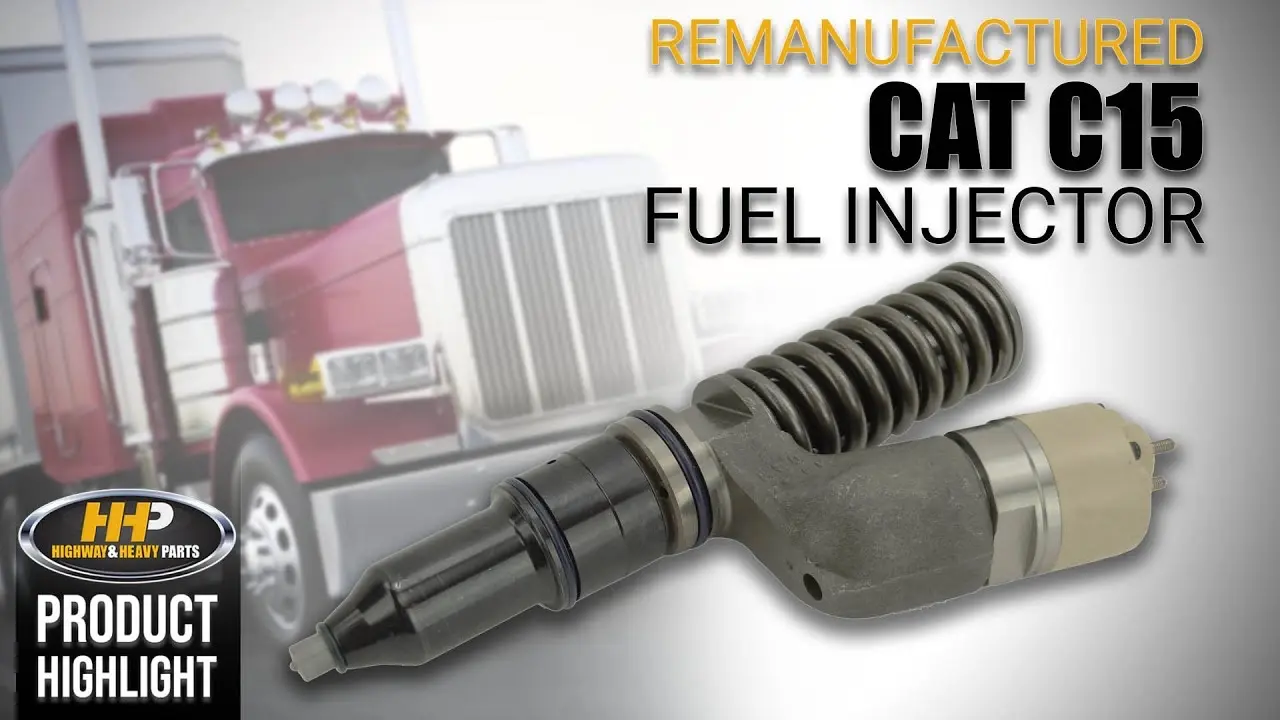

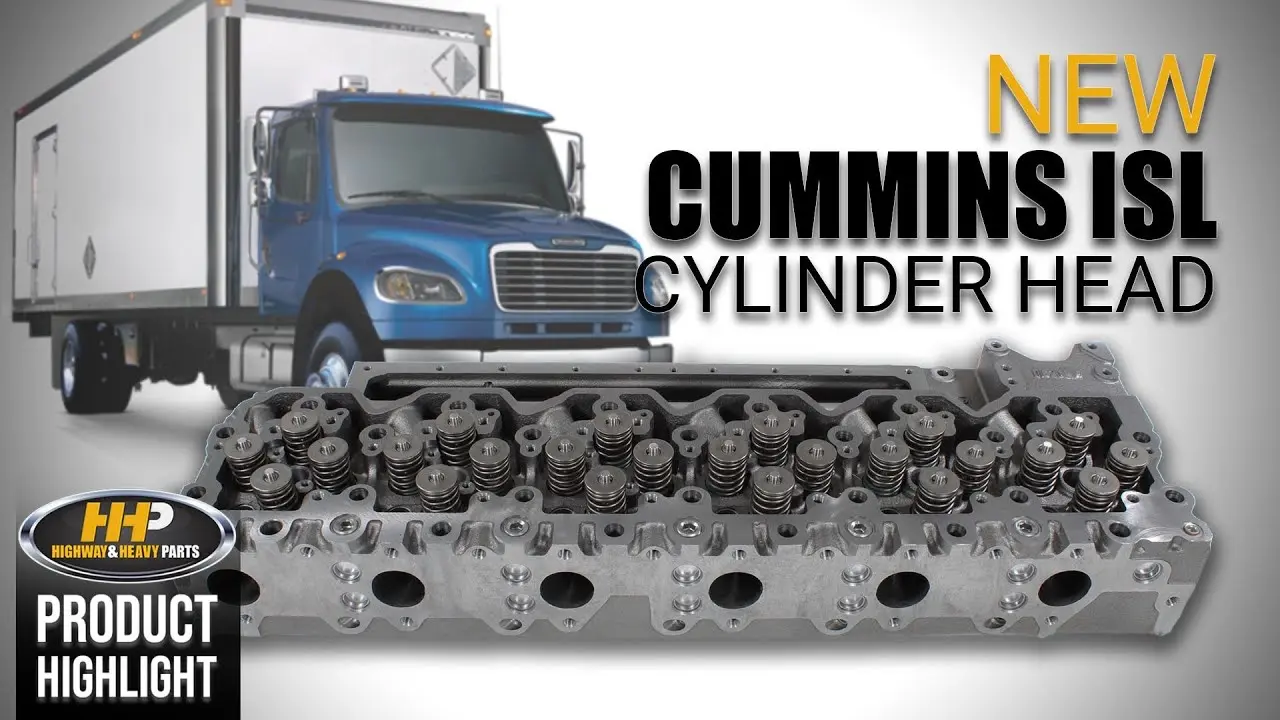
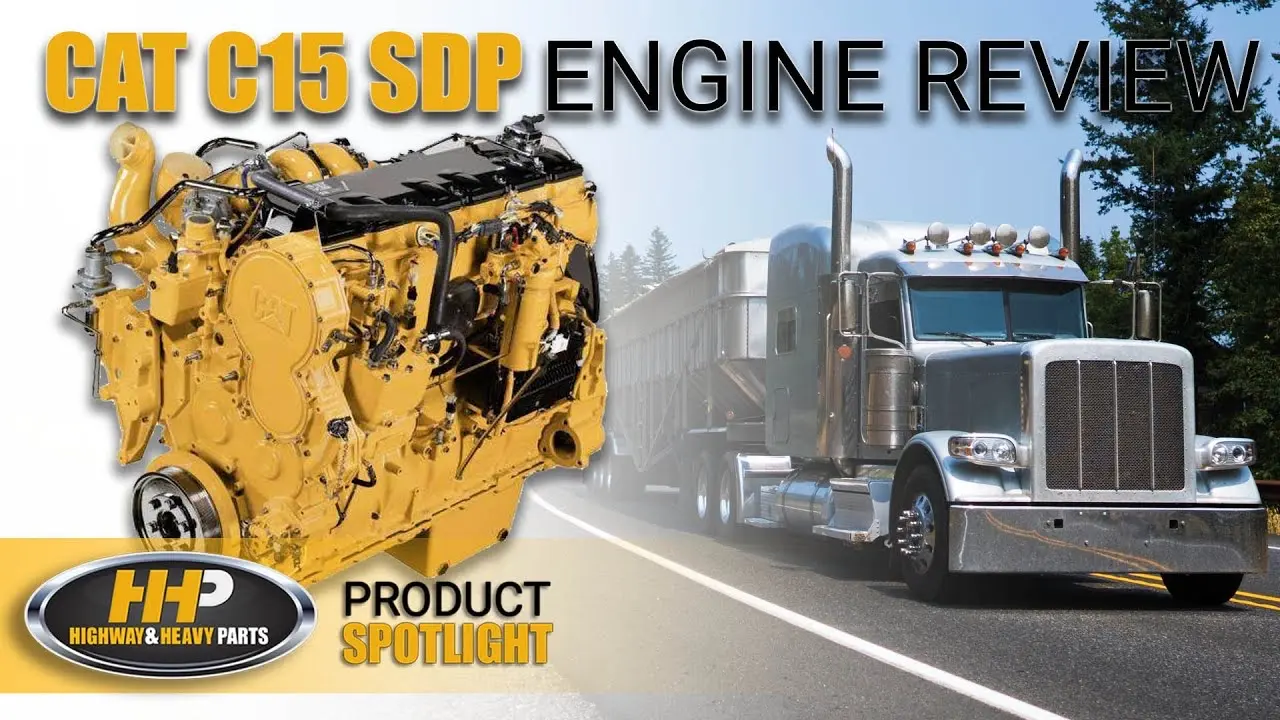


Continue reading Caterpillar Rebuild Kits, In-Frame & Overhaul Kits, C15,C15 Acert,3406E,
View self help and informational diesel engine videos in Highway and Heavy Parts extensive video library.


