Keyword Search

Posted on

Your Diesel Parts Supplier Might Be Slowing Down Your Repairs (Here’s How)

When a diesel repair takes longer than it should, most people assume it’s the part.

Backorder. Shipping delay. Wrong item.

But in a lot of cases, that’s not where the problem starts.

👉 The delay starts with the process behind getting the part. And that’s what slows everything down.

Continue reading Your Diesel Parts Supplier Might Be Slowing Down Your Repairs (Here’s How)
Posted on

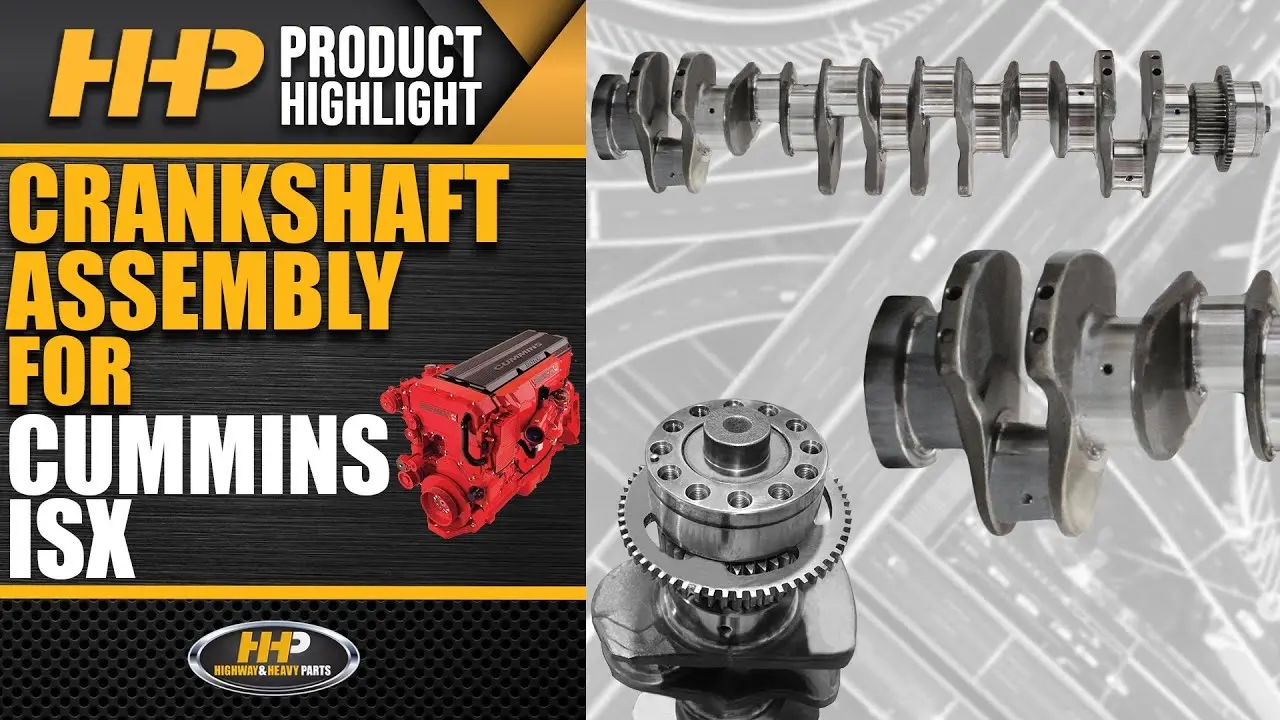
Diagnosing a Bad Cummins ISX Crankshaft: Symptoms and Replacement

The crankshaft is essentially the backbone of your truck’s engine. It keeps the engine moving and is vital to the overall health of your rig. When this critical component begins to fail in a Cummins ISX, it can quickly lead to severe mechanical damage and costly downtime. Recognizing the early warning signs of a worn or damaged crankshaft is essential to minimizing negative impacts to your revenue and keeping your truck out of the service bay.

Continue reading Diagnosing a Bad Cummins ISX Crankshaft: Symptoms and Replacement
Posted on

Cummins N14 Fuel Injectors: How They Fail, What It Affects, and When to Replace Them

On a Cummins N14, fuel injectors are one of the most critical components controlling engine performance.

They don’t just deliver fuel – they control timing, atomization, and combustion efficiency.

And when they start to fail, the issue doesn’t stay isolated to one cylinder. It begins to affect engine balance, temperature, and long-term durability.

Continue reading Cummins N14 Fuel Injectors: How They Fail, What It Affects, and When to Replace Them
Posted on

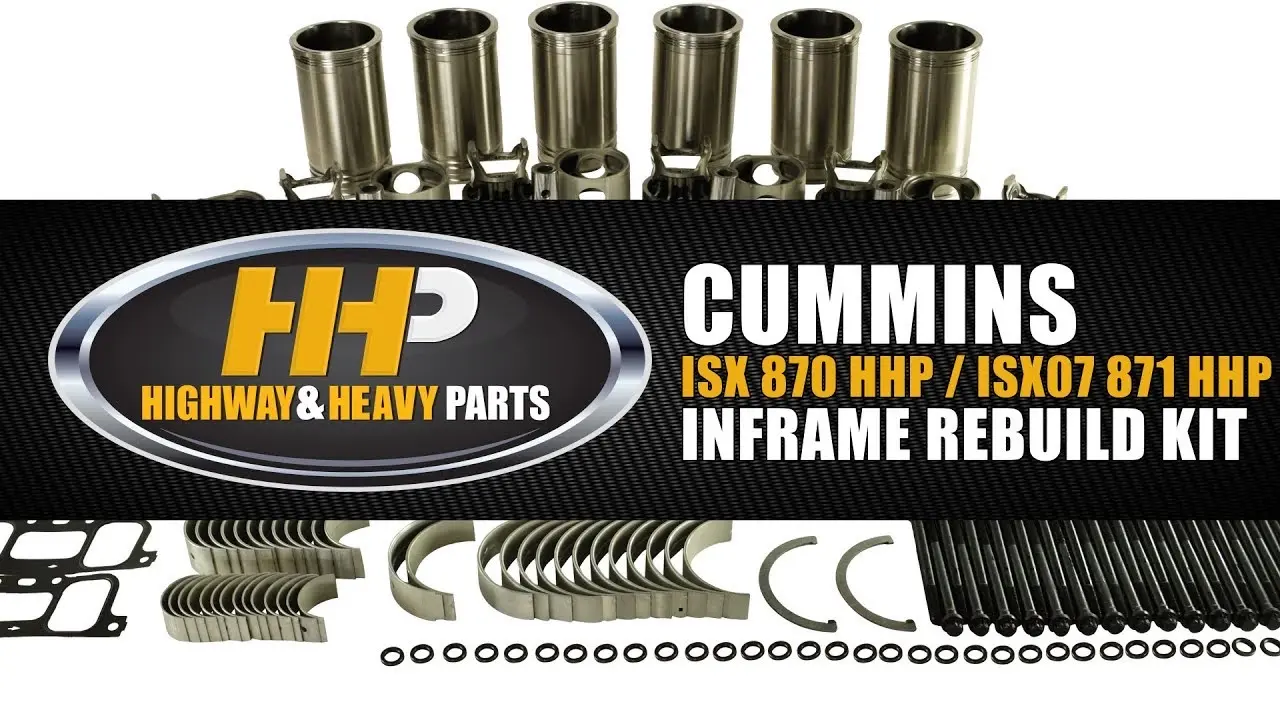
Cummins ISX 870 Inframe Rebuild Problems: Why Engines Fail After a Rebuild

An inframe rebuild on a Cummins ISX 870 or ISX 871 is supposed to bring your engine back to life.

But for a lot of operators, that’s not what happens.

Instead, they run into problems almost immediately:

  • Oil Consumption
  • Blow-By
  • Low Power
  • Poor Fuel Economy

The issue usually isn’t the rebuild itself.

It’s what happens during – and right after – the rebuild.

Continue reading Cummins ISX 870 Inframe Rebuild Problems: Why Engines Fail After a Rebuild
Posted on

Cummins ISB 6.7L Fuel Injectors: What Actually Fails Inside a Common Rail Injector

Fuel injectors in a Cummins ISB 6.7L common rail system don’t just deliver fuel.

They control timing, pressure, atomization, and combustion efficiency – all within milliseconds.

When an injector begins to fail, it’s not always obvious at first.

But internally, the failure has already started.

Continue reading Cummins ISB 6.7L Fuel Injectors: What Actually Fails Inside a Common Rail Injector
Posted on

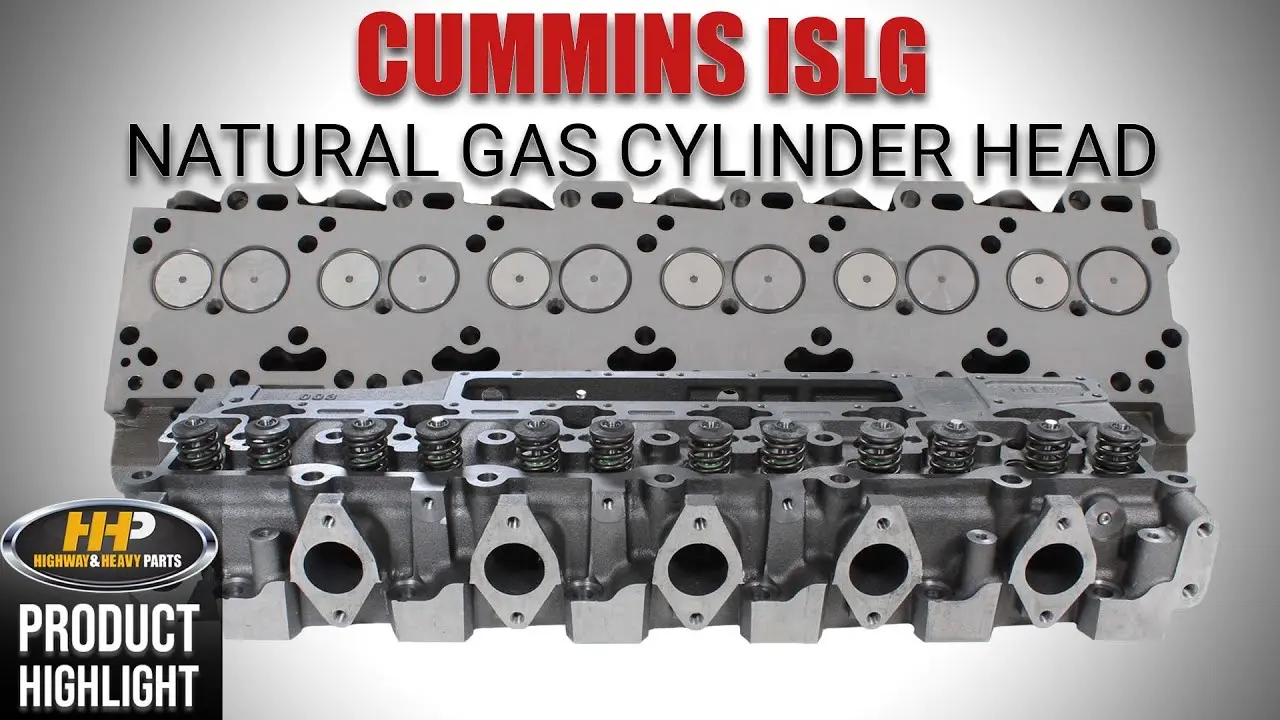
Cummins ISL G Cylinder Head Failures: Why Valve Seats Drop and How to Prevent It

The Cummins ISL G natural gas engine is built for a different type of combustion.

And that difference is exactly why the cylinder head fails the way it does.

Unlike diesel engines, ISL G failures are not typically caused by pressure.

They are caused by heat, material fatigue, and valve seat wear.

Continue reading Cummins ISL G Cylinder Head Failures: Why Valve Seats Drop and How to Prevent It
Posted on

Cummins ISX In-Frame Rebuild Failure: Why Your New Liners Aren’t Sealing (And How to Fix It)

You finished the in-frame. New liners, pistons, rings – everything looks right.

But now you’re seeing:

  • Blow-By
  • Oil Consumption
  • Low Compression
  • Or Worse… It’s Smoking Under Load

This isn’t uncommon on Cummins ISX engines – and it usually comes down to one issue:

Improper liner protrusion and ring seating during install.

If you don’t get this right, your rebuild won’t last – no matter how good your parts are.

Continue reading Cummins ISX In-Frame Rebuild Failure: Why Your New Liners Aren’t Sealing (And How to Fix It)
Posted on

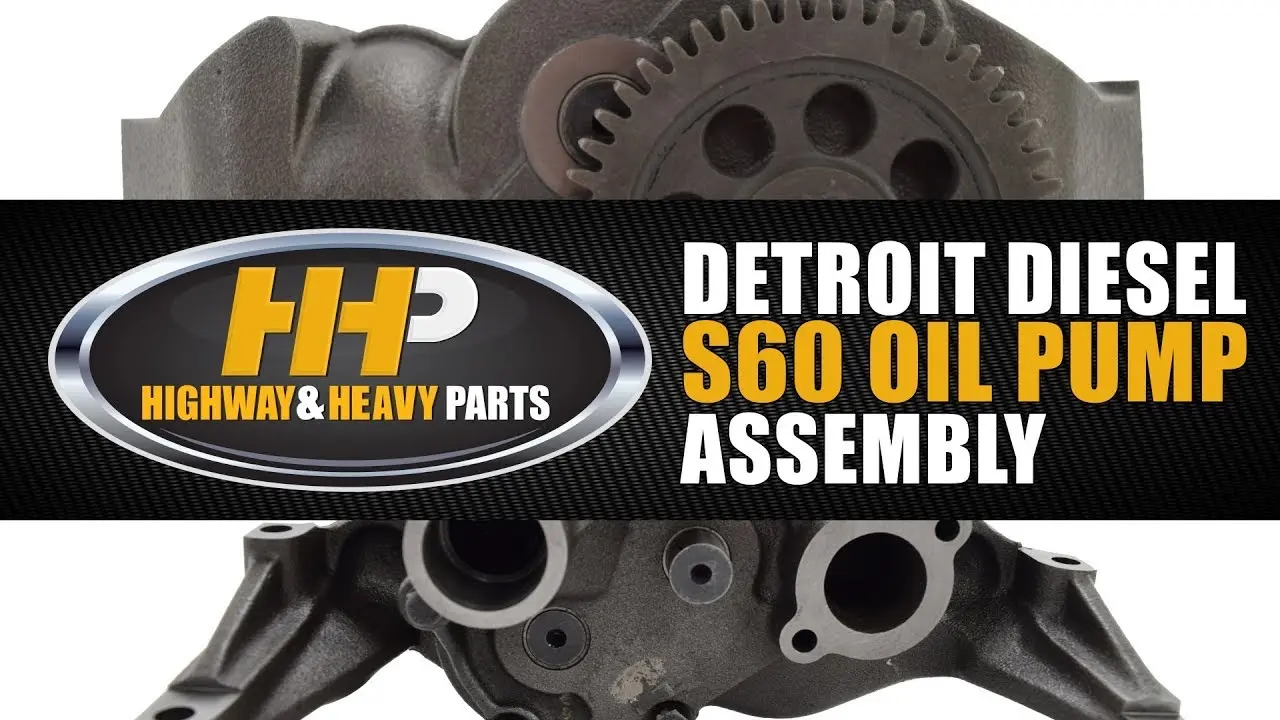
Detroit Diesel Series 60 Oil Pump Failure: Causes, Oil Pressure Loss, and When to Replace

The oil pump in your Detroit Diesel Series 60 isn’t just another component – it’s the heart of your lubrication system. When it starts to fail, the damage doesn’t stay isolated. It spreads fast.

Low oil pressure, bearing wear, and even full engine failure can all trace back to one root issue: inconsistent oil delivery.

If you’re working on a Series 60, understanding how the oil pump fails – and how to catch it early – can be the difference between a simple repair and a full rebuild.

Continue reading Detroit Diesel Series 60 Oil Pump Failure: Causes, Oil Pressure Loss, and When to Replace
Posted on

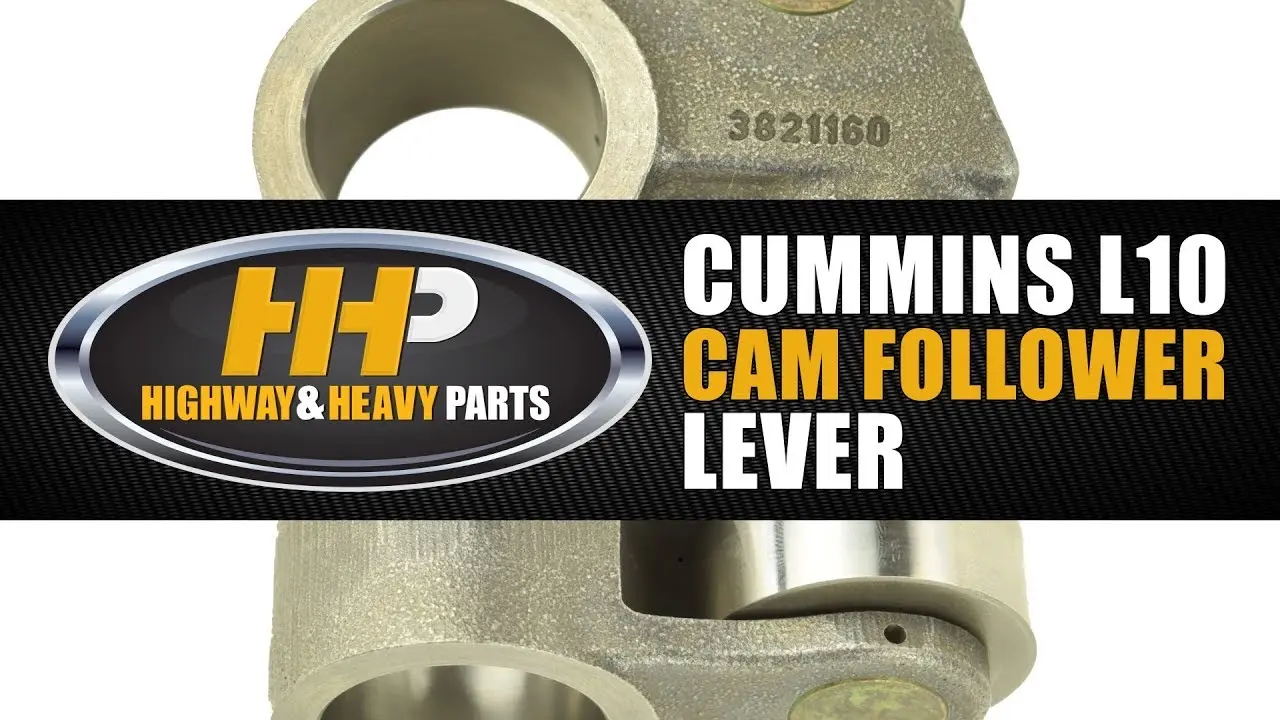
Cummins L10 Cam Follower Failure: How Cam Lever Rollers Control Valve Train Geometry

The cam follower in a Cummins L10 is a small component with a very large job.

It directly transfers motion from the camshaft to the valve train.

And when it fails, it doesn’t just affect performance – it can lead to catastrophic engine damage.

What the Cam Lever Follower Actually Does

In the Cummins L10 valve train, the camshaft does not directly actuate the valves.

Instead, motion is transferred through a cam follower (cam lever with roller).

This component:

  • Converts Rotational Camshaft Motion Into Linear Movement
  • Maintains Correct Valve Timing And Lift
  • Reduces Friction Through A Roller Contact Surface

The roller rides directly on the cam lobe, making this a high-load, high-contact stress interface.


Why Roller Followers Are Used Instead of Flat Tappets

The Cummins L10 uses a roller-style follower to reduce friction and wear.

Compared to flat tappets, roller followers:

  • Reduce Sliding Friction At The Cam Lobe Interface
  • Lower Heat Generation
  • Improve Camshaft Longevity
  • Maintain More Consistent Valve Timing Over Time

However, this design introduces a different failure risk — roller bearing failure.


Contact Stress and Load Distribution at the Cam Lobe

The cam-to-roller interface experiences extreme contact pressure.

This is a classic Hertzian contact stress scenario, where:

  • Load Is Concentrated Over A Small Contact Area
  • Surface Hardness And Lubrication Are Critical
  • Any Imperfection Leads To Accelerated Wear

Under normal conditions, a hydrodynamic oil film separates the surfaces.

But when lubrication is compromised, metal-to-metal contact occurs.


How Cam Followers Fail

Cam follower failures typically start small but escalate quickly.

Common failure modes include:

  • Roller Bearing Wear Or Seizure
  • Flat Spots On The Roller Surface
  • Spalling Or Pitting Of The Roller
  • Misalignment Of The Follower

Once the roller stops rotating:

  • Sliding Friction Replaces Rolling Contact
  • Heat Increases Rapidly
  • Cam Lobe Wear Accelerates

What Happens When the Roller Stops Turning

This is where failure becomes severe.

A seized roller creates:

  • Direct Sliding Contact Against The Cam Lobe
  • Rapid Material Removal From The Camshaft
  • Loss Of Proper Valve Lift Profile

This leads to:

  • Incorrect Valve Timing
  • Reduced Airflow And Combustion Efficiency
  • Increased Stress On Other Valve Train Components

Eventually, this can damage:

  • Camshaft Lobes
  • Pushrods
  • Rocker Arms

Lubrication: The Critical Failure Variable

The cam follower depends entirely on proper lubrication.

Oil must:

  • Reach The Roller Bearing
  • Maintain A Film Between Cam And Roller
  • Remove Heat From The Contact Area

Failure causes related to lubrication include:

  • Low Oil Pressure
  • Contaminated Oil (Debris Or Soot)
  • Oil Starvation During Startup

Without lubrication, failure accelerates rapidly.


Secondary Damage from Cam Follower Failure

A failing cam follower rarely fails alone.

It creates a chain reaction:

  • Camshaft Lobe Wear Alters Valve Timing
  • Metal Debris Circulates Through The Engine
  • Additional Components Experience Accelerated Wear

In severe cases, this can lead to:

  • Complete Valve Train Failure
  • Engine Tear-Down Requirements

Signs of a Failing Cam Follower

Early detection can prevent major damage.

Watch for:

  • Unusual Valve Train Noise (Ticking Or Knocking)
  • Loss Of Engine Performance
  • Metal Particles In Oil Analysis
  • Irregular Valve Operation

These symptoms often appear before catastrophic failure.


Why Inspection During Rebuild Is Critical

Cam followers should always be inspected during an overhaul.

Key checks include:

  • Roller Rotation Smoothness
  • Surface Condition Of The Roller
  • Bearing Integrity
  • Alignment And Wear Patterns

Reusing worn components increases the risk of immediate failure.


When to Replace Cam Followers

Replacement is recommended when:

  • Roller Wear Or Pitting Is Visible
  • Bearing Play Exists
  • The Roller Does Not Rotate Freely
  • Camshaft Wear Is Present

It is often best practice to replace followers when replacing the camshaft.


Shop Cummins L10 Cam Followers

If you’re rebuilding your engine or diagnosing valve train issues, cam followers should not be overlooked.

👉 Shop Cummins L10 Products

At Highway and Heavy Parts:

  • Verified Fitment Before Shipping
  • High-Quality Components Built For Heavy-Duty Applications
  • Fast Shipping (1–2 Days In Most Areas)
  • Expert Diesel Support
  • Parts And Labor Warranty

Small Component, Major Consequences

The cam follower may seem minor.

But it directly affects:

  • Valve Timing
  • Engine Efficiency
  • Component Longevity

Ignoring it can lead to major repairs.


Protect Your Valve Train System

Proper function depends on correct operation across all components.

👉 Maintain Proper Oil Quality And Pressure
👉 Inspect Valve Train Components During Service
👉 Replace Worn Components Before Failure Occurs

Call 844-304-7688 to speak with a diesel parts specialist
or visit highwayandheavyparts.com to find the right rebuild kit for your engine.

From diagnosis to delivery, Highway and Heavy Parts has your back.

Cummins L10 Cam Followers For Sale From Highway and Heavy Parts!

Continue reading Cummins L10 Cam Follower Failure: How Cam Lever Rollers Control Valve Train Geometry

Posted on

Detroit Diesel Series 60 14L Turbocharger: Symptoms, Failure Causes, and When to Replace

The turbocharger on a Detroit Diesel Series 60 14L engine does more than add power.

It controls airflow, and airflow controls combustion.

When the turbo isn’t performing correctly, the entire engine starts to fall out of balance.

Continue reading Detroit Diesel Series 60 14L Turbocharger: Symptoms, Failure Causes, and When to Replace
Posted on

Cummins ISX15 Camshaft and Crankshaft Misalignment Code 0731 After Overhaul

If you’re working on a Cummins ISX15 and run into fault code 0731 (camshaft and crankshaft misalignment) after an overhaul, it can be frustrating.

Especially when:

  • The engine runs smooth
  • Timing appears correct
  • The crank pins correctly
  • The cam wedges properly
  • Sensors and tone wheel check out

👉 Yet the code is still active.

Continue reading Cummins ISX15 Camshaft and Crankshaft Misalignment Code 0731 After Overhaul
Posted on

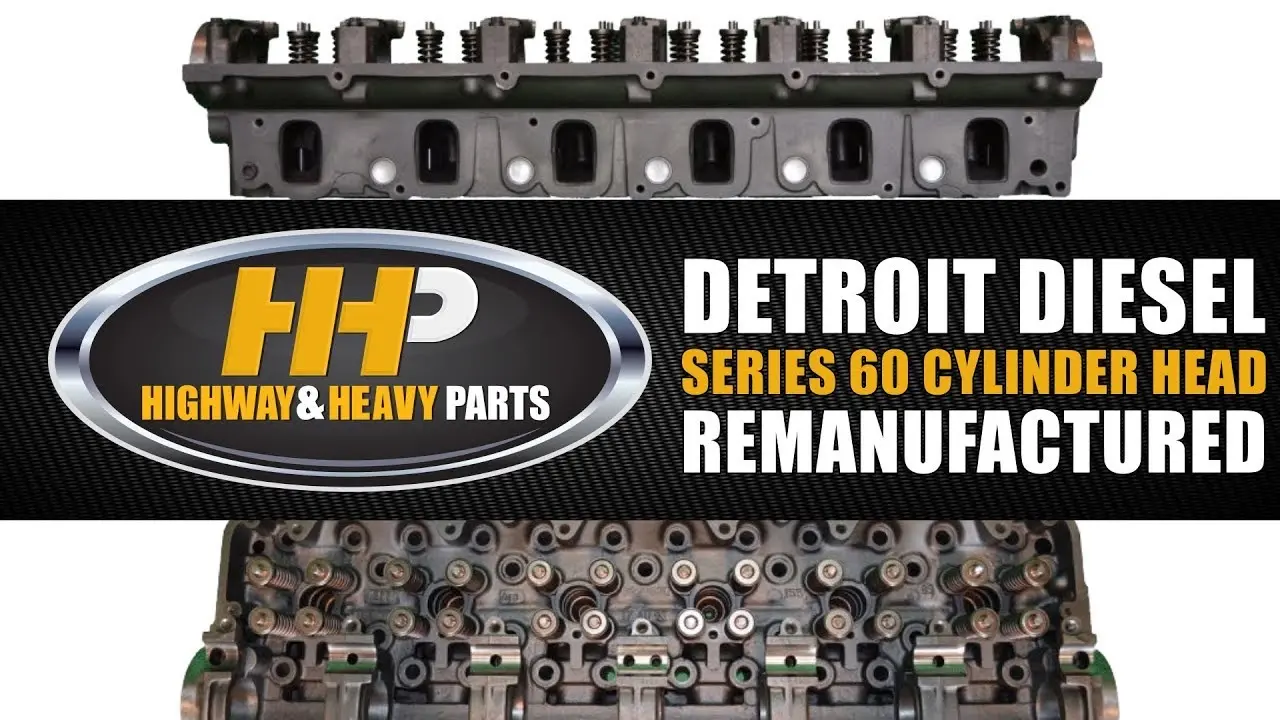
Detroit Diesel Series 60 Dropped Valve Seat: The Cylinder Head Failure That Destroys Engines

Most catastrophic Detroit Diesel Series 60 failures don’t start with a bang – they start with something small.

A slight misfire. A little loss of power. Maybe some unusual noise. Then suddenly… the engine is done.

One of the most common causes?

A dropped valve seat inside the cylinder head.

If you’re running a Series 60, this is one failure you need to understand – because once it happens, you’re no longer talking about a simple repair.

What Is a Dropped Valve Seat?

Inside your cylinder head, valve seats are precision-machined inserts that allow the intake and exhaust valves to seal properly against the head.

Over time, due to:

  • Extreme Heat Cycles
  • Material Fatigue
  • Improper Cooling
  • High Exhaust Temperatures

…the press fit between the seat and the head weakens.

Eventually, the seat can loosen and fall out of position – this is what’s known as a dropped valve seat.


Why This Failure Is So Destructive

When a valve seat drops, it doesn’t just sit there.

It gets caught between the valve and piston. That leads to:

  • Bent Or Broken Valves
  • Severe Piston Damage
  • Cylinder Wall Scoring
  • Potential Turbocharger Damage From Debris

In many cases, a dropped valve seat turns a top-end repair into a full engine rebuild.


Early Warning Signs Most People Miss

The problem with this failure is that it often gives subtle warnings before becoming catastrophic.

Watch For These Symptoms:

  • Light Ticking Or Tapping From The Valve Train
  • Intermittent Misfire Under Load
  • Loss Of Compression In A Single Cylinder
  • Unexplained Power Loss
  • Increased Exhaust Temperature On One Cylinder

By the time the noise becomes loud or constant, damage is usually already happening.


Why Series 60 Engines Are Prone to This Issue

Detroit Diesel Series 60 engines are especially vulnerable to this type of failure when overheating occurs.

When cylinder head temperatures get too high, the powdered metal intake valve seats can lose their press fit and fall out of place. Once that happens, the damage escalates quickly.

In most cases, this doesn’t just stop at the cylinder head. When a valve seat drops:

  • It gets forced into the combustion chamber
  • The piston makes contact with the loose seat
  • Internal damage spreads across the cylinder

That’s why overheating-related valve seat failure often leads to more than just a head repair – it typically requires piston replacement and a deeper inspection of the rotating assembly.


Why Replacing Individual Components Isn’t Enough

Once a valve seat has moved or failed, the integrity of the entire cylinder head is compromised.

Even if you:

  • Replace the valve
  • Reinstall or machine the seat
  • Clean up the area

…you’re still dealing with a head that has already experienced material distortion and stress. That’s why these repairs often fail again.


Why a Reman Cylinder Head Is the Safer Solution

A properly remanufactured Series 60 cylinder head addresses the root of the problem—not just the symptom.

Key Benefits:

  • New Or Reconditioned Valve Seats Installed To Proper Specifications
  • Pressure Tested To Eliminate Cracks
  • Machined Surfaces For Proper Sealing
  • Restored Valve Train Geometry
  • Built To Handle Thermal And Mechanical Stress

Instead of patching a failure, you’re restoring the entire top end of the engine.


Don’t Wait Until It Drops

If you’re seeing early signs of valve train issues or unexplained performance loss, this is not something to ignore.

Unfortunately, a dropped valve seat doesn’t give you a second chance.

It goes from minor symptoms to major engine damage fast.


Get the Right Series 60 Cylinder Head

If you’re dealing with valve seat concerns or planning a repair, make sure you’re installing a cylinder head you can trust.

👉 Detroit Diesel Series 60 11.1L Cylinder Heads & Components

👉 Detroit Diesel Series 60 12.7L Cylinder Heads & Components

👉 Detroit Diesel Series 60 14L Cylinder Heads & Components

Call 844-304-7688 to speak with a diesel parts specialist
or visit highwayandheavyparts.com to find the right rebuild kit for your engine.

From diagnosis through delivery, we’re Highway and Heavy Parts.