Posted on

International/Navistar DT466E Diesel Engine: Engine Spotlight

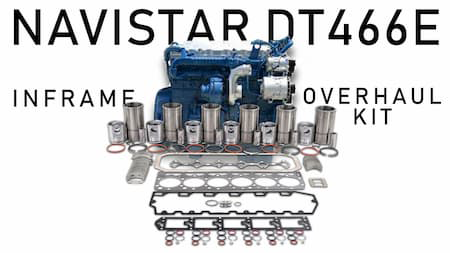
navistar diesel engine rebuild kit international dt466e inframe overhaul

The International/Navistar DT466E diesel engine is a 7.6-liter, inline-six, turbocharged diesel engine. It’s well-known for its durable applications in medium- and heavy-duty equipment, such as trucks and buses. It was produced between 1996 and 2003, based on the DT466 design. The E added to the end of the model number indicates that it has an electronic control system, which makes it more efficient than the previous mechanical version.

Key features of this engine include a horsepower range between 195 and 300 and torque up to 860 pound-feet. It also boasts a wet-sleeve design for easier overhauls. It’s considered one of the most durable International/Navister diesel engines.

Highlights of the DT466E International Diesel Engines

The DT466E engine was built for heavy-duty applications, using durable components like a deep-skirt gray-iron block and a forged-steel crankshaft. As mentioned above, the wet-sleeve design makes it easy to overhaul the engine in-frame, which is popular among mechanics. The DT466E was used in a wide variety of vehicles, including dump trucks, fire trucks, school buses, and construction equipment.

Both the original DT466 engine and the E version have a legendary reputation for reliability and can last for hundreds of thousands of miles with good maintenance. They’ve even been known to get up to a million miles with regular maintenance.

Reasons For Durability: Robust Cylinder Heads

Aside from the common International engine issues that came after the rebrand to MaxxForce, the DT466 engines were known for their durability, and a lot of that was due to notably robust cylinder heads. To start, the weight and material of the heads were important. They were crafted from cast iron and weighed about 250 pounds. The two-valve version was made at a U.S. Foundry, while the four-valve versions were made in Brazil.

The advanced design features of the heads included integrated ductile-iron rocker arms for toughness and hardened valve seats for longevity in extreme conditions. The heads were also installed securely with a six-bolt per cylinder design. This ensured a firm and secure fit.

Reasons For Durability: Wet Sleeve Cylinder Liners

The wet sleeve cylinder liners set the DT466 engines apart thanks to heavy-duty durability and convenient serviceability, something usually only found on bigger engines. The liners were known for their high chrome content for strength and consistent performance. The external side of the sleeves was exposed to engine coolant, allowing for efficient heat transfer.

The liners also contributed to easier maintenance. Each bore had its own sleeve, making cylinder repairs and rebuilds much quicker. In-field repairs were possible with this engine thanks to the cylinder sleeve design.

MaxxForce Family Rebrand

The MaxxForce family of engines was originally a rebrand by International/Navistar, but it was later discontinued in favor of new engine platforms. The MaxxForce 13 featured a light and compact design for a big engine, but it has a number of reliability issues. The EGR and DPF systems were the top culprits for poor reliability, often causing premature engine failure. The dual-stage EGR system was well-known for overheating. International/Navistar issued numerous recalls and recalibrations for this engine before eventually discontinuing it.

DT466 Engines vs. MaxxForce

MaxxForce was essentially a rebrand of the DT466 engines, also called MaxxForce DT. These engines incorporated complex emissions systems and electronic controls that ultimately made them less reliable. The MaxxForce engines have advanced emissions control, like SCR and DEF in the MaxxForce 13. The DT models included EGR systems and became known for having issues.

The mechanical DT engines were more reliable without any modern emissions systems. Some of the electronic versions were generally good, but still often experienced electrical issues. The MaxxForce DT mainly had emissions-related issues.

Evolution of the International/Navistar Diesel Engines

The DT engines made before 1994 were simple and reliable, with mechanical functions and no modern emissions systems. The DT466E introduced electronic controls, but it remained largely reliable, albeit with some issues. The MaxxForce DT was the next evolution of the DT466, but it featured modern emissions controls and is largely seen as less reliable by owners.

Common MaxxForce DT Problems

The main problems with the MaxxForce DT engines, and MaxxForce engines in general, are related to the EGR system. EGR failure leads to issues like coolant leaking into the oil and overheating. Other major issues include clogged DPF, turbocharger failures, and cracks in the intake manifold. These are significant and fairly common issues that lead to poor performance and expensive repairs.

The EGR cooler is prone to stress fractures, which allow coolant to leak into the exhaust or the engine oil. This often causes overheating and engine damage. When coolant enters the exhaust system, the main symptom is usually white exhaust smoke. A more severe symptom is excessive engine heat, leading to overheating.

International/Navistar Diesel Engine Parts at Highway and Heavy Parts

Whether you need International/Navistar diesel engine fuel injectors, turbochargers, or engine rebuild kits, we have you covered at Highway and Heavy Parts. We don’t just sell parts; we also deliver honest pricing, expert support, fast shipping, and quality parts that exceed expectations. We know that time is money and downtime is expensive; that is why you can rely on us from expert diagnosis to quick delivery.

International/Navistar DT466E Diesel Engine FAQs

1. What is the International/Navistar DT466E diesel engine?

The International/Navistar DT466E is a 7.6-liter, inline-six, turbocharged diesel engine produced between 1996 and 2003. The “E” designation indicates it features an electronic control system, making it more efficient than its mechanical predecessor, the DT466. This engine delivers between 195 and 300 horsepower with torque up to 860 pound-feet, and it’s widely used in medium- and heavy-duty applications, including dump trucks, fire trucks, school buses, and construction equipment.

2. Why are DT466E engines known for their durability?

DT466E engines are renowned for their exceptional durability due to several key design features. They utilize heavy-duty components like a deep-skirt gray-iron block and forged-steel crankshaft. The cylinder heads are made from robust cast iron, weighing about 250 pounds, featuring integrated ductile-iron rocker arms and hardened valve seats. Additionally, the wet-sleeve cylinder liner design allows for efficient heat transfer and easier in-frame overhauls. With proper maintenance, these engines can last hundreds of thousands of miles, with some reaching up to a million miles.

3. What is the difference between the DT466, DT466E, and MaxxForce engines?

The DT466 (1973-1992) was the original mechanical version known for durability and simple design. The DT466E (1996-2003) added electronic controls while maintaining reliability. The MaxxForce DT was a later rebrand of the DT466 that incorporated complex emissions systems, including EGR (exhaust gas recirculation) and DPF (diesel particulate filter), which unfortunately led to decreased reliability. The MaxxForce 13 is a separate, larger 13-liter engine with advanced emissions controls that experienced significant reliability issues, particularly with its dual-stage EGR system.

4. What are the most common problems with MaxxForce DT engines?

The primary issues with MaxxForce DT engines stem from their emissions control systems, particularly failures in the EGR system. Common problems include EGR cooler stress fractures, which can cause coolant to leak into the exhaust or engine oil, resulting in white exhaust smoke and overheating. Other frequent issues include clogged diesel particulate filters (DPF), turbocharger failures, and intake manifold cracks. These emissions-related problems often result in poor performance, engine damage, and expensive repairs, which is why MaxxForce engines are generally considered less reliable than their mechanical DT predecessors.

5. What makes the wet sleeve design of the DT466E advantageous for maintenance?

The wet sleeve cylinder liner design of the DT466E offers significant maintenance advantages typically found only in larger engines. Each cylinder bore has its own individual sleeve with high chrome content for strength and durability. The external side of these sleeves is exposed to engine coolant, providing efficient heat transfer and cooling. This design makes cylinder repairs and engine rebuilds much quicker and more cost-effective, as individual sleeves can be replaced without extensive engine disassembly. The wet sleeve design enables in-field repairs, making the DT466E particularly popular among mechanics and fleet operators.
Posted on

Detroit Diesel Series 60 Engine Highlight

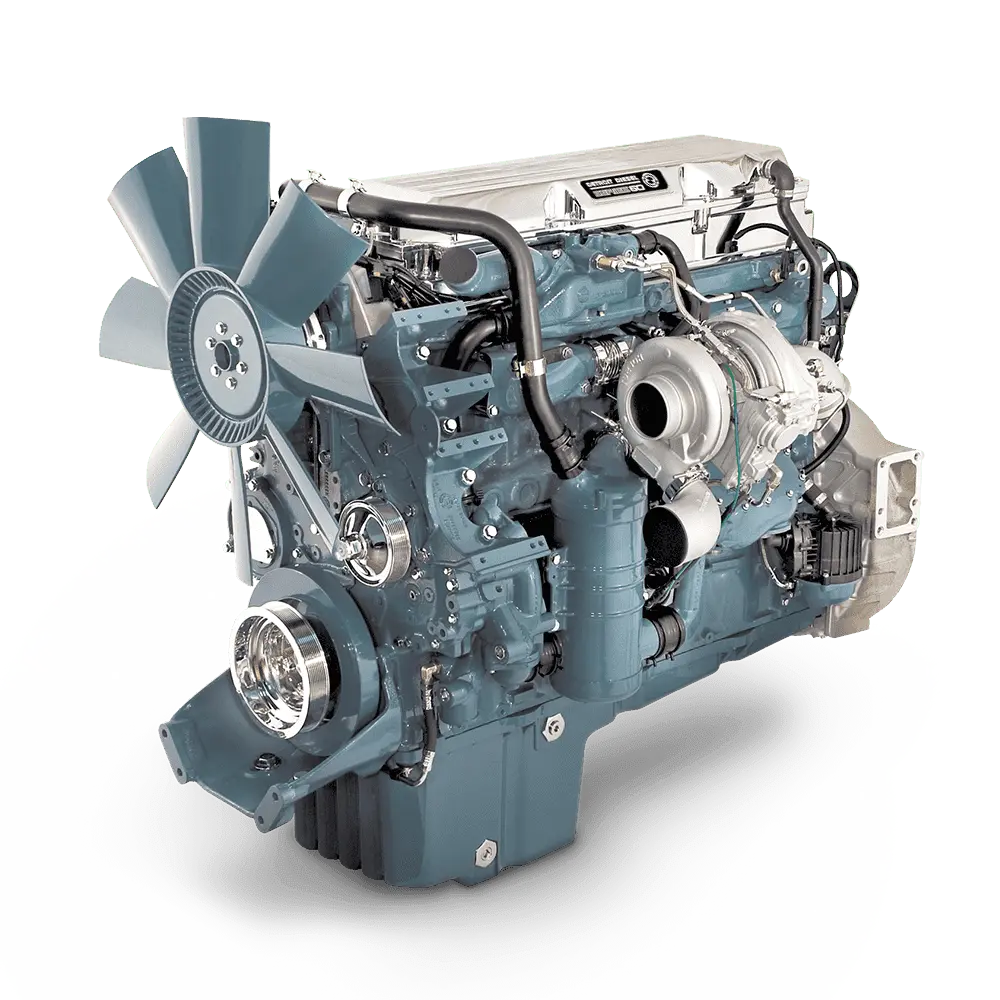
Detroit Diesel Series 60 Diesel Engine

Introduction to the Detroit Diesel Series 60

The Detroit Diesel Series 60 remains one of the most iconic and reliable heavy-duty diesel engines ever manufactured. Introduced in 1987, the Series 60 revolutionized the trucking industry with its inline-six configuration, electronic controls, and impressive power output. Available in multiple displacements, the 12.7L and 14L variants became the workhorses of countless fleets across North America, powering everything from highway tractors to vocational trucks and buses.

Detroit Diesel Series 60 Diesel Engine

For over three decades, these engines have proven their durability on highways and job sites alike. Whether you’re maintaining a legacy fleet or rebuilding a classic Series 60, understanding the strengths, weaknesses, and maintenance requirements of these legendary powerplants is essential for maximizing performance and longevity.

Series 60 Engine Specifications and Configurations

The Detroit Diesel Series 60 came in two primary displacement options that became industry favorites, and the less popular 11.1L. The 12.7L Series 60 offered an excellent balance of power and efficiency, producing between 350 and 500 horsepower depending on the configuration. This displacement became the most popular choice for over-the-road applications where fuel economy and reliability were paramount.

The 14L Series 60 delivered even more muscle for demanding applications. With power ratings ranging from 425 to 575 horsepower, the 14-liter variant excelled in heavy-haul operations, mountainous terrain, and vocational applications requiring maximum torque. Both engines featured Detroit Diesel’s renowned Electronic Control Module (ECM) technology, which provided precise fuel delivery and diagnostic capabilities that were ahead of their time.

These inline-six cylinder engines utilized a four-stroke cycle design with overhead camshafts, unit fuel injectors, and robust cast-iron construction. The Series 60’s modular design made maintenance more accessible compared to previous generations, while its electronic architecture allowed for easier troubleshooting and performance tuning.

Advantages of the Detroit Diesel Series 60

Proven Reliability and Longevity

The Series 60’s reputation for durability is well-earned. With proper maintenance, these engines routinely achieve over one million miles of service. The robust engine block, quality internal components, and proven design contribute to exceptional longevity that keeps older trucks productive and profitable.

Parts Availability and Aftermarket Support

Series 60 turbocharger

One significant advantage of the Series 60 is the extensive parts availability. Companies like Highway and Heavy Parts maintain comprehensive inventories of Detroit Diesel engine components, including engine rebuild kits, fuel injectors, cylinder heads, and complete engine assemblies. This widespread parts support keeps maintenance costs manageable and downtime minimal.

Excellent Power-to-Weight Ratio

Compared to competitors, the Series 60 offers impressive horsepower in a relatively compact and lightweight package. This efficiency translates to better payload capacity and fuel economy, making it an economical choice for fleet operators.

Electronic Control Systems

The Series 60’s advanced electronics provide unprecedented control over engine parameters. The Detroit Diesel Electronic Control (DDEC) system allows technicians to quickly diagnose issues, adjust performance parameters, and monitor engine health through comprehensive data logging capabilities.

Strong Torque Characteristics

Both the 12.7L and 14L versions deliver flat torque curves with excellent low-end grunt. This characteristic made the Series 60 particularly well-suited for applications requiring strong pulling power and responsive throttle response under load.

Disadvantages and Common Issues

Fuel Economy Compared to Modern Engines

While efficient for their time, Series 60 engines cannot match the fuel economy of modern emissions-compliant powerplants. Newer engines with advanced injection systems, turbocharging technology, and aerodynamic improvements deliver significantly improved fuel efficiency, resulting in better miles per gallon.

Unit injector issues represent one of the most common maintenance concerns with Series 60 engines. Fuel injector failures can cause rough running, excessive smoke, poor fuel economy, and reduced power. Regular fuel injector maintenance and timely replacement are essential for optimal performance.

Oil Consumption Concerns

Some Series 60 engines, particularly higher-mileage units, can develop increased oil consumption. Worn valve guides, seals, and piston rings contribute to this issue, which may require cylinder head work or complete engine overhauls to resolve.

Overhead Adjustment Requirements

Unlike modern engines with hydraulic lifters, the Series 60 requires periodic overhead adjustments to maintain proper valve clearances. This maintenance requirement demands skilled technicians and adds to the total cost of ownership.

Emissions Limitations

Pre-2002 Series 60 engines lack the sophisticated emissions controls required by current regulations. This limitation restricts their use in certain jurisdictions and applications, though many operators appreciate the simplicity of pre-emissions designs.

Essential Parts for Series 60 Maintenance and Repair

Maintaining peak performance from your Detroit Diesel Series 60 requires quality replacement parts and regular service intervals. Highway and Heavy Parts offers a comprehensive selection of components specifically designed for the 12.7L and 14L Series 60 engines.

Engine Rebuild Kits for Complete Overhauls

DD60 Engine Rebuild Kit

When your Series 60 reaches high mileage or experiences significant wear, a complete engine rebuild kit provides everything needed for a comprehensive overhaul. Quality engine rebuild kits include pistons, rings, bearings, gaskets, seals, and other essential components. These kits restore your engine to like-new condition, extending service life by hundreds of thousands of miles while improving reliability and performance.

Fuel Injectors for Optimal Fuel Delivery

DD60 Fuel Injector

Electronic unit fuel injectors are critical to Series 60 performance. Fresh fuel injectors ensure proper fuel atomization, improve combustion efficiency, reduce emissions, and restore lost horsepower. Whether replacing failed fuel injectors or upgrading an entire set, quality fuel injectors from reputable suppliers prevent the rough running, smoke, and poor fuel economy associated with worn or failing units.

Cylinder Heads for Superior Performance

DD Series 60 Cylinder Head

Cylinder heads endure extreme temperatures and pressures, making them susceptible to cracking, valve seat wear, and gasket failures. Replacement cylinder heads—whether remanufactured or new—restore compression, eliminate coolant and oil leaks, and ensure proper valve seating. Many operators choose upgraded cylinder heads during engine rebuilds to improve durability and performance characteristics.

Maximizing Series 60 Engine Life

Proper maintenance practices dramatically extend Series 60 engine life. Regular oil changes using quality lubricants, timely fuel filter replacements, and attention to coolant system health prevent many common issues. Monitoring operating temperatures, addressing leaks promptly, and performing scheduled overhead adjustments keep these engines running strong.

Many operators implement oil analysis programs to detect wear metals and contamination before catastrophic failures occur. This proactive approach identifies developing problems early, allowing for planned maintenance rather than unexpected roadside breakdowns.

FAQs About the Detroit Diesel Series 60 Engine

series 60 engine

What is the difference between a 12.7L and a 14L Series 60?

The primary difference is displacement and power output. The 12.7-liter version typically produces 350 to 500 horsepower and is more fuel-efficient, making it ideal for highway applications. The 14-liter variant generates 425 to 575 horsepower with higher torque, better suited for heavy-haul and vocational work requiring maximum pulling power.

How often should Series 60 fuel injectors be replaced?

Fuel injector replacement intervals vary based on fuel quality, operating conditions, and maintenance practices. Most operators replace fuel injectors between 300,000 and 500,000 miles. However, monitor engine performance closely—excessive smoke, rough idle, or decreased fuel economy indicate fuel injector replacement may be sooner.

What are the signs that my Series 60 needs a rebuild?

Common indicators include excessive oil consumption, low compression, increased blow-by, persistent coolant leaks, abnormal engine noises, difficulty maintaining operating temperature, and significant power loss. Oil analysis showing elevated wear metals also suggests internal component deterioration requiring rebuild attention.

Can I upgrade my Series 60 engine performance?

Yes, Series 60 engines respond well to electronic tuning and turbocharger upgrades. However, any modifications should be performed by experienced professionals who understand the balance between increased performance and engine longevity. Excessive power increases can accelerate component wear.

Where can I find quality parts for Detroit Diesel Series 60 maintenance?

Highway and Heavy Parts (highwayandheavyparts.com) specializes in Detroit Diesel components, offering engine rebuild kits, fuel injectors, cylinder heads, and comprehensive engine parts inventories. Their extensive selection ensures you’ll find quality components for 11.1L, 12.7L, and 14L Series 60 engines, supporting everything from routine maintenance to complete overhauls.

Posted on

Caterpillar C15 Diesel Engine: Engine Spotlight

Rebuilt Caterpillar C15 Diesel Engine

The Caterpillar C15 diesel engine has built a reputation as one of the most popular heavy-duty engines in the trucking and equipment industry. Known for its durability, pulling power, and long service life, the C15 has been a go-to engine for fleets and independent operators since its introduction in the late 1990s. However, like any engine, it comes with both benefits and drawbacks.

Continue reading Caterpillar C15 Diesel Engine: Engine Spotlight