


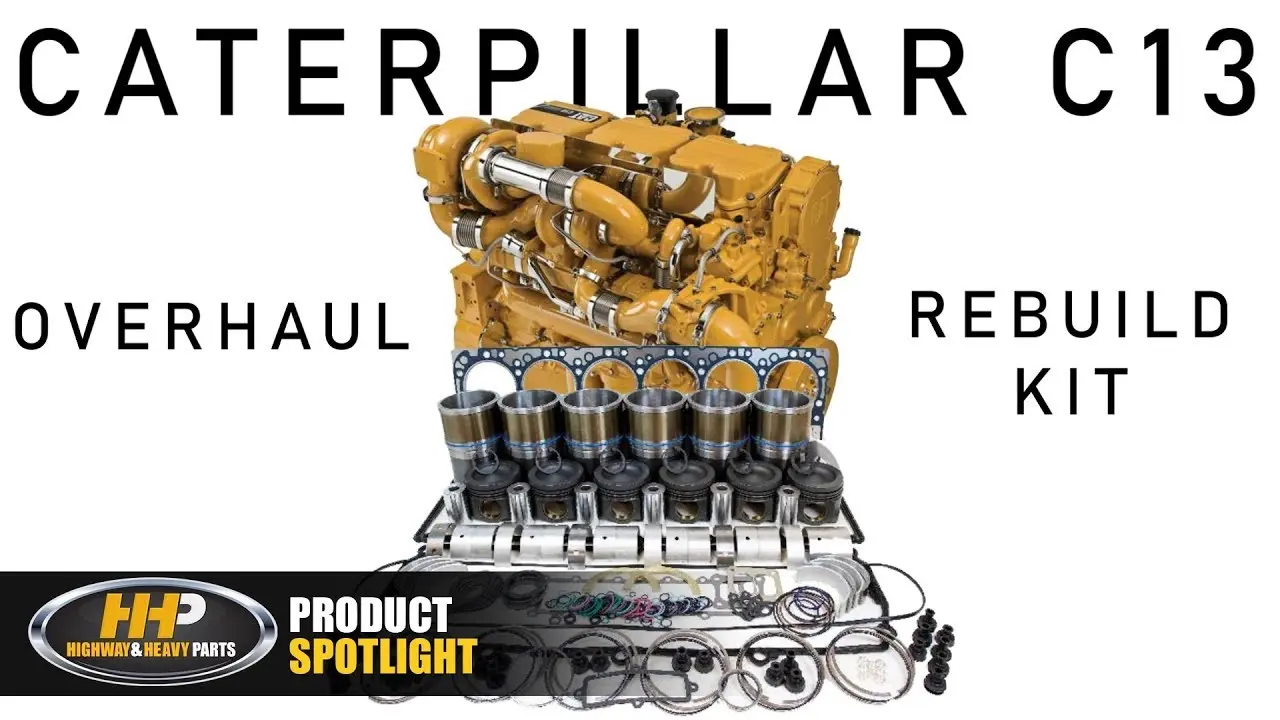
Caterpillar C13 engines are designed to handle heavy loads – but when internal wear sets in, performance loss isn’t random.
It’s the result of changes in cylinder geometry, sealing efficiency, and combustion pressure control.
If you’re considering an inframe rebuild, the key isn’t just replacing parts – it’s understanding what failed, why it failed, and what must be corrected during installation.
What a Caterpillar C13 Inframe Rebuild Kit Restores
An inframe rebuild kit focuses on restoring the combustion chamber and oil control system without removing the engine.
A typical C13 kit includes:
- Cylinder Liners
- Pistons
- Piston Rings
- Wrist Pins And Retainers
- Upper Engine Gasket Set
These components are responsible for:
- Maintaining compression
- Controlling oil consumption
- Managing combustion pressure
But these systems only function properly if liner seating and clearances are correct.
The Most Overlooked Issue: Liner Seat Wear
On Caterpillar C13 engines, liner performance depends heavily on the block’s liner seat condition.
Over time, repeated heat cycles and combustion forces cause:
- Micro-movement of the liner
- Fretting at the liner seat
- Gradual loss of liner height consistency
Why This Matters
If the liner does not sit correctly in the block:
- Head gasket sealing becomes inconsistent
- Combustion pressure escapes
- Cylinder performance varies between holes
This is one of the most common causes of repeat failures after a rebuild.
Liner Height and Combustion Sealing
Proper liner height ensures the cylinder head can apply uniform clamping force across all cylinders.
What Happens When It’s Off:
- Low liner height → combustion gases leak into the cooling system
- High liner height → uneven stress leads to gasket fatigue
Even minor variation between cylinders can create:
- Pressure imbalance
- Localized overheating
- Premature gasket failure
Ring Seal Dynamics in the C13
Piston rings in the C13 rely on combustion pressure and liner surface finish to create a seal.
Critical Factors:
- Correct crosshatch pattern on liners
- Proper ring end gap
- Adequate combustion pressure during operation
Failure Scenario:
If the liner becomes polished or rings wear unevenly:
- Oil film is not retained
- Blow-by increases
- Fuel efficiency drops
This is why engines with high hours often show increased crankcase pressure before full failure occurs.
Heat Load and Piston Stress
The C13 operates under high thermal load, especially in heavy-duty applications.
Pistons are designed to:
- Expand under heat without seizing
- Transfer combustion energy efficiently
- Maintain ring land integrity
When Heat Becomes a Problem:
- Cooling system inefficiencies raise cylinder temperatures
- Piston crowns experience excessive heat
- Ring lands can distort
This leads to:
- Loss of sealing
- Increased oil consumption
- Accelerated wear
Fuel System Influence on Rebuild Longevity
Fuel delivery directly affects combustion temperature and pressure.
If Fuel System Performance Is Off:
- Overfueling increases cylinder temperatures
- Poor atomization reduces combustion efficiency
- Incomplete burn leads to carbon buildup
These conditions accelerate wear on:
- Pistons
- Rings
- Liners
Why Many C13 Rebuilds Fail Early
Most early failures are not caused by defective parts.
They’re caused by:
- Improper liner seating
- Missed measurements
- Poor break-in procedures
- Unresolved fuel or cooling system issues
A rebuild must address the entire system, not just the worn components.
Break-In: Establishing Ring Seal Under Load
After installation, proper break-in is critical.
What Needs to Happen:
- Combustion pressure forces rings outward
- Rings conform to the liner surface
- Oil control stabilizes
What Causes Failure:
- Extended idling
- Light-load operation
- Improper oil conditions
Without proper break-in, rings will not fully seat – leading to long-term blow-by and reduced efficiency.
Caterpillar C13 Rebuild Inspection Points (What Must Be Verified)
Before installing any inframe rebuild kit, the block and supporting systems must be inspected. On the C13, rebuild success depends on liner support, sealing surfaces, and system condition – not just new components.
| Inspection Area | What To Verify | Why It Matters |
|---|---|---|
| Liner Seating Surface | Check for fretting, erosion, or uneven wear | A worn seat allows liner movement, leading to sealing issues |
| Liner Height Consistency | Verify all cylinders are even and within spec | Ensures proper head gasket sealing and combustion balance |
| Block Deck Surface | Inspect for warping or surface damage | Affects head gasket integrity and clamping force |
| Cooling System Condition | Check for flow restrictions or contamination | Poor cooling increases thermal stress on pistons and liners |
| Fuel System Performance | Confirm proper atomization and delivery | Overfueling or poor spray patterns increase cylinder temperatures |
| Oil System Integrity | Verify pressure, cleanliness, and flow | Critical for bearing life, piston cooling, and turbo function |
| Air Intake System | Inspect for leaks or restrictions | Impacts air-to-fuel ratio and combustion efficiency |
Choosing the Right C13 Rebuild Kit
A quality rebuild kit should include:
- Precision-machined liners
- Pistons designed for thermal stability
- Rings engineered for proper sealing
- Verified fitment for your engine configuration
The goal is not just to rebuild – it’s to restore engine performance and durability under load.
Call 844-304-7688 to speak with a diesel parts specialist
or visit highwayandheavyparts.com to find the right rebuild kit for your engine.
From diagnosis through delivery, Highway and Heavy Parts has your back.


