


Class 8 trucks are the largest and heaviest commercial vehicles commonly operated on public roads in the United States.
These trucks are designed for:
- Heavy freight hauling
- Long-distance transportation
- Construction work
- Vocational applications
- High-weight commercial operations
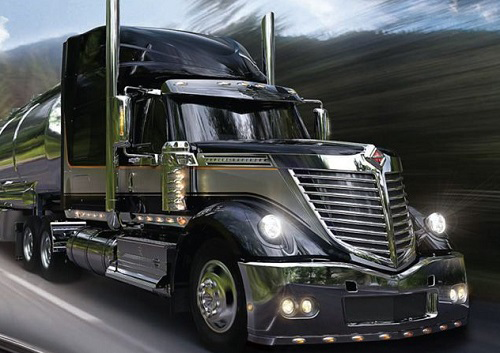
When most people think of a semi-truck, tractor-trailer, or 18-wheeler, they are usually thinking about a Class 8 truck.
These vehicles are the backbone of freight transportation across North America and play a major role in industries like:
- Heavy equipment transportation
- Trucking
- Agriculture
- Construction
- Waste management
- Oil and gas
What Defines a Class 8 Truck?
A Class 8 truck is defined by its Gross Vehicle Weight Rating (GVWR).
In the United States, any commercial vehicle with a GVWR above 33,000 pounds falls into the Class 8 category.
GVWR includes:
- The truck itself
- Fuel
- Fluids
- Cargo
- Trailer weight
- Driver and passengers
These trucks are the heaviest class recognized under the Federal Highway Administration truck classification system.
How Heavy Are Class 8 Trucks?
Most highway Class 8 tractor-trailer combinations operate near:
- 80,000 pounds gross combined weight
That number is important because:
- 80,000 pounds is generally the federal maximum gross vehicle weight limit on Interstate highways without special permits.
However, some specialized vocational or oversized-haul trucks may legally exceed that limit with permits and additional axle configurations.
Common Types of Class 8 Trucks
Class 8’s are not limited to highway semi-trucks.
The category includes multiple heavy-duty vehicle types.
Sleeper Cab Trucks
Sleeper trucks are designed for long-haul transportation.
These trucks include:
- Sleeping compartments
- Storage space
- Larger fuel capacity
- Extended wheelbases
Long-haul drivers may spend days or weeks operating these trucks across the country.
Modern sleeper cabs often include:
- Refrigerators
- Microwaves
- Inverters
- Larger bunks
- Advanced climate control systems
Day Cab Trucks
Day cabs are designed for:
- Regional hauling
- Port operations
- Local delivery routes
- Shorter freight runs
Unlike sleeper trucks, day cabs do not include sleeping compartments.
Because they are shorter and lighter, they are often:
- More maneuverable
- Easier to operate in urban areas
- Better for frequent stops
Vocational Class 8 Trucks
Many of these trucks are built for specialized work instead of highway freight.
Examples include:
- Dump trucks
- Cement mixers
- Refuse trucks
- Heavy wreckers
- Crane trucks
- Logging trucks
Vocational trucks are often engineered differently than highway tractors because they may prioritize:
- Durability
- PTO operation
- Off-road capability
- Heavy suspension systems
- Specialized axle setups
Why These Trucks Matter
Class 8 trucks move a massive percentage of freight across North America.
They transport:
- Food
- Consumer goods
- Construction materials
- Fuel
- Heavy equipment
- Industrial products
Without Class 8 transportation, supply chains across multiple industries would slow dramatically.
That is one reason the Class 8 market is often viewed as a strong economic indicator.
When freight demand increases:
- Truck production often increases
- Fleet expansion increases
- Freight activity rises
When freight slows:
- Class 8 truck orders often decline
Common Class 8 Manufacturers
Several manufacturers dominate the North American Class 8 truck market.
Major brands include:
- Freightliner
- Peterbilt
- Kenworth
- Volvo
- Mack
- International
- Western Star
Each manufacturer offers multiple configurations depending on:
- Freight application
- Engine preference
- Fuel economy goals
- Vocational requirements
- Driver comfort needs
Common Engines Found in Class 8 Trucks
Most modern Class 8 highway trucks use inline-6 diesel engines because they provide:
- High torque output
- Strong fuel efficiency
- Better durability under heavy loads
- Smoother operation
Popular Class 8 engines include:
Modern heavy-duty diesel engines commonly produce:
- 400–605 horsepower
- 1,450–2,050 lb-ft of torque
These engines are designed to operate under extremely high load conditions for extended periods of time.
How Many Class 8’s Are on the Road?
The Class 8 truck population in the United States has grown significantly over time as freight demand has expanded.
Industry registration data commonly estimates:
- More than 4 million currently operate in North America.
Annual production also fluctuates heavily depending on:
- Freight demand
- Fuel prices
- Economic conditions
- Fleet replacement cycles
In strong freight years, North American Class 8 truck production can exceed:
- 250,000–300,000 units annually.
Modern Class 8’s Are More Advanced Than Ever
Modern Class 8 trucks are dramatically different from older generations.
Today’s trucks commonly include:
- Advanced aerodynamics
- Automated manual transmissions
- Collision mitigation systems
- Lane departure warning systems
- Adaptive cruise control
- Integrated telematics
- Advanced emissions systems
Fuel efficiency has also improved significantly over the past two decades through:
- Aerodynamic body design
- Engine efficiency improvements
- Transmission optimization
- Low rolling resistance tires
Some manufacturers now focus heavily on reducing drag to improve fuel economy at highway speeds.
Class 8 Truck Maintenance Is Critical
Because they operate under heavy loads and high mileage, maintenance is extremely important.
Key systems include:
- Cooling systems
- Turbochargers
- Fuel systems
- Braking systems
- Suspension systems
- Emissions systems
Preventive maintenance helps reduce:
- Downtime
- Fuel consumption
- Component wear
- Catastrophic failures
Common maintenance items include:
- Oil and fuel filters
- Coolant system service
- Brake inspections
- Air system inspections
- DPF maintenance
- Suspension inspections
Licensing Requirements for Class 8 Trucks
Operating most Class 8 trucks requires a Commercial Driver’s License (CDL).
Typically:
- Class A CDL = tractor-trailer combinations
- Class B CDL = certain single-unit heavy trucks
Additional endorsements may also be required depending on:
- Hazardous materials
- Tanker operation
- Double/triple trailers
The Future of Class 8’s
The Class 8 truck industry continues evolving rapidly.
Current trends include:
- Improved fuel efficiency
- Automated driving assistance systems
- Alternative fuels
- Battery-electric development
- Hydrogen fuel research
- Advanced telematics and diagnostics
However, diesel engines still dominate the heavy-duty market because of:
- Torque output
- Range capability
- Durability
- Existing infrastructure
Final Takeaway
Class 8 trucks are the largest and most powerful commercial vehicles commonly used on North American highways.
Defined by a GVWR exceeding 33,000 pounds, these trucks handle much of the freight, construction, and heavy-duty transportation work that keeps industries operating.
Modern trucks combine:
- Advanced diesel technology
- Heavy-duty durability
- High torque output
- Long-haul capability
- Increasingly sophisticated electronics and safety systems
As freight demand continues growing, Class 8 trucks remain one of the most important parts of the transportation industry.
Call 844-304-7688 or visit highwayandheavyparts.com to get the right diesel engine parts for your application.
From diagnosis through delivery, we’re Highway and Heavy Parts.


