


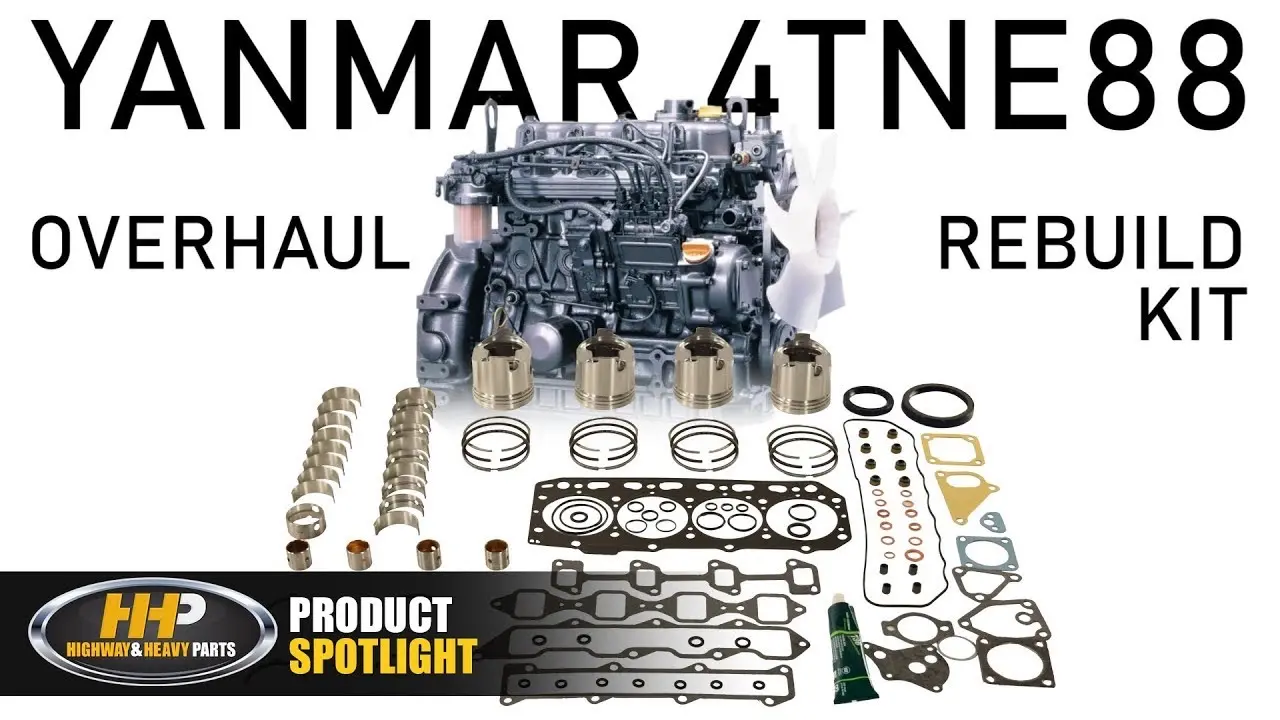
Yanmar engines have earned a reputation for reliability in marine, agricultural, construction, and industrial applications. Many Yanmar engines provide thousands of hours of dependable service when maintained properly.
However, no diesel engine is immune to wear, contamination, heat, or neglected maintenance.
The good news is that many of the most common Yanmar engine failures are preventable. Understanding the warning signs early can help reduce downtime, avoid expensive repairs, and extend engine life.
Let’s look at five of the most common problems seen in Yanmar diesel engines.
1. Air Leaks in the Fuel System
One of the most commonly reported Yanmar issues involves air entering the fuel system.
Unlike some diesel platforms that tolerate small amounts of air, many Yanmar engines are extremely sensitive to fuel system leaks.
Common causes include:
- Loose hose clamps
- Cracked fuel lines
- Aging rubber fuel hoses
- Restricted fuel filters
- Damaged fuel fittings
Symptoms
- Hard starting
- Sudden stalling
- Rough idle
- Loss of power
- Engine dies and restarts intermittently
Often the actual fuel leak is so small that fuel never visibly drips. Instead, air enters the system and disrupts fuel delivery.
Prevention
Regularly inspect fuel lines, fittings, clamps, and filters. Replace aging hoses before they become brittle or cracked.
2. Exhaust Elbow Corrosion
For marine Yanmar engines, this is probably the most famous failure point.
The exhaust mixing elbow is where cooling water and hot exhaust gases meet.
Over time, internal corrosion can restrict exhaust flow and allow water intrusion.
Symptoms
- Loss of power
- Excessive exhaust smoke
- Hard starting
- Overheating
- Water entering cylinders
If ignored long enough, a failed mixing elbow can contribute to valve seat damage, compression loss, and major engine repairs.
Prevention
Inspect exhaust elbows periodically and replace them according to Yanmar service recommendations, especially in saltwater environments.
3. Cooling System Restrictions and Overheating
Overheating remains one of the fastest ways to shorten the life of any diesel engine.
On Yanmar engines, cooling problems are often caused by:
- Worn raw water pump impellers
- Blocked raw water intakes
- Clogged heat exchangers
- Debris buildup
- Scale and corrosion inside cooling passages
Symptoms
- Rising coolant temperature
- Reduced power
- Steam
- Coolant loss
- Repeated high-temperature alarms
Why It Matters
Repeated overheating can damage:
- Cylinder heads
- Head gaskets
- Pistons
- Valves
- Cylinder liners
Even a highly reliable engine will not survive chronic overheating forever.
4. Fuel Injector Wear and Carbon Buildup
Like any diesel engine, Yanmar injectors wear over time.
Fuel contamination, extended service intervals, and carbon buildup can affect spray patterns and combustion quality.
Symptoms
- White smoke
- Hard starting
- Increased fuel consumption
- Rough running
- Loss of power
Poor injector performance often develops gradually, making it easy to overlook until performance noticeably declines.
Prevention
Regular fuel filter changes and clean fuel practices are some of the best ways to extend injector life.
5. Compression Loss From Valve and Cylinder Wear
Many older Yanmar engines eventually develop hard-starting complaints.
In some cases, the root cause is declining compression.
Common contributors include:
- Valve seat wear
- Exhaust valve wear
- Cylinder wear
- Ring wear
- Previous overheating damage
Symptoms
- Difficult cold starts
- White smoke during startup
- Reduced power
- Longer cranking times
Compression-related problems tend to develop slowly, which is why many owners don’t notice them until starting performance becomes significantly worse.
The Real Cause Behind Many Yanmar Failures
After looking at these five problems, a pattern starts to emerge.
Many major Yanmar failures are not caused by defective components.
They’re caused by deferred maintenance.
Yanmar itself identifies extended oil change intervals, neglected fuel filters, insufficient lubrication, and poor valve maintenance as common contributors to major engine damage.
Oil contamination can lead to bearing failure and crankshaft damage.
Fuel contamination can damage injection components.
Cooling system neglect can result in overheating and cylinder head problems.
The engines are durable—but they still require routine maintenance.
Whether you’re troubleshooting a fuel system issue, cooling system problem, injector concern, or planning preventative maintenance, we offer replacement parts for a variety of Yanmar diesel applications.
Shop Yanmar Parts
Final Takeaway
Yanmar engines have earned a reputation for reliability, but even the most durable diesel engines require proper maintenance. Air leaks, exhaust elbow corrosion, cooling system restrictions, injector wear, and compression loss remain some of the most common issues owners encounter.
The good news is that many of these problems develop gradually and provide warning signs before major damage occurs. Identifying issues early and maintaining critical systems can help extend engine life, reduce downtime, and prevent expensive repairs.
If you need replacement Yanmar engine parts or assistance identifying the correct components for your application, our team is here to help.
Call 844-304-7688 or visit https://highwayandheavyparts.com
From diagnosis through delivery, we’re Highway and Heavy Parts.


