


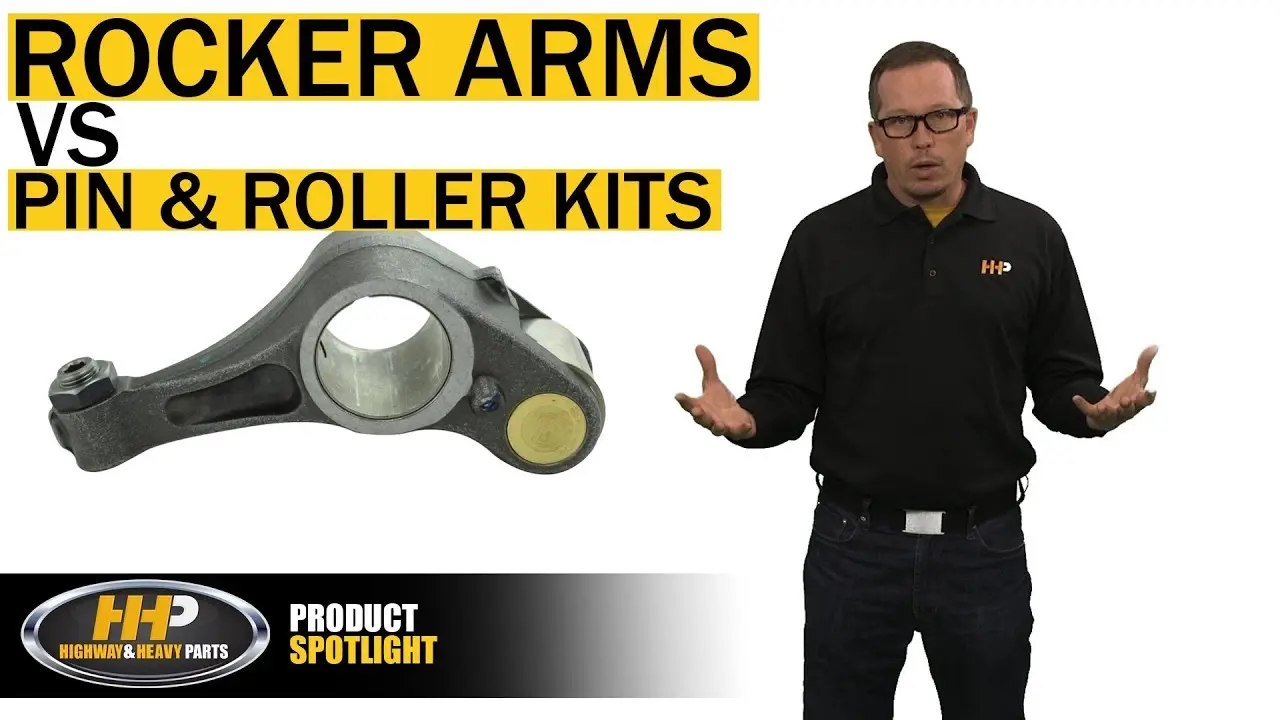
When diagnosing valvetrain issues in a diesel engine, rocker arms are often overlooked.
But on engines like Cummins ISX, Detroit Diesel Series 60, and Caterpillar platforms, rocker arm assemblies – and more specifically the pin and roller components – are critical wear points.
Understanding the difference between replacing a full rocker arm versus servicing pin and roller kits can prevent repeat failures and unnecessary downtime.
What the Rocker Arm Assembly Does
The rocker arm transfers motion from the camshaft to the valves and injectors.
In heavy-duty diesel engines, this system operates under:
- High Contact Stress
- Repeated Cyclic Loading
- Constant Oil Lubrication
The rocker arm pivots while the roller rides along the camshaft lobe.
This rolling contact reduces friction – but it also introduces a key wear point.
Where Wear Actually Happens: Pin and Roller Components
The most common failure point in a rocker arm assembly is not always the arm itself.
It’s the pin and roller. These components are responsible for:
- Maintaining Smooth Contact With The Camshaft
- Reducing Friction At High RPM
- Distributing Load Across The Cam Lobe
Over time, these parts experience:
- Surface Fatigue
- Bearing Wear
- Loss Of Lubrication Film
Once wear begins, it accelerates quickly.
What Causes Pin and Roller Failure
Pin and roller failures are usually tied to lubrication and load conditions.
Common causes include:
- Oil Contamination
- Inadequate Lubrication Flow
- High Mileage Wear
- Excessive Valve Train Load
- Improper Oil Change Intervals
When lubrication breaks down, metal-to-metal contact increases.
This leads to rapid wear and potential failure.
Signs of Rocker Arm or Roller Failure
Valvetrain issues often present as subtle performance changes before major damage occurs.
Watch for:
- Ticking Or Knocking From The Top End
- Loss Of Engine Performance
- Irregular Valve Operation
- Increased Wear On Camshaft Lobes
- Metal Debris In Oil Analysis
Ignoring these signs can lead to more severe engine damage.
Rocker Arm vs Pin and Roller Kit: What’s the Difference
There are two main approaches to repair:
Replace the Entire Rocker Arm
This provides:
- A Complete Assembly Replacement
- New Structural Components
- Reduced Risk Of Hidden Wear
This option is typically used when:
- The Rocker Arm Body Is Worn Or Damaged
- There Is Excessive Play In The Assembly
- The Engine Has High Overall Wear
Replace the Pin and Roller Kit
This targets the most common wear components.
This option includes:
- New Roller
- New Pin
- Bearing Components
This approach is effective when:
- The Rocker Arm Body Is Still In Good Condition
- Wear Is Limited To The Roller Assembly
- Preventative Maintenance Is Being Performed
The Risk of Partial Repairs
Replacing only the pin and roller can be effective—but only if the rest of the rocker arm is within spec.
If the rocker arm has:
- Structural Fatigue
- Bore Wear
- Alignment Issues
Then a partial repair may not last. This can lead to:
- Repeat Failure
- Camshaft Damage
- Increased Repair Costs
How Rocker Arm Wear Affects the Entire Engine
Valvetrain components directly impact engine timing and performance.
When rocker arm components wear:
- Valve Timing Can Become Inconsistent
- Injector Operation May Be Affected
- Combustion Efficiency Drops
This leads to:
- Reduced Power
- Increased Fuel Consumption
- Higher Engine Stress
When to Replace Rocker Arms vs Repair Components
Choosing the right repair depends on inspection.
Replace the Full Rocker Arm If:
- There Is Visible Structural Damage
- Excessive Play Is Present
- The Engine Has High Mileage Wear
Replace Pin and Roller Kits If:
- Wear Is Isolated To The Roller Assembly
- The Rocker Arm Body Is Within Specification
- Preventative Maintenance Is Being Performed
Preventing Future Valvetrain Failures
Most rocker arm failures are preventable with proper maintenance.
Focus on:
- Regular Oil Changes
- Using High-Quality Lubricants
- Monitoring Engine Noise And Performance
- Performing Routine Inspections
Maintaining proper lubrication is the most critical factor in preventing failure.
Don’t Ignore Early Valvetrain Wear
Rocker arm and roller failures don’t fix themselves.
Catching the issue early can prevent:
- Camshaft Damage
- Injector Issues
- Major Engine Repairs
Get the Repair Done Right the First Time
Valvetrain repairs require proper diagnosis.
👉 Inspect The Full Rocker Assembly
👉 Identify The Exact Wear Point
👉 Choose The Correct Repair Option
Call 844-304-7688 to speak with a diesel parts specialist
or visit highwayandheavyparts.com to find the right rebuild kit for your engine.
From diagnosis to delivery, Highway and Heavy Parts has your back.


