


Winter can be one of the toughest seasons for both diesel trucks and the people who drive them. Snow, ice, freezing temperatures, reduced visibility, and changing road conditions all increase the risk of breakdowns and accidents. Cold weather also puts additional stress on your truck’s batteries, cooling system, air system, tires, and engine.
The good news is that most winter problems can be prevented with a little preparation before your trip begins.
Whether you’re hauling freight across multiple states or making regional deliveries, these winter driving tips can help keep you safer, reduce downtime, and protect your diesel engine throughout the season.
Need replacement parts to get your diesel engine ready for winter? Our ASE Certified Technicians can help you find the right parts the first time.
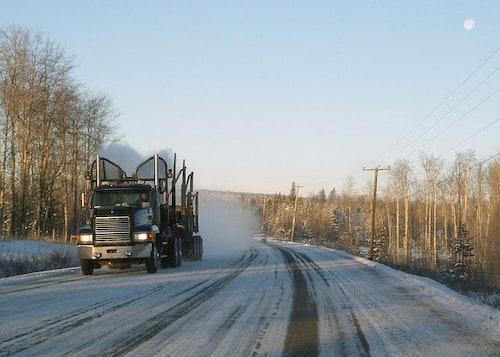
Prepare Your Truck Before Every Winter Trip
Winter driving starts long before you turn the key. A thorough pre-trip inspection can help identify problems before they leave you stranded on the side of the road.
| Tires & Air Pressure | Battery Condition |
| Coolant Level & Freeze Protection | Cab Heater & Defroster |
| Windshield Wipers & Washer Fluid | Headlights, Brake Lights & Reflectors |
| Air Brake System | Mirrors & Cameras |
| Fuel Level | Emergency Supplies |
Don’t forget to remove snow and ice from mirrors, lights, steps, grab handles, and trailer connections before leaving.
Build a Winter Emergency Kit
Even well-maintained trucks can become stranded during severe winter weather. Keeping a basic emergency kit in your truck can make an unexpected delay much safer and more comfortable.
- Layered clothing, gloves, boots and rain gear
- Flashlight with extra batteries
- First aid kit
- Jumper cables
- Ice scraper and snow brush
- Blankets
- Food and bottled water
- Phone charger or power bank
- Sand, kitty litter or traction aid
- Tire chains (where permitted)
Plan Your Route Before You Leave
Winter weather can change quickly.
Before starting your trip:
- Check weather forecasts along your entire route.
- Watch for winter storm warnings and road closures.
- Locate fuel stops and rest areas ahead of time.
- Allow extra travel time for slower traffic.
- Expect delays through construction zones.
Planning ahead often prevents rushed decisions that can lead to accidents.
Winter Driving Do’s and Don’ts
Driving techniques that work in dry weather often don’t work once roads become icy or snow covered.
| Do | Don’t |
|---|---|
| Increase following distance | Tailgate other vehicles |
| Brake gradually | Brake aggressively |
| Reduce speed for conditions | Assume wet roads aren’t icy |
| Watch bridges and overpasses | Ignore changing weather |
| Pull over if conditions become unsafe | Drive while fatigued |
Remember that stopping distances for a loaded tractor-trailer increase dramatically on snow and ice. Giving yourself additional space is one of the easiest ways to reduce risk.
Watch for Black Ice
Black ice is one of the most dangerous winter driving hazards because it often looks like ordinary wet pavement.
- Bridges
- Overpasses
- Exit ramps
- Shaded sections of roadway
- Early morning hours
- Late evening and overnight
Helpful Apps for Winter Trucking
Several smartphone apps can make winter travel easier by providing real-time information.
| App | Purpose |
|---|---|
| Waze | Traffic, crashes, hazards and road closures |
| Trucker Path | Truck stops, parking availability and fuel prices |
| Drivewyze | Weigh station bypass and roadside information |
| The Weather Channel | Weather forecasts and severe weather alerts |
| Google Maps | Alternate routes and traffic conditions |
Using multiple sources of information helps you make better decisions before problems develop.
What If You Become Stranded?
Sometimes the safest decision is to stop and wait for conditions to improve.
If you become stranded:
- Stay with your truck whenever possible.
- Notify dispatch or family of your location.
- Keep your phone charged.
- Run the engine only as needed to stay warm.
- Make sure the exhaust pipe remains clear of snow to prevent dangerous exhaust gases from entering the cab.
Never continue driving if visibility or road conditions make it unsafe.
Winter Is Hard on Diesel Engines, Too
Cold temperatures don’t just affect driving—they affect your engine as well.
Winter can increase wear on:
- Batteries
- Starter systems
- Fuel systems
- Air systems
- Cooling systems
- Engine oil
Preparing these systems before winter arrives helps reduce unexpected breakdowns and keeps your truck operating reliably throughout the season.
You may also find these articles helpful:
- Why Summer Heat Is Harder on Diesel Engines Than You Think
- Why Clean Engine Oil Matters More Than You Think
- Oil Changes: Should They Be Based on Hours or Miles?
Need Diesel Engine Parts?
Winter driving puts additional stress on every major system in your truck. If you’re preparing your engine for the season or replacing worn internal engine components, Highway and Heavy Parts is here to help.
Our ASE Certified Technicians can help you identify the right parts for your application the first time.
Call 844-304-7688 or visit highwayandheavyparts.com to get the right diesel engine parts for your application.
From diagnosis through delivery, we’re Highway and Heavy Parts.


