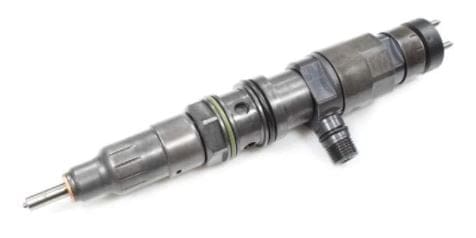
The once lazy, black smoke-chugging, locomotive-like engines are no longer. Nowadays, diesel-powered engines are cleaner than ever, produce more power, and use less fuel. But how do you know when it is time to replace their fuel injectors?
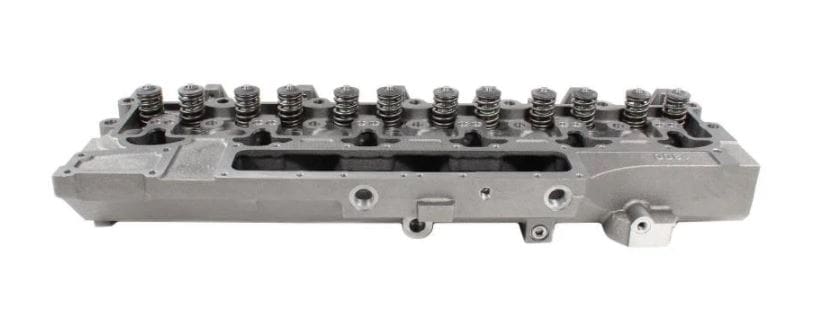
Diesel engines, especially in heavy-duty machinery and trucks, have an extremely hard life. At one point or another, they will need major service, and the heads will have to be replaced.
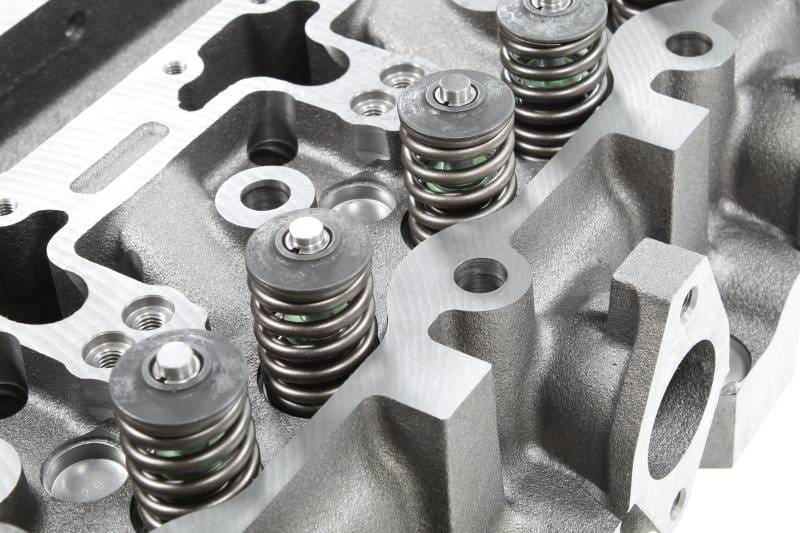
Cylinder heads fail, and when they do, you’re left with a decision whether you should purchase a new or remanufactured cylinder head. And if you’re running a natural gas engine, you might feel like you’re making this decision more often than you’d like.
When it comes to diesel engine parts, one of the most common questions is: why are OEM parts so expensive?
Many assume higher cost means higher quality – but that’s not always the case. In reality, the difference between OEM and aftermarket parts often comes down to manufacturing, distribution, and how the parts reach you.
If you’re comparing options right now, you can shop diesel engine parts to find high-quality components built for your specific engine and application.
Understanding that difference can help you make a more informed – and more cost-effective – decision when it’s time to repair your engine.
Due in part to high demand and low supply, people have had a hard time finding cylinder heads for their natural gas engines, leading them to spend money on parts they’ll just have to replace again soon.
Your truck is often put through grueling conditions and is expected to perform while giving nothing less than 100%. But just like anything else, diesel engines will have components that will fail if not properly maintained. Common parts like filters, gaskets, and even injectors will eventually need to be swapped out. It is just a matter of time.
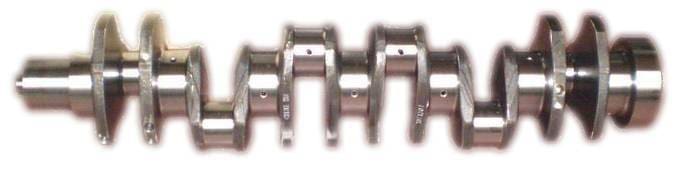
If you have spent any time around an engine, regardless if it is diesel or gas-powered, you will have no doubt heard or even seen people talk about crankshafts. It is a simple, yet complicated moving part that helps keep the pistons and other vital engine components moving safely.
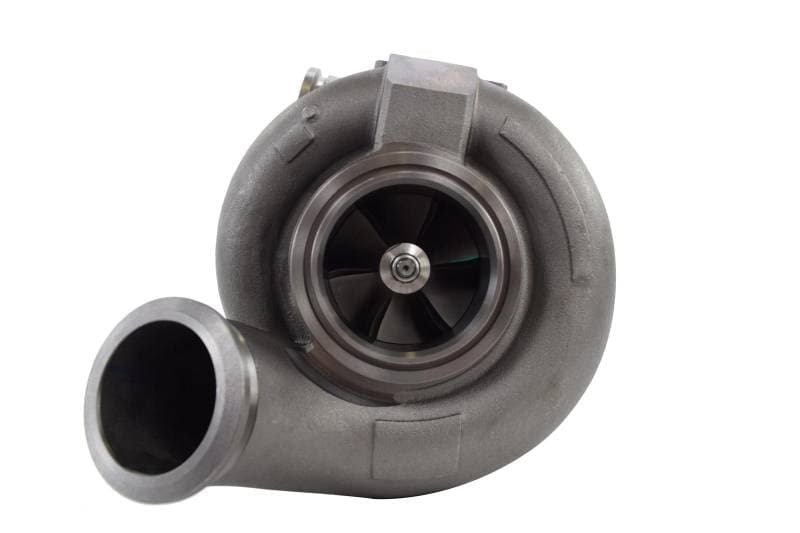
Is your VGT giving you trouble again? We know it can be frustrating when you’re looking at thousands of dollars of turbo damage yet again. And we know that it has lead many operators to pull the VGTs all together.