Keyword Search

Posted on

Detroit Diesel DD15 Fuel Injectors (RA4600701387)

Are you having an issue with sticking injectors, hard start, rough idle, or high RPMs while driving? Stuck injectors can result in over-fueling which can affect, and even harm, unrelated engine components. Get your Detroit Diesel DD15 injectors from the certified diesel fuel system experts at HHP.

Continue reading Detroit Diesel DD15 Fuel Injectors (RA4600701387)
Posted on

Detroit Diesel DD15 & DD16 Common Rail Fuel Injectors | Misfiring Or Rough Start? – Give HHP A Call 844.447.1453
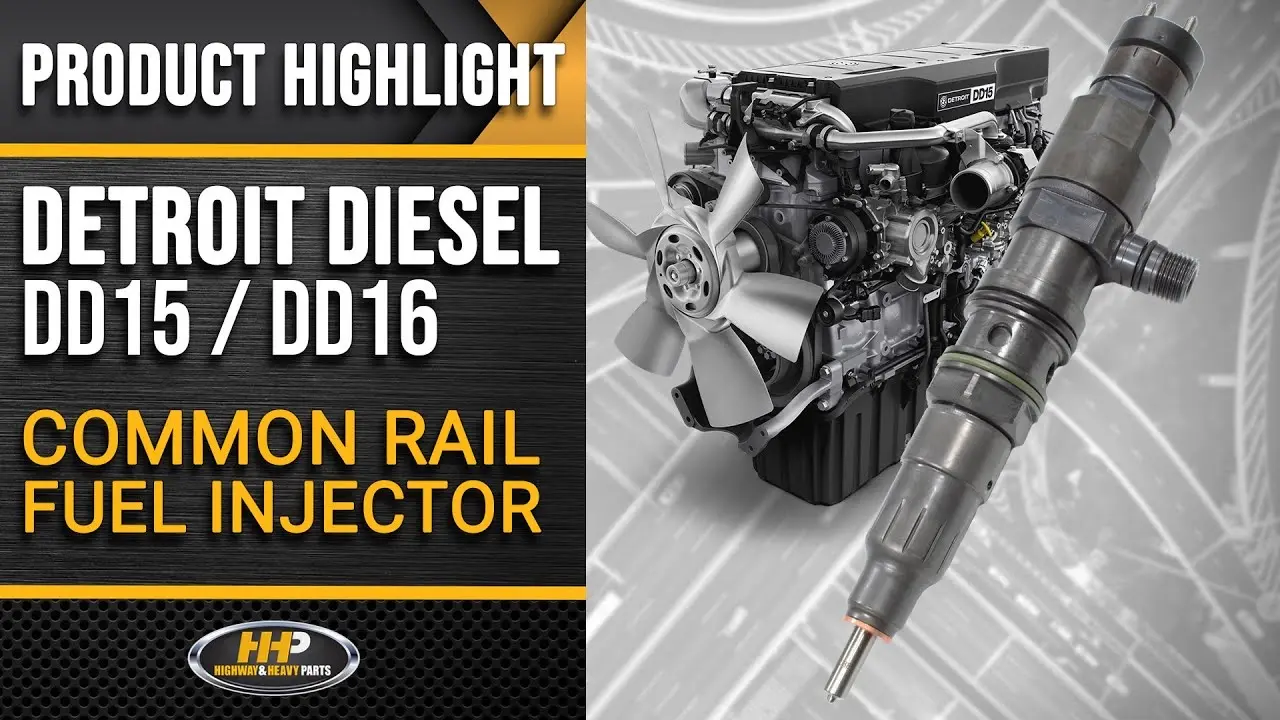
Detroit DD15 Fuel Injector Problems? HHP Has Answers!

Continue reading Detroit Diesel DD15 & DD16 Common Rail Fuel Injectors | Misfiring Or Rough Start? – Give HHP A Call 844.447.1453

Posted on

Detroit Diesel DD15 Inframe Engine Rebuild Kit | Common Problems Leading To Rebuilds – For More Information Call 844.447.1453
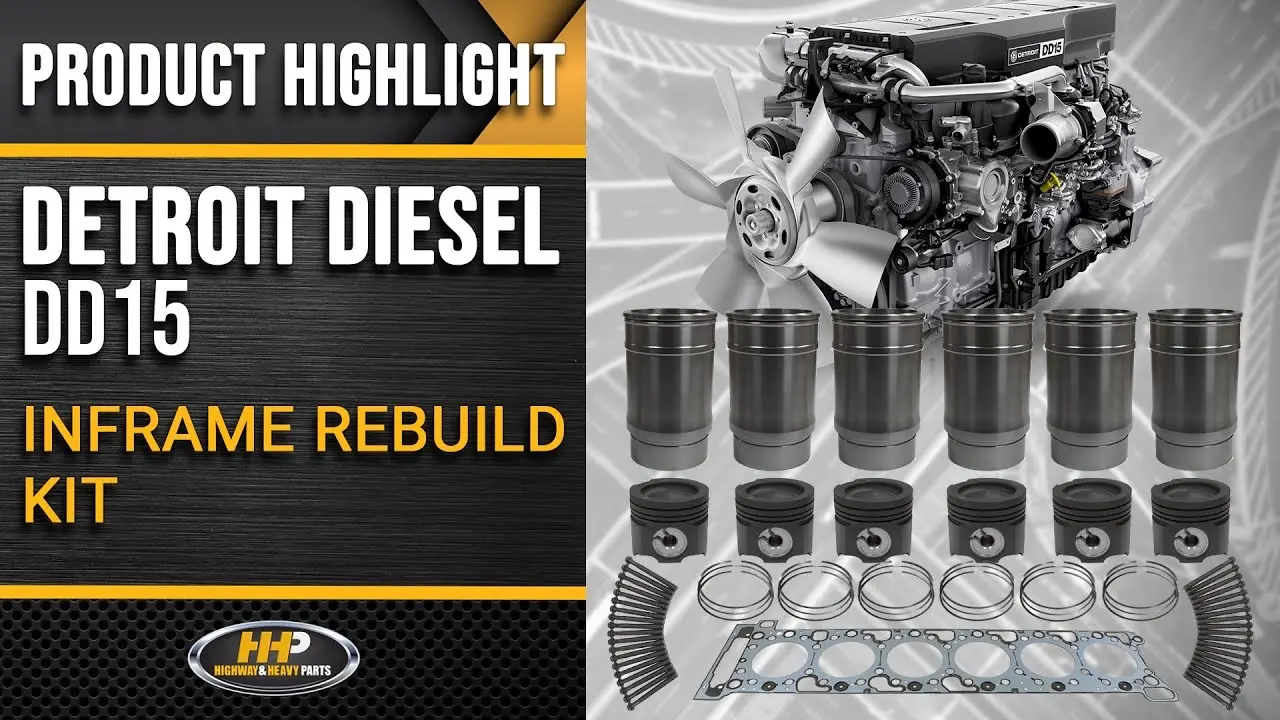
Time For A Detroit Diesel DD15 Rebuild Kit? Watch this first!

Continue reading Detroit Diesel DD15 Inframe Engine Rebuild Kit | Common Problems Leading To Rebuilds – For More Information Call 844.447.1453

Posted on

Detroit Diesel Series 60 Fuel Injector (5237650)

Problems starting, engine misfire, or a strong fuel smell from your Detroit Diesel Series 60 is a sign you may have a bad injector, leading to decreased performance and engine failure. Avoid any negative impacts to your truck and bottom line. Get back to running optimally with the experts at Highway and Heavy Parts.

Continue reading Detroit Diesel Series 60 Fuel Injector (5237650)
Posted on

Detroit Diesel Series 60 Fuel Injector | Replace Your Bad Injectors With High Quality Ones from HHP! – Call To Get Your 844.447.1453
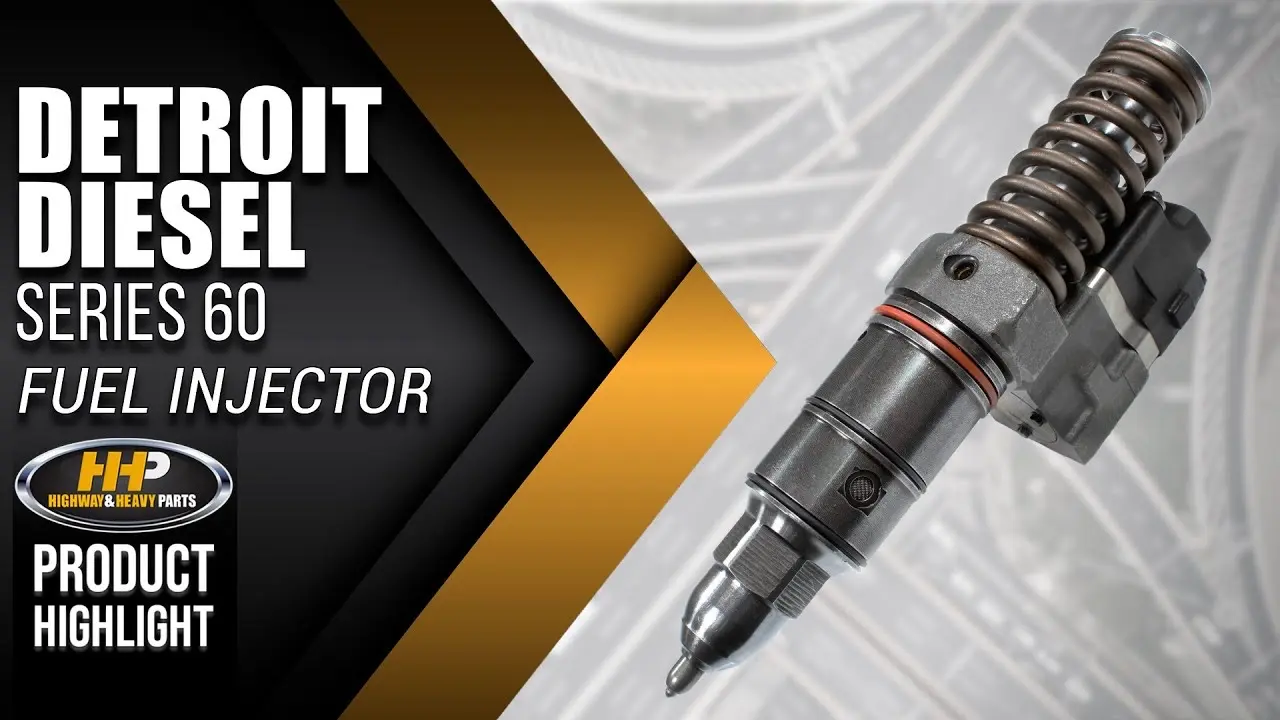
Detroit Diesel Series 60 Injectors From HHP! Check Them Out!
Continue reading Detroit Diesel Series 60 Fuel Injector | Replace Your Bad Injectors With High Quality Ones from HHP! – Call To Get Your 844.447.1453

Posted on

How Long Do Diesel Engines Last?

Diesel engines have a reputation for lasting a long time.

In many cases, that reputation is earned.

A properly maintained heavy-duty diesel engine can often run hundreds of thousands of miles before requiring a major overhaul. Some commercial diesel engines can reach 750,000 to 1,000,000 miles or more, depending on the engine platform, maintenance history, operating conditions, and how the truck is used.

But the honest answer is this: There is no single mileage number that applies to every diesel engine.

Some engines need major work before 500,000 miles. Others can pass 1 million miles with the right maintenance, operating conditions, and repair history.

The difference usually comes down to how the engine was treated long before the odometer became impressive.

Quick Takeaway: Most heavy-duty diesel engines are built for long service life, but mileage alone does not tell the whole story. Maintenance, duty cycle, cooling system health, oil condition, fuel system performance, and driver habits all determine how long an engine actually lasts.

What Is the Average Lifespan of a Diesel Engine?

For heavy-duty commercial trucks, many diesel engines are commonly expected to last somewhere between 750,000 and 1,000,000 miles before a major overhaul becomes likely.

That does not mean the engine is guaranteed to reach 1 million miles on all original internal parts.

It also does not mean every engine automatically needs to be replaced at that point.

In many long-haul applications, an inframe rebuild may be performed once internal wear reaches a certain point. During an inframe rebuild, major wear components such as pistons, liners, rings, bearings, gaskets, and seals may be replaced while the engine block remains in the truck.

A well-executed rebuild can extend the engine’s service life significantly.

For light-duty diesel pickups, the real-world mileage range is usually lower. Many well-maintained diesel pickups can reach 300,000 to 500,000 miles, with some going beyond that. But heavy-duty Class 8 engines are designed for a different level of commercial service and are often built around longer operating life.


Why Diesel Engines Last So Long

Diesel engines are built differently than gasoline engines.

They are designed to handle high compression, heavy loads, long operating hours, and sustained torque output. That requires stronger internal components and heavier engine architecture.

Heavy-duty diesel engines commonly use stronger blocks, crankshafts, connecting rods, pistons, bearings, and cooling systems than lighter-duty engines. They also operate at lower RPM compared to gasoline engines, which reduces the number of engine cycles over the same number of miles.

A diesel engine working at steady highway speed may actually experience less wear than one constantly idling, stopping, starting, or operating under poor maintenance conditions.

That is why duty cycle matters so much.

A long-haul truck running steady highway miles may live a very different life than a vocational truck that spends all day idling, stopping, starting, and working under heavy load.


Mileage Is Not the Only Thing That Matters

One mistake people make is judging diesel engine life by mileage alone.

Mileage matters, but it is only one part of the story.

Engine hours, idle time, load conditions, maintenance records, oil analysis, fuel system health, cooling system performance, and repair history can all tell you more than the odometer.

Two trucks can both have 650,000 miles.

One may have spent most of its life running steady highway miles with consistent maintenance.

The other may have spent years idling, pulling heavy loads, overheating, skipping service intervals, and running with fuel system issues.

Those two engines may have the same mileage, but they do not have the same condition.

Mileage Tip: A high-mileage diesel with clean maintenance records, stable oil pressure, healthy coolant temperatures, and good compression may be a better engine than a lower-mileage diesel with poor service history and unresolved problems.

What Causes a Diesel Engine to Wear Out Early?

Diesel engines are durable, but they are not indestructible.

Most engines that fail early do so because one or more systems were neglected.

The most common causes of shortened diesel engine life include poor oil maintenance, fuel contamination, overheating, excessive idling, injector problems, coolant system failures, turbocharger failures, and worn internal components that were ignored too long.

Oil is especially important because it protects bearings, camshafts, pistons, liners, turbochargers, and other high-load components. Once oil becomes contaminated, diluted, overheated, or neglected, wear can accelerate quickly.

Fuel system health is just as important. A failing injector can contribute to poor combustion, cylinder wash, piston damage, excessive smoke, oil contamination, and even major internal engine wear.

Cooling system problems are another major concern. Overheating can damage cylinder heads, head gaskets, liners, pistons, and other critical components. A diesel engine may survive a lot of abuse, but repeated overheating can shorten its life dramatically.


When Does a Diesel Engine Need an Overhaul?

A diesel engine may need an overhaul when internal wear reaches the point where normal maintenance can no longer restore performance.

Common signs include excessive blow-by, high oil consumption, low compression, coolant loss, bearing wear, low oil pressure, hard starting, excessive smoke, and a noticeable loss of power.

An overhaul may also be planned before catastrophic failure occurs.

Many fleets and owner-operators choose to rebuild engines proactively once symptoms begin showing, rather than waiting for a major failure that damages the crankshaft, block, turbocharger, or cylinder head.

That decision often comes down to cost, downtime, truck value, and how long the owner plans to keep the equipment.


Inframe Rebuild vs. Engine Replacement

Reaching high mileage does not always mean the engine needs to be replaced.

In many heavy-duty applications, an inframe rebuild is a practical way to extend engine life without removing the entire engine from the chassis.

An inframe rebuild is commonly used when the block and crankshaft remain serviceable, but the engine needs new wear components such as pistons, liners, rings, bearings, and gaskets.

A full out-of-frame overhaul is more involved. It usually requires removing the engine and performing deeper inspection, machining, cleaning, and lower-end repair.

The right choice depends on the condition of the engine.

If the crankshaft, block, and lower-end components are still within specification, an inframe rebuild may make sense. If there is severe damage, metal contamination, block damage, or major lower-end failure, a complete teardown may be necessary.

Important: A rebuild should never be based on mileage alone. The decision should be based on inspection, measurements, oil pressure, blow-by, compression, coolant system condition, bearing condition, and overall engine health.

How Maintenance Affects Diesel Engine Life

Maintenance is the biggest difference between a diesel engine that barely makes it to rebuild mileage and one that keeps working well beyond expectations.

Oil changes, fuel filters, coolant maintenance, valve adjustments, air filter replacement, charge air system inspection, and regular diagnostics all matter.

A diesel engine that receives clean oil, clean fuel, proper cooling, and early repairs has a much better chance of reaching high mileage.

Skipping maintenance rarely saves money long term.

It simply delays the repair until the failure becomes more expensive.

For example, ignoring a fuel injector issue can lead to piston damage. Ignoring oil contamination can lead to bearing failure. Ignoring coolant loss can lead to overheating, head gasket failure, or cracked components.

Small problems become expensive when they are allowed to continue.


Why Duty Cycle Changes Everything

How the engine is used matters just as much as how it is maintained.

Long-haul trucks often operate under steady load and consistent temperature, which can be easier on an engine than constant short trips.

Delivery trucks, vocational trucks, garbage trucks, construction equipment, and local-use trucks often experience frequent starts, stops, idle time, low-speed operation, and repeated heat cycles.

Those conditions can increase wear even if mileage is lower.

This is why some lower-mileage engines are more worn than higher-mileage highway engines.

The engine’s life is not just measured in miles.

It is measured in heat cycles, load events, idle hours, oil condition, fuel quality, and how consistently problems were corrected.


What About Modern Emissions Systems?

Modern diesel engines are more advanced than older mechanical engines.

They often use EGR systems, DPFs, SCR systems, sensors, electronic controls, and advanced fuel systems.

These systems help engines meet emissions requirements, but they also add complexity.

A modern diesel engine can still last a long time, but it requires proper maintenance and correct diagnosis. Problems with emissions systems, fuel delivery, sensors, turbochargers, or aftertreatment can create operating conditions that affect engine life if ignored.

Modern engines are not necessarily weak.

They are simply less forgiving of neglect.


How to Help a Diesel Engine Last Longer

The best way to extend diesel engine life is to stay ahead of problems.

Use the correct oil. Change filters on schedule. Maintain the cooling system. Watch for fuel system symptoms. Avoid excessive idling when possible. Do not ignore hard starts, smoke, low power, coolant loss, rising oil consumption, or unusual noises.

A diesel engine usually gives warnings before major failure.

The key is listening early enough.

Related Reading: Mileage alone does not determine when a diesel engine needs a rebuild. Excessive blow-by is one of the most common indicators of internal engine wear. Learn how to identify normal blow-by, warning signs of excessive crankcase pressure, and when it may be time for further inspection. Read our guide to diesel engine blow-by.

When High Mileage Becomes a Buying Risk

Buying a high-mileage diesel can make sense, but only if the engine has been maintained well.

Before buying, look for complete service records, cold-start behavior, blow-by, oil leaks, coolant pressure issues, excessive smoke, maintenance history, and evidence of previous major repairs.

A clean, well-maintained engine with 700,000 miles may be a better investment than a neglected engine with 450,000 miles.

Mileage matters, but condition matters more.

If the truck is near typical overhaul mileage, it is also important to budget realistically. The purchase price may look attractive, but rebuild costs can quickly change the math.


Final Takeaway

Diesel engines are built for long service life, but they do not last forever without maintenance.

A heavy-duty diesel engine may run 750,000 to 1,000,000 miles before a major overhaul becomes likely, while some engines go longer and others fail sooner. The difference usually comes down to maintenance, operating conditions, cooling system health, fuel system condition, oil quality, and how quickly problems are addressed.

The best diesel engine is not always the one with the lowest mileage.

It is the one that has been maintained, inspected, and repaired correctly throughout its life.

If you are planning a rebuild, diagnosing high-mileage engine issues, or sourcing replacement diesel engine parts, Highway and Heavy Parts can help.

Call 844-304-7688 or visit highwayandheavyparts.com to get the right diesel engine parts for your application.

From diagnosis through delivery, we’re Highway and Heavy Parts.