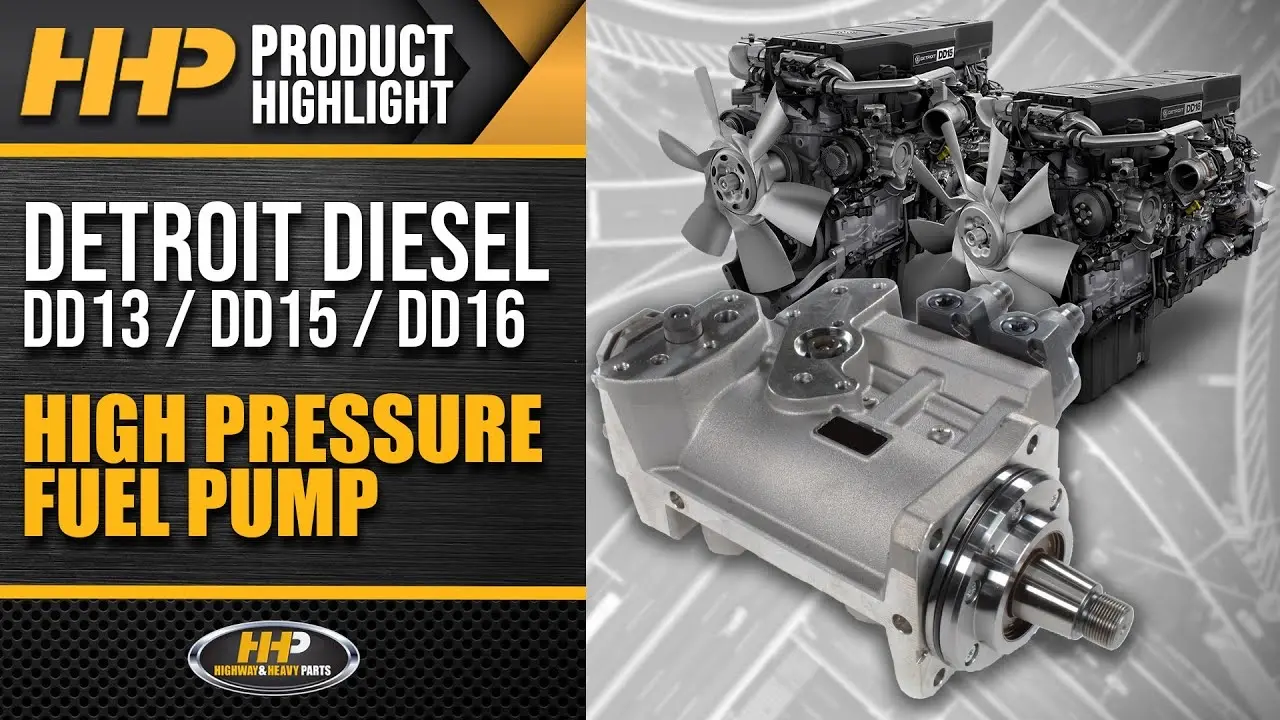
Detroit DD13, DD15, DD16 High Pressure Fuel Pump For Sale At HHP!







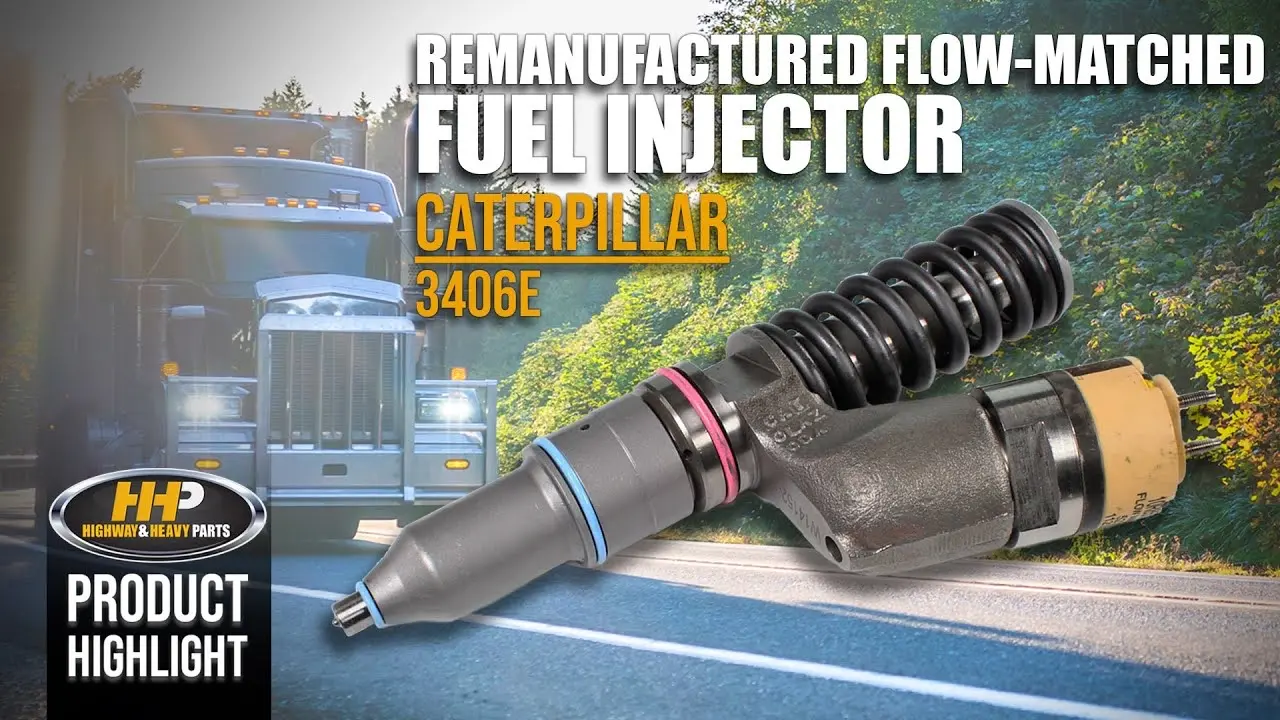

Continue reading The Flow Matched Caterpillar 3406e Fuel Injector You’ve Been Waiting For!!!
Few things make truck drivers tense up faster than seeing signs for a weigh station or spotting a DOT inspector on the side of the road.
The good news is that passing a DOT inspection isn’t about luck.
It’s about preparation.
Whether you’re an owner-operator, company driver, or fleet manager, the best way to avoid violations, costly downtime, and unexpected repairs is to make inspection readiness part of your daily routine—not something you think about only after you’ve been pulled over.
In this guide, we’ll explain the different DOT inspection levels, what inspectors are looking for, and the steps you can take before every trip to improve your chances of passing with confidence.
A Department of Transportation (DOT) inspection is a roadside safety inspection performed on commercial motor vehicles operating in the United States. These inspections are conducted by certified enforcement officers following standards established by the Commercial Vehicle Safety Alliance (CVSA) and enforced under the Federal Motor Carrier Safety Administration (FMCSA).
The goal isn’t simply to issue violations or citations.
DOT inspections exist to identify unsafe vehicles, verify driver qualifications, and reduce crashes caused by mechanical failures or non-compliance.
During an inspection, officers may examine the driver, the vehicle, or both depending on the inspection level being performed.
Not every roadside inspection is the same.
Depending on the situation, inspectors may perform one of six different inspection levels.
| Inspection Level | What It Covers |
|---|---|
| Level I | Complete driver and vehicle inspection (most comprehensive) |
| Level II | Walk-around driver and vehicle inspection (no under-vehicle inspection) |
| Level III | Driver credentials, Hours of Service, and required paperwork only |
| Level IV | Special one-time inspection focusing on a specific item or trend |
| Level V | Complete vehicle inspection performed without the driver present |
| Level VI | Enhanced inspection for vehicles transporting radioactive materials |
For most commercial truck drivers, Level I is the inspection to be prepared for because it is the most detailed and the most commonly performed.
According to the Commercial Vehicle Safety Alliance’s North American Standard Inspection Procedure, a Level I inspection follows a structured 37-step process that evaluates both the driver and the vehicle in a consistent sequence—from reviewing driver credentials to inspecting brakes, steering components, suspension, lighting, cargo securement, and completing brake system tests.
Fortunately, if you perform a quality pre-trip inspection every day, very little of a Level I inspection should come as a surprise.
The easiest DOT inspection is the one you’re already prepared for.
Professional drivers don’t wait until they see flashing lights in the mirror to start thinking about compliance. They develop habits that keep both the truck and the paperwork inspection-ready every day.
That preparation starts with three simple areas:
Let’s begin with your paperwork.
One of the first things an inspector will request is your documentation.
Searching through stacks of paperwork while an officer waits isn’t the best first impression.
Instead, keep everything organized in one folder or binder that’s easy to access from the driver’s seat.
| 📄 Driver Documents | 📄 Driver Documents |
|---|---|
| ✔ CDL | ✔ Registration |
| ✔ Medical Card | ✔ Insurance |
| ✔ ELD Info | ✔ Annual Inspection |
| ✔ HOS Logs | ✔ IFTA (if required) |
Having these documents organized doesn’t guarantee you’ll pass an inspection—but it demonstrates professionalism and allows the inspection to move more efficiently.
A pre-trip inspection is your opportunity to find problems before a DOT inspector—or worse, a roadside breakdown—finds them for you.
Walk completely around your truck before every trip and inspect the components most likely to create violations or safety concerns.
Pay particular attention to:
A five-minute inspection before leaving the yard can prevent hours of downtime later.
The goal isn’t simply to pass an inspection: it’s to identify small problems before they become expensive repairs—or serious safety hazards.
Many roadside violations don’t happen because a truck suddenly became unsafe.
Instead, they’re often the result of small maintenance issues that gradually developed over time and weren’t addressed before the inspection.
The good news is that most of these issues can be identified during a thorough pre-trip inspection or routine preventive maintenance.
While the condition of your truck is the primary focus of any DOT inspection, how you conduct yourself can also influence how smoothly the inspection goes.
When you’re stopped for an inspection:
A calm, professional attitude won’t fix a mechanical problem—but it helps the inspection proceed efficiently and demonstrates that you take safety seriously.
The best way to prepare for a DOT inspection isn’t the morning before your trip.
It’s every day you own or operate the truck.
Routine maintenance, preventive repairs, and consistent pre-trip inspections dramatically reduce the likelihood of violations while also helping prevent costly roadside breakdowns.
Simple habits like replacing worn lights, repairing air leaks, monitoring tire condition, changing filters on schedule, and addressing small issues before they become major repairs all contribute to a safer, more reliable truck.
Mechanic’s Tip: Most DOT violations don’t happen because a truck failed overnight. They happen because small maintenance items were ignored until inspection day. Catching problems early is almost always easier—and less expensive—than repairing them after they’ve caused a violation or roadside breakdown.
DOT inspections are designed to improve highway safety—not catch drivers off guard.
The best way to pass an inspection is to treat every day like inspection day. Keeping your paperwork organized, performing consistent pre-trip inspections, maintaining your truck, and addressing small problems before they become major repairs will significantly improve your chances of passing any roadside inspection.
More importantly, these habits help keep you, your truck, and everyone else on the road safer.
Whether you’re an owner-operator, fleet manager, or professional diesel technician, investing a few extra minutes before every trip is far easier than dealing with costly violations, unexpected downtime, or emergency roadside repairs.
If you have questions about maintaining your diesel engine or choosing quality replacement parts, our ASE Certified Technicians are here to help.
Call 844-304-7688 or visit highwayandheavyparts.com.
From diagnosis through delivery, we’re Highway and Heavy Parts.