Not every diesel engine operates under average conditions.
Some engines spend their lives:
- towing heavy loads,
- hauling freight,
- working construction sites,
- operating under sustained boost,
- or running continuously in high-load environments where heat and friction become long-term durability concerns.
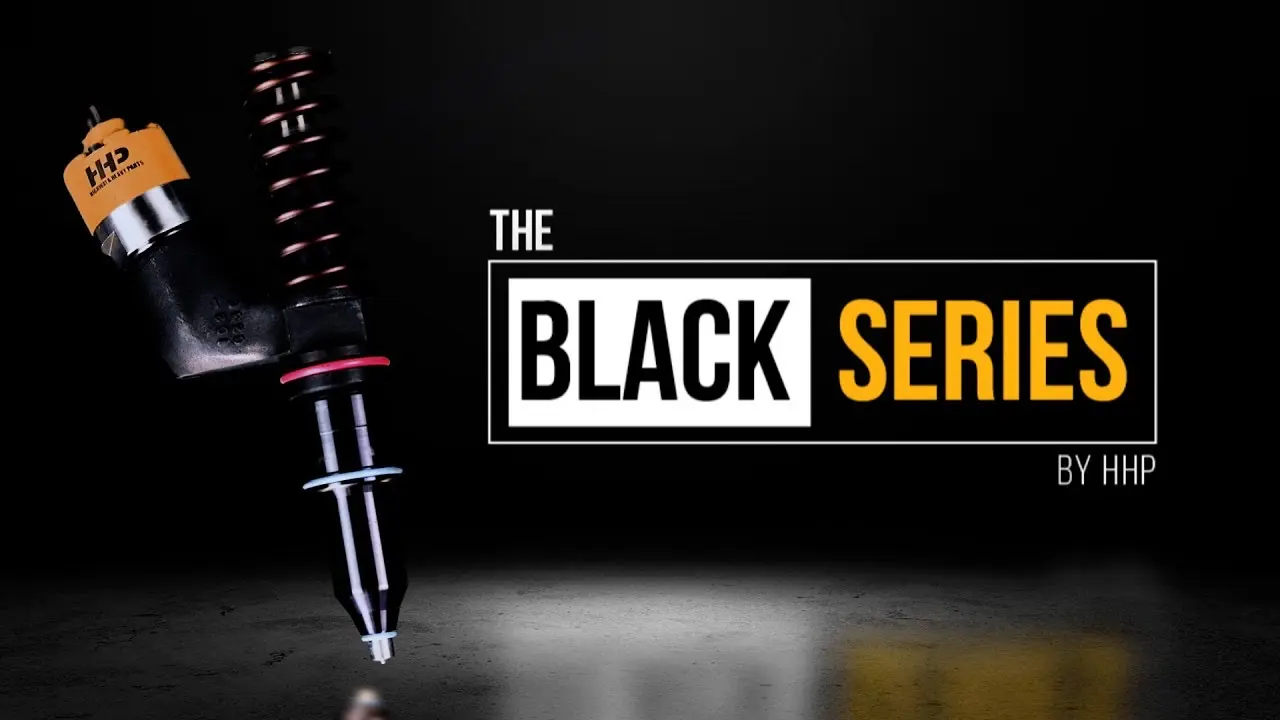
That is exactly why Highway and Heavy Parts developed the Black Series by HHP.
The goal is simple: support durability in engines operating under real-world heavy-duty conditions.
Quick Takeaway:
Black Series by HHP was developed for diesel applications where thermal management, friction reduction, and long-term durability matter under demanding operating conditions.
What Is Black Series by HHP?
Black Series is a premium diesel engine component line developed by Highway and Heavy Parts for applications operating under sustained load and elevated thermal stress.
The product line focuses heavily on:
- thermal management,
- friction reduction,
- component durability,
- and long-term reliability considerations.
Black Series was developed for diesel owners and operators looking for components designed specifically for:
- demanding operating conditions,
- prolonged heavy-duty use,
- and high-stress diesel applications.
👉 Black Series was developed around thermal management and durability strategies designed for demanding diesel applications.
Why Heat Management Matters in Diesel Engines
Heavy-duty diesel engines operate under extremely high combustion pressure and sustained heat.
Under heavy load conditions, diesel engines experience:
- elevated cylinder temperatures,
- sustained combustion heat,
- turbocharger heat,
- and continuous thermal cycling.
Over time, excessive heat can contribute to:
- increased friction,
- accelerated wear,
- oil breakdown,
- ring sealing issues,
- blow-by,
- and long-term component stress.
That becomes especially important in:
- towing applications,
- heavy-haul operations,
- commercial trucking,
- construction equipment,
- and performance-oriented diesel applications operating under sustained load.
Technical Note: Sustained combustion temperatures can affect piston crown heat levels, oil film stability, ring sealing performance, and overall internal engine wear over time.
Ceramic-Coated Pistons and Thermal Control
One of the primary Black Series features is the use of ceramic-coated pistons.
The ceramic coating is designed to help manage combustion heat at the piston surface by reducing heat transfer into the piston itself.
This approach is intended to support:
- thermal stability,
- heat management,
- and durability under sustained operating conditions.
Managing combustion heat becomes increasingly important in diesel engines operating under sustained load.
Rather than allowing excessive heat to transfer directly into internal components, thermal management strategies help support more controlled operating conditions over time.
Advanced Dry Film Lubrication Technology
Black Series also incorporates advanced dry film lubrication technology designed to help reduce friction between critical engine surfaces.
Friction inside diesel engines contributes directly to:
- heat generation,
- wear accumulation,
- and long-term component stress.
Dry film lubrication technology is designed to help support reduced friction during:
- cold starts,
- elevated load conditions,
- high cylinder pressure operation,
- and situations where oil film stability becomes increasingly important.
Common Misconception:
Many diesel engine builds focus primarily on horsepower while overlooking how heat and friction affect long-term internal engine durability.
Developed for Real-World Diesel Applications
Black Series was developed around the realities of how heavy-duty diesel engines are actually used.
That includes:
- towing,
- heavy hauling,
- commercial trucking,
- vocational applications,
- construction environments,
- and sustained high-load operation.
These are conditions where diesel engines may spend extended periods:
- under boost,
- at operating temperature,
- or working continuously under heavy load.
Long-Term Durability Was a Major Design Focus
One of the core goals behind Black Series was helping address the long-term effects associated with:
- thermal cycling,
- sustained heat,
- friction,
- and continuous operational stress.
That matters because many diesel engine failures do not happen instantly.
Instead, they often develop gradually through:
- excessive heat,
- lubrication breakdown,
- friction accumulation,
- and long-term wear over thousands of operating hours.
Long-term diesel engine durability is heavily influenced by how internal components manage heat and friction over time.
Black Series Dyno Testing Results
Our Black Series builds demonstrated:
- up to 94% reduction in oil consumption
- and approximately 72% reduction in blow-by compared to standard configurations
These controlled testing results highlight the potential impact thermal management and friction reduction strategies can have under specific operating conditions.
👉 HHP testing showed measurable reductions in both oil consumption and blow-by during controlled dyno testing.
Why Blow-By Matters in Diesel Engines
Blow-by occurs when combustion gases bypass the piston rings and enter the crankcase.
Excessive blow-by can contribute to:
- increased crankcase pressure,
- oil contamination,
- reduced efficiency,
- increased oil consumption,
- and accelerated wear over time.
Reducing blow-by helps support:
- ring sealing performance,
- combustion stability,
- and long-term operational efficiency.
That becomes increasingly important in heavy-duty diesel engines operating under sustained load conditions.
While Black Series appeals to many performance-oriented diesel owners, the product line was not developed strictly around peak horsepower numbers.
Many diesel owners prioritize:
- durability,
- longevity,
- thermal stability,
- and long-term reliability
far more than maximum dyno output alone.
That is especially true in:
- towing applications,
- commercial hauling,
- vocational equipment,
- and working diesel environments where uptime matters.
Why Thermal Stability Matters Over Time
Diesel engine durability is not determined solely by horsepower.
It is also heavily influenced by:
- thermal control,
- friction management,
- lubrication stability,
- and component wear over thousands of operating hours.
That becomes increasingly important as engines operate under:
- higher cylinder pressure,
- sustained towing conditions,
- elevated combustion temperatures,
- and prolonged heavy-duty operation.
Technical Perspective:
Heat management and friction reduction strategies are often overlooked factors in long-term diesel engine durability, especially in sustained high-load applications.
Final Takeaway
Black Series by HHP was developed around helping support durability in demanding diesel engine applications.
By focusing on:
- ceramic-coated pistons,
- advanced dry film lubrication technology,
- thermal management,
- friction reduction,
- and long-term operational stress,
Black Series was engineered for diesel owners operating under sustained heavy-duty conditions where heat and friction become major long-term considerations.
For towing, hauling, commercial, and high-load diesel applications, managing heat and friction over time becomes critical to long-term durability.
And that is exactly what Black Series was designed around.
Call 844-304-7688 or visit highwayandheavyparts.com to get the right diesel engine parts for your application.
From diagnosis through delivery, we’re Highway and Heavy Parts.