Keyword Search

Posted on

Caterpillar C15 Fuel Injector Failures: Precise Diagnosis, Failure Modes, and Replacement Strategy

If a Caterpillar C15 starts to smoke, miss, haze at idle, or loses power under load, injectors are high on the list: but guessing is what gets engines hurt.

On many C15 variants (notably HEUI systems), injectors are hydraulically actuated by high-pressure engine oil. That means injector performance depends on two systems at once:

  • Fuel supply (clean, stable pressure)
  • Actuation oil (ICP/IAP pressure, clean oil, correct viscosity)

When either side is off, injector behavior changes.

What “Correct” Looks Like

With a healthy system:

  • Smooth idle, even exhaust note
  • Stable rail/actuation pressure under load
  • Balanced cylinder contribution
  • Minimal visible smoke once warm

Any deviation should be traced to a cylinder, then to a cause – not straight to parts replacement.


Primary C15 Injector Failure Modes (What Actually Fails)

1) Internal Leakage → Fuel Dilution (High Risk)

Mechanism

  • Worn check valve or sealing surfaces inside injector
  • Failed injector O-rings (upper/middle/lower) allowing cross-leakage

What happens

  • Fuel bypasses normal metering
  • Fuel can enter the cylinder uncontrollably or migrate past rings

Hard indicators

  • Engine oil level rising with no external leak
  • Oil smells like diesel
  • Reduced oil viscosity → bearing risk

Why it matters

  • Fuel-diluted oil cannot maintain hydrodynamic film
  • Main and rod bearings are at risk quickly

2) Solenoid / Electrical Control Failure

Mechanism

  • Coil failure, high resistance, intermittent connection
  • Damaged injector pigtail or harness

What happens

  • Injector fails to open/close precisely
  • Timing and duration errors

Hard indicators

  • Misfire at specific cylinder
  • Contribution test shows weak cylinder
  • Electrical codes may or may not set

Key point
Electrical faults can look identical to mechanical injector failure – verify before replacing.


3) Nozzle Wear, Erosion, or Coking

Mechanism

  • High-pressure fuel erodes or deforms nozzle holes
  • Carbon buildup (“coking”) distorts spray pattern

What happens

  • Poor atomization
  • Larger droplets → incomplete burn

Hard indicators

  • Black smoke under load (overfueling/poor burn)
  • Elevated EGT on affected cylinder
  • Soot accumulation increases

Result

  • Higher piston crown temperature
  • Long-term risk to valves and liners

4) Sticking Injector (Open or Closed Behavior)

Mechanism

  • Deposits or wear cause internal components to hang

What happens

  • Injector stuck open → overfueling
  • Injector stuck closed → dead cylinder

Hard indicators

  • White/gray smoke (raw fuel) or dead miss
  • Engine may clear up as it warms (thermal expansion)
  • Severe cases: cylinder washdown

5) Seal/O-Ring Failure (Fuel/Air Cross-Leak)

Mechanism

  • O-ring degradation from heat, age, or contamination

What happens

  • Air intrusion into fuel system
  • Fuel pressure instability
  • Cross-port leakage

Hard indicators

  • Hard start after sitting
  • Aerated fuel symptoms
  • Inconsistent performance

6) HEUI-Specific: Actuation Oil Problems Misdiagnosed as Injectors

Mechanism

  • Low ICP/IAP pressure
  • Aerated or contaminated oil
  • High-pressure oil leaks (o-rings, rail)

What happens

  • Injectors cannot achieve commanded fuel pressure
  • Poor response, misfires under load

Hard indicators

  • Low actuation pressure vs commanded
  • Multiple cylinders affected
  • Improves with RPM (sometimes)

Key point
This is often misdiagnosed as “bad injectors”.


Diagnostic Workflow (What Actually Works)

Do not start with parts. Start with isolation.

1) Cylinder Cut-Out / Contribution Test

  • Disable one cylinder at a time (via Cat ET or manual method)
  • Watch RPM drop or fuel correction

Result

  • Weak change → suspect that cylinder

2) Verify Fuel Supply Pressure

  • Check at filter base or test port
  • Ensure stable pressure during crank and load

Why
Low supply pressure affects all injectors and mimics failure.

3) Check Actuation Oil Pressure (HEUI)

  • Compare actual vs commanded ICP/IAP
  • Look for lag, drop, or instability

Why
No actuation pressure = no injector performance.

4) Valve Cover Inspection

Look for:

  • Fuel wash (clean, stripped oil areas)
  • Oil dilution signs

Fuel wash indicates:
→ injector leaking into that cylinder

5) Temperature Comparison (Advanced but Effective)

  • Use IR gun on exhaust manifold runners

Result

  • Cold cylinder → underfueling/misfire
  • Hot cylinder → overfueling/poor atomization

Replacement Strategy (What Actually Makes Sense)

Replace One Injector vs Set?

  • Single failure, low hours: targeted replacement is acceptable
  • High mileage / multiple symptoms: replace as a set

Reason:

  • Injector balance matters
  • Mixed wear levels create uneven combustion

Always Replace:

  • Injector O-ring kits
  • Any damaged cups (if applicable)
  • Verify harness/pigtails

After Replacement:

  • Prime fuel system
  • Verify pressures
  • Recheck contribution balance

What Causes Repeat Injector Failures

Injectors rarely fail in isolation.

Common root causes:

  • Contaminated fuel
  • Poor filtration maintenance
  • Low fuel pressure
  • Air intrusion
  • Oil system issues (HEUI engines)

If the root cause isn’t fixed:
→ new injectors will fail again


HHP Insight: Don’t Treat Injectors as the Root Problem

Most repeat failures come from:

  • Fuel system imbalance
  • Actuation pressure issues
  • Contamination

Injectors are often the symptom, not the cause.


Final Thoughts

C15 injector problems are not just about replacing parts.

They’re about:

  • Identifying the failing cylinder
  • Verifying fuel and oil systems
  • Understanding combustion behavior

That’s how you prevent:

  • Repeat failures
  • Engine damage
  • Unnecessary costs

Need Caterpillar C15 fuel injectors?

Shop here:
👉 Caterpillar C15 Fuel Injectors

Or call 844-304-7688 to speak with a diesel expert.

From diagnosis through delivery, we’re Highway and Heavy Parts.

Posted on

Meet the Experts at HHP: Hunter Brooks

At Highway and Heavy Parts, experience doesn’t just come from titles – it comes from doing the work.

That’s exactly what makes Hunter’s story different.

She didn’t step into leadership from the outside. She built it from the ground up – starting in fulfillment and working her way to General Manager.

Starting Where the Work Happens

Hunter joined Highway and Heavy Parts in 2020 in an entry-level fulfillment role.

That means she wasn’t just around the process – she was part of it.

She learned:

  • How parts move through the warehouse
  • What accuracy looks like when orders go out
  • How delays, mistakes, and backorders impact real customers

That foundation matters. Because when you’ve been in the position where every detail counts, you understand how important it is to get it right the first time.


Building Experience Across the Business

As Hunter grew within HHP, she didn’t just move up – she expanded her understanding of the entire operation.

She gained hands-on experience in:

  • Order Fulfillment And Logistics
  • Team Leadership And Development
  • Customer-Focused Problem Solving
  • Operational Efficiency And Process Improvement

That kind of experience creates leaders who don’t just manage – they understand how every piece of the business connects.


A Leadership Style Built on Helping Others Succeed

One thing that stands out about Hunter is how she leads.

It’s not about titles or authority – it’s about making sure the people around her are set up to succeed.

That shows up in how she:

  • Supports Team Members In Their Roles
  • Encourages Growth Through Real Experience
  • Builds Strong Communication Across Departments
  • Focuses On Solutions, Not Just Problems

Because when the team is strong, the customer experience is better. And in this industry, that matters.


Why This Matters to Our Customers

You might not see Hunter directly on every call – but her impact is behind everything we do.

From how orders are processed to how teams communicate, her leadership helps ensure:

  • Parts Are Verified Before Shipping
  • Customers Get The Right Information The First Time
  • Problems Are Solved – Not Passed Around
  • The Team Works Together To Support Every Order

That’s what separates a company that sells parts from one that actually supports your repair.


Growth at HHP Isn’t Given – It’s Built

Hunter’s journey is a reflection of how growth works at Highway and Heavy Parts.

It comes from:

  • Learning The Process From The Ground Up
  • Gaining Real-World Experience
  • Building Strong Relationships Across The Team
  • Taking Ownership Of The Outcome

That’s the same mindset we bring to helping customers – understand the problem, do the work, and get it done right.


More Than a Team – A Group That Knows Diesel

At the end of the day, the people behind the company matter just as much as the parts.

Hunter’s story is just one example of how our team is built – with experience, accountability, and a focus on doing the job right.

Call 844-304-7688 to speak with a diesel parts specialist
or visit highwayandheavyparts.com to find the right rebuild kit for your engine.

From diagnosis through delivery, we’re Highway and Heavy Parts.

Posted on

Diesel Engine Break-In Procedure After Rebuild: Proper Steps for Ring Seating and Engine Life

After a diesel engine rebuild, the break-in procedure is not a minor detail. It is one of the most important factors affecting oil consumption, power, blow-by, and long-term engine life. The goal of break-in is to seat the piston rings correctly against the freshly honed cylinder wall so the engine can develop proper seal, oil control, and combustion efficiency. If break-in is not done correctly, it can lead to increased oil consumption, reduced fuel economy, and lower engine performance – even after a complete rebuild.

What Is a Diesel Engine Break-In Procedure After Rebuild

Diesel engine break-in is the process of getting the rings to conform to the cylinder liner or bore under real combustion pressure. The rings apply some outward force on their own, but proper sealing depends heavily on cylinder pressure pushing the rings outward into the wall and downward against the ring land. That is what helps establish ring seal and proper oil control. If that process does not happen correctly, the engine can end up with poor sealing, excessive oil consumption, smoke, and reduced performance.

This is why break-in is not just about “being careful” with a fresh engine. It is about applying the right conditions at the right time.

Why Proper Ring Seating Is So Important

A freshly honed cylinder wall has a controlled surface finish that is meant to work with the new rings during early operation. As the engine runs under proper load, the rings and cylinder wall wear into each other in a controlled way. That is what creates the seal needed for combustion pressure, oil control, and stable performance over time. MAHLE notes that correct machine work, ring gap, cleaning, and lubrication are part of proper break-in from the beginning, and that only a thin film of oil should remain on the rings and cylinder surfaces during assembly.

When rings do not seat correctly, the usual results show up quickly:

  • Blow-By
  • High Oil Consumption
  • Lower Power
  • Poor Fuel Economy
  • Smoke After Rebuild

These are often blamed on parts quality, but many of these symptoms can actually be tied back to the break-in period and may become difficult or impossible to correct without disassembly if cylinder glazing occurs.

First Startup: What Matters Immediately

The first startup should be handled efficiently. The engine should be started and limited to 5 to 10 minutes of idle while verifying oil pressure, checking for leaks, monitoring coolant temperature, and confirming proper operation. Extended idle during this stage can delay ring seating and contribute to increased oil consumption.

That first startup is not the time for extended idling. Long idle periods and light-load operation do not create the combustion pressure and temperature needed to seat rings correctly. Directly that idling and low load can glaze the cylinder walls and prevent the rings from ever sealing properly.

Load vs. Idle During Diesel Engine Break-In

This is the most important technical point in the entire process: rings seat under load, not at idle. Combustion pressure is what forces the compression rings into proper contact with the cylinder wall, and that idling, free-revving, or hauling light loads may not generate enough pressure or heat for correct seating.

For many heavy-duty diesel applications, a loaded dyno is the most controlled method because it allows load, RPM, and temperature to be managed closely. When a dyno is not available, getting the engine under meaningful working load as early as practical, while still following the specific engine maker’s guidance. Early in the break-in process, we recommend operating the engine at approximately 75% to 80% of rated load to generate the combustion pressure needed for proper ring seating.

The First 100 to 500 Miles After Rebuild

Exact break-in instructions vary by OEM, rebuilder, and application, so the engine manufacturer’s service literature should always take priority over any general guideline. That said, the most critical ring seating occurs early, and many break-in recommendations continue through roughly the first 100 to 500 miles, with some builders extending the broader caution period further depending on engine type and usage. During break-in, we recommend applying load early within the first 100 to 150 miles, followed by the first oil change at 500 miles to remove initial wear material and contaminants. The first few hours are the most critical for seating, and early oil samples from rebuilt engines often show elevated metals.

During this early operating window, the priority is controlled, meaningful work rather than abusive operation. In practical terms, that usually means:

  • Avoiding Extended Idle Time
  • Avoiding High-RPM, Light-Load Running
  • Varying Engine Speed and Load Instead of Holding One Steady Condition
  • Putting the Engine to Work Without Over-Speeding or Lugging It Beyond the OEM’s Limits

That balance matters. The engine needs pressure and temperature to seat the rings, but it still has to be operated within the builder’s and manufacturer’s safe limits.

Common Diesel Engine Break-In Mistakes

A lot of early failures after overhaul come back to a few common mistakes.

The first is extended idling. This is one of the worst things you can do to a fresh diesel rebuild because it reduces the pressure and heat needed for ring seating and increases the risk of glazing. The second is high RPM with light load, which can also fail to seat the rings correctly. The third is assuming that “easy” operation is always the safest option. With a rebuilt diesel, too little load can be just as damaging as abusive operation.

Another mistake is ignoring follow-up maintenance. The first oil change by 500 miles is recommended to remove contaminants and early wear material generated during break-in.

How To Break In Your Diesel Engine The Right Way!

Continue reading Diesel Engine Break-In Procedure After Rebuild: Proper Steps for Ring Seating and Engine Life

Posted on

Cummins ISX Inframe Rebuild Kit: Liner Protrusion, Ring Seal Dynamics, and Failure Analysis

Cummins ISX engines don’t fail randomly – they fail predictably based on wear patterns, thermal load, and sealing breakdown.

An inframe rebuild restores the combustion system – but only if mechanical geometry, surface finish, and sealing dynamics are correct.

This guide breaks down the engineering-level details behind a successful Cummins ISX rebuild.

Continue reading Cummins ISX Inframe Rebuild Kit: Liner Protrusion, Ring Seal Dynamics, and Failure Analysis
Posted on

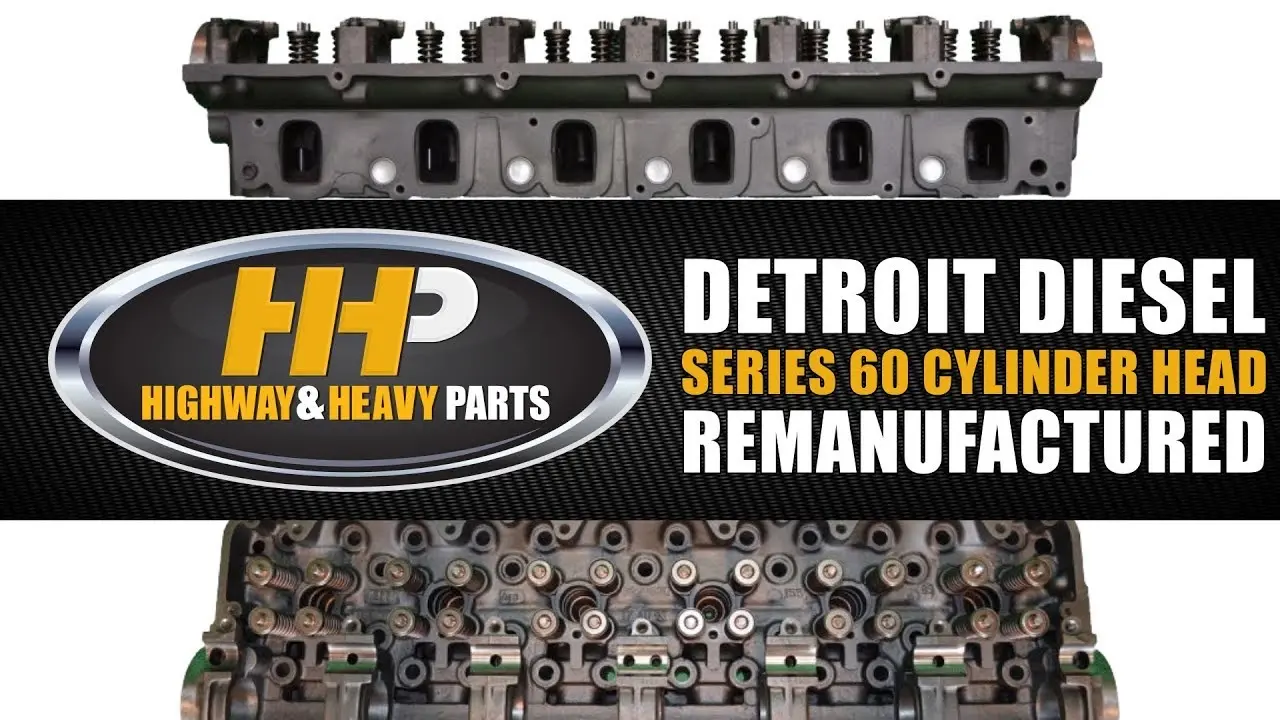
Detroit Diesel Series 60 Dropped Valve Seat: The Cylinder Head Failure That Destroys Engines

Most catastrophic Detroit Diesel Series 60 failures don’t start with a bang – they start with something small.

A slight misfire. A little loss of power. Maybe some unusual noise. Then suddenly… the engine is done.

One of the most common causes?

A dropped valve seat inside the cylinder head.

If you’re running a Series 60, this is one failure you need to understand – because once it happens, you’re no longer talking about a simple repair.

What Is a Dropped Valve Seat?

Inside your cylinder head, valve seats are precision-machined inserts that allow the intake and exhaust valves to seal properly against the head.

Over time, due to:

  • Extreme Heat Cycles
  • Material Fatigue
  • Improper Cooling
  • High Exhaust Temperatures

…the press fit between the seat and the head weakens.

Eventually, the seat can loosen and fall out of position – this is what’s known as a dropped valve seat.


Why This Failure Is So Destructive

When a valve seat drops, it doesn’t just sit there.

It gets caught between the valve and piston. That leads to:

  • Bent Or Broken Valves
  • Severe Piston Damage
  • Cylinder Wall Scoring
  • Potential Turbocharger Damage From Debris

In many cases, a dropped valve seat turns a top-end repair into a full engine rebuild.


Early Warning Signs Most People Miss

The problem with this failure is that it often gives subtle warnings before becoming catastrophic.

Watch For These Symptoms:

  • Light Ticking Or Tapping From The Valve Train
  • Intermittent Misfire Under Load
  • Loss Of Compression In A Single Cylinder
  • Unexplained Power Loss
  • Increased Exhaust Temperature On One Cylinder

By the time the noise becomes loud or constant, damage is usually already happening.


Why Series 60 Engines Are Prone to This Issue

Detroit Diesel Series 60 engines are especially vulnerable to this type of failure when overheating occurs.

When cylinder head temperatures get too high, the powdered metal intake valve seats can lose their press fit and fall out of place. Once that happens, the damage escalates quickly.

In most cases, this doesn’t just stop at the cylinder head. When a valve seat drops:

  • It gets forced into the combustion chamber
  • The piston makes contact with the loose seat
  • Internal damage spreads across the cylinder

That’s why overheating-related valve seat failure often leads to more than just a head repair – it typically requires piston replacement and a deeper inspection of the rotating assembly.


Why Replacing Individual Components Isn’t Enough

Once a valve seat has moved or failed, the integrity of the entire cylinder head is compromised.

Even if you:

  • Replace the valve
  • Reinstall or machine the seat
  • Clean up the area

…you’re still dealing with a head that has already experienced material distortion and stress. That’s why these repairs often fail again.


Why a Reman Cylinder Head Is the Safer Solution

A properly remanufactured Series 60 cylinder head addresses the root of the problem—not just the symptom.

Key Benefits:

  • New Or Reconditioned Valve Seats Installed To Proper Specifications
  • Pressure Tested To Eliminate Cracks
  • Machined Surfaces For Proper Sealing
  • Restored Valve Train Geometry
  • Built To Handle Thermal And Mechanical Stress

Instead of patching a failure, you’re restoring the entire top end of the engine.


Don’t Wait Until It Drops

If you’re seeing early signs of valve train issues or unexplained performance loss, this is not something to ignore.

Unfortunately, a dropped valve seat doesn’t give you a second chance.

It goes from minor symptoms to major engine damage fast.


Get the Right Series 60 Cylinder Head

If you’re dealing with valve seat concerns or planning a repair, make sure you’re installing a cylinder head you can trust.

👉 Detroit Diesel Series 60 11.1L Cylinder Heads & Components

👉 Detroit Diesel Series 60 12.7L Cylinder Heads & Components

👉 Detroit Diesel Series 60 14L Cylinder Heads & Components

Call 844-304-7688 to speak with a diesel parts specialist
or visit highwayandheavyparts.com to find the right rebuild kit for your engine.

From diagnosis through delivery, we’re Highway and Heavy Parts.

Posted on

Highway and Heavy Parts: America’s Trusted Diesel Engine Parts Supplier

When a heavy-duty diesel engine goes down, the last thing you need is a dead end. Too often, repair shops and fleet managers hit a roadblock in their normal supply chain and end up scouring the internet, hoping to find the right component to get a truck back on the road.

That is exactly why Highway and Heavy Parts (HHP) was built. We saw a shifting industry where parts suppliers were no longer providing true service, leaving mechanics and owner-operators to figure things out on their own. HHP was created to be the reliable, knowledgeable voice on the other side of your search – a real resource providing solutions, not just a transactional storefront.

Continue reading Highway and Heavy Parts: America’s Trusted Diesel Engine Parts Supplier
Posted on

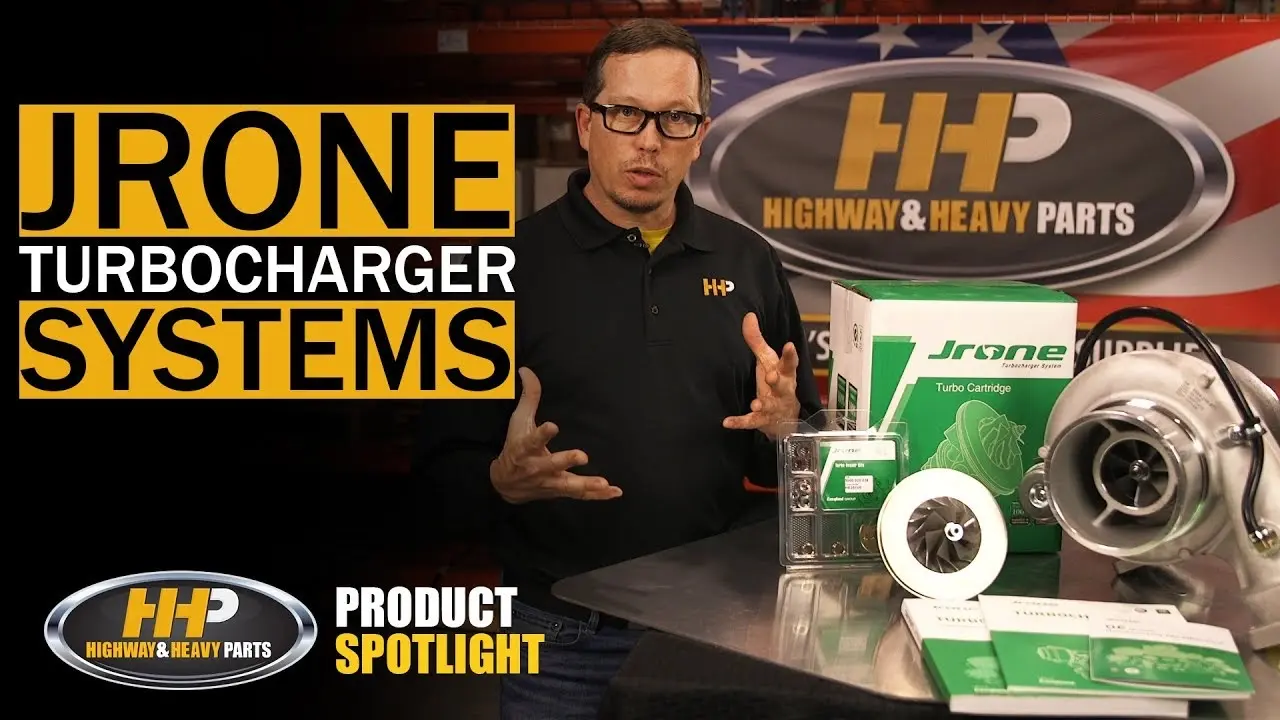
Jrone Turbochargers: What They Are, How They’re Built, and Where They Fit in Diesel Applications

Turbochargers are one of the most critical components in a diesel engine.

But not all turbochargers are built – or supported – the same.

Jrone has become a recognized name in the global turbocharger market, supplying components, assemblies, and repair solutions for both automotive and heavy-duty diesel applications.

Understanding where Jrone fits – and how their turbochargers are built – can help you make a better decision when it comes to replacement or repair.

Continue reading Jrone Turbochargers: What They Are, How They’re Built, and Where They Fit in Diesel Applications
Posted on

Most Common Diesel Engine Fault Codes (And What Actually Causes Them)

When a diesel engine throws a fault code, it’s easy to assume the problem is straightforward.

But in real-world diagnostics, that’s rarely the case.

👉 A fault code points you in a direction – it doesn’t tell you the root cause.

For repair shops, fleet managers, and owner-operators, understanding what these codes actually mean in practice is what prevents:

  • Misdiagnosis
  • Unnecessary part replacement
  • Repeat failures

Below are some of the most common diesel engine fault codes – and what’s really behind them.

Continue reading Most Common Diesel Engine Fault Codes (And What Actually Causes Them)
Posted on

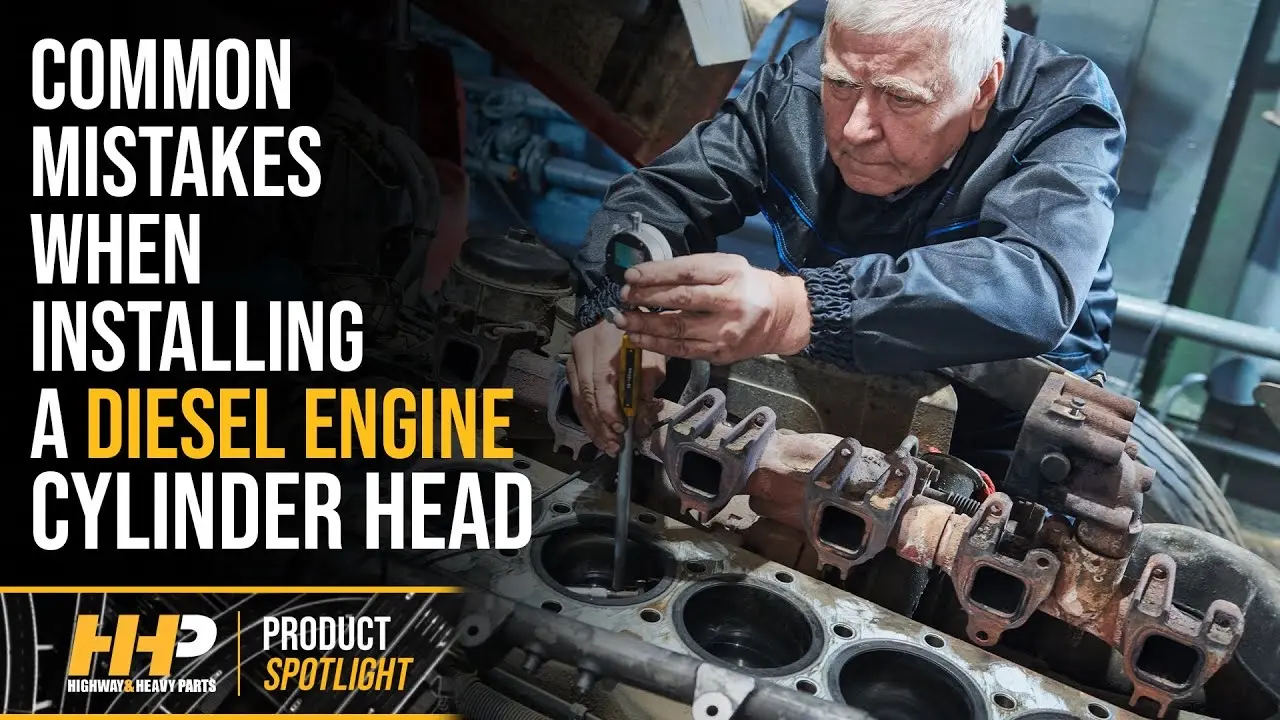
Common Cylinder Head Installation Mistakes on Heavy-Duty Diesel Engines

Replacing your cylinder head is no small task, as it is a key component of your heavy-duty diesel engine. Together with the head gasket, the cylinder head forms the combustion chamber, making it absolutely essential for proper combustion. Getting the cylinder head installed correctly is crucial for your engine’s long-term well-being, but the process leaves plenty of room for error. Below, we will delve into the most common mistakes made during a cylinder head installation and outline the serious performance issues these slip-ups can create.

Continue reading Common Cylinder Head Installation Mistakes on Heavy-Duty Diesel Engines
Posted on

Cummins X15 Single Cam Cylinder Head Problems: Valve Recession and Seat Failure Explained

The Cummins X15 single cam engine introduced a simplified valvetrain design.

But with that design came a very specific failure pattern:

Valve recession and valve seat wear inside the cylinder head.

This issue does not always show up immediately – but when it does, it leads to:

  • Loss Of Compression
  • Misfires Under Load
  • Increased Exhaust Temperatures
  • Premature Cylinder Head Failure

Understanding why this happens is critical to preventing repeat repairs.

Continue reading Cummins X15 Single Cam Cylinder Head Problems: Valve Recession and Seat Failure Explained
Posted on

Black Series by HHP: Built Around Heat Management, Durability, and Long-Term Diesel Reliability

Not every diesel engine operates under average conditions.

Some engines spend their lives:

  • towing heavy loads,
  • hauling freight,
  • working construction sites,
  • operating under sustained boost,
  • or running continuously in high-load environments where heat and friction become long-term durability concerns.

That is exactly why Highway and Heavy Parts developed the Black Series by HHP.

The goal is simple: support durability in engines operating under real-world heavy-duty conditions.

Quick Takeaway:
Black Series by HHP was developed for diesel applications where thermal management, friction reduction, and long-term durability matter under demanding operating conditions.

What Is Black Series by HHP?

Black Series is a premium diesel engine component line developed by Highway and Heavy Parts for applications operating under sustained load and elevated thermal stress.

The product line focuses heavily on:

  • thermal management,
  • friction reduction,
  • component durability,
  • and long-term reliability considerations.

Black Series was developed for diesel owners and operators looking for components designed specifically for:

  • demanding operating conditions,
  • prolonged heavy-duty use,
  • and high-stress diesel applications.
👉 Black Series was developed around thermal management and durability strategies designed for demanding diesel applications.

Why Heat Management Matters in Diesel Engines

Heavy-duty diesel engines operate under extremely high combustion pressure and sustained heat.

Under heavy load conditions, diesel engines experience:

  • elevated cylinder temperatures,
  • sustained combustion heat,
  • turbocharger heat,
  • and continuous thermal cycling.

Over time, excessive heat can contribute to:

  • increased friction,
  • accelerated wear,
  • oil breakdown,
  • ring sealing issues,
  • blow-by,
  • and long-term component stress.

That becomes especially important in:

  • towing applications,
  • heavy-haul operations,
  • commercial trucking,
  • construction equipment,
  • and performance-oriented diesel applications operating under sustained load.
Technical Note: Sustained combustion temperatures can affect piston crown heat levels, oil film stability, ring sealing performance, and overall internal engine wear over time.

Ceramic-Coated Pistons and Thermal Control

One of the primary Black Series features is the use of ceramic-coated pistons.

The ceramic coating is designed to help manage combustion heat at the piston surface by reducing heat transfer into the piston itself.

This approach is intended to support:

  • thermal stability,
  • heat management,
  • and durability under sustained operating conditions.

Managing combustion heat becomes increasingly important in diesel engines operating under sustained load.

Rather than allowing excessive heat to transfer directly into internal components, thermal management strategies help support more controlled operating conditions over time.


Advanced Dry Film Lubrication Technology

Black Series also incorporates advanced dry film lubrication technology designed to help reduce friction between critical engine surfaces.

Friction inside diesel engines contributes directly to:

  • heat generation,
  • wear accumulation,
  • and long-term component stress.

Dry film lubrication technology is designed to help support reduced friction during:

  • cold starts,
  • elevated load conditions,
  • high cylinder pressure operation,
  • and situations where oil film stability becomes increasingly important.
Common Misconception:
Many diesel engine builds focus primarily on horsepower while overlooking how heat and friction affect long-term internal engine durability.

Developed for Real-World Diesel Applications

Black Series was developed around the realities of how heavy-duty diesel engines are actually used.

That includes:

  • towing,
  • heavy hauling,
  • commercial trucking,
  • vocational applications,
  • construction environments,
  • and sustained high-load operation.

These are conditions where diesel engines may spend extended periods:

  • under boost,
  • at operating temperature,
  • or working continuously under heavy load.
Related Reading:
Diesel Problems That Show Up Under High Load

High-load diesel applications place additional stress on pistons, turbochargers, cooling systems, lubrication systems, and combustion temperatures over time.


Long-Term Durability Was a Major Design Focus

One of the core goals behind Black Series was helping address the long-term effects associated with:

  • thermal cycling,
  • sustained heat,
  • friction,
  • and continuous operational stress.

That matters because many diesel engine failures do not happen instantly.

Instead, they often develop gradually through:

  • excessive heat,
  • lubrication breakdown,
  • friction accumulation,
  • and long-term wear over thousands of operating hours.

Long-term diesel engine durability is heavily influenced by how internal components manage heat and friction over time.


Black Series Dyno Testing Results

Our Black Series builds demonstrated:

  • up to 94% reduction in oil consumption
  • and approximately 72% reduction in blow-by compared to standard configurations

These controlled testing results highlight the potential impact thermal management and friction reduction strategies can have under specific operating conditions.

👉 HHP testing showed measurable reductions in both oil consumption and blow-by during controlled dyno testing.

Why Blow-By Matters in Diesel Engines

Blow-by occurs when combustion gases bypass the piston rings and enter the crankcase.

Excessive blow-by can contribute to:

  • increased crankcase pressure,
  • oil contamination,
  • reduced efficiency,
  • increased oil consumption,
  • and accelerated wear over time.

Reducing blow-by helps support:

  • ring sealing performance,
  • combustion stability,
  • and long-term operational efficiency.

That becomes increasingly important in heavy-duty diesel engines operating under sustained load conditions.


Black Series Is Not Limited to Performance Applications

While Black Series appeals to many performance-oriented diesel owners, the product line was not developed strictly around peak horsepower numbers.

Many diesel owners prioritize:

  • durability,
  • longevity,
  • thermal stability,
  • and long-term reliability

far more than maximum dyno output alone.

That is especially true in:

  • towing applications,
  • commercial hauling,
  • vocational equipment,
  • and working diesel environments where uptime matters.

Why Thermal Stability Matters Over Time

Diesel engine durability is not determined solely by horsepower.

It is also heavily influenced by:

  • thermal control,
  • friction management,
  • lubrication stability,
  • and component wear over thousands of operating hours.

That becomes increasingly important as engines operate under:

  • higher cylinder pressure,
  • sustained towing conditions,
  • elevated combustion temperatures,
  • and prolonged heavy-duty operation.
Technical Perspective:
Heat management and friction reduction strategies are often overlooked factors in long-term diesel engine durability, especially in sustained high-load applications.

Final Takeaway

Black Series by HHP was developed around helping support durability in demanding diesel engine applications.

By focusing on:

  • ceramic-coated pistons,
  • advanced dry film lubrication technology,
  • thermal management,
  • friction reduction,
  • and long-term operational stress,

Black Series was engineered for diesel owners operating under sustained heavy-duty conditions where heat and friction become major long-term considerations.

For towing, hauling, commercial, and high-load diesel applications, managing heat and friction over time becomes critical to long-term durability.

And that is exactly what Black Series was designed around.

Call 844-304-7688 or visit highwayandheavyparts.com to get the right diesel engine parts for your application.

From diagnosis through delivery, we’re Highway and Heavy Parts.

View self help and informational diesel engine videos in Highway and Heavy Parts extensive video library.