


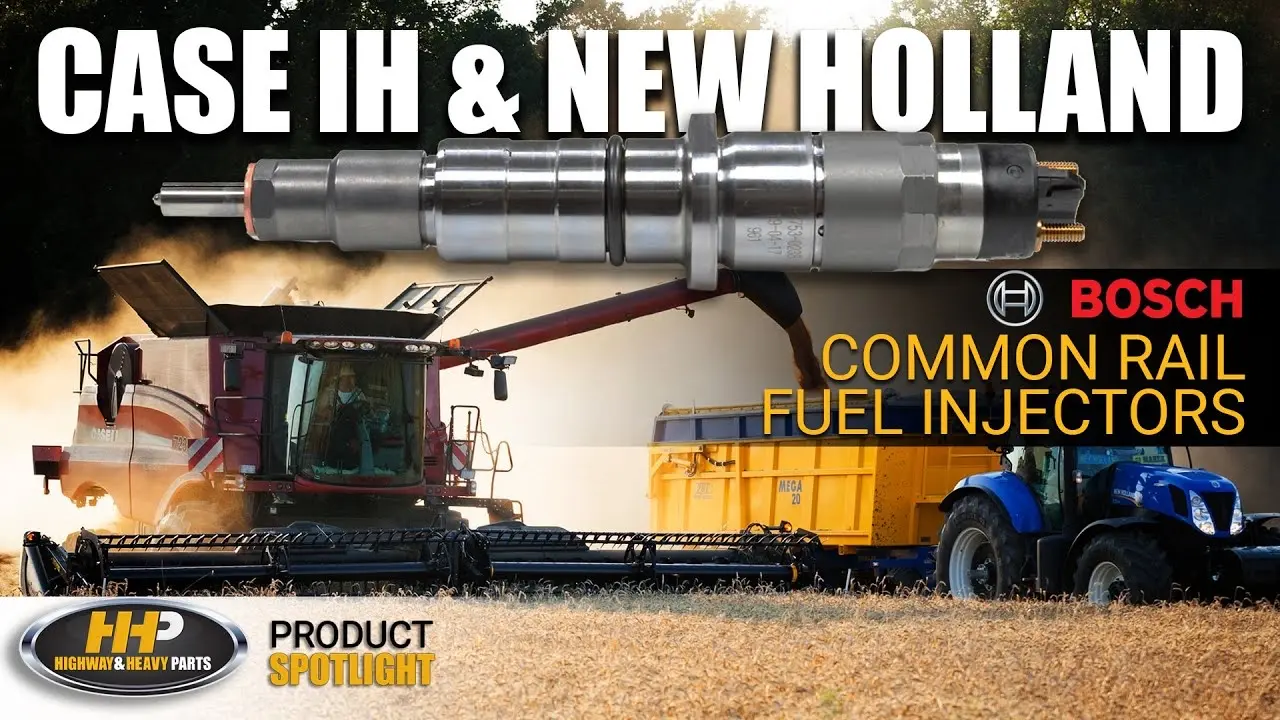
Case/New Holland diesel engines – powered largely by FPT Industrial platforms – are widely used across agriculture and heavy equipment.
You’ll see them in:
- Combines
- Tractors
- Construction equipment
- Industrial applications
Engines like the 8.7L and 12.9L platforms are built for demanding environments, but like any diesel engine under load, they have common failure points.
Understanding these issues early can help prevent downtime, repeat failures, and major engine damage.
Why Case/New Holland Diesel Engines Develop Problems
These engines operate in conditions that push multiple systems at once:
- Heavy load cycles
- Dust, chaff, and debris exposure
- Long run times
- Heat buildup in tight engine bays
Because of this, most failures are not random.
👉 They are system-related and predictable when you know what to look for.
Loss of Power and Random Shutdowns
Power loss is one of the most common complaints.
This can show up as:
- Sluggish performance under load
- Inconsistent RPM
- Sudden shutdowns
Common Causes
- Fuel Restrictions (plugged screens, restricted lines)
- Injector Performance Issues
- Turbocharger Problems (boost leaks, wastegate failure)
- Electronic Control Issues (ECU faults)
One important detail:
👉 Not all electronic issues will trigger a fault code.
That means relying only on stored codes can lead to missed problems. Live data is often required to diagnose correctly.
Fuel System Problems and Injector Failure
Fuel system issues are one of the most frequent root causes of performance problems.
Common Fuel System Issues
- Premature Injector Failure
- Sticky Injectors from ULSD Varnish
- Fuel Line Restrictions
- Contaminated Fuel
Ultra-Low Sulfur Diesel (ULSD) can contribute to varnish buildup inside injectors. Over time, this can cause:
- Hard starting
- Rough idle
- Mechanical knocking
- Poor fuel atomization
If left unresolved, injector issues can lead to internal engine damage.
Overheating and Cooling System Issues
Overheating is extremely common in Case/New Holland equipment – especially in agricultural environments.
Why It Happens
- Radiator Fins Plugged with Debris
- Restricted Airflow (Chaff, Dust, Dirt)
- Cooling System Inefficiency
- High Ambient Operating Conditions
When airflow is restricted, heat cannot escape efficiently.
This leads to:
- High engine temperatures
- Reduced performance
- Increased wear on internal components
👉 In many cases, overheating is preventable with proper maintenance and cleaning.
Sensor and Electronic System Issues
Modern Case/New Holland engines rely heavily on sensors and electronic controls.
Common Issues
- Faulty sensors without active fault codes
- “Silent derate” conditions (reduced power with no warning)
- ECU-related inconsistencies
- Poor electrical connections
These problems can be difficult to diagnose because:
👉 The engine may not show a clear diagnostic trouble code (DTC)
This is why monitoring live engine data is critical during troubleshooting.
Turbocharger and Air System Problems
Airflow issues directly affect engine performance.
Common Problems
- Turbocharger Shaft Failure
- Wastegate Malfunction
- Boost Leaks
- Air Intake Restrictions
When airflow is reduced or inconsistent, the engine cannot maintain proper combustion.
This results in:
- Power loss
- Excess smoke
- Poor fuel efficiency
Hard Starting and Electrical Issues
Hard starting is another issue seen across multiple models.
Typical Causes
- Weak or inconsistent voltage
- Poor ground connections
- Faulty sensors
- Fuel delivery issues
Even small electrical issues can affect:
- Injector timing
- Fuel delivery
- Engine startup performance
Catastrophic Engine Failures (Less Common, But Critical)
While less common, some failures can be severe.
These may include:
- Cracked engine blocks
- Broken piston sleeves
- Internal component failure under load
In many cases, these failures are not isolated events.
👉 They are the result of unresolved underlying issues, such as:
- Fuel system problems
- Lubrication failures
- Overheating
What to Check When Diagnosing Case/New Holland Engines
A proper diagnostic approach should include:
- Fuel system inspection (pressure, restrictions, contamination)
- Cooling system airflow and radiator condition
- Live sensor data monitoring
- Electrical system checks (grounds, voltage stability)
- Turbocharger and intake system inspection
If the engine shows symptoms under load:
👉 Shut it down and inspect immediately.
Running through a misfire or performance issue can lead to major internal damage.
How to Prevent Common Failures
Most of these issues can be reduced with consistent maintenance:
- Keep cooling systems clean (especially radiators)
- Monitor fuel quality and filtration
- Address performance issues early
- Verify proper electrical connections
- Do not ignore warning signs under load
Small issues in diesel engines rarely stay small.
Final Takeaway
Case/New Holland diesel engines are built for demanding applications, but they rely on multiple systems working together.
Most common problems come down to:
- Fuel system performance
- Airflow and cooling
- Electrical and sensor accuracy
👉 Understanding the system is what prevents downtime – not just replacing parts.
Need Help Diagnosing a Case/New Holland Engine Problem?
If you’re dealing with:
- Power loss
- Injector issues
- Overheating
- Hard starting
Getting the right answer early can prevent bigger failures.
Call 844-304-7688 or visit highwayandheavyparts.com to shop for products today.
From diagnosis through delivery, we’re Highway and Heavy Parts.


