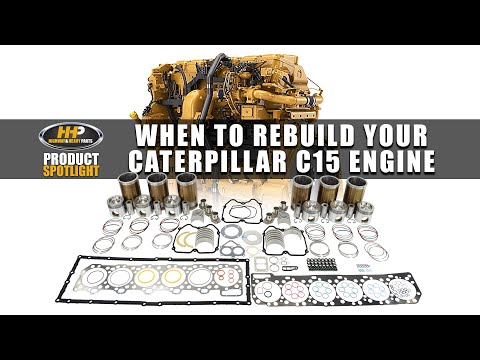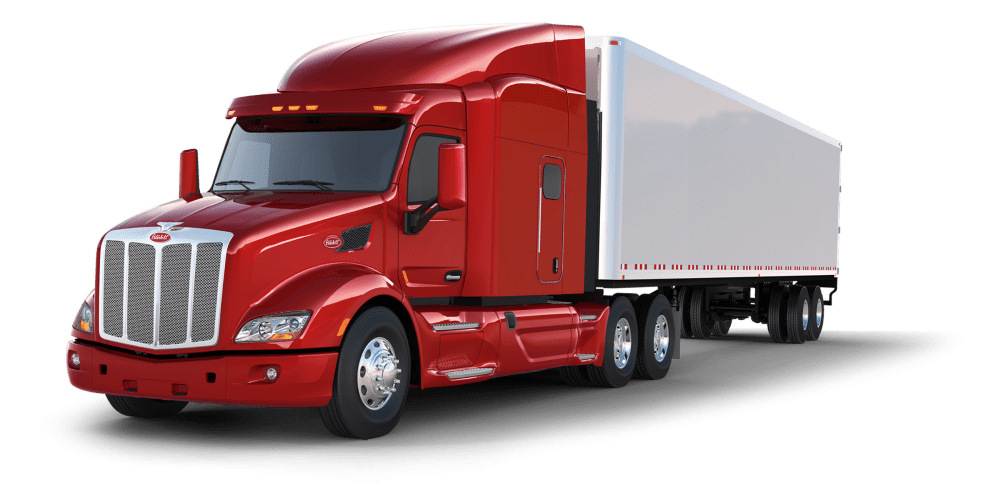
When Caterpillar stopped producing on-highway diesel engines in 2010, it didn’t mean those engines disappeared.
In fact, thousands of Caterpillar engines – especially the C15 – are still running today in fleets across the country.
So the real question isn’t just why Caterpillar left the market.
If you’re looking for a full breakdown of that decision, read Why Caterpillar Stopped Making On-Highway Diesel Engines to understand the emissions, engineering, and business factors behind it.
👉 It’s what that decision means for reliability, parts availability, and long-term ownership today.
Why Caterpillar Engines Are Still on the Road
Even though Caterpillar exited the on-highway market, their engines didn’t go anywhere.
That’s because engines like the C15 were built with:
- Strong bottom-end components
- Serviceable cylinder heads
- Replaceable cylinder liners
Unlike many newer platforms, these engines were designed to be rebuilt – not replaced.

The Shift: From OEM Support to Aftermarket Dependence
When Caterpillar stopped producing truck engines, long-term ownership changed.
Today, maintaining a Caterpillar engine depends more on:
- Aftermarket parts availability
- Proper diagnostics
- Choosing the right components during repairs
👉 Browse Caterpillar Parts HERE
What This Means for Repairs and Rebuilds
Caterpillar engines are still widely rebuilt – but success depends on doing it correctly.
Key Factors that Matter Today:
- Correct liner height and installation
- Proper head gasket sealing and clamp load
- Fuel system condition and calibration
- Turbocharger performance
👉 Explore Engine Rebuild Kits HERE
Why Some Caterpillar Engines Last – and Others Don’t
Two C15 engines can have completely different outcomes.
One runs for years after a rebuild.
The other fails early.
👉 The difference usually comes down to how the repair was done – not just what parts were used.
Common failure points include:
- Low-quality components
- Improper installation
- Missed root causes
The ACERT Factor: What Changed in Later CAT Engines
Later, Caterpillar engines introduced ACERT (Advanced Combustion Emissions Reduction Technology).
This included:
- Twin turbocharger systems
- Advanced fuel timing control
- Increased system complexity
While these systems improved emissions performance, they also made diagnostics and repairs more critical.
Are Caterpillar Truck Engines Still a Good Investment?
For many operators, the answer is still yes – but with conditions.
Caterpillar engines can still be a strong option if:
- The engine is properly maintained
- Repairs are done correctly
- The right parts are used
However, ownership today requires more attention to detail than it did when OEM production was active.
What to Watch for in Aging Caterpillar Engines
As these engines continue to age, certain issues become more common:
- Oil consumption and blow-by
- Turbocharger wear
- Injector performance issues
- Cooling system inefficiencies
Catching these early can prevent major failures.
Why the Right Parts Matter More Than Ever
Without OEM production, the aftermarket plays a critical role.
That means:
- Not all parts are equal
- Fitment and quality matter more
- Technical support becomes essential
👉 Shop All Diesel Engine Parts HERE
Final Thoughts
Caterpillar may have stopped building on-highway diesel engines – but their engines are still working every day.
The difference now is how they’re maintained, repaired, and supported.
Understanding what changed – and what still matters – can help you get the most life out of your engine and avoid repeat failures.
Call 844-304-7688 or visit highwayandheavyparts.com to place your order today.
From diagnosis through delivery, we’re Highway and Heavy Parts.
Caterpillar Resource Library
Related Articles:
WHEN TO REBUILD YOUR CATERPILLAR C15 DIESEL ENGINE
CATERPILLAR DIESEL ENGINE SERIAL NUMBERS
WHAT’S THE DIFFERENCE BETWEEN CATERPILLAR 3406E, C15, AND C15 ACERT DIESEL ENGINES?