


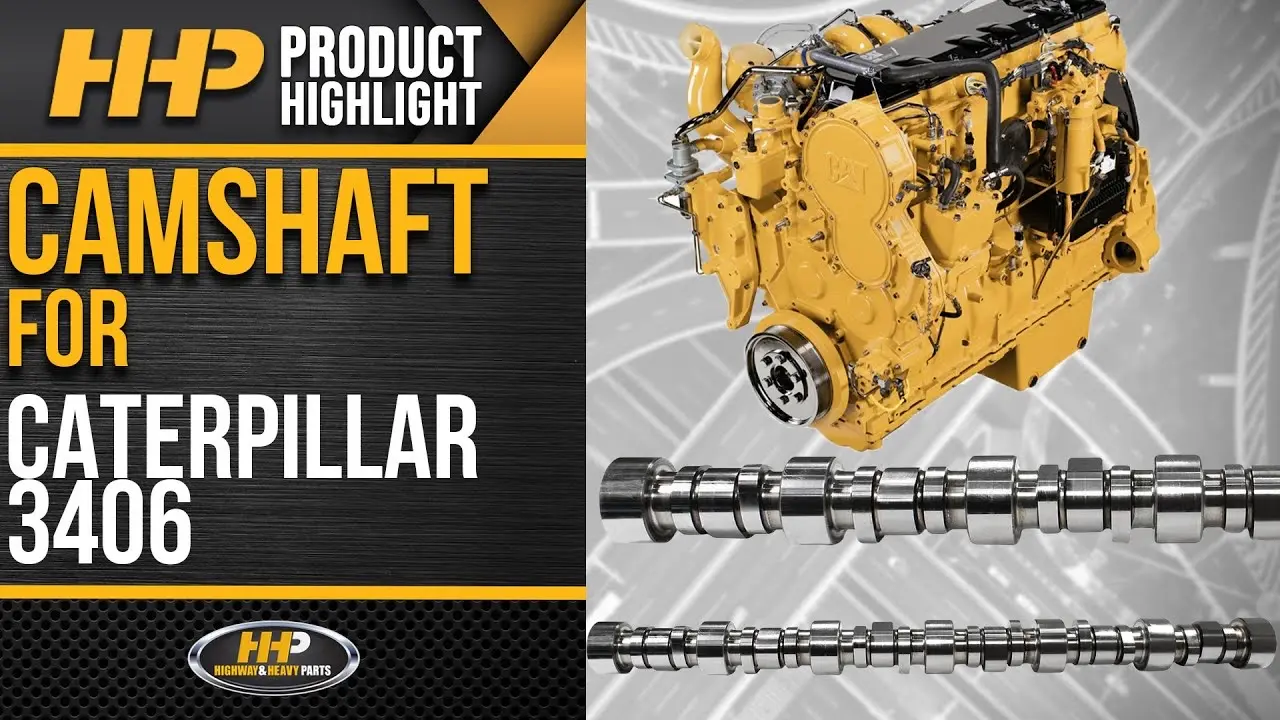
If your Caterpillar 3406E is losing power, popping through the intake, or backfiring through the exhaust, the problem may not be fuel-related at all. In many cases, those symptoms point back to camshaft or valve train wear. When those components start to fail, performance can drop quickly, and if the issue is ignored, it can lead to more extensive engine damage and a much more expensive repair.
This article breaks down what the camshaft does, common signs of failure, why proper installation matters, and what to keep in mind when replacing a 3406E camshaft. If you are already looking for replacement parts, you can start by reviewing our Caterpillar 3406E Camshaft here.
What the Camshaft Does in a Caterpillar 3406E
In the Caterpillar 3406E, the camshaft controls valve movement and helps maintain the engine timing needed for proper air movement and combustion events. Because the camshaft is tied so closely to valve train operation, wear in the lobes, journals, or related valve train components can create symptoms that may look like other issues at first.
That is why it is important not to jump straight to replacing parts based only on a symptom. A loss of power or intake pop does not automatically mean one failed component. It means the engine needs to be diagnosed correctly before the repair decision is made.
If inspection shows wear in related components, this is also a good place to shop for a Rocker Arm or an Engine Rebuild Kit for your Caterpillar 3406E if applicable.
Common Signs of a Failing 3406E Camshaft
One of the clearest warning signs of a possible camshaft or valve train issue is loss of power. If the camshaft is worn enough to affect valve operation, the engine may no longer move air efficiently or maintain the combustion timing it needs.
Other symptoms called out include:
- Popping in the Intake Manifold
- Backfiring through the Exhaust
- General Valve Train-Related Performance Issues
These symptoms matter because they usually mean the issue has progressed beyond a minor performance complaint. Once valve train wear starts affecting operation, the engine can become harder to diagnose if the repair is delayed. What starts as an intermittent drivability issue can turn into a broader repair involving multiple related components.
Why Camshaft Wear Creates Bigger Problems
The camshaft does not fail in isolation very often. When a camshaft shows significant wear, there is usually a reason behind it. Lubrication concerns, related valve train wear, or installation issues may all contribute. The original source specifically notes the importance of properly lubricating the camshaft so the engine can run properly.
That point matters more than it may seem. A new camshaft installed without proper attention to lubrication and supporting components can put you right back into the same failure pattern. For diesel repair shops and owner-operators, that is the difference between a repair that solves the problem and one that turns into a comeback.
When diagnosing a suspected camshaft issue, it makes sense to look at the repair as a system-level problem, not just a parts swap. If the engine has abnormal wear patterns, related valve train damage, or lubrication concerns, those issues need to be addressed at the same time.
Read Our HHP Camshaft Buying Guide Here
3406E Camshaft Specifications to Keep in Mind
When replacing a Caterpillar 3406E camshaft, technical details matter. Camshaft repairs are not something you want to handle casually. Fitment, setup, and supporting component condition all matter if you want the repair to last.
- Camshaft Journal Diameter
- Journal Oil Clearance
- Camshaft Gear Bolt Torque
- Lobe Lift
- Intake Valve Lash
- Exhaust Valve Lash
These numbers reinforce an important point: this is not a component you want to treat casually. Camshaft replacement on a 3406E requires attention to the exact application and setup details. Even when two parts look similar on paper, fitment and configuration still need to be verified carefully.
Verifying the Correct Camshaft for Your Application
This is where a lot of costly mistakes happen. Heavy-duty diesel parts should be matched by more than a single number whenever possible. Engine serial number, application details, and configuration all matter, especially on engines like the 3406E where application changes can affect what actually fits.
At Highway and Heavy Parts, that is why fitment should be confirmed by ESN, CPL, or application whenever possible, not just by what someone finds in a quick search. It is one of the best ways to reduce ordering mistakes, avoid downtime, and make sure the repair starts with the right part.
Need help finding the right part? Check out our Caterpillar 3406E Camshaft or contact our team to verify fitment.

Why Part Quality Matters on a Camshaft Repair
A camshaft is not a cosmetic part or a convenience item. It is a core engine component with a direct effect on performance and reliability. Whether you are repairing one truck or managing multiple units in a fleet, the quality of the replacement part affects how confident you can be in the repair.
This is also where premium aftermarket parts can be a strong alternative to OEM. When sourced correctly and matched to the application correctly, aftermarket diesel engine parts can provide the reliability you need without forcing you into unnecessary cost.
How Highway and Heavy Parts Helps with 3406E Camshaft Repairs
A camshaft issue is not something most shops or owner-operators want to guess at. The symptoms can overlap with other failures, and the cost of misdiagnosis can be high. That is where Highway and Heavy Parts can help.
Instead of simply selling a replacement part, HHP works to help customers identify the root cause behind the failure. If a Caterpillar 3406E is showing signs of camshaft or valve train trouble, the goal is to help confirm the issue, verify the correct application, and get the right part moving quickly so downtime stays under control.
That matters in the real world because:
- Downtime Gets Expensive Fast
- Ordering the Wrong Part Delays the Repair
- Misdiagnosing the Failure can Create Repeat Problems
- Talking to a Real Person who Understands Diesel Applications can Save Time and Money
For repair shops, fleets, and owner-operators, that kind of support helps move the job forward with more confidence.
Final Takeaway
If your Caterpillar 3406E has loss of power, intake popping, or backfiring through the exhaust, camshaft or valve train wear should be on the list of possible causes. The camshaft is a critical part of engine operation, and once it starts to fail, the problem can affect performance, drivability, and the overall scope of the repair.
The key is not just replacing a part. It is making sure the failure is diagnosed correctly, the application is verified correctly, and the replacement is handled with attention to the full repair. If you need help identifying the right Caterpillar 3406E camshaft or confirming your application, contact Highway and Heavy Parts. Our team can help you verify fitment and get the right parts for the job.


