


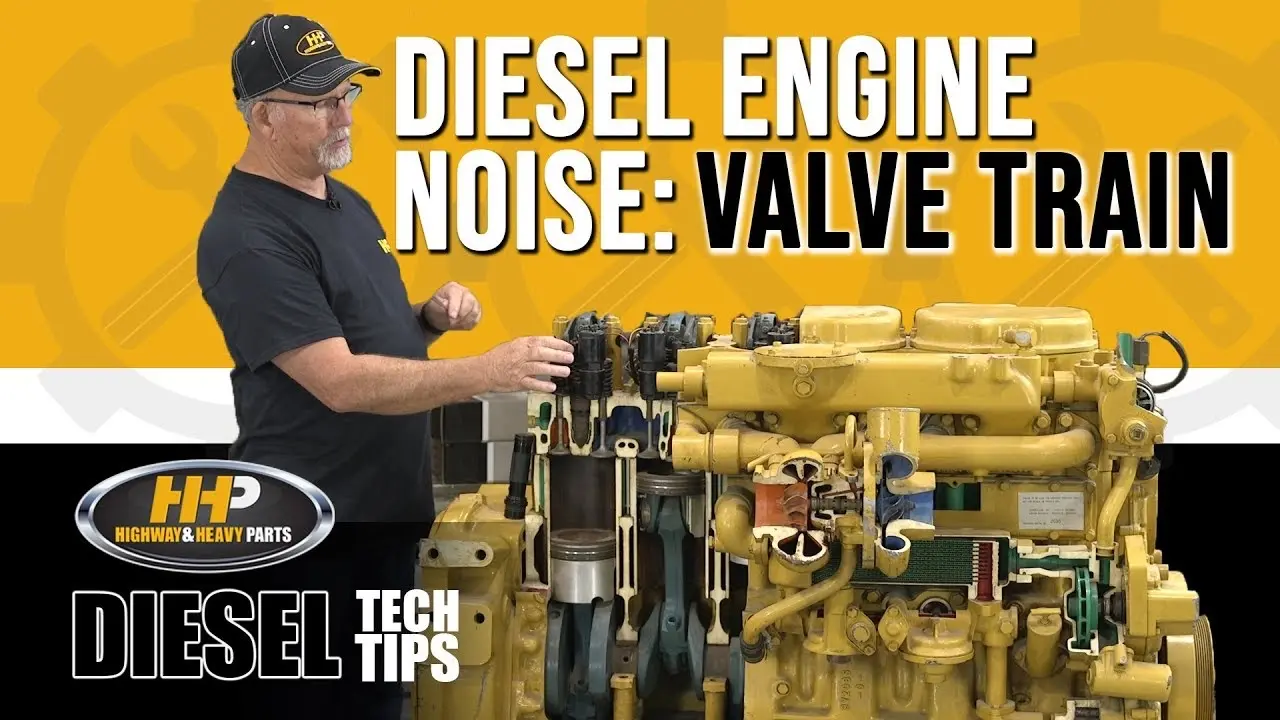
Not all engine noise is the same.
A ticking sound and a knocking sound may seem similar, but they point to very different issues inside your diesel engine.
In many cases, both originate in the valve train system – and both can escalate into major engine damage if ignored.
Understanding Valve Train Operation
The valve train controls airflow into and out of the engine.
It includes:
- Camshaft
- Cam Followers / Lifters
- Pushrods
- Rocker Arms
- Valves
This system must operate with precise timing and minimal clearance.
Any change in clearance, lubrication, or component condition creates noise.
What Causes a Ticking Noise in a Diesel Engine
Ticking is typically a high-frequency, light metallic sound.
It usually indicates excessive clearance or minor wear.
Common causes include:
- Valve Lash Out Of Adjustment
- Worn Rocker Arms
- Worn Cam Followers Or Lifters
- Low Oil Pressure To The Valve Train
Ticking often increases with engine speed.
Why Valve Lash Matters
Valve lash is the clearance between components in the valve train.
It allows for thermal expansion during operation.
If lash becomes excessive:
- Components Strike Each Other
- Noise Develops
- Valve Timing Becomes Less Accurate
Improper lash can also reduce engine efficiency.
What Causes a Knocking Noise in the Valve Train
Knocking is deeper and more pronounced than ticking.
It often indicates a more serious issue. Common causes include:
- Worn Or Collapsed Lifters
- Camshaft Lobe Damage
- Loose Or Damaged Rocker Arms
- Severe Component Wear
Knocking typically signals advanced wear or failure.
The Role of Lubrication in Valve Train Noise
The valve train depends heavily on proper lubrication.
Oil must:
- Reach All Moving Components
- Maintain A Protective Film
- Reduce Friction And Heat
If lubrication is compromised:
- Metal-To-Metal Contact Occurs
- Wear Accelerates
- Noise Develops Quickly
Common causes include:
- Low Oil Pressure
- Oil Contamination
- Restricted Oil Passages
Camshaft and Follower Wear
The camshaft and followers operate under high contact stress.
If wear develops:
- Valve Lift Is Reduced
- Timing Becomes Inconsistent
- Noise Increases
Flat spots or pitting on cam lobes can create both ticking and knocking sounds.
How Noise Changes Under Load
Listening to when noise occurs helps identify the cause.
- Noise At Idle → Likely Lash Or Minor Wear
- Noise Under Load → Possible Component Failure
- Noise Increasing With RPM → Valve Train Or Camshaft Issue
These patterns help narrow down the problem.
Secondary Damage from Ignoring Valve Train Noise
Ignoring early noise leads to more serious issues.
This can result in:
- Valve Damage
- Pushrod Bending
- Camshaft Failure
- Engine Misfire
What starts as a small tick can turn into a major repair.
How to Diagnose Valve Train Noise Step-by-Step
Proper diagnosis is critical.
Step 1: Identify the Type of Noise
Determine if it is a tick or knock.
Step 2: Check Oil Condition and Pressure
Ensure proper lubrication is reaching the valve train.
Step 3: Inspect Valve Lash
Verify lash is within manufacturer specifications.
Step 4: Inspect Components
Look for wear on rockers, pushrods, and cam followers.
Step 5: Evaluate Camshaft Condition
Check for lobe wear or damage.
When to Replace Valve Train Components
Replacement is necessary when:
- Wear Is Visible On Components
- Noise Persists After Adjustment
- Oil Issues Have Caused Damage
- Performance Is Affected
Replacing worn parts early prevents further damage.
Shop Diesel Valve Train Components
If your engine is showing signs of valve train noise, proper diagnosis and quality parts are critical.
👉 Shop Diesel Valve Train Products
At Highway and Heavy Parts:
- Verified Fitment Before Shipping
- High-Quality Components Built For Heavy-Duty Applications
- Fast Shipping (1–2 Days In Most Areas)
- Expert Diesel Support
- Parts And Labor Warranty
Not All Noise Means the Same Thing
Understanding the difference between ticking and knocking is key to accurate diagnosis.
Fix the Problem Before It Gets Worse
Valve train noise is often an early warning.
👉 Check Valve Lash Regularly
👉 Maintain Proper Oil Quality
👉 Inspect Components During Service
Call 844-304-7688 to speak with a diesel parts specialist
or visit highwayandheavyparts.com to find the right rebuild kit for your engine.
From diagnosis to delivery, Highway and Heavy Parts has your back.


