Posted on

Engine Belt Noise and Its Causes: How to Diagnose Squealing, Chirping, and More

If you’re hearing a squeal, chirp, or grinding noise coming from the front of your diesel engine, there’s a good chance the belts – or the components they drive – are involved.

But not all belt noise is actually caused by the belt itself.

The challenge is figuring out:

  • Or something deeper in the system
  • Whether it’s the belt
  • The tension
Continue reading Engine Belt Noise and Its Causes: How to Diagnose Squealing, Chirping, and More
Posted on

Diesel Engine Noise During Clutch Engagement: Diagnosing Drag, Slip, and Hydraulic Failure

If you’re hearing noise when engaging the clutch, don’t ignore it.

What might seem like a minor issue – grinding, chatter, or a harsh engagement – can point to mechanical or hydraulic problems that will only get worse over time.

On heavy-duty diesel applications, clutch engagement issues typically fall into three categories:

  • Clutch Drag (Not Fully Disengaging)
  • Clutch Slip (Not Fully Engaging)
  • Hydraulic System Failure Or Imbalance

Understanding the difference is critical – because each one leads to very different failure paths.

Continue reading Diesel Engine Noise During Clutch Engagement: Diagnosing Drag, Slip, and Hydraulic Failure
Posted on

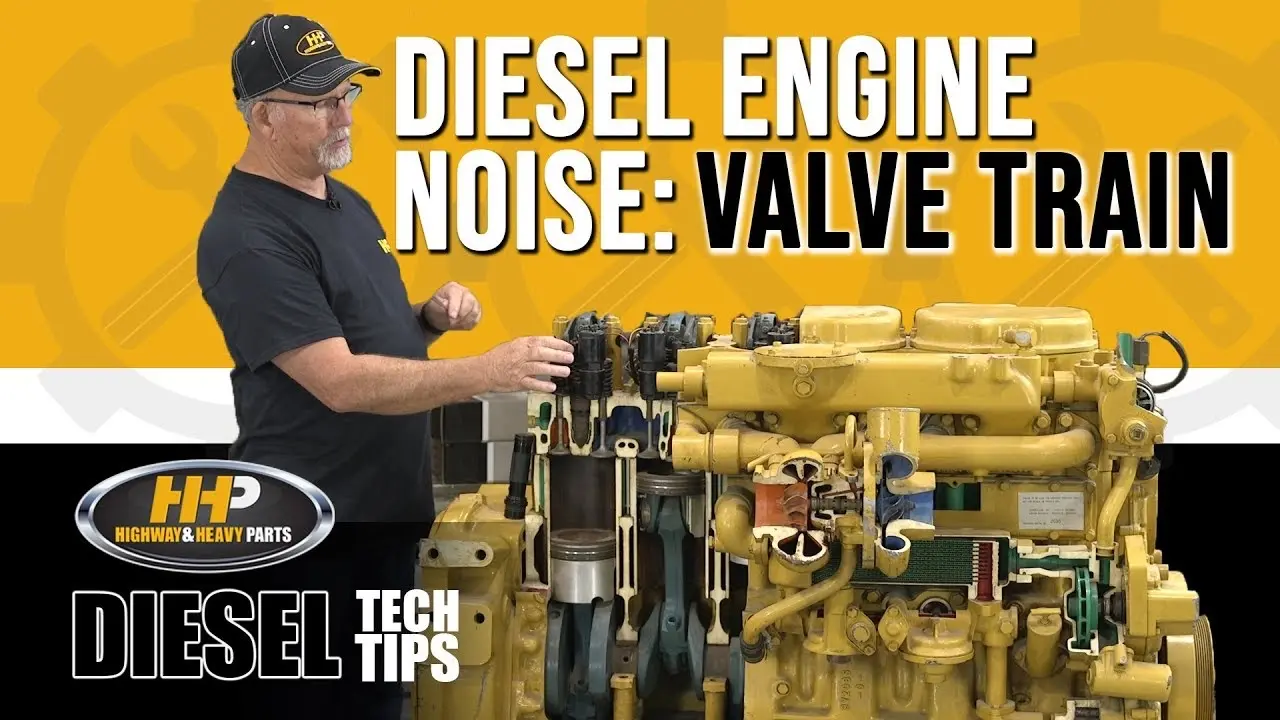
Diesel Engine Ticking vs Knocking: How to Diagnose Valve Train Noise Before It Causes Damage

Not all engine noise is the same.

A ticking sound and a knocking sound may seem similar, but they point to very different issues inside your diesel engine.

In many cases, both originate in the valve train system – and both can escalate into major engine damage if ignored.

Continue reading Diesel Engine Ticking vs Knocking: How to Diagnose Valve Train Noise Before It Causes Damage
Posted on

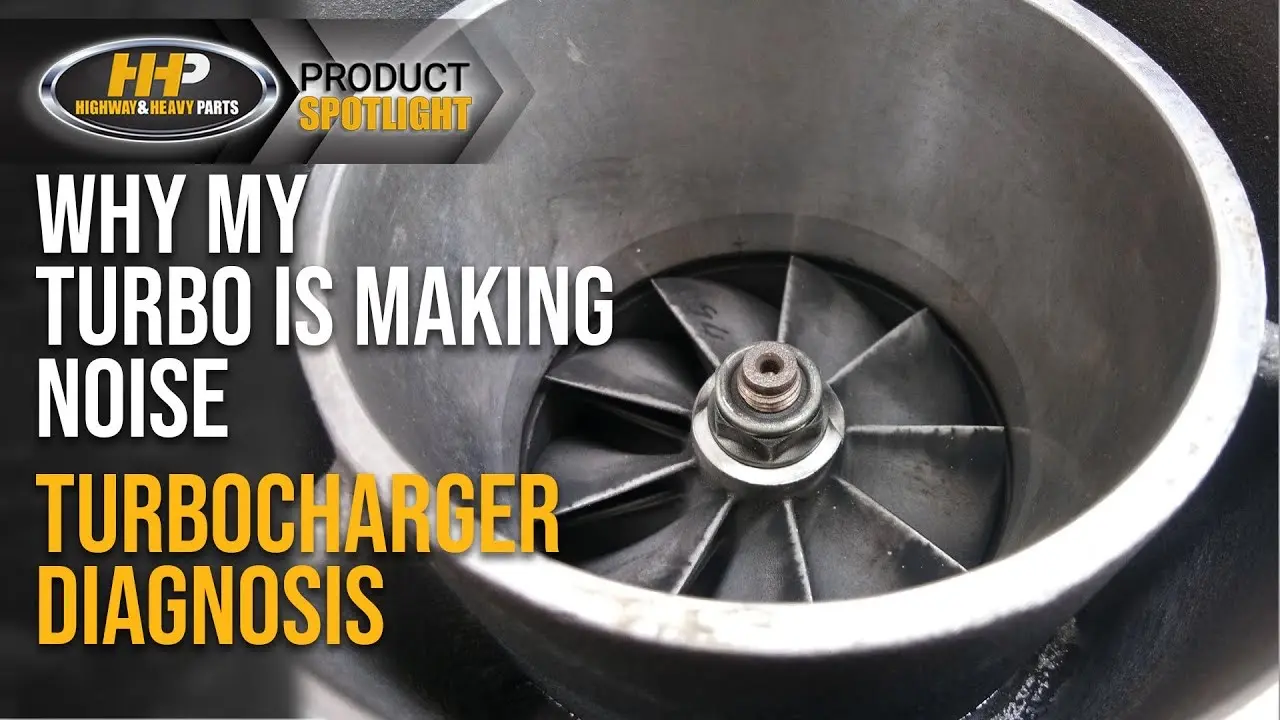
Diesel Turbocharger Sounds: What They Mean and When to Inspect

A diesel turbocharger is not silent.

A light whistle, whoosh, or spool sound under load can be completely normal. However, when the sound changes suddenly, gets louder, or comes with smoke, low power, or oil consumption, it can point to a problem in the turbocharger system.

The key is not just hearing the sound.

It is understanding what kind of sound it is, when it happens, and what else the engine is doing at the same time.

Turbocharger noise can come from the turbo itself, but it can also come from boost leaks, exhaust leaks, restricted air filters, fuel system problems, damaged exhaust components, or lubrication issues. Garrett specifically notes that noisy performance, low power, smoke, and oil consumption can come from underlying engine problems—not always the turbocharger itself.

Continue reading Diesel Turbocharger Sounds: What They Mean and When to Inspect