


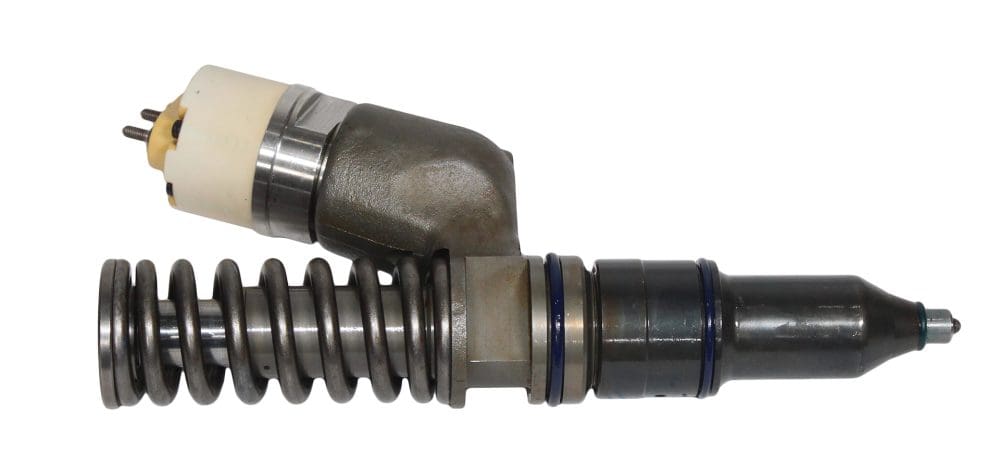
When a Caterpillar engine starts losing power, producing excessive smoke, struggling with recurring DPF issues, or experiencing turbocharger problems, the turbocharger is often the first component blamed.
Sometimes the turbocharger is the problem. But many times, it is simply the victim.
What many technicians and equipment owners don’t realize is that fuel injectors and turbochargers work together as part of the same combustion process. When injector performance begins to decline, the effects can spread throughout the entire engine, eventually impacting the turbocharger, aftertreatment system, fuel economy, and overall performance.
Before replacing another turbocharger, it may be worth taking a closer look at the fuel system.
How Caterpillar Fuel Injectors Affect Turbocharger Performance
Every combustion event inside a diesel engine begins with the fuel injector.
The injector’s job is to deliver the correct amount of fuel, at the correct pressure, at the correct time, while producing a precise spray pattern.
When everything is working properly, fuel burns efficiently, cylinder contribution remains balanced, exhaust temperatures stay consistent, and the turbocharger receives a clean, steady flow of exhaust energy.
As injectors wear, however, fuel delivery becomes less precise.
Fuel may no longer atomize correctly. Spray patterns can become distorted. Individual cylinders may contribute unevenly.
The result is incomplete combustion. And this creates problems.
The Chain Reaction Most People Miss
When combustion efficiency declines, soot production increases.
That additional soot doesn’t simply disappear. Instead, it begins moving through the engine’s air-handling and exhaust systems.
Over time, excessive soot can contribute to:
- Increased exhaust temperatures
- More frequent DPF regenerations
- Higher exhaust backpressure
- Reduced turbocharger efficiency
- Increased fuel consumption
- Chronic power loss
- Premature turbocharger wear
Eventually, the turbocharger is forced to operate in a much harsher environment than it was designed for.
The turbocharger may fail, but the root cause often started much earlier inside the fuel system.
1. Loss of Power Under Load
The engine may idle normally but struggle when towing, hauling, climbing grades, or accelerating.
2. Excessive Exhaust Smoke
Poor fuel atomization can lead to incomplete combustion, creating more soot and visible smoke.
3. Frequent DPF Regenerations
Excess soot can load the DPF faster, increasing regeneration frequency and aftertreatment stress.
4. Reduced Fuel Economy
Worn injectors may cause the engine to burn more fuel while producing less usable power.
5. Recurring Turbocharger Problems
Excessive soot and elevated exhaust temperatures can contribute to premature turbocharger wear.
Why Replacing One Injector Is Often a Mistake
One of the most common mistakes in diesel repair is replacing only the injector that has obviously failed.
The problem is that fuel injectors generally wear together.
If one injector has reached the end of its service life, the remaining injectors may not be far behind.
Replacing a single injector can leave the engine operating with a mixture of new and worn injectors, creating uneven fuel delivery across cylinders.
This can lead to:
- Additional injector failures
- Repeat labor costs
- Continued performance issues
- Ongoing combustion imbalance
For many applications, replacing injectors as a complete set helps restore balanced fuel delivery and reduces the likelihood of future injector-related repairs.
Featured Caterpillar Fuel Injectors
Whether you’re troubleshooting a power complaint, rebuilding an engine, or replacing worn injectors before they create larger issues, these Caterpillar fuel injectors are designed to help restore proper combustion performance.

C15 ACERT Fuel Injector
Designed to help restore fuel atomization, balanced cylinder contribution, and combustion efficiency in Caterpillar C15 ACERT applications.
View Product
C15, 3406E & C16 Fuel Injector
Supports efficient combustion and consistent fuel delivery across several popular Caterpillar heavy-duty diesel platforms.
View Product
C15 & 3406E Fuel Injector
Engineered to help maintain consistent fuel delivery, balanced combustion, and long-term Caterpillar engine performance.
View Product
C7 Fuel Injector
Designed to help restore combustion efficiency and reduce excessive soot production in Caterpillar C7 applications.
View ProductA Smarter Diagnostic Approach
When dealing with recurring turbocharger or DPF complaints, it’s important to diagnose the entire combustion system rather than treating symptoms one component at a time.
A complete evaluation should include:
- Fuel injector condition
- Fuel system performance
- Exhaust temperatures
- Turbocharger operation
- Boost pressure
- DPF performance
- Exhaust restriction levels
By identifying fuel system issues early, repair facilities can often prevent larger downstream failures before they occur.
Replacing worn injectors before they contribute to turbocharger or aftertreatment problems can help reduce repeat repairs and unexpected downtime. Premium remanufactured injectors offer OE-level performance at a significantly lower cost than many new OEM options.
Final Takeaway
Fuel injectors do far more than simply deliver fuel.
In Caterpillar engines, injector performance directly affects combustion quality, soot production, exhaust temperatures, turbocharger efficiency, and aftertreatment performance. When injectors begin to wear, the effects can spread throughout the entire engine.
That is why recurring turbocharger failures, excessive smoke, frequent DPF regenerations, and chronic power complaints should always include a fuel system evaluation as part of the diagnostic process.
By restoring balanced fuel delivery and addressing injector wear early, operators can help reduce downtime, improve performance, and prevent expensive secondary failures.
If you need help identifying the correct Caterpillar fuel injectors for your application, our ASE-Certified team is here to help.
Whether you’re diagnosing power loss, excessive smoke, turbocharger issues, or fuel system concerns, we offer replacement injectors for a wide range of Caterpillar diesel engines.
Shop Fuel Injectors
Call 844-304-7688 or visit highwayandheavyparts.com.
From diagnosis through delivery, we’re Highway and Heavy Parts.


