Posted on

How to Diagnose, Remove, and Install a Diesel Turbocharger

Detroit Diesel Turbocharger

A diesel turbocharger is one of the hardest-working components on a modern diesel engine. By forcing more air into the combustion chamber, the turbocharger improves power, fuel efficiency, and overall engine performance.

However, when diesel turbocharger issues develop, they can quickly lead to power loss, excessive smoke, poor fuel economy, and even major engine damage.

Whether you’re troubleshooting diesel turbocharger problems or preparing for a full replacement, proper preparation and installation procedures are critical. A bad diesel turbocharger often fails because of lubrication issues, contamination, excessive heat, or installation errors.

Before beginning any replacement, disconnect the batteries, drain the engine coolant and oil as required by your specific application, and replace the engine oil and filter. Starting a new turbocharger with contaminated oil can significantly shorten its lifespan.

This guide covers how to diagnose a diesel turbocharger, how to remove a diesel turbocharger, and how to install a diesel turbocharger correctly.

Tools Needed for Diesel Turbocharger Diagnosis and Replacement

Depending on the engine platform, you may need some or all of the following:

  • Complete socket and wrench set
  • Torque wrench
  • Screwdrivers and picks
  • Pry bars
  • Line wrenches
  • Inspection mirror
  • Flashlight
  • Shop rags
  • Oil drain pan
  • Coolant drain pan
  • Penetrating lubricant
  • Gasket scraper
  • Brake cleaner or approved solvent
  • New turbocharger mounting hardware (if required)
  • New gaskets and seals
  • Engine oil and filter
  • Safety glasses and gloves

How to Diagnose a Bad Diesel Turbocharger

Before replacing a turbocharger, it’s important to confirm that the turbo itself is the source of the problem. Many diesel turbocharger problems can actually be caused by airflow restrictions, oil supply issues, or failed sensors. Diagnostic Tests for a Leaking Diesel Fuel Injector Sleeve

Need Help Diagnosing a Bad Diesel Turbocharger?

Check for Shaft Play

One of the first steps in diagnosing a bad diesel turbocharger is inspecting the turbo shaft.

Remove the intake tube and carefully inspect the compressor wheel. Gently move the shaft side-to-side and in-and-out.

Some slight side-to-side movement is normal because the turbo rides on an oil film during operation. However, excessive radial play, contact between the compressor wheel and housing, or noticeable axial movement typically indicates bearing wear.

Signs of excessive shaft wear include:

  • Compressor wheel contacting the housing
  • Metallic scraping noises
  • Oil contamination in intake piping
  • Reduced boost pressure

If there’s significant shaft play, a turbocharger replacement is usually necessary.

Inspect the Actuator (Variable Geometry Turbos)

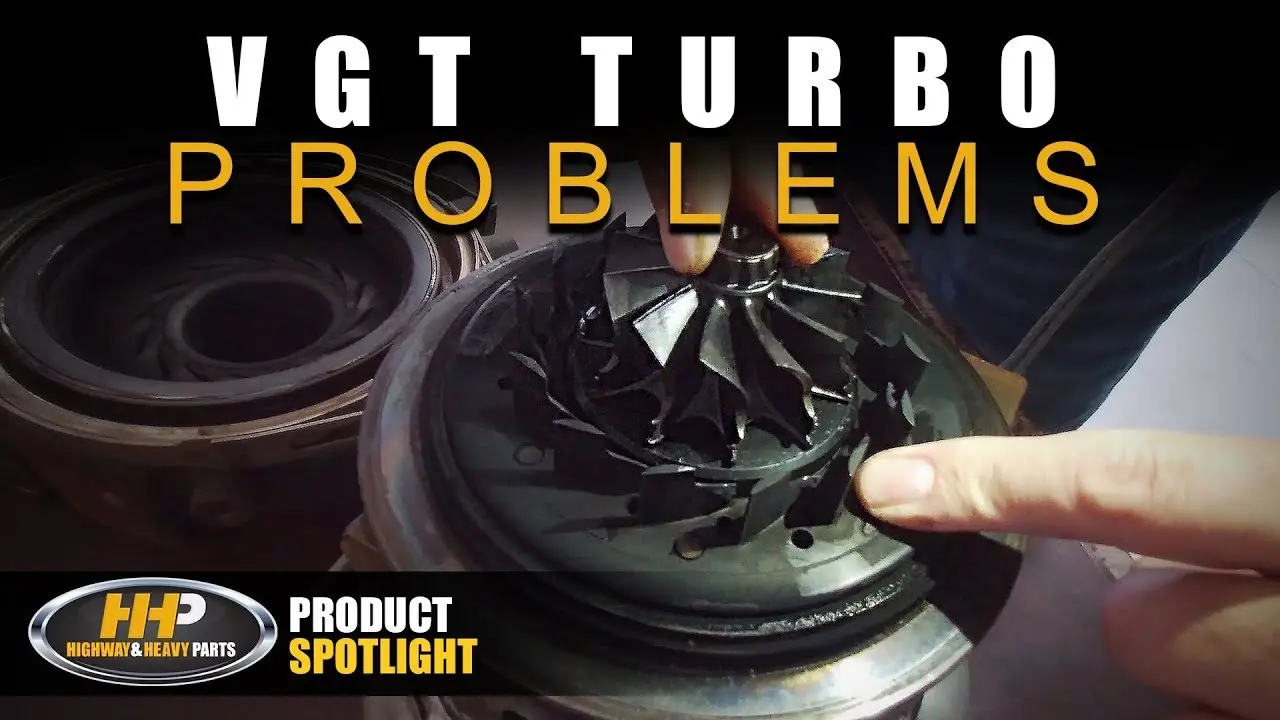
Variable Geometry Turbochargers (VGTs) are common on modern diesel engines and are frequent sources of diesel turbocharger problems.

The variable vanes inside the turbo can become stuck due to soot buildup, while the actuator itself may fail electronically or mechanically.

Inspect for:

  • Actuator fault codes
  • Sticking vane operation
  • Corrosion or damage to linkage
  • Unresponsive electronic actuators

A failed actuator may cause:

  • Low power
  • Overboost conditions
  • Check engine lights
  • Erratic boost pressure

Always verify whether the actuator can be serviced separately before replacing the entire turbocharger assembly.

Check for Failed Turbo Seals and Oil Leaks

A bad diesel turbocharger may develop leaking seals that allow oil to enter either the intake or exhaust system.

Inspect for:

  • Oil inside charge air piping
  • Oil accumulation in the intercooler
  • Blue exhaust smoke
  • Oil residue near turbine outlets

It’s important to determine whether the oil originates from the turbocharger or excessive crankcase pressure. A plugged crankcase ventilation system can sometimes mimic turbo seal failure.

Check for Airflow Restrictions

Airflow restrictions can also create symptoms that resemble turbocharger failure.

Inspect the following:

  • Air filters
  • Intake tubing
  • Charge air cooler (CAC)
  • Intercooler connections
  • Boost hoses
  • Exhaust restrictions

Look for:

  • Collapsed hoses
  • Plugged air filters
  • Leaking charge air connections
  • Damaged CAC cores

Many apparent diesel turbocharger problems can ultimately be traced to boost leaks or intake restrictions rather than the turbo itself.

How to Remove a Diesel Turbocharger

Once you’ve confirmed replacement is necessary, follow these steps for safe removal.

Step 1: Prepare the Engine

Before you start the removal process, follow these steps:

  • Allow the engine to cool completely
  • Disconnect all batteries
  • Drain coolant if required
  • Drain engine oil if required
  • Follow manufacturer safety procedures

Turbochargers operate at extremely high temperatures and can remain hot long after shutdown.

Step 2: Clear Access Around the Turbo

Engine compartments can be crowded, particularly on medium-duty and heavy-duty applications.

Remove components as necessary, including:

  • Intake tubing
  • Charge air piping
  • Air filter housings
  • Heat shields
  • Engine covers

It’s a good idea to take clear photos before you disassemble anything. This gives you a solid reference for reassembly later.

Step 3: Disconnect Oil and Coolant Lines

Carefully disconnect:

  • Oil supply lines
  • Oil drain tubes
  • Coolant lines (if equipped)

Inspect lines for:

  • Carbon buildup
  • Restrictions
  • Cracks
  • Corrosion

Many turbo failures stem from contaminated or restricted oil supply lines, making careful inspection critical during replacement.

Step 4: Remove the Downpipe and Up-Pipe

Next, disconnect the exhaust connections.

This typically includes:

  • Exhaust downpipe
  • Exhaust up-pipe
  • V-band clamps
  • Mounting brackets

Apply penetrating lubricant to stubborn fasteners and work carefully to avoid damaging mounting hardware.

Step 5: Remove and Lift Out the Turbocharger

After disconnecting all lines and fasteners, remove the turbocharger mounting hardware.

Carefully lift the turbocharger out of the engine.

Be aware that many diesel turbochargers are significantly heavier than they appear. Larger heavy-duty applications may require a second person or lifting equipment to safely remove the assembly.

How to Install a Diesel Turbocharger

Knowing how to install a diesel turbocharger properly is just as important as knowing how to remove one. Improper installation is one of the leading causes of premature turbocharger failure.

Step 1: Clean the Mounting Surface

Before installing the new turbocharger:

  • Remove all old gasket material
  • Clean all surfaces thoroughly
  • Inspect mounting flanges for cracks or warping

Any debris left behind can cause exhaust leaks, boost leaks, or improper mounting.

Step 2: Inspect and Clean Fluid Lines

Never assume the existing oil and coolant lines are ready for reuse.

Inspect them for:

  • Carbon deposits
  • Restrictions
  • Kinks
  • Internal contamination

Replace damaged lines whenever necessary. A restricted oil supply line can ruin a new turbocharger within minutes of startup.

Step 3: Pre-Lube the Turbocharger

One of the most important steps in replacing a diesel turbocharger is pre-lubrication.

Before installation:

* Pour clean engine oil into the oil inlet

* Slowly rotate the shaft by hand

* Ensure bearings receive initial lubrication

These steps help prevent dry startup damage.

Step 4: Install Using New Gaskets and Proper Torque Specifications

Position the turbocharger and install it using:

* Brand-new gaskets

* New seals

* New mounting hardware when specified

Torque all fasteners according to manufacturer specifications. Avoid reusing damaged gaskets or overtightening fasteners, as both can create future reliability issues.

Step 5: Reassemble and Prime the System

Reconnect the following:

  • Oil supply and drain lines
  • Coolant lines
  • Intake piping
  • Charge air piping
  • Exhaust connections
  • Sensors and electrical connectors

Refill engine fluids and install a new oil filter. Before starting the engine, prime the lubrication system according to manufacturer procedures. This may involve disabling fuel delivery and cranking the engine until oil pressure develops.

Step 6: Perform Initial Startup

Start the engine and allow it to idle.

During startup, you should verify the oil pressure, check for leaks, and listen for unusual noises. As the engine continues to run, monitor the boost system connections and verify actuator operation on a VGT system.

Allow the engine to idle for several minutes before applying load. After a brief test drive, perform a final inspection to ensure all systems are operating properly.

The Bottom Line

Understanding how to diagnose a diesel turbocharger, how to remove a diesel turbocharger, and how to install a diesel turbocharger correctly can help prevent repeat failures and costly downtime. From checking shaft play and actuator operation to properly pre-lubing and torquing the new unit, every step plays a role in the long-term reliability of the replacement.

If you’re looking for a high-quality replacement turbocharger backed by diesel experts, Highway and Heavy Parts offers premium diesel engine components, knowledgeable technical support, and fast shipping to help get your equipment back to work. Contact Highway and Heavy Parts today to find the right turbocharger and replacement parts for your application.

FAQs: How to Diagnose and Replace a Diesel Turbocharger

What are the most common signs of a bad diesel turbocharger?

The most common signs of a bad diesel turbocharger include excessive shaft play, oil contamination in the intake piping, blue exhaust smoke, reduced boost pressure, metallic scraping noises, low power, and check engine lights. On variable geometry turbocharger (VGT) systems, erratic boost pressure and overboost conditions are also common warning signs.

How do I check for shaft play on a diesel turbocharger?

To check for shaft play, remove the intake tube and inspect the compressor wheel. Gently move the shaft side to side and in and out. Some slight side-to-side movement is normal since the turbo rides on an oil film during operation. However, excessive radial play, contact between the compressor wheel and housing, or noticeable axial movement typically indicate bearing wear and the need for a turbocharger replacement.

What causes a diesel turbocharger to fail?

Diesel turbocharger failures are most commonly caused by lubrication issues, oil contamination, excessive heat, airflow restrictions, and installation errors. A restricted or contaminated oil supply line is one of the leading causes of premature turbocharger failure and can ruin a new turbo within minutes of startup.

Can airflow restrictions cause symptoms that look like turbocharger failure?

Yes. Collapsed hoses, plugged air filters, leaking charge air connections, and damaged charge air cooler (CAC) cores can all produce symptoms that closely resemble diesel turbocharger problems. Before replacing a turbocharger, always inspect the air filter, intake tubing, intercooler connections, boost hoses, and exhaust system for restrictions or leaks.

What is a Variable Geometry Turbocharger (VGT) and how does it fail?\

Variable Geometry Turbocharger (VGT) uses adjustable vanes inside the turbine housing to optimize airflow across different engine speeds and load conditions. VGTs commonly fail due to soot buildup causing the vanes to stick, electronic actuator faults, or corrosion and damage to the actuator linkage. Always check for fault codes and inspect actuator operation before replacing the entire turbocharger assembly, since the actuator can sometimes be serviced separately.

How do I prepare for a diesel turbocharger replacement?

Before beginning a diesel turbocharger replacement, disconnect the batteries, allow the engine to cool completely, and drain the engine coolant and oil as required by your specific application. You should also replace the engine oil and filter before startup, since starting a new turbocharger with contaminated oil can significantly shorten its lifespan.

Why is pre-lubrication important when installing a diesel turbocharger?

Pre-lubrication is one of the most critical steps when installing a diesel turbocharger. Before installation, you should pour clean engine oil into the oil inlet and slowly rotate the shaft by hand to ensure the bearings receive initial lubrication. Skipping this step can cause dry startup damage that ruins the new turbocharger before it ever reaches operating conditions.

What should I inspect on oil and coolant lines during a turbocharger replacement?

During a diesel turbocharger replacement, inspect all oil supply lines, oil drain tubes, and coolant lines for carbon buildup, restrictions, cracks, kinks, and internal contamination. Restricted or damaged oil supply lines are a leading cause of turbocharger failure, so any lines that are not in good condition should be replaced before installing the new turbo.

What are the proper steps to install a diesel turbocharger correctly?

To install a diesel turbocharger correctly, clean all mounting surfaces and remove old gasket material, inspect and clean all fluid lines, pre-lube the turbocharger before installation, install the turbo using new gaskets and seals, and torque all fasteners to manufacturer specifications. After reassembly, prime the lubrication system before starting the engine, then idle the engine and check for leaks, unusual noises, and proper oil pressure before applying any load.

How do I perform an initial startup after installing a new diesel turbocharger?

After installing a new diesel turbocharger, refill all engine fluids and install a new oil filter. Prime the lubrication system by disabling fuel delivery and cranking the engine until oil pressure develops. Once the engine starts, allow it to idle and verify oil pressure, check for leaks, and listen for unusual noises. Monitor boost system connections and verify actuator operation on VGT systems. Let the engine idle for several minutes before applying any load, then perform a final inspection after a brief test drive to confirm all systems are operating properly.

Posted on

Why Diesel VGT Turbo Vanes Stick (And How to Tell If It’s the Turbo or the Actuator)

Variable Geometry Turbochargers (VGTs) are designed to adjust airflow dynamically—but when they fail, one issue shows up more than any other:

Sticking vanes. If the vanes can’t move, the turbo can’t control boost properly.

And that leads to:

  • Low power
  • Overboost or underboost
  • High exhaust temperatures
  • Fault codes

The challenge is this:

Not every VGT problem is actually a bad turbo.

Continue reading Why Diesel VGT Turbo Vanes Stick (And How to Tell If It’s the Turbo or the Actuator)
Posted on

Caterpillar 3406E Turbocharger (1080003)

Smokey exhaust? Engine feeling sluggish? There’s no better way to power up your Caterpillar 3406E than with a New Turbocharger (1080003) from HHP.

Continue reading Caterpillar 3406E Turbocharger (1080003)
Posted on

VGT Turbo Advantages (What Makes Variable Geometry Turbos Better?)

One of the biggest advantages of a Variable Geometry Turbo (VGT) isn’t just efficiency – it’s how it controls airflow at low engine speeds.

Because of this, VGT turbos can improve performance across a wider RPM range.

However, when that system stops working correctly, the engine feels completely different – and performance drops fast.

Continue reading VGT Turbo Advantages (What Makes Variable Geometry Turbos Better?)
Posted on

VGT Turbo Problems and Symptoms: How Variable Geometry Failures Affect Boost, Heat, and Engine Performance

A Variable Geometry Turbocharger (VGT) does more than create boost.

It actively controls airflow, exhaust energy, and turbo speed across different engine conditions.

When a VGT system starts to fail, the issue is not just loss of power – it affects:

  • Boost Pressure Control
  • Exhaust Gas Temperature (EGT)
  • Air-Fuel Ratio
  • Emissions System Performance

Understanding how a VGT works – and how it fails – is key to diagnosing problems correctly.

Continue reading VGT Turbo Problems and Symptoms: How Variable Geometry Failures Affect Boost, Heat, and Engine Performance
Posted on

Highway & Heavy Parts Answers Your Diesel Engine Questions: Turbochargers

Here at Highway & Heavy Parts, we sell a lot of turbochargers. We carry a number of the industry’s leading brands for all major OEMs, and have helped diagnose a lot of our customers’ turbo failures. We provide solutions to help get them back on the road.

Continue reading Highway & Heavy Parts Answers Your Diesel Engine Questions: Turbochargers
Posted on

When Should You Replace Your CAT C15 ACERT Diesel Engine Turbo?

As you probably know, one of the main differences between the Caterpillar C15 diesel engine and the C15 ACERT is the fact that the ACERT is designed with two turbochargers. That makes this component even more vital to the overall function and health of your diesel engine. 

Continue reading When Should You Replace Your CAT C15 ACERT Diesel Engine Turbo?
Posted on

VGT Options for Your Cummins ISX Diesel Engine

You’ve probably seen the term VGT or variable geometry turbocharger thrown around a lot when talking about diesel engines. You’ve probably heard even more about the problems they cause and money they can cost operators. How it’s easier and cheaper just to delete the system.

Continue reading VGT Options for Your Cummins ISX Diesel Engine
Posted on

Why Diesel Engine Oil Changes are Key for Your VGT Turbo

Contrary to what you may have heard, changing your oil regularly can help extend the life of your engine and save you money. It’s actually one of the cheapest routine maintenance actions you can perform on your diesel truck. 

Continue reading Why Diesel Engine Oil Changes are Key for Your VGT Turbo
Posted on

Why Oil Starvation Destroys Diesel Turbochargers

A turbocharger failure can look like a bad part.

Loss of power. Smoke. Noise. Oil leaking. Shaft play.

But in many heavy-duty diesel engines, the turbocharger is not the real starting point of the failure. The damage often begins somewhere else in the lubrication system.

The number one issue that destroys turbochargers is oil starvation. When a turbo does not receive a steady supply of clean, pressurized oil, internal damage can happen fast: sometimes within seconds under load.

Continue reading Why Oil Starvation Destroys Diesel Turbochargers
Posted on

Caterpillar C15, 3406E Turbocharger (177148): Boost, Failure, and What Happens When It Goes Bad

On a Caterpillar C15 or 3406E, the turbocharger isn’t just about power – it’s about air control, combustion efficiency, and engine balance.

When the turbo is working correctly, you get:

  • Proper Air-to-Fuel Ratio
  • Clean Combustion
  • Consistent Power Under Load

When it starts to fail, everything changes – and it usually shows up under load first.

Continue reading Caterpillar C15, 3406E Turbocharger (177148): Boost, Failure, and What Happens When It Goes Bad
Posted on

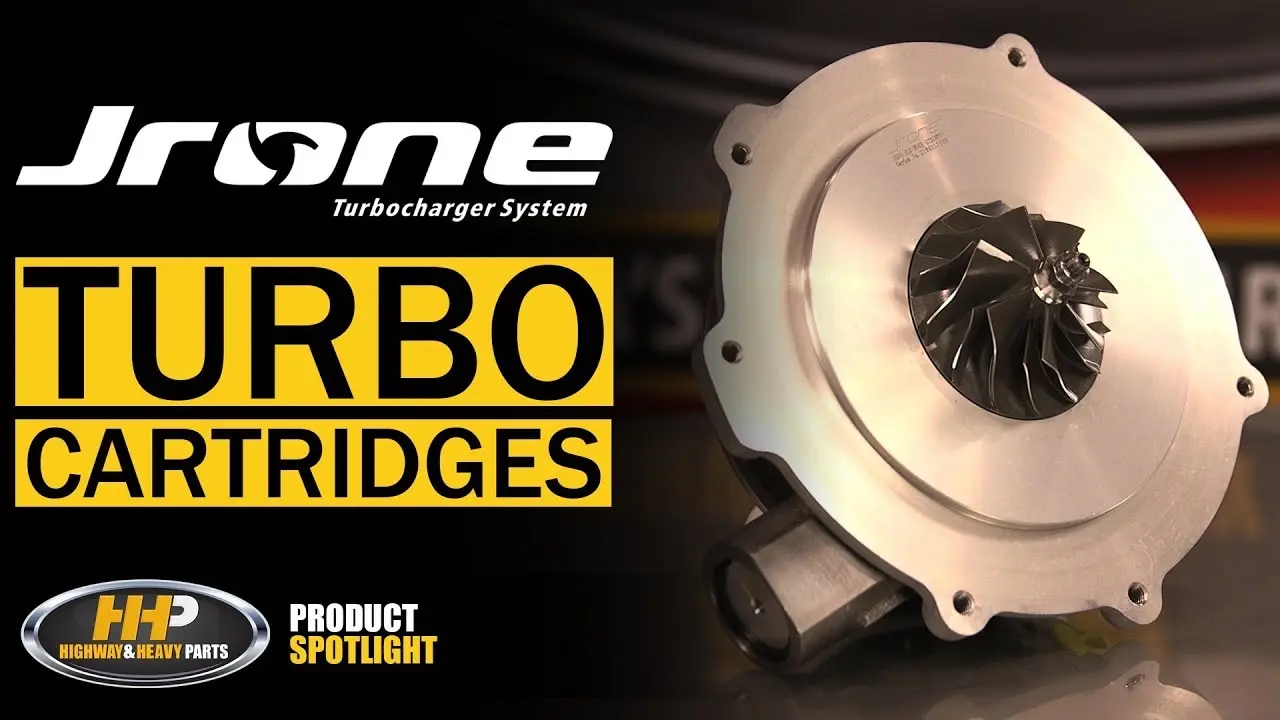
Turbocharger Cartridges (CHRA): How Jrone Turbo Cores Restore Performance Without Replacing the Full Turbo

When a turbocharger fails, the damage is often concentrated in one place:

The center housing rotating assembly (CHRA).

This is the core of the turbocharger – and in many cases, replacing it is the most efficient way to restore performance.

Continue reading Turbocharger Cartridges (CHRA): How Jrone Turbo Cores Restore Performance Without Replacing the Full Turbo
Posted on

The Top Ways to Kill a Caterpillar Turbocharger

Turbochargers play a critical role in modern Caterpillar diesel engines.

They help increase power, improve combustion efficiency, maintain emissions performance, and support fuel economy by forcing additional air into the engine. Without proper turbocharger operation, even a healthy diesel engine can experience power loss, excessive smoke, poor fuel economy, and high exhaust temperatures.

Yet one of the most common mistakes made during a turbocharger replacement has nothing to do with the turbo itself.

Many failed turbochargers are replaced without identifying the root cause of the original failure.

As a result, the replacement turbocharger often suffers the same fate.

Understanding why Caterpillar turbochargers fail—and how to prevent repeat failures—can help reduce downtime, avoid unnecessary repairs, and improve long-term engine reliability.

Continue reading The Top Ways to Kill a Caterpillar Turbocharger
Posted on

Should You Replace the CHRA or the Entire Turbocharger? What Diesel Owners Need to Know

When a turbocharger fails, most people ask the same question:

Should you rebuild it with a cartridge (CHRA), or replace the entire turbo?

The answer depends on what actually failed.

And getting that wrong can cost you more than the turbo itself.

Continue reading Should You Replace the CHRA or the Entire Turbocharger? What Diesel Owners Need to Know
Posted on

Volvo D13 / Mack MP8 Turbo Overspeed Failure: What Causes It And Why Replacing The Turbo Isn’t Enough

Turbocharger failure on a Volvo D13 or Mack MP8 engine isn’t always caused by wear – it’s often the result of turbo overspeed conditions driven by VGT control issues, exhaust imbalance, or air system faults.

In many cases, the turbo fails because it was forced to operate outside of its design limits – not because the turbo itself was defective.

Understanding what causes turbo overspeed is critical to preventing repeat failures.

Continue reading Volvo D13 / Mack MP8 Turbo Overspeed Failure: What Causes It And Why Replacing The Turbo Isn’t Enough
Posted on

Why Diesel Engines Use Turbochargers Instead of Superchargers

If you spend any time around diesel engines, you’ll notice something quickly:

👉 Almost all of them are turbocharged.

That’s not by accident.

While both turbochargers and superchargers are designed to increase air pressure into the engine, diesel engines overwhelmingly rely on turbochargers – and there are specific engineering reasons why.

Continue reading Why Diesel Engines Use Turbochargers Instead of Superchargers
Posted on

Detroit Diesel Series 60 14L Turbocharger: Symptoms, Failure Causes, and When to Replace

The turbocharger on a Detroit Diesel Series 60 14L engine does more than add power.

It controls airflow, and airflow controls combustion.

When the turbo isn’t performing correctly, the entire engine starts to fall out of balance.

Continue reading Detroit Diesel Series 60 14L Turbocharger: Symptoms, Failure Causes, and When to Replace
Posted on

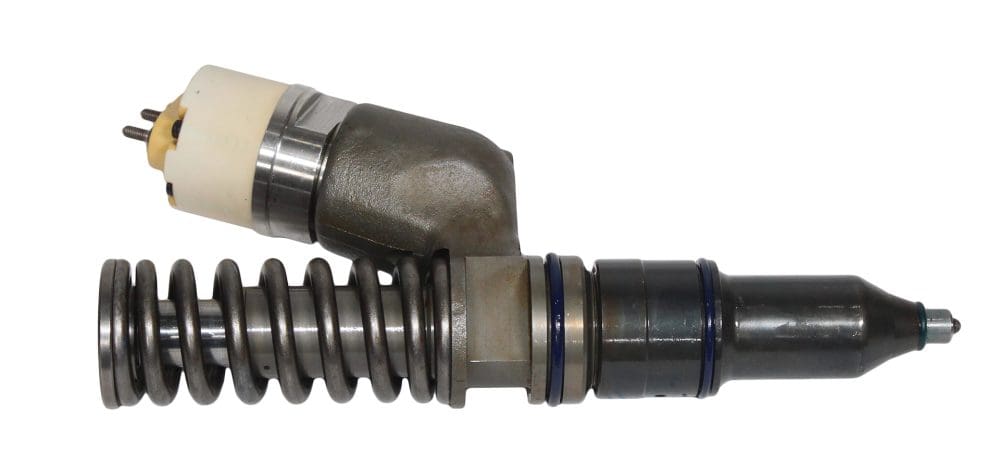
Before You Replace That Caterpillar Turbo, Check Your Injectors First

When a Caterpillar engine starts losing power, producing excessive smoke, struggling with recurring DPF issues, or experiencing turbocharger problems, the turbocharger is often the first component blamed.

Sometimes the turbocharger is the problem. But many times, it is simply the victim.

What many technicians and equipment owners don’t realize is that fuel injectors and turbochargers work together as part of the same combustion process. When injector performance begins to decline, the effects can spread throughout the entire engine, eventually impacting the turbocharger, aftertreatment system, fuel economy, and overall performance.

Before replacing another turbocharger, it may be worth taking a closer look at the fuel system.


Continue reading Before You Replace That Caterpillar Turbo, Check Your Injectors First
Posted on

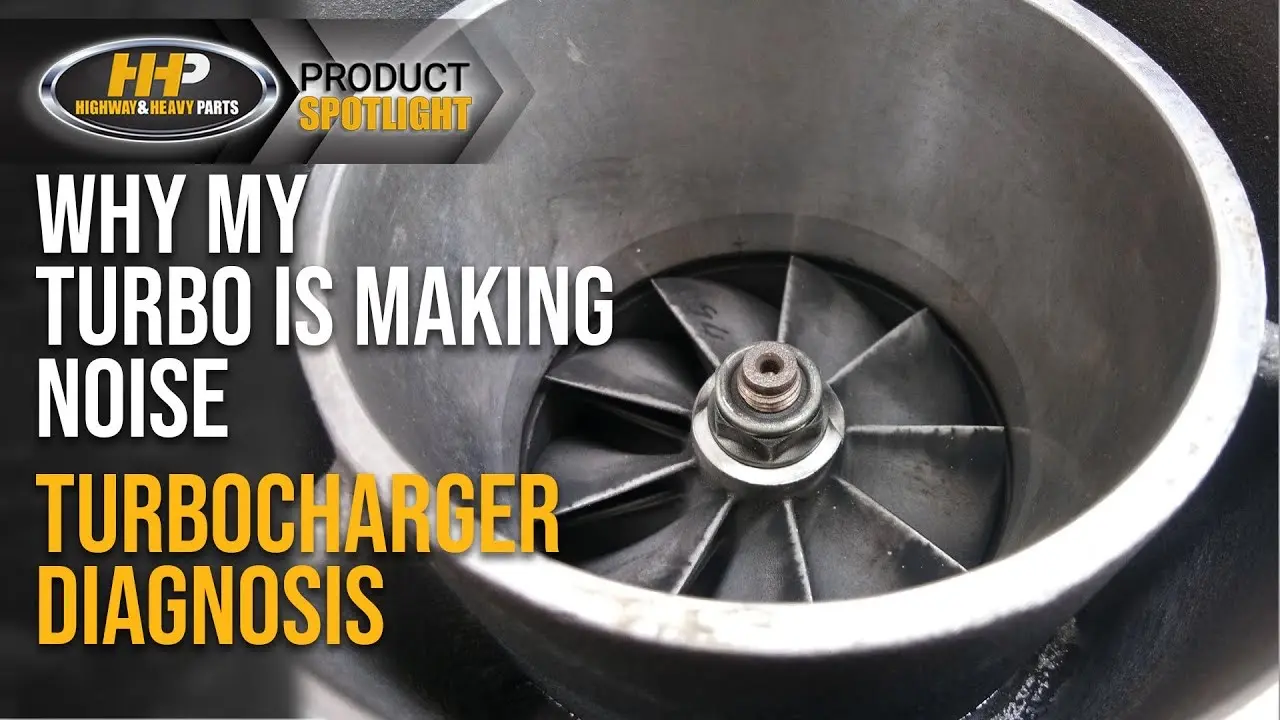
Diesel Turbocharger Sounds: What They Mean and When to Inspect

A diesel turbocharger is not silent.

A light whistle, whoosh, or spool sound under load can be completely normal. However, when the sound changes suddenly, gets louder, or comes with smoke, low power, or oil consumption, it can point to a problem in the turbocharger system.

The key is not just hearing the sound.

It is understanding what kind of sound it is, when it happens, and what else the engine is doing at the same time.

Turbocharger noise can come from the turbo itself, but it can also come from boost leaks, exhaust leaks, restricted air filters, fuel system problems, damaged exhaust components, or lubrication issues. Garrett specifically notes that noisy performance, low power, smoke, and oil consumption can come from underlying engine problems—not always the turbocharger itself.

Continue reading Diesel Turbocharger Sounds: What They Mean and When to Inspect
Posted on

Why Garrett Turbochargers Are Trusted Worldwide in Heavy-Duty Diesel Engines

When a turbocharger fails on a working diesel engine, it’s not just a parts issue: it’s downtime, lost revenue, and often a deeper underlying problem.

That’s why the turbocharger you choose matters.

Across Caterpillar, Detroit Diesel, and International/Navistar platforms, one name consistently shows up in both OEM applications and reliable aftermarket replacements: Garrett Turbochargers.

There’s a reason for that.

Garrett turbos aren’t just widely used – they’re engineered for consistency under load, thermal durability, and long-term reliability in real-world conditions.

Quick Takeaway:
Turbocharger reliability depends on more than boost pressure alone. Heat management, rotor balance, oil supply stability, and airflow consistency all affect long-term diesel engine performance.
Continue reading Why Garrett Turbochargers Are Trusted Worldwide in Heavy-Duty Diesel Engines
Posted on

Low Boost Diesel No Check Engine Light: Causes and Diagnosis

If you’re dealing with low boost diesel no check engine light, you’re not alone.

This is one of the most common complaints we hear.

It’s also one of the most misdiagnosed. And because there’s no fault code, it’s easy to assume:

  • The issue isn’t serious
  • It’s electrical
  • Or nothing is actually wrong

In reality, low boost with no warning light is usually a mechanical or system efficiency issue.

Continue reading Low Boost Diesel No Check Engine Light: Causes and Diagnosis
Posted on

Turbocharger Cartridge vs Full Replacement: What Actually Fails Inside a Diesel Turbo

When a diesel turbocharger fails, the first question is always:

Should you replace the cartridge – or the entire turbo?

Most answers online are surface-level. But if you want to avoid repeat failures, you need to understand what actually fails inside the turbocharger.

Because the wrong choice doesn’t just cost money – it can lead to another failure within hours of startup.

Continue reading Turbocharger Cartridge vs Full Replacement: What Actually Fails Inside a Diesel Turbo
Posted on

Why Your Caterpillar C15 ACERT Turbocharger Might Not Be the Real Problem

If you’re dealing with low power, smoke, or oil around the turbo on a Caterpillar C15 ACERT, it’s easy to assume the turbocharger has failed.

But that’s not always the case.

At Highway and Heavy Parts, we see this all the time – turbos get replaced, but the original problem is still there. That’s because many turbo “failures” are actually symptoms of fuel system issues, oil problems, or internal engine wear.

Before replacing your turbo, it’s critical to understand what’s really going on.

Continue reading Why Your Caterpillar C15 ACERT Turbocharger Might Not Be the Real Problem