


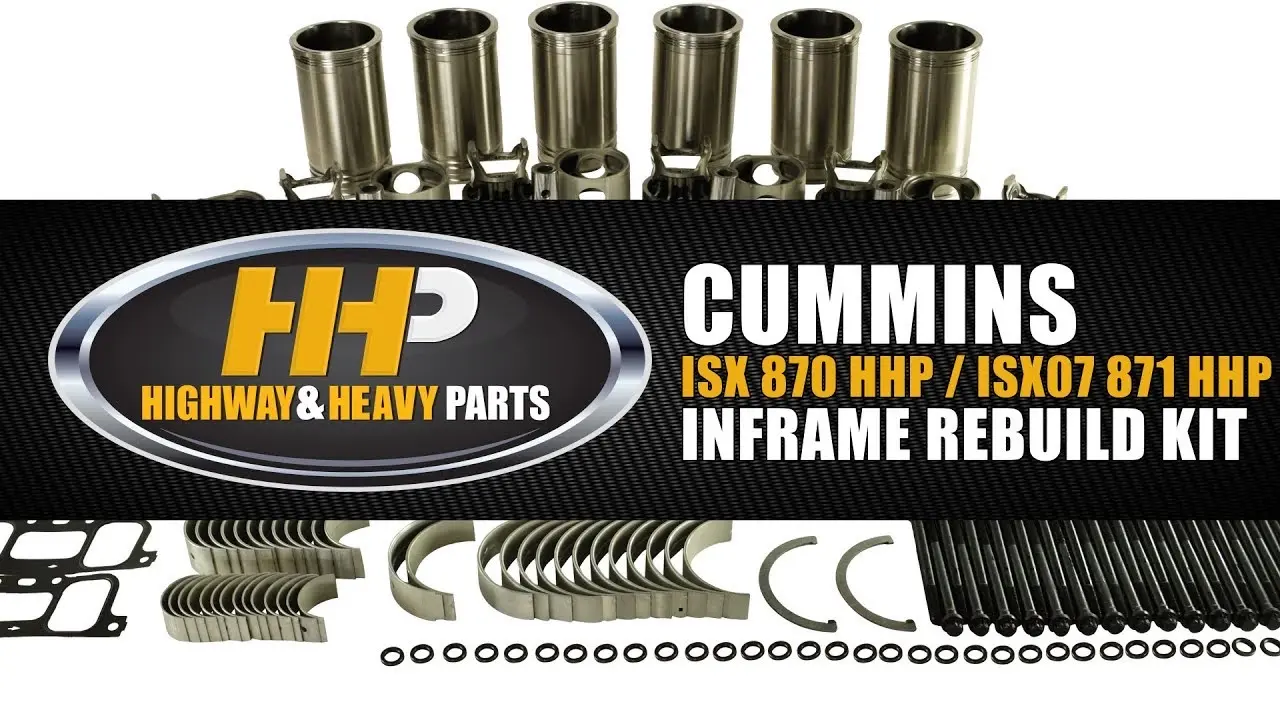
An inframe rebuild on a Cummins ISX 870 or ISX 871 is supposed to bring your engine back to life.
But for a lot of operators, that’s not what happens.
Instead, they run into problems almost immediately:
- Oil Consumption
- Blow-By
- Low Power
- Poor Fuel Economy
The issue usually isn’t the rebuild itself.
It’s what happens during – and right after – the rebuild.
Why Some ISX 870 Inframe Rebuilds Fail Early
An inframe rebuild replaces critical internal components:
- Pistons
- Liners
- Rings
- Bearings
- Gaskets
But replacing parts alone doesn’t guarantee success.
The engine still needs:
- Proper cylinder wall condition
- Correct installation
- Controlled break-in
If any of these are off, the rebuild can fail quickly.
The Most Common Problem: Improper Ring Seating
The number one issue after an ISX inframe rebuild is poor piston ring seating.
The piston rings must seal tightly against the cylinder wall.
This seal controls:
- Oil Consumption
- Compression
- Combustion Efficiency
If the rings don’t seat properly, you’ll see problems fast.
What Causes Ring Seating Failure
Ring seating depends on pressure, heat, and surface condition.
Common causes of failure include:
- Improper Cylinder Hone Finish
- Light Engine Loading During Break-In
- Excessive Idling After Startup
- Poor Quality Components
- Incorrect Installation Procedures
If the cylinder walls are too smooth or the engine isn’t loaded early, the rings won’t seat correctly.
Instead, they glaze the cylinder walls.
Signs Your ISX 870 Rebuild Isn’t Seating Properly
Problems usually show up within the first few hundred miles.
Watch for:
- Excessive Blow-By From The Breather
- High Oil Consumption
- White Or Blue Exhaust Smoke
- Low Power Under Load
- Oil Residue In The Exhaust System
These are early warning signs that the rebuild isn’t sealing correctly.
Why Break-In Matters More Than the Rebuild Itself
The first 100 to 500 miles after a rebuild are critical.
This is when the rings seat against the cylinder walls.
During this time:
- The engine needs load
- Combustion pressure must build
- Heat cycles must stabilize
Too much idling or light driving can prevent proper sealing.
This is one of the biggest reasons rebuilt ISX engines fail early.
Other Causes of Rebuild Failure
Ring seating isn’t the only issue.
Other factors include:
- Fuel System Problems Affecting Combustion
- Turbocharger Issues Reducing Airflow
- Incorrect Bearing Clearances
- Cooling System Problems Causing Overheating
A rebuild only works if the entire system is functioning correctly.
How to Prevent ISX 870 Inframe Rebuild Problems
To avoid early failure, focus on the entire process.
During Installation:
- Verify Proper Cylinder Wall Preparation
- Follow Torque Specifications Exactly
- Use High-Quality Components
During Break-In:
- Apply Moderate To Heavy Load Early
- Avoid Extended Idling
- Monitor Oil Consumption Closely
After Installation:
- Check For Blow-By
- Monitor Engine Temperatures
- Address Any Performance Changes Immediately
Why Component Quality Matters in an Inframe Kit
Not all rebuild kits are built the same.
Lower-quality components can lead to:
- Poor ring sealing
- Inconsistent tolerances
- Reduced engine life
Using a high-quality kit ensures:
- Proper fitment
- Consistent performance
- Reliable sealing
Fix the Root Cause Before Rebuilding Again
If your rebuild failed early, don’t just replace the same parts again.
Identify the root cause:
- Was the cylinder properly honed?
- Was the engine broken in correctly?
- Are supporting systems functioning properly?
Fixing the actual issue prevents repeat failure.
Get the Rebuild Done Right the First Time
An inframe rebuild is a major investment.
Doing it correctly protects that investment.
👉 Verify Your Engine
👉 Choose The Correct Kit
👉 Follow Proper Break-In Procedures
Call 844-304-7688 to speak with a diesel parts specialist
or visit highwayandheavyparts.com to find the right rebuild kit for your engine.
From diagnosis to delivery, Highway and Heavy Parts has your back.


