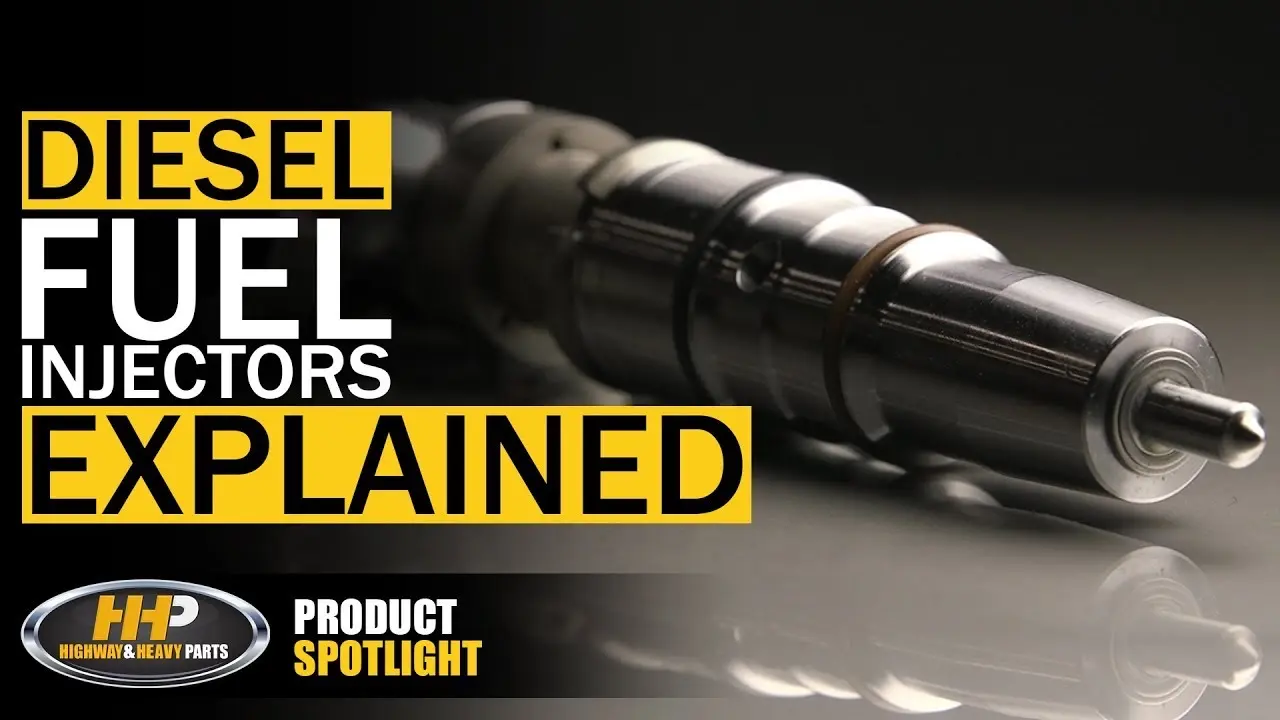
If a Caterpillar C15 starts to smoke, miss, haze at idle, or loses power under load, injectors are high on the list: but guessing is what gets engines hurt.
On many C15 variants (notably HEUI systems), injectors are hydraulically actuated by high-pressure engine oil. That means injector performance depends on two systems at once:
- Fuel supply (clean, stable pressure)
- Actuation oil (ICP/IAP pressure, clean oil, correct viscosity)
When either side is off, injector behavior changes.
What “Correct” Looks Like
With a healthy system:
- Smooth idle, even exhaust note
- Stable rail/actuation pressure under load
- Balanced cylinder contribution
- Minimal visible smoke once warm
Any deviation should be traced to a cylinder, then to a cause – not straight to parts replacement.
Primary C15 Injector Failure Modes (What Actually Fails)
1) Internal Leakage → Fuel Dilution (High Risk)
Mechanism
- Worn check valve or sealing surfaces inside injector
- Failed injector O-rings (upper/middle/lower) allowing cross-leakage
What happens
- Fuel bypasses normal metering
- Fuel can enter the cylinder uncontrollably or migrate past rings
Hard indicators
- Engine oil level rising with no external leak
- Oil smells like diesel
- Reduced oil viscosity → bearing risk
Why it matters
- Fuel-diluted oil cannot maintain hydrodynamic film
- Main and rod bearings are at risk quickly
2) Solenoid / Electrical Control Failure
Mechanism
- Coil failure, high resistance, intermittent connection
- Damaged injector pigtail or harness
What happens
- Injector fails to open/close precisely
- Timing and duration errors
Hard indicators
- Misfire at specific cylinder
- Contribution test shows weak cylinder
- Electrical codes may or may not set
Key point
Electrical faults can look identical to mechanical injector failure – verify before replacing.
3) Nozzle Wear, Erosion, or Coking
Mechanism
- High-pressure fuel erodes or deforms nozzle holes
- Carbon buildup (“coking”) distorts spray pattern
What happens
- Poor atomization
- Larger droplets → incomplete burn
Hard indicators
- Black smoke under load (overfueling/poor burn)
- Elevated EGT on affected cylinder
- Soot accumulation increases
Result
- Higher piston crown temperature
- Long-term risk to valves and liners
4) Sticking Injector (Open or Closed Behavior)
Mechanism
- Deposits or wear cause internal components to hang
What happens
- Injector stuck open → overfueling
- Injector stuck closed → dead cylinder
Hard indicators
- White/gray smoke (raw fuel) or dead miss
- Engine may clear up as it warms (thermal expansion)
- Severe cases: cylinder washdown
5) Seal/O-Ring Failure (Fuel/Air Cross-Leak)
Mechanism
- O-ring degradation from heat, age, or contamination
What happens
- Air intrusion into fuel system
- Fuel pressure instability
- Cross-port leakage
Hard indicators
- Hard start after sitting
- Aerated fuel symptoms
- Inconsistent performance
6) HEUI-Specific: Actuation Oil Problems Misdiagnosed as Injectors
Mechanism
- Low ICP/IAP pressure
- Aerated or contaminated oil
- High-pressure oil leaks (o-rings, rail)
What happens
- Injectors cannot achieve commanded fuel pressure
- Poor response, misfires under load
Hard indicators
- Low actuation pressure vs commanded
- Multiple cylinders affected
- Improves with RPM (sometimes)
Key point
This is often misdiagnosed as “bad injectors”.
Diagnostic Workflow (What Actually Works)
Do not start with parts. Start with isolation.
1) Cylinder Cut-Out / Contribution Test
- Disable one cylinder at a time (via Cat ET or manual method)
- Watch RPM drop or fuel correction
Result
- Weak change → suspect that cylinder
2) Verify Fuel Supply Pressure
- Check at filter base or test port
- Ensure stable pressure during crank and load
Why
Low supply pressure affects all injectors and mimics failure.
3) Check Actuation Oil Pressure (HEUI)
- Compare actual vs commanded ICP/IAP
- Look for lag, drop, or instability
Why
No actuation pressure = no injector performance.
4) Valve Cover Inspection
Look for:
- Fuel wash (clean, stripped oil areas)
- Oil dilution signs
Fuel wash indicates:
→ injector leaking into that cylinder
5) Temperature Comparison (Advanced but Effective)
- Use IR gun on exhaust manifold runners
Result
- Cold cylinder → underfueling/misfire
- Hot cylinder → overfueling/poor atomization
Replacement Strategy (What Actually Makes Sense)
Replace One Injector vs Set?
- Single failure, low hours: targeted replacement is acceptable
- High mileage / multiple symptoms: replace as a set
Reason:
- Injector balance matters
- Mixed wear levels create uneven combustion
Always Replace:
- Injector O-ring kits
- Any damaged cups (if applicable)
- Verify harness/pigtails
After Replacement:
- Prime fuel system
- Verify pressures
- Recheck contribution balance
What Causes Repeat Injector Failures
Injectors rarely fail in isolation.
Common root causes:
- Contaminated fuel
- Poor filtration maintenance
- Low fuel pressure
- Air intrusion
- Oil system issues (HEUI engines)
If the root cause isn’t fixed:
→ new injectors will fail again
HHP Insight: Don’t Treat Injectors as the Root Problem
Most repeat failures come from:
- Fuel system imbalance
- Actuation pressure issues
- Contamination
Injectors are often the symptom, not the cause.
Final Thoughts
C15 injector problems are not just about replacing parts.
They’re about:
- Identifying the failing cylinder
- Verifying fuel and oil systems
- Understanding combustion behavior
That’s how you prevent:
- Repeat failures
- Engine damage
- Unnecessary costs
Need Caterpillar C15 fuel injectors?
Shop here:
👉 Caterpillar C15 Fuel Injectors
Or call 844-304-7688 to speak with a diesel expert.
From diagnosis through delivery, we’re Highway and Heavy Parts.