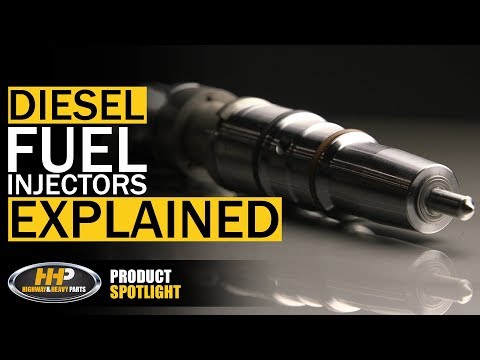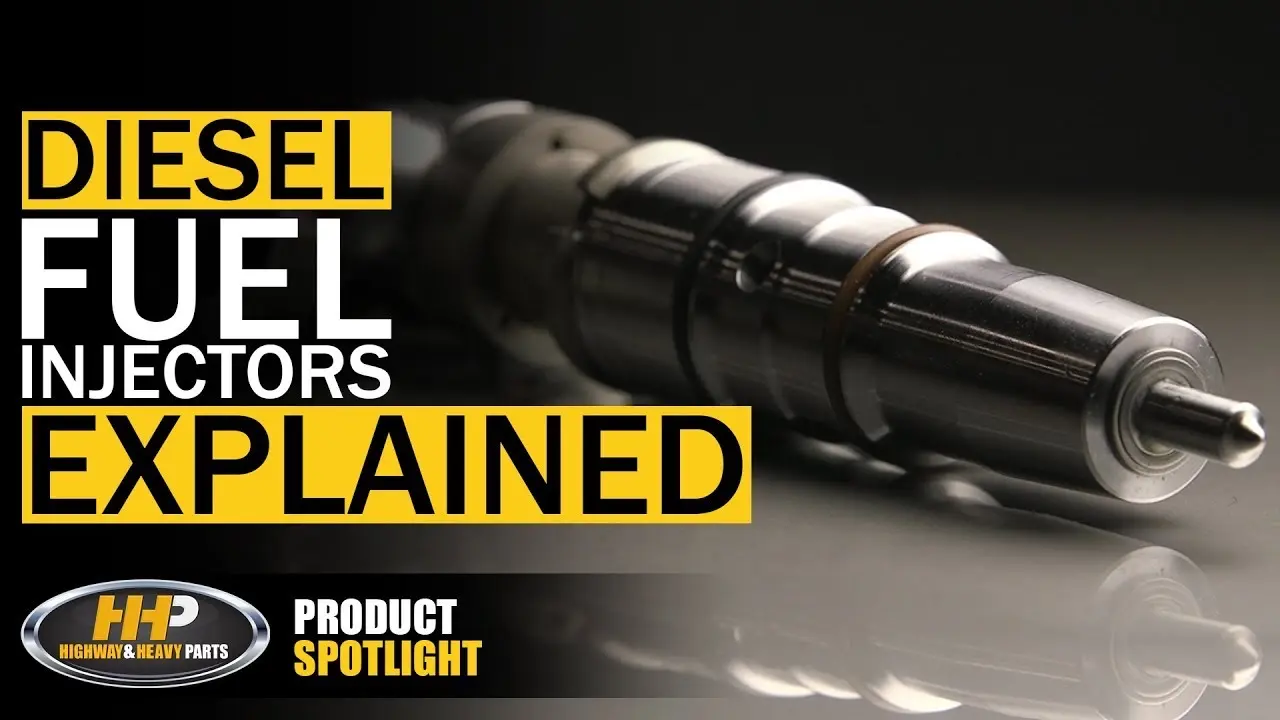
Diesel fuel injectors do more than deliver fuel.
They control injection timing, atomization, pressure, and combustion efficiency.
When an injector begins to fail, the issue is rarely just “bad fuel delivery.”
It is usually a breakdown in one of three critical areas:
- Internal Sealing
- Injection Pressure Control
- Spray Pattern Formation
Understanding these failure modes is the key to diagnosing problems correctly – and avoiding repeat failures.
How Diesel Fuel Injectors Actually Control Combustion
Modern diesel injectors operate at extremely high pressures.
Depending on the system:
- HEUI Systems: Up To 3,000 PSI Oil Pressure Driving Injection
- Common Rail Systems: 20,000–35,000 PSI Fuel Pressure
- Mechanical Systems: Cam-Driven Injection Timing
The injector must:
- Deliver Fuel At The Exact Moment
- Atomize Fuel Into A Fine Mist
- Maintain Precise Injection Duration
Even small deviations affect combustion.
Internal Injector Leakage: The Most Common Hidden Failure
Internal leakage occurs when fuel bypasses sealing surfaces inside the injector.
This can happen at:
- Needle Valve Seat
- Control Valve
- Internal O-Ring Seals
When leakage occurs:
- Injection Pressure Drops
- Fuel Delivery Becomes Inconsistent
- Injection Timing Is Affected
This leads to incomplete combustion.
What Internal Leakage Causes
- Hard Starting (Especially Hot Starts)
- Loss Of Rail Pressure (Common Rail Systems)
- Excess Return Flow
- Reduced Engine Power
Leakage often does not trigger immediate fault codes, making it difficult to detect without proper testing.
Injection Timing Loss: When Fuel Arrives Too Early or Too Late
Injection timing is critical in diesel engines.
Fuel must be delivered at the correct crankshaft position. When injectors fail:
- Delayed Needle Response Alters Timing
- Control Valve Wear Affects Signal Accuracy
- Pressure Loss Slows Injection Events
This results in:
- Poor Combustion Efficiency
- Increased Exhaust Temperatures
- Rough Engine Operation
Spray Pattern Breakdown and Atomization Failure
Fuel atomization determines how efficiently fuel burns.
A properly functioning injector creates:
- Fine, Evenly Distributed Fuel Droplets
- Correct Spray Angle
- Uniform Cylinder Coverage
When injectors wear:
- Nozzle Holes Erode
- Deposits Restrict Flow
- Spray Pattern Becomes Uneven
Effects of Poor Atomization
- Increased Fuel Consumption
- Black Smoke (Incomplete Combustion)
- Carbon Buildup On Pistons And Valves
- Cylinder Imbalance
Poor atomization is one of the biggest contributors to long-term engine damage.
The Role of Fuel Quality and Contamination
Fuel system contamination is one of the leading causes of injector failure.
Common contaminants include:
- Water In Fuel
- Dirt And Particulates
- Microbial Growth
These contaminants:
- Damage Precision Surfaces
- Cause Corrosion
- Accelerate Wear
Even small amounts of contamination can affect injector performance.
Heat and Its Impact on Injector Life
Injectors operate in extreme environments.
They are exposed to:
- High Combustion Temperatures
- Rapid Thermal Cycling
- Continuous Pressure Changes
Excess heat causes:
- Material Expansion
- Seal Degradation
- Increased Wear Rates
Over time, this leads to failure.
Cylinder Imbalance: When One Injector Affects the Entire Engine
A failing injector does not just affect one cylinder. It creates imbalance across the engine.
This leads to:
- Uneven Power Distribution
- Increased Vibration
- Additional Stress On Internal Components
Over time, this can impact:
- Bearings
- Pistons
- Cylinder Walls
Why Replacing Injectors Without Diagnosis Leads to Repeat Failure
One of the most common mistakes is replacing injectors without identifying the root cause.
If the underlying issue is not corrected:
- New Injectors Will Fail Prematurely
- Performance Issues Will Return
- Repair Costs Increase
Root causes often include:
- Contaminated Fuel System
- High Return Flow Conditions
- Oil System Issues (HEUI Systems)
Signs Your Diesel Fuel Injectors Are Failing
Watch for these common symptoms:
- Hard Starting Or No Start
- Excess Smoke (Black Or White)
- Loss Of Power
- Rough Idle
- Increased Fuel Consumption
These symptoms indicate deeper issues within the injector system.
When to Replace Diesel Fuel Injectors
Injector replacement is necessary when:
- Internal Leakage Is Confirmed
- Spray Pattern Is Compromised
- Performance Issues Persist After Testing
At this point, replacement restores proper combustion control.
Shop Diesel Fuel Injectors
If you’re experiencing injector-related issues, accurate diagnosis and quality components are critical.
At Highway and Heavy Parts:
- Verified Fitment Before Shipping
- High-Quality Components Built For Heavy-Duty Applications
- Fast Shipping (1–2 Days In Most Areas)
- Expert Diesel Support
- Parts And Labor Warranty
Fuel Injectors Control More Than Fuel
They control the entire combustion process.
When they fail, engine performance follows.
Diagnose Before You Replace
Understanding failure modes prevents repeat issues.
👉 Test For Internal Leakage
👉 Verify Injection Pressure
👉 Inspect Fuel System Condition
Call 844-304-7688 to speak with a diesel parts specialist
or visit highwayandheavyparts.com to find the right rebuild kit for your engine.
From diagnosis to delivery, Highway and Heavy Parts has your back.