


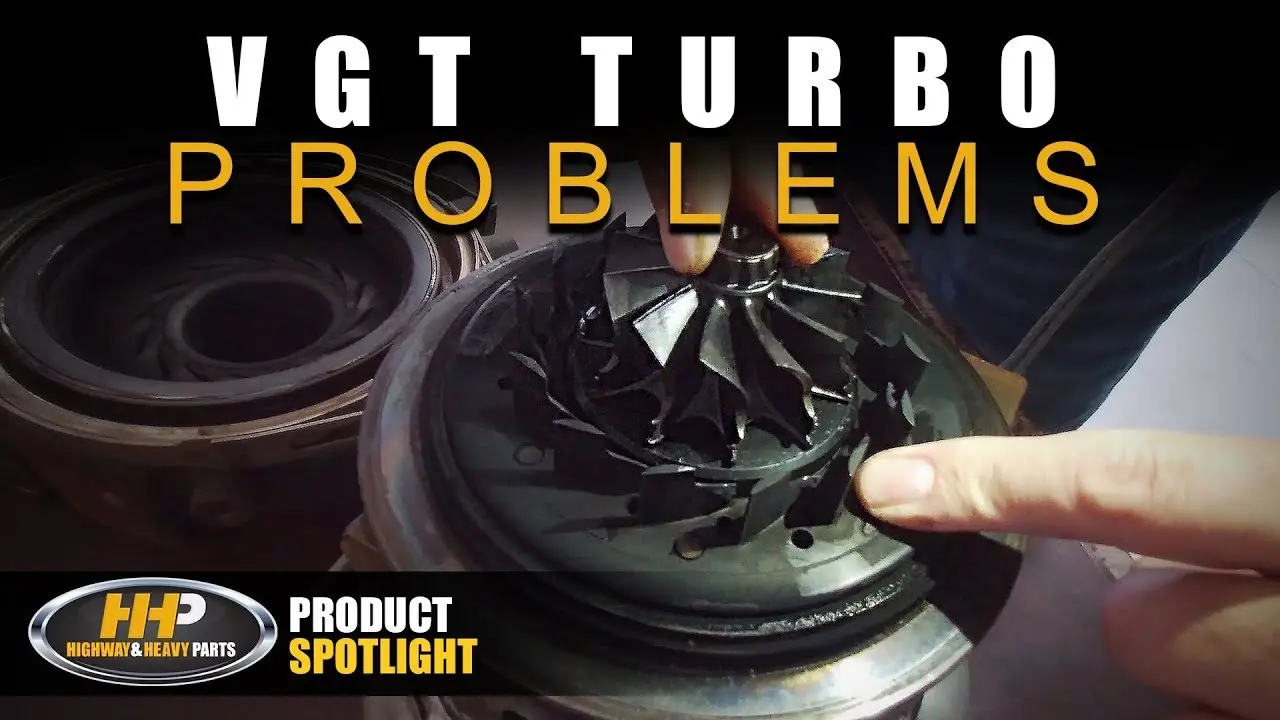
A Variable Geometry Turbocharger (VGT) does more than create boost.
It actively controls airflow, exhaust energy, and turbo speed across different engine conditions.
When a VGT system starts to fail, the issue is not just loss of power – it affects:
- Boost Pressure Control
- Exhaust Gas Temperature (EGT)
- Air-Fuel Ratio
- Emissions System Performance
Understanding how a VGT works – and how it fails – is key to diagnosing problems correctly.
How a VGT Turbo Works
Unlike a fixed-geometry turbo, a VGT uses adjustable vanes inside the turbine housing.
These vanes change position to control exhaust flow.
At low engine speed:
- Vanes Close
- Exhaust Velocity Increases
- Turbo Spools Faster
At high engine speed:
- Vanes Open
- Exhaust Flow Is Less Restricted
- Boost Is Controlled
This allows the turbo to operate efficiently across a wide RPM range.

The Role of the VGT Actuator
The actuator controls vane position.
Depending on the system, this can be:
- Electronic (Common In Modern Engines)
- Pneumatic Or Hydraulic (Older Systems)
The actuator receives input from the ECM and adjusts vane position based on:
- Engine Load
- RPM
- Boost Demand
If the actuator fails, vane control is lost.
Common VGT Turbo Problems
VGT systems introduce more moving parts – and more potential failure points.
Sticking or Seized Vanes
The most common VGT issue is vane sticking.
Caused by:
- Carbon Buildup From Exhaust Soot
- High Heat Exposure
- Infrequent Regeneration Cycles
When vanes stick:
- Turbo Cannot Adjust Geometry
- Boost Becomes Unpredictable
- Engine Performance Drops
Actuator Failure
Electronic actuators are sensitive components.
Common issues include:
- Electrical Failure
- Position Sensor Errors
- Motor Wear
When the actuator fails:
- Vanes Stay In One Position
- Turbo Cannot Respond To Load Changes
- Fault Codes May Be Triggered
Overboost or Underboost Conditions
Improper vane control leads to boost issues.
Overboost occurs when:
- Vanes Stay Too Closed
- Excess Exhaust Energy Spins The Turbo Too Fast
Underboost occurs when:
- Vanes Stay Too Open
- Not Enough Exhaust Energy Builds Boost
Both conditions affect engine performance and can cause damage.
Excessive Exhaust Gas Temperatures (EGT)
VGT failure often leads to heat issues. If airflow is not properly controlled:
- Combustion Efficiency Drops
- Exhaust Temperatures Rise
High EGT can damage:
- Turbocharger Components
- Pistons
- Valves
Turbo Lag or Poor Throttle Response
A properly functioning VGT minimizes turbo lag.
If the system fails:
- Boost Response Slows
- Acceleration Feels Delayed
- Engine Feels Underpowered
Symptoms of a Failing VGT Turbo
Watch for these warning signs:
- Loss Of Power
- Check Engine Light
- Whining Or Unusual Turbo Noise
- Excess Smoke (Black Or White)
- Poor Fuel Efficiency
These symptoms often indicate issues with vane control or actuator function.
The Role of Soot and Carbon Buildup
Diesel exhaust contains soot particles.
Over time, soot accumulates in the VGT mechanism.
This leads to:
- Restricted Vane Movement
- Increased Friction
- Mechanical Binding
Engines with frequent idling or short duty cycles are more prone to this issue.
Why Proper Diagnostics Matter
Replacing a turbo without diagnosing the root cause can lead to repeat failure.
Common underlying issues include:
- EGR System Problems
- DPF Regeneration Issues
- Fuel System Imbalance
- Oil Supply Problems
A complete system check is required.
When to Replace a VGT Turbo
Replacement is necessary when:
- Vanes Are Seized Or Damaged
- Actuator Failure Cannot Be Resolved
- Internal Wear Affects Performance
- Boost Control Is No Longer Reliable
At this point, performance cannot be restored through cleaning alone.
Shop VGT Turbochargers
If your engine is showing signs of VGT failure, replacing the turbo with a high-quality unit is critical.
At Highway and Heavy Parts:
- Verified Fitment Before Shipping
- High-Quality Components Built For Heavy-Duty Applications
- Fast Shipping (1–2 Days In Most Areas)
- Expert Diesel Support
- Parts And Labor Warranty
VGT Systems Require Precision
They improve performance – but they also require proper maintenance and diagnosis.
Fix the Cause, Not Just the Turbo
Understanding how the system works prevents repeat failures.
👉 Monitor Exhaust Temperatures
👉 Maintain Fuel And Air Systems
👉 Address Fault Codes Immediately
Call 844-304-7688 to speak with a diesel parts specialist
or visit highwayandheavyparts.com to find the right rebuild kit for your engine.
From diagnosis through delivery, we’re Highway and Heavy Parts.


