Keyword Search

Posted on

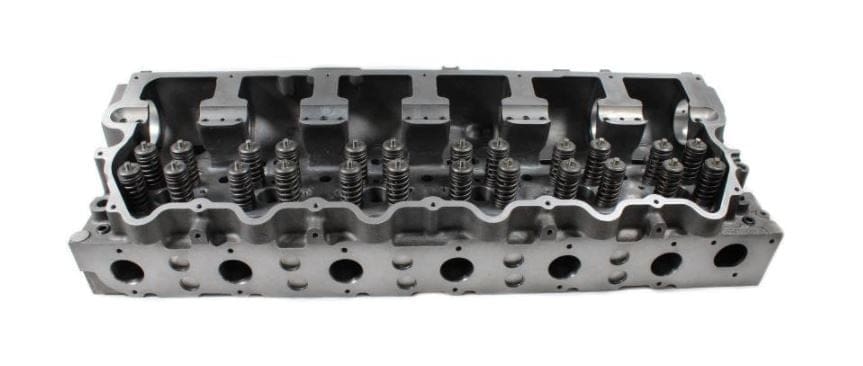
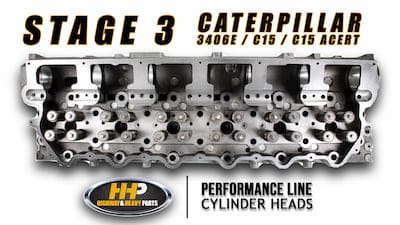
Ultra Performance Cylinder Heads

At Highway and Heavy Parts, we’re dedicated to bringing you the best information about diesel engine parts around. We want you to feel confident as you shop for parts, grow your business, and successfully identify what you need for the job at hand.

Continue reading Ultra Performance Cylinder Heads
Posted on

Problems with Caterpillar C15 Oil Pumps

Have you ever thought much about your oil pump?

Continue reading Problems with Caterpillar C15 Oil Pumps
Posted on

How to Tell If Your Pistons Are Still Good

When an engine comes apart for inspection or overhaul, one question almost always comes up: Can these pistons be reused?

The answer depends on far more than whether the piston looks acceptable at first glance.

Pistons operate in one of the harshest environments inside a diesel engine. Every combustion event exposes them to extreme pressure, heat, friction, and side loading forces. Over thousands of operating hours, even small amounts of wear can eventually affect ring sealing, oil control, compression, and overall engine reliability.

Understanding what to look for during inspection can help determine whether a piston is ready for another service life or if replacement is the smarter investment.


Why Piston Condition Matters

The piston performs several critical functions inside a diesel engine.

It transfers combustion force to the connecting rod, supports the piston rings, helps control oil consumption, and maintains proper cylinder sealing throughout the combustion cycle.

When piston wear progresses beyond acceptable limits, the result can include:

  • Increased oil consumption
  • Excessive blow-by
  • Loss of compression
  • Reduced engine performance
  • Cylinder wall damage
  • Catastrophic engine failure

Because of these risks, pistons deserve careful inspection during every rebuild.

Inspection Tip: A piston can appear acceptable during a quick visual inspection and still have excessive skirt wear, ring groove wear, or heat damage. Proper inspection should always include measurements—not just appearance.

Start With a Visual Inspection

The first step is a thorough visual inspection.

Some piston damage is immediately obvious.

Look for:

  • Cracked piston crowns
  • Broken ring lands
  • Melted edges
  • Valve contact marks
  • Excessive discoloration
  • Deep skirt damage

Any of these conditions may indicate the piston has experienced excessive heat, detonation, mechanical contact, or severe operating stress.

Even minor damage can sometimes distort the piston enough to create hidden problems later. Industry rebuilders often note that pistons showing impact damage can develop wrist pin bore distortion even when the visible damage appears minor.


What Is Piston Skirt Scoring?

One of the most common piston inspection findings is skirt scoring.

The piston skirt is the lower portion of the piston that helps stabilize movement inside the cylinder bore.

Scoring appears as vertical scratches, gouges, or scuff marks on the skirt surface.

Light polishing is generally normal. Deep scratches are not.

Normal Wear: Light polishing and uniform wear patterns.
Scuffing: Minor friction marks and light streaking.
Scoring: Deep scratches or gouges that may indicate metal-to-metal contact.
Severe Damage: Heavy scoring, discoloration, ring damage, or piston seizure.

Piston skirt scoring usually indicates metal-to-metal contact between the piston and cylinder wall. Common causes include:

  • Insufficient lubrication
  • Low oil pressure
  • Oil contamination
  • Overheating
  • Improper piston-to-wall clearance
  • Debris inside the cylinder
  • Fuel wash conditions

Understanding the Difference Between Scuffing and Scoring

Many technicians use these terms interchangeably, but they are not always the same thing.

Scuffing is generally the early stage of friction damage.

It often appears as light streaks or discoloration on the skirt surface.

Scoring is the advanced stage.

At this point, the scratches become deeper, more visible, and often indicate significant friction between the piston and cylinder wall.

A useful rule of thumb: If you can easily catch a fingernail in the damage, further investigation is required.

Deep scoring often means the piston, rings, and cylinder wall have all been affected.


Inspect the Ring Lands Carefully

Ring lands are among the most critical areas of the piston.

These grooves support the piston rings and help maintain proper combustion sealing.

Look for:

  • Cracks
  • Chipped edges
  • Excessive wear
  • Micro-welding
  • Ring sticking

Worn ring lands can allow excessive ring movement and reduce sealing effectiveness. Ring groove clearance beyond normal limits often contributes to increased blow-by and loss of performance.

If the ring lands are damaged, piston replacement is usually the safest option.

Ring land condition is closely tied to overall ring sealing performance. If you’re evaluating a rebuild, understanding piston condition and bearing clearances together can help provide a more complete picture of overall engine health. Our guide on connecting rod bearings explains how oil clearance and bearing wear can impact long-term durability.


Check for Signs of Excessive Heat

Heat is one of the biggest enemies of piston life.

A piston that has been overheated may show:

  • Dark blue discoloration
  • Purple coloring
  • Blackened surfaces
  • Crown damage
  • Melted edges

Industry piston manufacturers often use discoloration on the underside of the piston crown as an indicator of excessive operating temperature. Significant darkening may suggest the piston has experienced temperatures capable of affecting material strength.

A piston that has lost strength due to excessive heat may fail even if no cracks are currently visible.


Measure Before Making a Decision

Visual inspection is only part of the process.

Measurements are equally important.

Critical measurements include:

  • Piston diameter
  • Piston-to-wall clearance
  • Ring groove clearance
  • Wrist pin bore diameter
  • Cylinder bore condition

A piston may appear perfectly acceptable while still being out of specification.

That is why professional engine builders rely on both inspection and measurement before approving a piston for reuse.


Caterpillar C15 Cylinder Kit

Caterpillar C15 Cylinder Kit

P#
P016579
OEM
MCK2250115P
Condition
New
Application
Caterpillar C15
HHP Price
$564.28

Cylinder kits replace critical wear components, including the piston, rings, and liner assembly. Proper piston-to-wall clearance and ring sealing are essential for controlling oil consumption and preventing skirt scoring.

View Product
Cummins N14 Cylinder Kit

Cummins N14 Cylinder Kit

P#
P022181
OEM
3803742
Condition
New
Application
Cummins N14
HHP Price
$667.94

A damaged piston skirt, worn rings, or excessive cylinder wear can lead to blow-by, oil consumption, and loss of performance. Replacing the complete cylinder assembly helps restore compression and durability.

View Product
Detroit Diesel Series 60 Cylinder Kit

Detroit Diesel Series 60 Cylinder Kit

P#
P025829
OEM
23532554
Condition
New
Application
Detroit Diesel Series 60
HHP Price
$576.97

Cylinder kits are often required when piston skirt scoring, liner damage, excessive oil consumption, or compression loss indicate wear has progressed beyond acceptable limits.

View Product

When Can Pistons Be Reused?

Many pistons can successfully remain in service if:

  • Dimensions remain within specification
  • Ring lands are undamaged
  • Skirt wear is minimal
  • No cracks are present
  • No excessive heat damage exists
  • Wrist pin bores remain within tolerance

Minor polishing and normal wear patterns are often acceptable.

The decision should always be based on inspection results, measurements, manufacturer specifications, and overall engine condition.


When Should Pistons Be Replaced?

Replacement is usually recommended when inspection reveals:

  • Cracked pistons
  • Broken ring lands
  • Deep skirt scoring
  • Excessive clearance changes
  • Severe overheating
  • Distorted wrist pin bores
  • Significant ring groove wear

Replacing questionable pistons during a rebuild is often far less expensive than tearing the engine apart again after a failure.


Need Help Planning an Engine Rebuild?

Whether you’re inspecting diesel engine pistons, evaluating cylinder liners, diagnosing oil consumption, or planning a complete engine rebuild, choosing the right replacement components is critical.

Highway and Heavy Parts helps repair shops, fleet operators, and owner-operators source quality diesel engine parts for heavy-duty applications.


Final Takeaway

Pistons are one of the hardest-working components inside a diesel engine. Over time, heat, friction, contamination, lubrication issues, and normal wear can all affect their ability to maintain proper ring seal and cylinder sealing performance.

While some wear patterns are considered normal, deep skirt scoring, damaged ring lands, excessive heat discoloration, and out-of-spec measurements should never be ignored.

A careful inspection today can help prevent a much larger failure tomorrow.

Call 844-304-7688 or visit highwayandheavyparts.com to get the right diesel engine parts for your application.

From diagnosis through delivery, we’re Highway and Heavy Parts.

Posted on

The Importance of Replacing Your Injector Hold-Down Bolts

If you need to replace the fuel injectors on your CAT 3406E, C15, or C15 ACERT we know you want the highest quality and best functioning fuel injectors.

Continue reading The Importance of Replacing Your Injector Hold-Down Bolts
Posted on

Caterpillar C15 ACERT Oil Pump Failure

Diesel engines are made up of thousands of moving parts, and keeping them lubricated comes down to having a correctly working oil pump. If the oil pump on your Cat C15 ACERT Diesel engine is not working properly, failure and damage is the only possible outcome.

Continue reading Caterpillar C15 ACERT Oil Pump Failure
Posted on

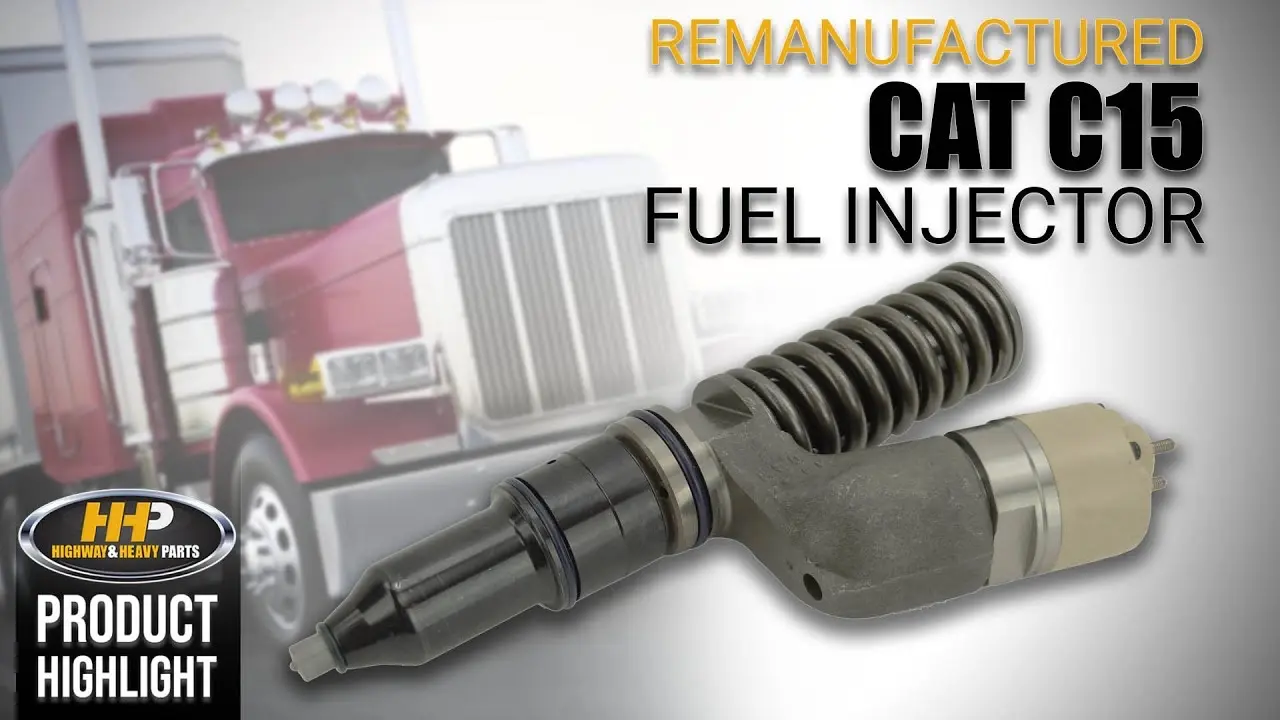
Caterpillar C15 Fuel Injectors (10R0956)

Today we’re going to be talking about the fuel injector options available for the Caterpillar C15 diesel engine. It’s important to know where your parts come from and the standards for production. We’re also covering the common failure symptoms you might experience!

Continue reading Caterpillar C15 Fuel Injectors (10R0956)
Posted on

Misfire, Trouble Starting or Poor Fuel Economy? Time to replace your CAT C15 Fuel Injectors!

Caterpillar C15 Fuel Injectors Problems? HHP Can Help!

Continue reading Misfire, Trouble Starting or Poor Fuel Economy? Time to replace your CAT C15 Fuel Injectors!

Posted on

Benefits of the Stage 2 Performance Cylinder Heads for Caterpillar C15

Have you ever thought about what a performance cylinder head could do for your diesel engine?

Continue reading Benefits of the Stage 2 Performance Cylinder Heads for Caterpillar C15
Posted on

Is Your Caterpillar C15 Turbo Working Right? Symptoms of Failure and Causes

Maybe you’ve noticed lower power or boost in your CAT C15. Or maybe the overall performance just isn’t where it should be.

Continue reading Is Your Caterpillar C15 Turbo Working Right? Symptoms of Failure and Causes
Posted on

7 Common Caterpillar C15 Cylinder Head Problems

Caterpillar has been a renowned manufacturer of heavy-duty diesel engines since its inception nearly 100 years ago. The C15 has been an integral part of helping keep the Caterpillar name at the top of everyone’s list. Have a look at our Cat C15 engine spotlight here!

Continue reading 7 Common Caterpillar C15 Cylinder Head Problems
Posted on

Should You Buy A Rebuild Or Remanufactured Head For Your Diesel Engine?

Diesel engines, especially in heavy-duty machinery and trucks, have an extremely hard life. At one point or another, they will need major service, and the heads will have to be replaced.

Continue reading Should You Buy A Rebuild Or Remanufactured Head For Your Diesel Engine?
Posted on

A Guide To Caterpillar ESNs – Finding Your Engine Serial Number, Formatting And Prefixes

We know that when you’re looking for parts for your Caterpillar engine, you don’t want to waste time and money on the wrong parts. That’s why it’s important to know your diesel engine’s serial number. It helps us ensure you’re getting exactly what you need the first time you order.

Continue reading A Guide To Caterpillar ESNs – Finding Your Engine Serial Number, Formatting And Prefixes

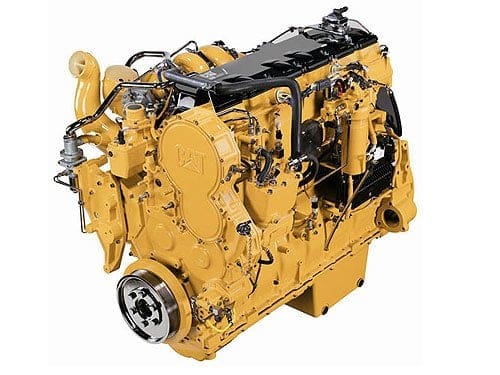
Learn about premium Caterpillar C15 engine parts for Class 8 trucks, heavy equipment, and industrial applications at Highway and Heavy Parts. Our inventory includes cylinder heads, camshafts, pistons, turbochargers, and complete engine rebuild kits engineered to meet or exceed OEM standards. Whether you’re maintaining a legacy C15 or performing a full engine rebuild, we offer parts designed for long-lasting performance in demanding diesel environments.

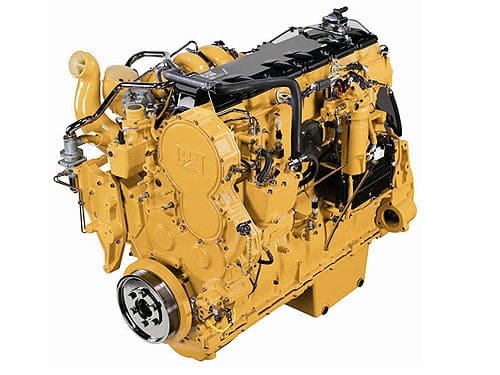
The Caterpillar C15 (pre-ACERT) engine, introduced in the early 2000s, is known for its simplicity and durability. With a 15.2L displacement and horsepower ratings ranging from 435 to 550 HP, it was a workhorse in over-the-road trucks and vocational equipment. Our C15 parts are compatible with popular models across Freightliner, Kenworth, Peterbilt, and Caterpillar construction equipment.

What C15 Engine Parts Are Available?

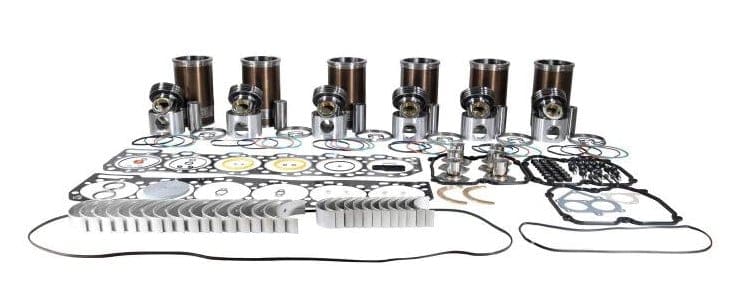
We stock engine blocks, cylinder kits, engine bearings, camshafts, fuel system components, turbochargers, oil pumps, gaskets, and complete C15 engine rebuild kits. Choose from genuine Caterpillar parts and high-quality aftermarket alternatives designed for direct-fit installation.

How Do I Identify Parts for a C15 Engine?

Use your engine’s serial number (prefixes like 6NZ or MBN) located on the engine data plate. Our technical team can help verify compatibility to ensure you get the right components the first time.

Why Choose HHP for C15 Parts?

  • Industry-Best Warranties on Aftermarket Components
  • Fast Shipping from Strategically Stocked Warehouses
  • In-House Diesel Technicians for Expert Support

The Caterpillar C15 remains one of the most trusted engines in the diesel world. Maintain its performance with trusted parts from HHP.

FAQs for the Caterpillar C15

  1. What’s the difference between the C15 and C15 ACERT engines?
    The C15 is the original pre-ACERT version of Caterpillar’s 15.2L engine, known for mechanical simplicity and reliability. The ACERT version added emissions components and electronics for EPA compliance.
  2. What serial numbers are associated with the C15 engine?
    Common serial number prefixes include 6NZ, MBN, and 1LW. These help identify part compatibility, especially for engine rebuild kits and fuel system components.
  3. Can I use aftermarket parts in a C15 engine rebuild?
    Yes, high-quality aftermarket parts manufactured to OEM specifications are available and widely used for C15 engine rebuilds. They offer cost savings without compromising reliability.
  4. What trucks use the C15 engine?
    The C15 engine was used in Freightliner, Peterbilt, Kenworth, and International Class 8 trucks, as well as in some Caterpillar construction equipment.
  5. How often should C15 components like turbos and injectors be replaced?
    Fuel injectors typically last 300,000 to 400,000 miles, while turbochargers may last 500,000 miles or more, depending on load and maintenance.