Keyword Search

Posted on

Caterpillar C15 Stage 2 Loaded Cylinder Head – Complete Guide

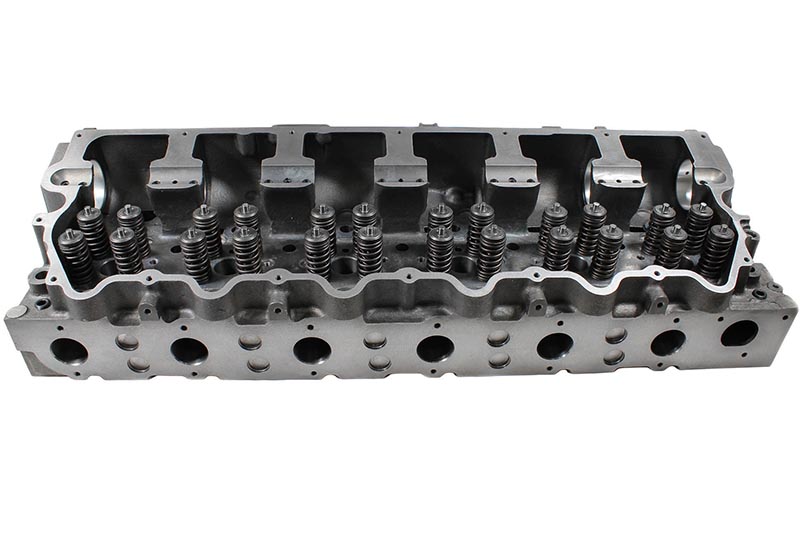
2635055 CAT cylinder head top view

Part Number Cross-Reference: 2635055, 20R-2647, 2454324, 2239250, 223-9250, 20R2647, 20R2648, 245-4324


2635055 CAT cylinder head top view
(Multiple Values)

Product Overview: Premium Aftermarket Cylinder Head for Caterpillar 3406E, C15, and C15 Acert Engines

Looking for a reliable replacement cylinder head for your Caterpillar C15, 3406E, or C15 Acert engine? Our Stage 2 loaded cylinder head (OEM Replacement MPN: 2635055) delivers superior performance and durability compared to OEM alternatives. This complete, ready-to-install cylinder head assembly features Inconel exhaust valves and upgraded casting technology designed to handle the extreme demands of heavy-duty diesel applications.

Compatible Part Numbers:

  • Primary: 2635055, 263-5055
  • OEM Replacements: 223-9250, 20R-2647, 20R2647, 20R-2648, 20R2648
  • Alternative Numbers: 2454324, 245-4324, 2239250, 223-9250, 2237263, 223-7263
  • Additional Cross-References: 2741953, 274-1953, 2811640, 281-1640, 2998342, 1835296, 183-5296

Engine Compatibility:

  • Caterpillar 3406E Diesel Engines
  • Caterpillar C15 Diesel Engines (all configurations)
  • Caterpillar C15 Acert Diesel Engines
  • Caterpillar C16 Diesel Engines
  • Compatible with VVA (Variable Valve Actuation) systems

Why Choose This Upgraded Cylinder Head?

2635055 CAT cylinder head internal view
(Multiple Values)

Superior Engineering & Materials

Our cylinder head meets or exceeds OEM specifications while incorporating several critical upgrades:

Enhanced Casting Technology:

  • Higher nickel content (5% more than OEM) for superior heat dissipation
  • Reinforced casting in high-stress areas prevents cracking between valves
  • Enlarged coolant passages (30% larger) for improved thermal management
  • Strengthened inner ribs to reduce heat stress and structural fatigue

Inconel Exhaust Valves:

  • Made from superalloy material, much stronger than standard steel
  • Exceptional resistance to high temperatures and thermal fatigue
  • Superior corrosion resistance extends valve life significantly
  • Ideal for high-performance, marine, and heavy haul applications

Complete “Loaded” Assembly:

  • Preassembled with all necessary components
  • Includes guides, seats, tubes, and a complete valve train
  • Pre-drilled for C15 Acert VVA compatibility
  • Ready for direct bolt-on installation

Performance Benefits:

  1. Improved cooling efficiency prevents overheating and engine damage
  2. Higher resistance to cracking in critical stress areas
  3. Extended engine life through superior materials and engineering
  4. Reduced downtime with a ready-to-install design
  5. Better heat management for sustained high-performance operation

Common Applications & Equipment

2635055 CAT cylinder head bottom view

On-Highway Trucks:

  • Heavy haul tractors
  • Long-haul semi-trucks
  • Vocational trucks

Construction Equipment:

  • Wheel loaders (980G, 988G series)
  • Excavators (365C, 374D, 385B series)
  • Wheel dozers (824G, 834G, 836G series)
  • Track-type tractors (D8R, D8T series)

Material Handling:

  • Articulated trucks (735, 740 series, D350E, D400E)
  • Wheel tractors (621G, 623G, 627G series)
  • Soil compactors (825G, 825H series)
  • Landfill compactors (826G, 826H, 836G series)

Marine & Industrial:

  • Marine propulsion engines
  • Generator sets
  • Stationary power units
  • Industrial pumping applications

Technical Specifications

SpecificationDetails
Primary Part Number2635055
OEM Replacement20R-2647, 20R2647
StageStage 2 – Enhanced Performance
Valve MaterialInconel Exhaust Valves (Superalloy)
Casting Enhancement5% Higher Nickel Content
Cooling System30% Enlarged Coolant Passages
Assembly TypeFully Loaded (Complete)
VVA CompatibilityPre-drilled for C15 Acert VVA
Approximate Weight406-493 lbs (184-224 kg)
TestingPressure & Vacuum Tested
WarrantyManufacturer Warranty Included

Understanding Part Number Variations

2635055 CAT cylinder head left angle
(Multiple Values)

20R-2647 vs 20R2647 vs 20R-2648:

The part number 20R-2647 (or 20R2647 without hyphen formatting) represents the Caterpillar remanufactured cylinder head assembly. The 20R-2648 is a superseding part number. All are compatible replacements for various C15, 3406E, and C15 Acert applications.

2454324 vs 245-4324:

Both represent the same part number (with and without hyphen formatting). This is commonly referenced for 3406E and C15 Stage 2/Stage 3 applications and is cross-compatible with the 2635055.

2239250 vs 223-9250:

These part numbers (with or without hyphen formatting) refer to specific C15 Acert cylinder head configurations. They’re direct replacements for the 2635055 in most applications.

2635055 vs 263-5055:

The primary part number for the Stage 2 loaded cylinder head. Both formats (with or without hyphen formatting) are correct and interchangeable.


Installation & Quality Assurance

2635055 CAT cylinder head  right angle

What’s Included:

  • One complete loaded cylinder head assembly
  • Pre-installed valve guides and seats
  • Complete valve train components
  • Tubes and all necessary hardware
  • Plug and adapter kit

Quality Testing:

Every cylinder head undergoes rigorous quality control:

  • Precision machining with state-of-the-art CNC equipment
  • Pressure testing for leak detection
  • Vacuum testing for structural integrity
  • Dimensional verification to OEM tolerances
  • Visual inspection of all critical surfaces

Installation Support:

  • ASE-certified technician support available
  • Technical assistance from purchase through installation
  • Detailed installation guidance provided
  • Compatible with standard Caterpillar service procedures

FAQs About Caterpillar Cylinder Head Part Numbers

2635055 CAT cylinder head side angle
(Multiple Values)

1. What’s the difference between part numbers 2635055, 20R-2647, and 2454324?

These part numbers represent different stages and configurations of Caterpillar cylinder heads for the same engine family:

  • 2635055 (263-5055): Stage 2 loaded cylinder head with Inconel exhaust valves
  • 20R-2647 (20R2647): OEM remanufactured cylinder head assembly
  • 2454324 (245-4324): Stage 2/3 cylinder head, often used interchangeably with 2635055

All three are compatible replacements for Caterpillar 3406E, C15, and C15 Acert engines. The primary differences are in manufacturing source (new vs. reman) and performance stage. Our 2635055 offers new construction with upgraded materials rather than remanufactured components.

2. Will this cylinder head fit my C15 Acert engine with VVA (Variable Valve Actuation)?

Yes. This cylinder head is pre-drilled and designed for C15 Acert engines with VVA systems. It provides direct bolt-on compatibility without the need for additional machining or modifications. The head accommodates all necessary VVA mounting points and passages required for proper Variable Valve Actuation operation.

3. What engines are compatible with part numbers 2239250 and 223-9250?

Part numbers 2239250 and 223-9250 (same part, different formatting) are compatible with:

  • Caterpillar 3406E engines (various horsepower ratings)
  • Caterpillar C15 engines (6NZ, MXS, NXS, BXS, SDP prefixes)
  • Caterpillar C15 Acert engines (all configurations)

These part numbers cross-reference with 2635055 and serve as direct replacements across the 3406E/C15 engine family. Always verify your engine serial number prefix for exact fitment confirmation.

4. Is the 20R2648 part number compatible with my 20R-2647 application?

Yes. The 20R2648 (or 20R-2648) is a superseding part number for the 20R-2647. Caterpillar often releases updated part numbers that replace earlier versions while maintaining full backward compatibility. Both part numbers fit the same engine applications and mounting configurations. Our 2635055 serves as an upgraded aftermarket alternative to both OEM part numbers.

5. What makes Inconel exhaust valves superior to standard valves?

Inconel is a nickel-chromium superalloy specifically engineered for extreme temperature applications. Compared to standard steel exhaust valves:

  • Temperature resistance: Maintains strength at temperatures exceeding 1200°F (650°C)
  • Corrosion resistance: Superior protection against exhaust gas corrosion and oxidation
  • Fatigue resistance: Significantly longer service life under thermal cycling
  • Strength: Many times stronger than conventional valve materials

This makes Inconel valves essential for high-performance, marine, and heavy-haul applications where exhaust temperatures and duty cycles exceed standard operating conditions.

6. Can I use this cylinder head for a high-horsepower or performance build?

Absolutely. This cylinder head is specifically designed to handle increased performance demands:

  • Higher nickel content provides better heat dissipation for sustained high-output operation
  • Inconel exhaust valves resist the extreme temperatures from performance tuning
  • Reinforced casting prevents cracking under increased cylinder pressures
  • Enlarged coolant passages maintain optimal temperatures during high-load conditions

Many customers install this head when upgrading to marine camshafts, high-flow fuel injectors, or larger turbochargers. The upgraded design ensures your cylinder head can handle the increased thermal and mechanical stress.

You can also use: C15 Stage 3 Loaded Cylinder Head – 2237263 – P200012, or  Ultra Performance Loaded Cylinder Head – 1835296 – P200013 for higher horsepower applications.

7. How does this aftermarket head compare to Caterpillar OEM part 245-4324?

Our cylinder head meets or exceeds OEM specifications while offering several advantages:

Material Improvements:

  • 5% higher nickel content in casting material
  • Enhanced structural reinforcement in stress areas
  • Superior metallurgy for better thermal cycling resistance

Design Enhancements:

  • 30% larger coolant passages for improved heat rejection
  • Strengthened ribs in high-stress locations
  • Optimized geometry based on years of field experience

Value Proposition:

  • Significantly lower cost than OEM equivalent
  • New construction (not remanufactured)
  • Complete assembly ready for installation
  • Comprehensive technical support included

8. What warranty coverage is included with this cylinder head?

Warranty terms vary by manufacturer, but typically include:

  • 1-2 year parts warranty against manufacturing defects
  • Coverage for material and workmanship issues
  • Protection against premature failure under normal use conditions

Specific warranty details, exclusions, and claim procedures are provided with your purchase. Many suppliers also offer extended warranty options for additional protection. Contact the seller directly for complete warranty information specific to your purchase.

9. Is this a “loaded” or “bare” cylinder head?

This is a fully loaded cylinder head assembly, meaning it comes completely assembled and ready to install:

Included Components:

  • Valve guides (installed and machined)
  • Valve seats (installed and cut to specification)
  • Complete valve train (valves, springs, retainers, keepers)
  • Fuel injector tubes
  • All necessary plugs and hardware

You do NOT need to purchase additional components or perform machine work. This saves significant time and ensures all specifications meet proper tolerances. Simply remove your old head and install this complete assembly.

10. Will this cylinder head work for marine applications?

Yes. This cylinder head is ideal for marine applications due to:

Enhanced Durability Features:

  • Inconel exhaust valves resist corrosion from marine exhaust systems
  • Higher nickel content protects against saltwater environment exposure
  • Superior cooling efficiency handles continuous-duty marine operation
  • Reinforced casting withstands constant high-load running

Marine-Specific Considerations: Many marine operators choose this head when rebuilding C15 marine engines, particularly for commercial fishing vessels, tugboats, and pleasure craft. The upgraded materials and enhanced cooling make it suitable for continuous-duty marine propulsion and auxiliary power applications.

11. Do I need to return my old cylinder head (core charge)?

No core charge or core return is required. This is a new cylinder head, not a remanufactured unit requiring a core exchange. This eliminates the hassle of:

  • Packaging and shipping your old head
  • Waiting for core inspection and approval
  • Risk of core charge retention due to damage
  • Additional shipping costs for return freight

You can dispose of your old cylinder head at your discretion or keep it as a spare.

12. Can I install this myself, or do I need a professional mechanic?

While this cylinder head is designed for straightforward installation, cylinder head replacement requires:

Technical Skills:

  • Understanding of diesel engine service procedures
  • Proper torque sequence knowledge
  • Valve adjustment and timing procedures
  • Cooling system service and bleeding

Special Tools:

  • Precision torque wrenches
  • Valve adjustment tools
  • Fuel injector height adjustment gauges (C15 Acert)
  • Engine barring tools

Recommendation: Unless you have professional diesel engine experience, we recommend installation by a qualified technician. Improper installation can cause serious engine damage. ASE-certified technical support is available to assist professional mechanics during installation.

13. What are the common signs that I need a new cylinder head?

Watch for these symptoms indicating cylinder head problems:

Performance Issues:

  • Loss of power or acceleration
  • Excessive white, blue, or black smoke
  • Poor fuel economy
  • Hard starting or rough idle

Physical Symptoms:

  • Coolant loss without external leaks
  • Oil in coolant or coolant in oil
  • Overheating despite a proper cooling system function
  • Excessive blowby or crankcase pressure

Visual Indicators:

  • Cracks visible on the cylinder head surface
  • Warped or damaged deck surface
  • Damaged or burned valves
  • Failed head gasket with erosion damage

If you’re experiencing multiple symptoms, cylinder head replacement may be necessary to restore proper engine operation.

14. How long does cylinder head installation typically take?

Installation time varies by engine configuration and technician experience:

Average Time Frames:

  • Experienced diesel technician: 22 hours not including R&I of Jake Brakes and Liner protrusion measurements.
  • General mechanic with diesel experience: 26-30 hours
  • Additional time may be needed for:
    • Fuel injector timing/height adjustment (C15 Acert)
    • Cooling system flush and fill
    • Associated repairs (gaskets, hoses, sensors)

Factors Affecting Time:

  • Engine accessibility in equipment
  • Condition of surrounding components
  • Whether additional repairs are needed
  • Shop equipment and tooling availability

Professional shops typically quote 1-2 days for cylinder head replacement, including proper break-in procedures and testing.

15. What maintenance should I perform after installing a new cylinder head?

Follow these post-installation maintenance guidelines:

Immediate (First 50 Hours):

  • Monitor coolant level and check for leaks
  • Inspect for oil leaks around the valve cover and cylinder head gasket
  • Watch for unusual smoke or performance issues

First Service (250-500 Hours):

  • Perform a complete oil and filter change
  • Inspect and adjust valve clearances
  • Check coolant mixture and condition
  • Verify no coolant or oil contamination

Ongoing Maintenance:

  • Regular oil analysis to monitor engine condition
  • Valve adjustments per manufacturer specifications
  • Maintain proper coolant mixture and inhibitor levels
  • Use quality diesel fuel and maintain clean fuel filtration

Proper break-in and maintenance ensure maximum cylinder head life and optimal engine performance.


Key Search Terms & Part Number Index

Primary Part Numbers:

  • 2635055 Cylinder Head
  • 263-5055 Cylinder Head
  • 20R-2647 Cylinder Head
  • 20R2647 C15 Cylinder Head Assembly
  • 2454324 Cylinder Head
  • 245-4324 C15 Acert Cylinder Head
  • 2239250 Cylinder Head Assembly
  • 223-9250 C15 Cylinder Head
  • 20R-2648 Replacement Cylinder Head
  • 20R2648 Cylinder Head Assembly

Engine Applications:

  • Caterpillar C15 Cylinder Head
  • Caterpillar 3406E Cylinder Head
  • Caterpillar C15 Acert Cylinder Head
  • Caterpillar 3406E Cylinder Head Assembly
  • Caterpillar C15 Stage 2 Cylinder Head
  • Caterpillar C15 Loaded Cylinder Head

Equipment Categories:

  • Heavy Duty Truck Cylinder Heads
  • Construction Equipment Engine Parts
  • Marine Diesel Cylinder Heads
  • Industrial Engine Components

Technical Support & Resources

For technical assistance, installation support, or application-specific questions:

  • ASE-certified technicians available
  • Engine serial number verification services
  • Cross-reference confirmation
  • Installation procedure guidance
  • Torque specification resources

Summary: Why This Cylinder Head is the Best Choice

2635055 CAT cylinder head valves
(Multiple Values)

Choosing the right cylinder head is critical for engine reliability and performance. Our Stage 2 loaded cylinder head (2635055) delivers:

Superior Materials – 5% higher nickel content and Inconel exhaust valves
Enhanced Design – 30% larger coolant passages and reinforced casting
Complete Assembly – Ready to install with all components included
Quality Assurance – Pressure and vacuum tested for reliability
Technical Support – ASE-certified technicians available to assist
Cost-Effective – Premium quality at a lower cost than OEM
No Core Required – New construction, no core charge or return hassle

Whether you’re rebuilding a long-haul truck, construction equipment, or marine vessel, this cylinder head provides the performance, durability, and value you need to keep your Caterpillar engine running strong.


Compatible Part Number Quick Reference: 2635055 | 263-5055 | 20R-2647 | 20R2647 | 20R-2648 | 20R2648 | 2454324 | 245-4324 | 2239250 | 223-9250 | 2237263 | 223-7263 | 2741953 | 274-1953 | 2811640 | 281-1640

Engine Compatibility: Caterpillar 3406E | Caterpillar C15 | Caterpillar C15 Acert | All VVA Configurations

Posted on

How to Instantly Cut Fuel Costs on Your Diesel Engine (Without Expensive Upgrades)

Fuel is one of the biggest operating costs for trucks, equipment fleets, and diesel-powered businesses. And while fuel prices rise and fall, one thing never changes: wasted fuel is wasted money.

The good news? You don’t need pricey retrofit kits or major engine conversions to improve efficiency. Most fuel savings come from simple steps you can take today – and in many cases, it’s caused by worn internal components that your engine is already overdue to replace.

At Highway and Heavy Parts, we help customers improve reliability, uptime, and fuel efficiency every day through better engine parts and better maintenance decisions. Here’s how to reduce fuel cost fast.

1. Start With the Fuel System: Small Problems = Big Fuel Waste

Your diesel engine is only as efficient as the fuel system feeding it. When injectors, filters, or seals start to fail, your fuel burn climbs quickly.

Watch for these Common Fuel-Wasting Issues:

  • Worn or Dirty Fuel Injectors
  • Clogged Fuel Filters
  • Leaking Fuel Lines or O-Rings
  • Poor Atomization

Even minor injector wear can drop fuel economy by 2–5%, which adds up quickly across thousands of miles or engine hours. Highway and Heavy Parts carries high-quality fuel system components here, designed to restore proper spray patterns and combustion efficiency.

2. Fix Blow-By and Compression Loss Before It Gets Expensive

Worn internal engine components don’t just affect power – they kill fuel economy.

These Parts Directly Impact How Efficiently Your Engine Burns Fuel:

  • Piston Rings
  • Cylinder Liners
  • Main and Rod Bearings
  • Gaskets and Seals

When cylinder pressure drops or blow-by increases, the engine must burn more fuel to produce the same work. Many customers don’t notice this happening until they see a spike at the fuel pump.

3. Keep Your Airflow Clean and Boost Leaks Sealed

Your engine is an air pump – if airflow is restricted, fuel consumption goes up.

Be on the Lookout For:

  • Dirty Air Filters
  • Damaged Turbocharger Gaskets
  • Leaking Charge-Air Boots
  • Cracked Intercooler Piping

A turbocharger losing just a little boost pressure can cause an engine to over-fuel significantly.

4. Reduce Friction With Better-Quality Components

Every moving part inside your engine creates drag. As parts wear, friction increases. And when friction increases, the engine needs more fuel to overcome it.

Components that Influence Friction:

  • Bearings
  • Bushings
  • Camshaft Followers
  • Oil Pumps

Using high-quality internal components during maintenance and rebuilds helps keep friction losses low – which directly improves fuel economy.

Many customers choose HHP’s aftermarket bearings, gaskets, and rebuild components to restore factory-spec friction performance without paying OEM prices.

5. Keep Up With Preventive Maintenance (Your Wallet Will Thank You)

The easiest way to improve fuel economy is simply staying ahead of maintenance. A well-maintained diesel engine uses every drop of fuel efficiently.

Build a Simple Checklist:

  • Replace Fuel Filters on Time
  • Monitor Turbo Boost Pressure
  • Inspect Fuel Injectors Regularly
  • Watch for Oil Consumption or Blow-By
  • Change Air Filters Proactively
  • Check for Exhaust Leaks

A fleet that runs a consistent maintenance program can save thousands of dollars per truck each year.

6. Track Your Fuel Economy Before and After Repairs

Many operators never track MPG or gallons per hour – but this simple habit helps you spot declining efficiency before it becomes a major repair.

Track:

  • Baseline MPG Before Component Replacement
  • Fuel Economy After Injector or Gasket Updates
  • Load-Specific Fuel Consumption
  • Idle Time and PTO Time

If you’ve recently installed new internal components, bearings, injectors, or seals from Highway and Heavy Parts, tracking fuel use will show exactly how much your engine improved.

7. Don’t Buy the Cheapest Parts – Buy the Right Parts

The video below makes one point very clear: Cheap parts cost more in the long run.

Poorly Machined or Low-Grade Components:

  • Wear Out Faster
  • Reduce Engine Efficiency
  • Increase Downtime
  • Cause Premature Engine Failures
  • Waste Fuel Due to Poor Tolerances

Highway and Heavy Parts carries parts engineered for performance and longevity – helping keep engines efficient, reliable, and profitable.

How To Reduce Fuel Costs On Your Diesel Engine!

Final Takeaway: You Don’t Need Costly Upgrades to Save Fuel

Most Fuel Waste Comes From:

  • Minor Fuel System Issues
  • Normal Internal Engine Wear
  • Dirty Airflow Components
  • Turbocharger or Boost Leaks
  • Neglected Maintenance

By addressing these simple areas using quality parts, you can reclaim efficiency, power, and fuel savings instantly. For more information on diesel fuel and standards, check out the United States Environmental Protection Agency website here.

Guaranteed for fit and function, HHP parts have the right combination of quality and price with total support from our on-staff ASE-certified technicians. With specialized knowledge, quality products, fast shipping, and unbeatable customer service, HHP has you covered.

Call 844-304-7688 or visit highwayandheavyparts.com to place your order today.

From diagnosis through delivery, we’re Highway and Heavy Parts.

Posted on

Detroit Diesel Series 60 Engine Highlight

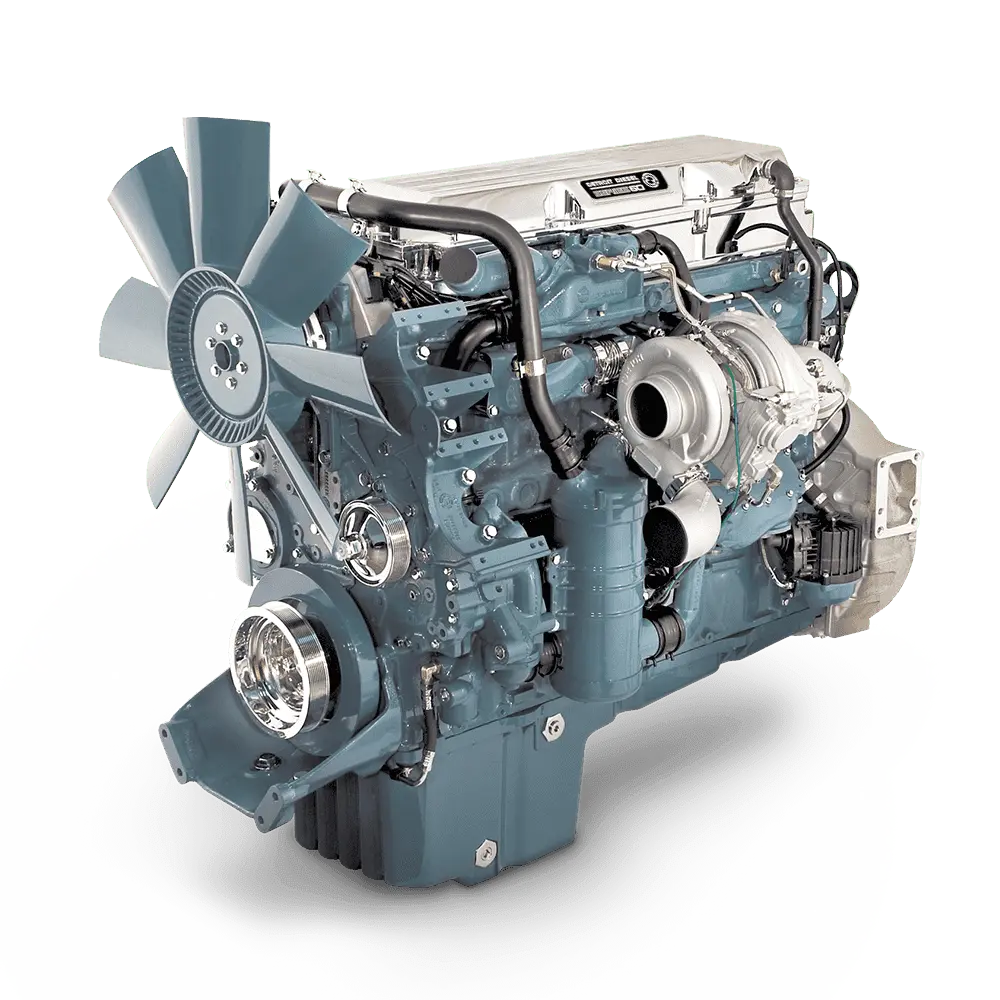
Detroit Diesel Series 60 Diesel Engine

Introduction to the Detroit Diesel Series 60

The Detroit Diesel Series 60 remains one of the most iconic and reliable heavy-duty diesel engines ever manufactured. Introduced in 1987, the Series 60 revolutionized the trucking industry with its inline-six configuration, electronic controls, and impressive power output. Available in multiple displacements, the 12.7L and 14L variants became the workhorses of countless fleets across North America, powering everything from highway tractors to vocational trucks and buses.

Detroit Diesel Series 60 Diesel Engine

For over three decades, these engines have proven their durability on highways and job sites alike. Whether you’re maintaining a legacy fleet or rebuilding a classic Series 60, understanding the strengths, weaknesses, and maintenance requirements of these legendary powerplants is essential for maximizing performance and longevity.

Series 60 Engine Specifications and Configurations

The Detroit Diesel Series 60 came in two primary displacement options that became industry favorites, and the less popular 11.1L. The 12.7L Series 60 offered an excellent balance of power and efficiency, producing between 350 and 500 horsepower depending on the configuration. This displacement became the most popular choice for over-the-road applications where fuel economy and reliability were paramount.

The 14L Series 60 delivered even more muscle for demanding applications. With power ratings ranging from 425 to 575 horsepower, the 14-liter variant excelled in heavy-haul operations, mountainous terrain, and vocational applications requiring maximum torque. Both engines featured Detroit Diesel’s renowned Electronic Control Module (ECM) technology, which provided precise fuel delivery and diagnostic capabilities that were ahead of their time.

These inline-six cylinder engines utilized a four-stroke cycle design with overhead camshafts, unit fuel injectors, and robust cast-iron construction. The Series 60’s modular design made maintenance more accessible compared to previous generations, while its electronic architecture allowed for easier troubleshooting and performance tuning.

Advantages of the Detroit Diesel Series 60

Proven Reliability and Longevity

The Series 60’s reputation for durability is well-earned. With proper maintenance, these engines routinely achieve over one million miles of service. The robust engine block, quality internal components, and proven design contribute to exceptional longevity that keeps older trucks productive and profitable.

Parts Availability and Aftermarket Support

Series 60 turbocharger

One significant advantage of the Series 60 is the extensive parts availability. Companies like Highway and Heavy Parts maintain comprehensive inventories of Detroit Diesel engine components, including engine rebuild kits, fuel injectors, cylinder heads, and complete engine assemblies. This widespread parts support keeps maintenance costs manageable and downtime minimal.

Excellent Power-to-Weight Ratio

Compared to competitors, the Series 60 offers impressive horsepower in a relatively compact and lightweight package. This efficiency translates to better payload capacity and fuel economy, making it an economical choice for fleet operators.

Electronic Control Systems

The Series 60’s advanced electronics provide unprecedented control over engine parameters. The Detroit Diesel Electronic Control (DDEC) system allows technicians to quickly diagnose issues, adjust performance parameters, and monitor engine health through comprehensive data logging capabilities.

Strong Torque Characteristics

Both the 12.7L and 14L versions deliver flat torque curves with excellent low-end grunt. This characteristic made the Series 60 particularly well-suited for applications requiring strong pulling power and responsive throttle response under load.

Disadvantages and Common Issues

Fuel Economy Compared to Modern Engines

While efficient for their time, Series 60 engines cannot match the fuel economy of modern emissions-compliant powerplants. Newer engines with advanced injection systems, turbocharging technology, and aerodynamic improvements deliver significantly improved fuel efficiency, resulting in better miles per gallon.

Unit injector issues represent one of the most common maintenance concerns with Series 60 engines. Fuel injector failures can cause rough running, excessive smoke, poor fuel economy, and reduced power. Regular fuel injector maintenance and timely replacement are essential for optimal performance.

Oil Consumption Concerns

Some Series 60 engines, particularly higher-mileage units, can develop increased oil consumption. Worn valve guides, seals, and piston rings contribute to this issue, which may require cylinder head work or complete engine overhauls to resolve.

Overhead Adjustment Requirements

Unlike modern engines with hydraulic lifters, the Series 60 requires periodic overhead adjustments to maintain proper valve clearances. This maintenance requirement demands skilled technicians and adds to the total cost of ownership.

Emissions Limitations

Pre-2002 Series 60 engines lack the sophisticated emissions controls required by current regulations. This limitation restricts their use in certain jurisdictions and applications, though many operators appreciate the simplicity of pre-emissions designs.

Essential Parts for Series 60 Maintenance and Repair

Maintaining peak performance from your Detroit Diesel Series 60 requires quality replacement parts and regular service intervals. Highway and Heavy Parts offers a comprehensive selection of components specifically designed for the 12.7L and 14L Series 60 engines.

Engine Rebuild Kits for Complete Overhauls

DD60 Engine Rebuild Kit

When your Series 60 reaches high mileage or experiences significant wear, a complete engine rebuild kit provides everything needed for a comprehensive overhaul. Quality engine rebuild kits include pistons, rings, bearings, gaskets, seals, and other essential components. These kits restore your engine to like-new condition, extending service life by hundreds of thousands of miles while improving reliability and performance.

Fuel Injectors for Optimal Fuel Delivery

DD60 Fuel Injector

Electronic unit fuel injectors are critical to Series 60 performance. Fresh fuel injectors ensure proper fuel atomization, improve combustion efficiency, reduce emissions, and restore lost horsepower. Whether replacing failed fuel injectors or upgrading an entire set, quality fuel injectors from reputable suppliers prevent the rough running, smoke, and poor fuel economy associated with worn or failing units.

Cylinder Heads for Superior Performance

DD Series 60 Cylinder Head

Cylinder heads endure extreme temperatures and pressures, making them susceptible to cracking, valve seat wear, and gasket failures. Replacement cylinder heads—whether remanufactured or new—restore compression, eliminate coolant and oil leaks, and ensure proper valve seating. Many operators choose upgraded cylinder heads during engine rebuilds to improve durability and performance characteristics.

Maximizing Series 60 Engine Life

Proper maintenance practices dramatically extend Series 60 engine life. Regular oil changes using quality lubricants, timely fuel filter replacements, and attention to coolant system health prevent many common issues. Monitoring operating temperatures, addressing leaks promptly, and performing scheduled overhead adjustments keep these engines running strong.

Many operators implement oil analysis programs to detect wear metals and contamination before catastrophic failures occur. This proactive approach identifies developing problems early, allowing for planned maintenance rather than unexpected roadside breakdowns.

FAQs About the Detroit Diesel Series 60 Engine

series 60 engine

What is the difference between a 12.7L and a 14L Series 60?

The primary difference is displacement and power output. The 12.7-liter version typically produces 350 to 500 horsepower and is more fuel-efficient, making it ideal for highway applications. The 14-liter variant generates 425 to 575 horsepower with higher torque, better suited for heavy-haul and vocational work requiring maximum pulling power.

How often should Series 60 fuel injectors be replaced?

Fuel injector replacement intervals vary based on fuel quality, operating conditions, and maintenance practices. Most operators replace fuel injectors between 300,000 and 500,000 miles. However, monitor engine performance closely—excessive smoke, rough idle, or decreased fuel economy indicate fuel injector replacement may be sooner.

What are the signs that my Series 60 needs a rebuild?

Common indicators include excessive oil consumption, low compression, increased blow-by, persistent coolant leaks, abnormal engine noises, difficulty maintaining operating temperature, and significant power loss. Oil analysis showing elevated wear metals also suggests internal component deterioration requiring rebuild attention.

Can I upgrade my Series 60 engine performance?

Yes, Series 60 engines respond well to electronic tuning and turbocharger upgrades. However, any modifications should be performed by experienced professionals who understand the balance between increased performance and engine longevity. Excessive power increases can accelerate component wear.

Where can I find quality parts for Detroit Diesel Series 60 maintenance?

Highway and Heavy Parts (highwayandheavyparts.com) specializes in Detroit Diesel components, offering engine rebuild kits, fuel injectors, cylinder heads, and comprehensive engine parts inventories. Their extensive selection ensures you’ll find quality components for 11.1L, 12.7L, and 14L Series 60 engines, supporting everything from routine maintenance to complete overhauls.

Posted on

Caterpillar C15 Diesel Engine: Engine Spotlight

Rebuilt Caterpillar C15 Diesel Engine

The Caterpillar C15 diesel engine has built a reputation as one of the most popular heavy-duty engines in the trucking and equipment industry. Known for its durability, pulling power, and long service life, the C15 has been a go-to engine for fleets and independent operators since its introduction in the late 1990s. However, like any engine, it comes with both benefits and drawbacks.

Continue reading Caterpillar C15 Diesel Engine: Engine Spotlight
Posted on

The Complete Guide to Cummins Engine Rebuild Kits: Maximizing Performance and Value

Cummins Engine Rebuild Kits

When your Cummins diesel engine starts showing signs of wear, you face a critical decision: replace the entire engine or invest in a comprehensive engine rebuild. For fleet operators and owner-operators alike, Cummins engine rebuild kits represent the smart choice for restoring engine performance while maintaining cost control. These carefully engineered kits provide everything needed to bring your engine back to like-new specifications without the premium price of a complete replacement.

Continue reading The Complete Guide to Cummins Engine Rebuild Kits: Maximizing Performance and Value
Posted on

Buy Now, Pay Later: Finance Diesel Engine Parts at Highway and Heavy Parts

In today’s fast-paced heavy equipment industry, unexpected breakdowns and urgent repairs are inevitable. When your equipment is down, every minute counts – and waiting for budget approvals or cash flow improvements isn’t always an option. That’s why Highway and Heavy Parts has partnered with leading Buy Now, Pay Later (BNPL) providers Sezzle and PayPal Pay Later to offer flexible payment solutions that keep your operations running smoothly.

Continue reading Buy Now, Pay Later: Finance Diesel Engine Parts at Highway and Heavy Parts
Posted on

Why Smart Fleet Managers Choose Dinex Products Through Highway & Heavy Parts

Dinex Exhaust Emission banner

Anyone who’s managed a fleet of heavy-duty trucks knows the feeling—that sinking sensation when you get the call that another rig is down with emission system problems. It’s not just the immediate repair costs that hurt; it’s the lost revenue, the scrambling to cover routes, and the headaches that come with keeping everything EPA compliant.

Continue reading Why Smart Fleet Managers Choose Dinex Products Through Highway & Heavy Parts
Posted on

Why Did Caterpillar Stop Making Diesel Truck Engines?

red Peterbilt truck

Caterpillar has a long and storied history of producing top-notch diesel engines. Caterpillar has a reputation for its construction and mining equipment, but they used to make engines for on-highway applications. You might be curious: Does Caterpillar still make truck engines? Despite previously making engines for on-highway applications, these engines have been discontinued.

Continue reading Why Did Caterpillar Stop Making Diesel Truck Engines?
Posted on

Detroit Diesel Series 60 Common Issues and Failures

Do you own a Detroit Diesel Series 60 engine? It probably runs well for the most part. All three versions of this electronically-controlled engine have a favorable reputation; despite being out of production for years, the Series 60 remains a popular choice for many truck drivers.

Continue reading Detroit Diesel Series 60 Common Issues and Failures
Posted on

Cummins Diesel Engine Serial Numbers

Look at your rocker cover: you’ll probably find your Cummins ISB engine serial number. You might also find it on the side of the gear housing. If you have a Cummins ISM engine, the serial number is on the rocker housing on the fuel pump side.

Continue reading Cummins Diesel Engine Serial Numbers