Part Number Cross-Reference: 2635055, 20R-2647, 2454324, 2239250, 223-9250, 20R2647, 20R2648, 245-4324

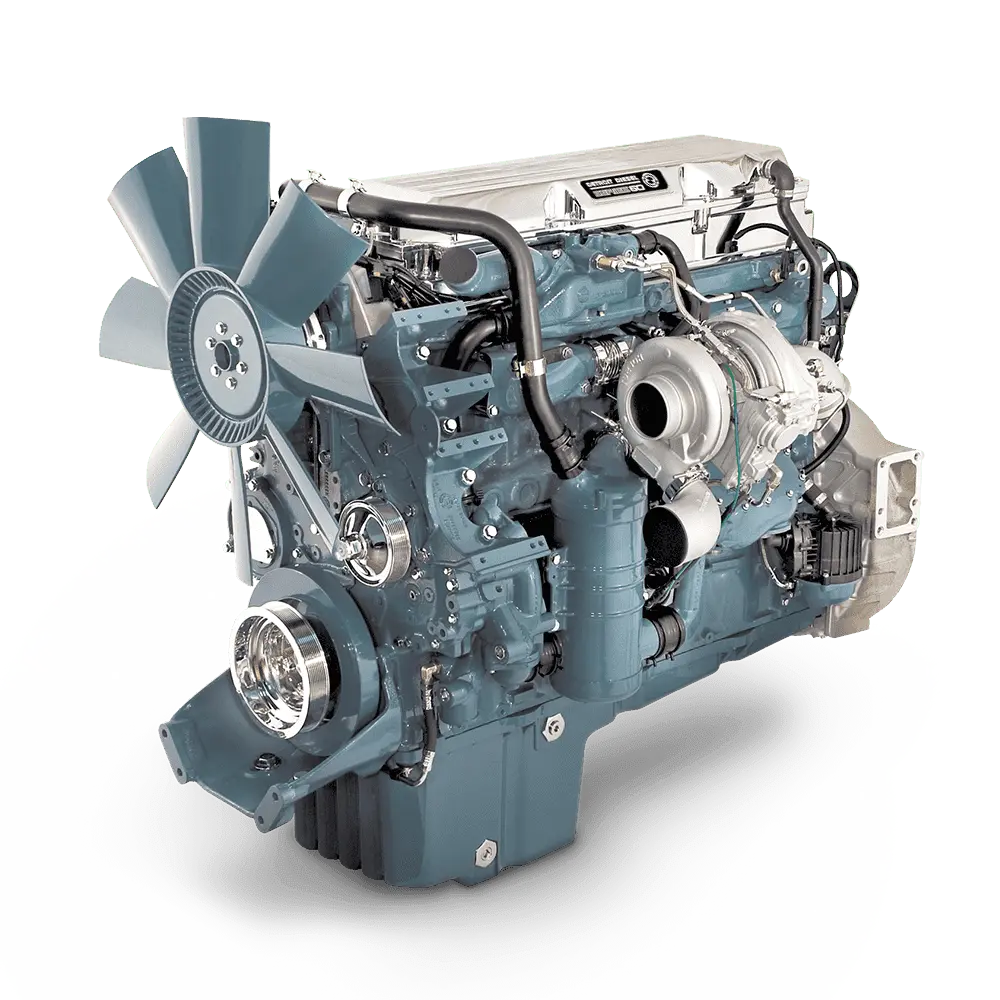
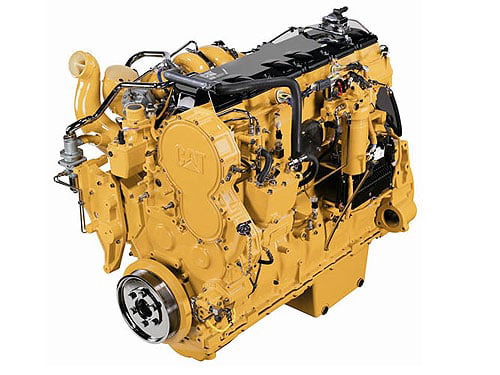
Product Overview: Premium Aftermarket Cylinder Head for Caterpillar 3406E, C15, and C15 Acert Engines
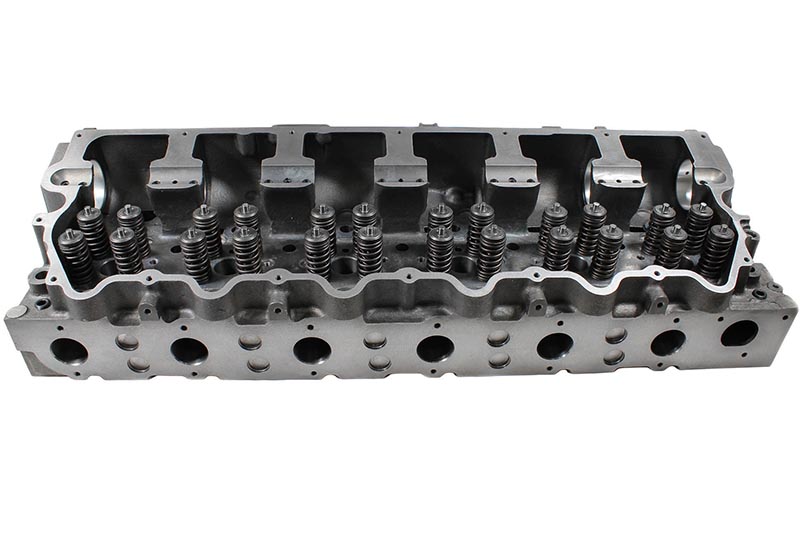
Looking for a reliable replacement cylinder head for your Caterpillar C15, 3406E, or C15 Acert engine? Our Stage 2 loaded cylinder head (OEM Replacement MPN: 2635055) delivers superior performance and durability compared to OEM alternatives. This complete, ready-to-install cylinder head assembly features Inconel exhaust valves and upgraded casting technology designed to handle the extreme demands of heavy-duty diesel applications.
Compatible Part Numbers:
- Primary: 2635055, 263-5055
- OEM Replacements: 223-9250, 20R-2647, 20R2647, 20R-2648, 20R2648
- Alternative Numbers: 2454324, 245-4324, 2239250, 223-9250, 2237263, 223-7263
- Additional Cross-References: 2741953, 274-1953, 2811640, 281-1640, 2998342, 1835296, 183-5296
Engine Compatibility:
- Caterpillar 3406E Diesel Engines
- Caterpillar C15 Diesel Engines (all configurations)
- Caterpillar C15 Acert Diesel Engines
- Caterpillar C16 Diesel Engines
- Compatible with VVA (Variable Valve Actuation) systems
Why Choose This Upgraded Cylinder Head?

Superior Engineering & Materials
Our cylinder head meets or exceeds OEM specifications while incorporating several critical upgrades:
Enhanced Casting Technology:
- Higher nickel content (5% more than OEM) for superior heat dissipation
- Reinforced casting in high-stress areas prevents cracking between valves
- Enlarged coolant passages (30% larger) for improved thermal management
- Strengthened inner ribs to reduce heat stress and structural fatigue
Inconel Exhaust Valves:
- Made from superalloy material, much stronger than standard steel
- Exceptional resistance to high temperatures and thermal fatigue
- Superior corrosion resistance extends valve life significantly
- Ideal for high-performance, marine, and heavy haul applications
Complete “Loaded” Assembly:
- Preassembled with all necessary components
- Includes guides, seats, tubes, and a complete valve train
- Pre-drilled for C15 Acert VVA compatibility
- Ready for direct bolt-on installation
Performance Benefits:
- Improved cooling efficiency prevents overheating and engine damage
- Higher resistance to cracking in critical stress areas
- Extended engine life through superior materials and engineering
- Reduced downtime with a ready-to-install design
- Better heat management for sustained high-performance operation
Common Applications & Equipment

On-Highway Trucks:
- Heavy haul tractors
- Long-haul semi-trucks
- Vocational trucks
Construction Equipment:
- Wheel loaders (980G, 988G series)
- Excavators (365C, 374D, 385B series)
- Wheel dozers (824G, 834G, 836G series)
- Track-type tractors (D8R, D8T series)
Material Handling:
- Articulated trucks (735, 740 series, D350E, D400E)
- Wheel tractors (621G, 623G, 627G series)
- Soil compactors (825G, 825H series)
- Landfill compactors (826G, 826H, 836G series)
Marine & Industrial:
- Marine propulsion engines
- Generator sets
- Stationary power units
- Industrial pumping applications
Technical Specifications
| Specification | Details |
| Primary Part Number | 2635055 |
| OEM Replacement | 20R-2647, 20R2647 |
| Stage | Stage 2 – Enhanced Performance |
| Valve Material | Inconel Exhaust Valves (Superalloy) |
| Casting Enhancement | 5% Higher Nickel Content |
| Cooling System | 30% Enlarged Coolant Passages |
| Assembly Type | Fully Loaded (Complete) |
| VVA Compatibility | Pre-drilled for C15 Acert VVA |
| Approximate Weight | 406-493 lbs (184-224 kg) |
| Testing | Pressure & Vacuum Tested |
| Warranty | Manufacturer Warranty Included |
Understanding Part Number Variations

20R-2647 vs 20R2647 vs 20R-2648:
The part number 20R-2647 (or 20R2647 without hyphen formatting) represents the Caterpillar remanufactured cylinder head assembly. The 20R-2648 is a superseding part number. All are compatible replacements for various C15, 3406E, and C15 Acert applications.
2454324 vs 245-4324:
Both represent the same part number (with and without hyphen formatting). This is commonly referenced for 3406E and C15 Stage 2/Stage 3 applications and is cross-compatible with the 2635055.
2239250 vs 223-9250:
These part numbers (with or without hyphen formatting) refer to specific C15 Acert cylinder head configurations. They’re direct replacements for the 2635055 in most applications.
2635055 vs 263-5055:
The primary part number for the Stage 2 loaded cylinder head. Both formats (with or without hyphen formatting) are correct and interchangeable.
Installation & Quality Assurance

What’s Included:
- One complete loaded cylinder head assembly
- Pre-installed valve guides and seats
- Complete valve train components
- Tubes and all necessary hardware
- Plug and adapter kit
Quality Testing:
Every cylinder head undergoes rigorous quality control:
- Precision machining with state-of-the-art CNC equipment
- Pressure testing for leak detection
- Vacuum testing for structural integrity
- Dimensional verification to OEM tolerances
- Visual inspection of all critical surfaces
Installation Support:
- ASE-certified technician support available
- Technical assistance from purchase through installation
- Detailed installation guidance provided
- Compatible with standard Caterpillar service procedures
FAQs About Caterpillar Cylinder Head Part Numbers

1. What’s the difference between part numbers 2635055, 20R-2647, and 2454324?
These part numbers represent different stages and configurations of Caterpillar cylinder heads for the same engine family:
- 2635055 (263-5055): Stage 2 loaded cylinder head with Inconel exhaust valves
- 20R-2647 (20R2647): OEM remanufactured cylinder head assembly
- 2454324 (245-4324): Stage 2/3 cylinder head, often used interchangeably with 2635055
All three are compatible replacements for Caterpillar 3406E, C15, and C15 Acert engines. The primary differences are in manufacturing source (new vs. reman) and performance stage. Our 2635055 offers new construction with upgraded materials rather than remanufactured components.
2. Will this cylinder head fit my C15 Acert engine with VVA (Variable Valve Actuation)?
Yes. This cylinder head is pre-drilled and designed for C15 Acert engines with VVA systems. It provides direct bolt-on compatibility without the need for additional machining or modifications. The head accommodates all necessary VVA mounting points and passages required for proper Variable Valve Actuation operation.
3. What engines are compatible with part numbers 2239250 and 223-9250?
Part numbers 2239250 and 223-9250 (same part, different formatting) are compatible with:
- Caterpillar 3406E engines (various horsepower ratings)
- Caterpillar C15 engines (6NZ, MXS, NXS, BXS, SDP prefixes)
- Caterpillar C15 Acert engines (all configurations)
These part numbers cross-reference with 2635055 and serve as direct replacements across the 3406E/C15 engine family. Always verify your engine serial number prefix for exact fitment confirmation.
4. Is the 20R2648 part number compatible with my 20R-2647 application?
Yes. The 20R2648 (or 20R-2648) is a superseding part number for the 20R-2647. Caterpillar often releases updated part numbers that replace earlier versions while maintaining full backward compatibility. Both part numbers fit the same engine applications and mounting configurations. Our 2635055 serves as an upgraded aftermarket alternative to both OEM part numbers.
5. What makes Inconel exhaust valves superior to standard valves?
Inconel is a nickel-chromium superalloy specifically engineered for extreme temperature applications. Compared to standard steel exhaust valves:
- Temperature resistance: Maintains strength at temperatures exceeding 1200°F (650°C)
- Corrosion resistance: Superior protection against exhaust gas corrosion and oxidation
- Fatigue resistance: Significantly longer service life under thermal cycling
- Strength: Many times stronger than conventional valve materials
This makes Inconel valves essential for high-performance, marine, and heavy-haul applications where exhaust temperatures and duty cycles exceed standard operating conditions.
6. Can I use this cylinder head for a high-horsepower or performance build?
Absolutely. This cylinder head is specifically designed to handle increased performance demands:
- Higher nickel content provides better heat dissipation for sustained high-output operation
- Inconel exhaust valves resist the extreme temperatures from performance tuning
- Reinforced casting prevents cracking under increased cylinder pressures
- Enlarged coolant passages maintain optimal temperatures during high-load conditions
Many customers install this head when upgrading to marine camshafts, high-flow fuel injectors, or larger turbochargers. The upgraded design ensures your cylinder head can handle the increased thermal and mechanical stress.
You can also use: C15 Stage 3 Loaded Cylinder Head – 2237263 – P200012, or Ultra Performance Loaded Cylinder Head – 1835296 – P200013 for higher horsepower applications.
7. How does this aftermarket head compare to Caterpillar OEM part 245-4324?
Our cylinder head meets or exceeds OEM specifications while offering several advantages:
Material Improvements:
- 5% higher nickel content in casting material
- Enhanced structural reinforcement in stress areas
- Superior metallurgy for better thermal cycling resistance
Design Enhancements:
- 30% larger coolant passages for improved heat rejection
- Strengthened ribs in high-stress locations
- Optimized geometry based on years of field experience
Value Proposition:
- Significantly lower cost than OEM equivalent
- New construction (not remanufactured)
- Complete assembly ready for installation
- Comprehensive technical support included
8. What warranty coverage is included with this cylinder head?
Warranty terms vary by manufacturer, but typically include:
- 1-2 year parts warranty against manufacturing defects
- Coverage for material and workmanship issues
- Protection against premature failure under normal use conditions
Specific warranty details, exclusions, and claim procedures are provided with your purchase. Many suppliers also offer extended warranty options for additional protection. Contact the seller directly for complete warranty information specific to your purchase.
9. Is this a “loaded” or “bare” cylinder head?
This is a fully loaded cylinder head assembly, meaning it comes completely assembled and ready to install:
Included Components:
- Valve guides (installed and machined)
- Valve seats (installed and cut to specification)
- Complete valve train (valves, springs, retainers, keepers)
- Fuel injector tubes
- All necessary plugs and hardware
You do NOT need to purchase additional components or perform machine work. This saves significant time and ensures all specifications meet proper tolerances. Simply remove your old head and install this complete assembly.
10. Will this cylinder head work for marine applications?
Yes. This cylinder head is ideal for marine applications due to:
Enhanced Durability Features:
- Inconel exhaust valves resist corrosion from marine exhaust systems
- Higher nickel content protects against saltwater environment exposure
- Superior cooling efficiency handles continuous-duty marine operation
- Reinforced casting withstands constant high-load running
Marine-Specific Considerations: Many marine operators choose this head when rebuilding C15 marine engines, particularly for commercial fishing vessels, tugboats, and pleasure craft. The upgraded materials and enhanced cooling make it suitable for continuous-duty marine propulsion and auxiliary power applications.
11. Do I need to return my old cylinder head (core charge)?
No core charge or core return is required. This is a new cylinder head, not a remanufactured unit requiring a core exchange. This eliminates the hassle of:
- Packaging and shipping your old head
- Waiting for core inspection and approval
- Risk of core charge retention due to damage
- Additional shipping costs for return freight
You can dispose of your old cylinder head at your discretion or keep it as a spare.
12. Can I install this myself, or do I need a professional mechanic?
While this cylinder head is designed for straightforward installation, cylinder head replacement requires:
Technical Skills:
- Understanding of diesel engine service procedures
- Proper torque sequence knowledge
- Valve adjustment and timing procedures
- Cooling system service and bleeding
Special Tools:
- Precision torque wrenches
- Valve adjustment tools
- Fuel injector height adjustment gauges (C15 Acert)
- Engine barring tools
Recommendation: Unless you have professional diesel engine experience, we recommend installation by a qualified technician. Improper installation can cause serious engine damage. ASE-certified technical support is available to assist professional mechanics during installation.
13. What are the common signs that I need a new cylinder head?
Watch for these symptoms indicating cylinder head problems:
Performance Issues:
- Loss of power or acceleration
- Excessive white, blue, or black smoke
- Poor fuel economy
- Hard starting or rough idle
Physical Symptoms:
- Coolant loss without external leaks
- Oil in coolant or coolant in oil
- Overheating despite a proper cooling system function
- Excessive blowby or crankcase pressure
Visual Indicators:
- Cracks visible on the cylinder head surface
- Warped or damaged deck surface
- Damaged or burned valves
- Failed head gasket with erosion damage
If you’re experiencing multiple symptoms, cylinder head replacement may be necessary to restore proper engine operation.
14. How long does cylinder head installation typically take?
Installation time varies by engine configuration and technician experience:
Average Time Frames:
- Experienced diesel technician: 22 hours not including R&I of Jake Brakes and Liner protrusion measurements.
- General mechanic with diesel experience: 26-30 hours
- Additional time may be needed for:
- Fuel injector timing/height adjustment (C15 Acert)
- Cooling system flush and fill
- Associated repairs (gaskets, hoses, sensors)
Factors Affecting Time:
- Engine accessibility in equipment
- Condition of surrounding components
- Whether additional repairs are needed
- Shop equipment and tooling availability
Professional shops typically quote 1-2 days for cylinder head replacement, including proper break-in procedures and testing.
15. What maintenance should I perform after installing a new cylinder head?
Follow these post-installation maintenance guidelines:
Immediate (First 50 Hours):
- Monitor coolant level and check for leaks
- Inspect for oil leaks around the valve cover and cylinder head gasket
- Watch for unusual smoke or performance issues
First Service (250-500 Hours):
- Perform a complete oil and filter change
- Inspect and adjust valve clearances
- Check coolant mixture and condition
- Verify no coolant or oil contamination
Ongoing Maintenance:
- Regular oil analysis to monitor engine condition
- Valve adjustments per manufacturer specifications
- Maintain proper coolant mixture and inhibitor levels
- Use quality diesel fuel and maintain clean fuel filtration
Proper break-in and maintenance ensure maximum cylinder head life and optimal engine performance.
Key Search Terms & Part Number Index
Primary Part Numbers:
- 2635055 Cylinder Head
- 263-5055 Cylinder Head
- 20R-2647 Cylinder Head
- 20R2647 C15 Cylinder Head Assembly
- 2454324 Cylinder Head
- 245-4324 C15 Acert Cylinder Head
- 2239250 Cylinder Head Assembly
- 223-9250 C15 Cylinder Head
- 20R-2648 Replacement Cylinder Head
- 20R2648 Cylinder Head Assembly
Engine Applications:
- Caterpillar C15 Cylinder Head
- Caterpillar 3406E Cylinder Head
- Caterpillar C15 Acert Cylinder Head
- Caterpillar 3406E Cylinder Head Assembly
- Caterpillar C15 Stage 2 Cylinder Head
- Caterpillar C15 Loaded Cylinder Head
Equipment Categories:
- Heavy Duty Truck Cylinder Heads
- Construction Equipment Engine Parts
- Marine Diesel Cylinder Heads
- Industrial Engine Components
Technical Support & Resources
For technical assistance, installation support, or application-specific questions:
- ASE-certified technicians available
- Engine serial number verification services
- Cross-reference confirmation
- Installation procedure guidance
- Torque specification resources
Summary: Why This Cylinder Head is the Best Choice

Choosing the right cylinder head is critical for engine reliability and performance. Our Stage 2 loaded cylinder head (2635055) delivers:
Superior Materials – 5% higher nickel content and Inconel exhaust valves
Enhanced Design – 30% larger coolant passages and reinforced casting
Complete Assembly – Ready to install with all components included
Quality Assurance – Pressure and vacuum tested for reliability
Technical Support – ASE-certified technicians available to assist
Cost-Effective – Premium quality at a lower cost than OEM
No Core Required – New construction, no core charge or return hassle
Whether you’re rebuilding a long-haul truck, construction equipment, or marine vessel, this cylinder head provides the performance, durability, and value you need to keep your Caterpillar engine running strong.
Compatible Part Number Quick Reference: 2635055 | 263-5055 | 20R-2647 | 20R2647 | 20R-2648 | 20R2648 | 2454324 | 245-4324 | 2239250 | 223-9250 | 2237263 | 223-7263 | 2741953 | 274-1953 | 2811640 | 281-1640
Engine Compatibility: Caterpillar 3406E | Caterpillar C15 | Caterpillar C15 Acert | All VVA Configurations