


Core charges are commonplace in the diesel engine industry, but surprisingly, many customers don’t know what they are. If you’re one of our many curious customers, we’ve compiled this handy guide on core charges. We recommend that anyone planning on buying replacement parts check it out!
Continue reading What is a Core Charge?Category: Blog – Diesel Engine Tech Tips
How to Reduce Diesel Engine Fuel Consumption (What Actually Works)

Fuel is one of the biggest operating costs for trucks, equipment fleets, and diesel-powered businesses. And while fuel prices rise and fall, one thing never changes: wasted fuel is wasted money.
The good news? You don’t need pricey retrofit kits or major engine conversions to improve efficiency. Most fuel savings come from simple steps you can take today – and in many cases, it’s caused by worn internal components that your engine is already overdue to replace.
At Highway and Heavy Parts, we help customers improve reliability, uptime, and fuel efficiency every day through better engine parts and better maintenance decisions. Here’s how to reduce fuel cost fast.
1. Start With the Fuel System: Small Problems = Big Fuel Waste
Your diesel engine is only as efficient as the fuel system feeding it. When injectors, filters, or seals start to fail, your fuel burn climbs quickly.
Watch for these Common Fuel-Wasting Issues:
- Worn or Dirty Fuel Injectors
- Clogged Fuel Filters
- Leaking Fuel Lines or O-Rings
- Poor Atomization
Even minor injector wear can drop fuel economy by 2–5%, which adds up quickly across thousands of miles or engine hours. Highway and Heavy Parts carries high-quality fuel system components here, designed to restore proper spray patterns and combustion efficiency.
2. Fix Blow-By and Compression Loss Before It Gets Expensive
Worn internal engine components don’t just affect power – they kill fuel economy.
These Parts Directly Impact How Efficiently Your Engine Burns Fuel:
- Piston Rings
- Cylinder Liners
- Main and Rod Bearings
- Gaskets and Seals
When cylinder pressure drops or blow-by increases, the engine must burn more fuel to produce the same work. Many customers don’t notice this happening until they see a spike at the fuel pump.
3. Keep Your Airflow Clean and Boost Leaks Sealed
Your engine is an air pump – if airflow is restricted, fuel consumption goes up.
Be on the Lookout For:
- Dirty Air Filters
- Damaged Turbocharger Gaskets
- Leaking Charge-Air Boots
- Cracked Intercooler Piping
A turbocharger losing just a little boost pressure can cause an engine to over-fuel significantly.
4. Reduce Friction With Better-Quality Components
Every moving part inside your engine creates drag. As parts wear, friction increases. And when friction increases, the engine needs more fuel to overcome it.
Components that Influence Friction:
- Bearings
- Bushings
- Camshaft Followers
- Oil Pumps
Using high-quality internal components during maintenance and rebuilds helps keep friction losses low – which directly improves fuel economy.
Many customers choose HHP’s aftermarket bearings, gaskets, and rebuild components to restore factory-spec friction performance without paying OEM prices.
5. Keep Up With Preventive Maintenance (Your Wallet Will Thank You)
The easiest way to improve fuel economy is simply staying ahead of maintenance. A well-maintained diesel engine uses every drop of fuel efficiently.
Build a Simple Checklist:
- Replace Fuel Filters on Time
- Monitor Turbo Boost Pressure
- Inspect Fuel Injectors Regularly
- Watch for Oil Consumption or Blow-By
- Change Air Filters Proactively
- Check for Exhaust Leaks
A fleet that runs a consistent maintenance program can save thousands of dollars per truck each year.
6. Track Your Fuel Economy Before and After Repairs
Many operators never track MPG or gallons per hour – but this simple habit helps you spot declining efficiency before it becomes a major repair.
Track:
- Baseline MPG Before Component Replacement
- Fuel Economy After Injector or Gasket Updates
- Load-Specific Fuel Consumption
- Idle Time and PTO Time
If you’ve recently installed new internal components, bearings, injectors, or seals from Highway and Heavy Parts, tracking fuel use will show exactly how much your engine improved.
7. Don’t Buy the Cheapest Parts – Buy the Right Parts
The video below makes one point very clear: Cheap parts cost more in the long run.
Poorly Machined or Low-Grade Components:
- Wear Out Faster
- Reduce Engine Efficiency
- Increase Downtime
- Cause Premature Engine Failures
- Waste Fuel Due to Poor Tolerances
Highway and Heavy Parts carries parts engineered for performance and longevity – helping keep engines efficient, reliable, and profitable.
How To Reduce Fuel Costs On Your Diesel Engine!

Final Takeaway: You Don’t Need Costly Upgrades to Save Fuel
Most Fuel Waste Comes From:
- Minor Fuel System Issues
- Normal Internal Engine Wear
- Dirty Airflow Components
- Turbocharger or Boost Leaks
- Neglected Maintenance
By addressing these simple areas using quality parts, you can reclaim efficiency, power, and fuel savings instantly. For more information on diesel fuel and standards, check out the United States Environmental Protection Agency website here.
Guaranteed for fit and function, HHP parts have the right combination of quality and price with total support from our on-staff ASE-certified technicians. With specialized knowledge, quality products, fast shipping, and unbeatable customer service, HHP has you covered.
Call 844-304-7688 or visit highwayandheavyparts.com to place your order today.
From diagnosis through delivery, we’re Highway and Heavy Parts.
Diesel Engine Basics: The Main Parts of a Diesel Engine and What They Do
Diesel engines may look complicated from the outside, but most of their major systems work together toward one goal: turning fuel, air, compression, and heat into usable power.
Unlike gasoline engines, diesel engines do not use spark plugs to ignite the fuel. Instead, a diesel engine pulls in air, compresses that air until it becomes extremely hot, and then injects fuel into the cylinder. The heat from compression ignites the fuel, forcing the piston downward and turning the crankshaft.
That process is called compression ignition.
Modern diesel engines are more advanced than ever, but the basic systems remain the same. Whether you are working on a Caterpillar, Cummins, Detroit Diesel, International/Navistar, Paccar, Mack, Volvo, John Deere, Ford, Mercedes-Benz, Chevy/GMC, Dodge, or Perkins engine, the major parts all have specific jobs to do.
Diesel Engine Basics: A diesel engine needs air, fuel, compression, lubrication, and cooling to work properly. When one of those systems fails, performance, reliability, and engine life can all be affected.
Continue reading Diesel Engine Basics: The Main Parts of a Diesel Engine and What They Do
Why Your ECM Report May Not Be Enough To Order Diesel Engine Parts
Ordering diesel engine parts should be simple.
Find the engine information, look up the part, place the order, and get the truck back together.
But in the real world, engine identification can get complicated fast.
A customer may have one number from an ECM report, another number stamped on the engine block, another number on the valve cover data place, and still another number cast into a component. If these numbers do not match, it can lead to the wrong part being ordered – even when the customer believed they were using the right information.
This is why Engine Serial Number (ESN) Verification matters.
The ECM can be helpful, but it should not always be treated as the final authority. If the ECM has been replaced, reflashed, cloned, or programmed with information from another engine, the data it reports may not match the physical engine in the truck.
HHP Quick Takeaway
When ordering diesel engine parts, the safest approach is to verify the physical Engine Serial Number from the engine data plate or stamped engine block—not just the ECM report. ECMs can be replaced or programmed incorrectly, and using the wrong number can lead to incorrect parts, installation delays, and avoidable returns.
Continue reading Why Your ECM Report May Not Be Enough To Order Diesel Engine Parts When ordering diesel engine parts, the safest approach is to verify the physical Engine Serial Number from the engine data plate or stamped engine block—not just the ECM report. ECMs can be replaced or programmed incorrectly, and using the wrong number can lead to incorrect parts, installation delays, and avoidable returns.
What Diesel Techs Actually Look For Before Recommending Engine Parts
When a diesel engine comes in with a problem, experienced technicians don’t start by picking parts. Instead, they start by asking why the failure happened in the first place. However, not every failure is immediately obvious without proper inspection.
They start by asking:
What caused the failure in the first place?
Because replacing parts without understanding the root cause is one of the fastest ways to create repeat repairs.
This is the approach used by experienced diesel professionals at Highway and Heavy Parts – where real-world experience drives every recommendation.
Continue reading What Diesel Techs Actually Look For Before Recommending Engine PartsVGT Turbo Advantages (What Makes Variable Geometry Turbos Better?)
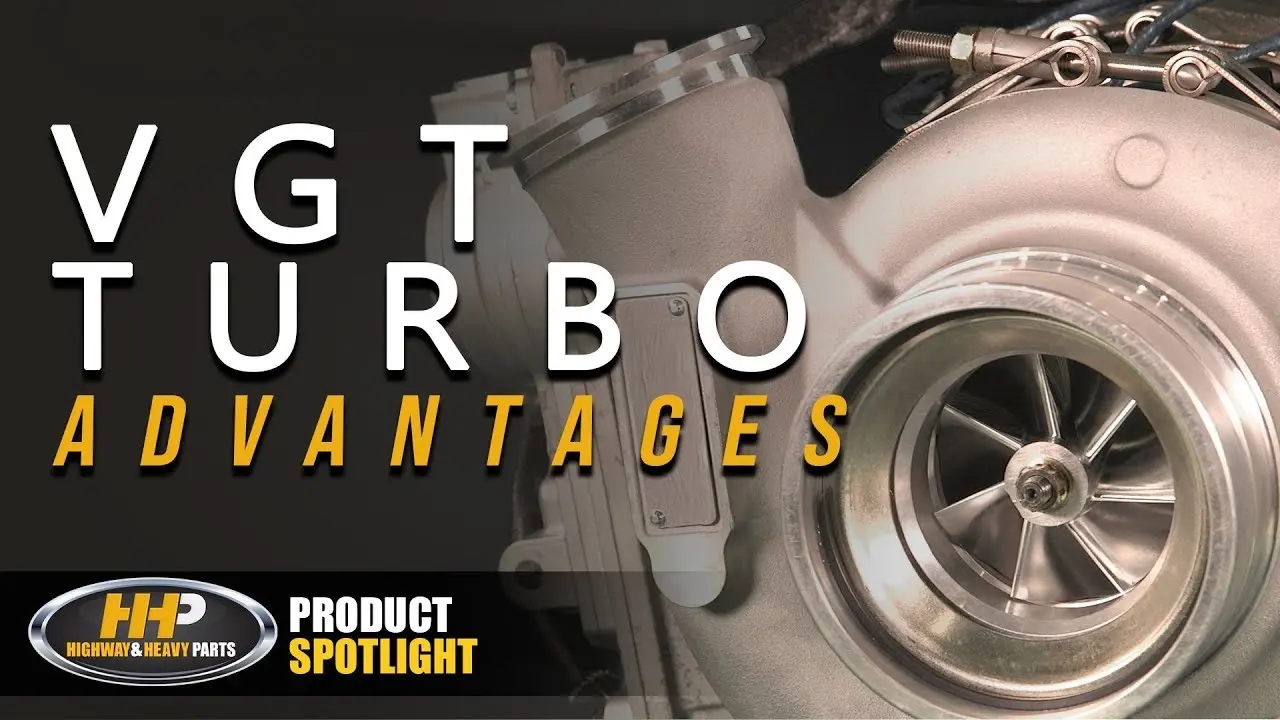
One of the biggest advantages of a Variable Geometry Turbo (VGT) isn’t just efficiency – it’s how it controls airflow at low engine speeds.
Because of this, VGT turbos can improve performance across a wider RPM range.
However, when that system stops working correctly, the engine feels completely different – and performance drops fast.
Continue reading VGT Turbo Advantages (What Makes Variable Geometry Turbos Better?)Forged Steel Piston Crowns for Caterpillar C15 & 3406E: What You Need to Know
When you’re rebuilding a Caterpillar C15 or 3406E, piston design matters more than most people realize.
One of the most critical components in that system is the piston crown.
And for these engines, forged steel piston crowns are one of the most proven and durable options available.
Continue reading Forged Steel Piston Crowns for Caterpillar C15 & 3406E: What You Need to KnowDiesel Fuel Algae: What It Is, How to Treat It, and How to Prevent It
If your diesel engine keeps clogging fuel filters, losing power, stalling, or pulling dark sludge from the tank, you may hear someone say you have “diesel algae.”
That term is common, but it is not technically correct.
Diesel fuel algae is usually not algae at all. True algae needs sunlight to grow, and fuel tanks are dark environments. What people call diesel algae is usually microbial contamination made up of bacteria, fungi, yeasts, mold, and biofilm living in the fuel system.
This contamination is often called diesel bug.
The problem starts when water enters the fuel tank. Microbes live in the water and feed on hydrocarbons in the diesel fuel. Over time, they create dark, slimy sludge that can plug filters, restrict fuel flow, damage injectors, corrode tanks, and leave equipment stranded.
Continue reading Diesel Fuel Algae: What It Is, How to Treat It, and How to Prevent ItAutomatic vs Manual Transmissions in Diesel Trucks: What’s the Difference?
Diesel engines are known for low-RPM torque, strong pulling power, and durability under load.
Because of that, the transmission behind the engine matters.
A diesel transmission has to manage:
- High torque output
- Heavy loads
- Heat generation
- Gear changes under load
- Driver control
The biggest difference between automatic and manual transmissions is how power gets from the engine to the wheels and how gear changes are controlled.
For diesel trucks, there is also a third category that matters: automated manual transmissions.
Continue reading Automatic vs Manual Transmissions in Diesel Trucks: What’s the Difference?Why Flow-Matched Fuel Injectors Matter in Diesel Engines (And When They Actually Make a Difference)
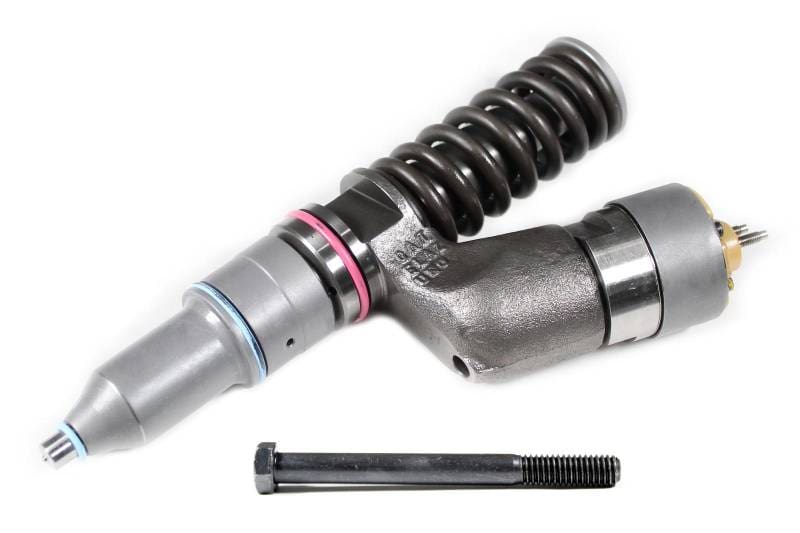
When it comes to diesel engine performance, most people focus on major components: turbochargers, pistons, cylinder heads.
But one of the most overlooked factors in engine performance, efficiency, and longevity is fuel injector balance.
Specifically, how closely each injector matches the others in fuel delivery.
That’s where flow-matched fuel injectors come in.
Continue reading Why Flow-Matched Fuel Injectors Matter in Diesel Engines (And When They Actually Make a Difference)Important Differences Between Caterpillar 3406E, C15, and C15 Acert Diesel Engines
How do you pick the right diesel engine model? This is a challenging task. You’ll need plenty of information if you’re deciding between the Caterpillar 3406E, C15 ACERT, or C15 engine. And we have as much information as you can get to make an informed decision.
Continue reading Important Differences Between Caterpillar 3406E, C15, and C15 Acert Diesel EnginesTop 5 Common Yanmar Engine Problems (and How to Prevent Them)
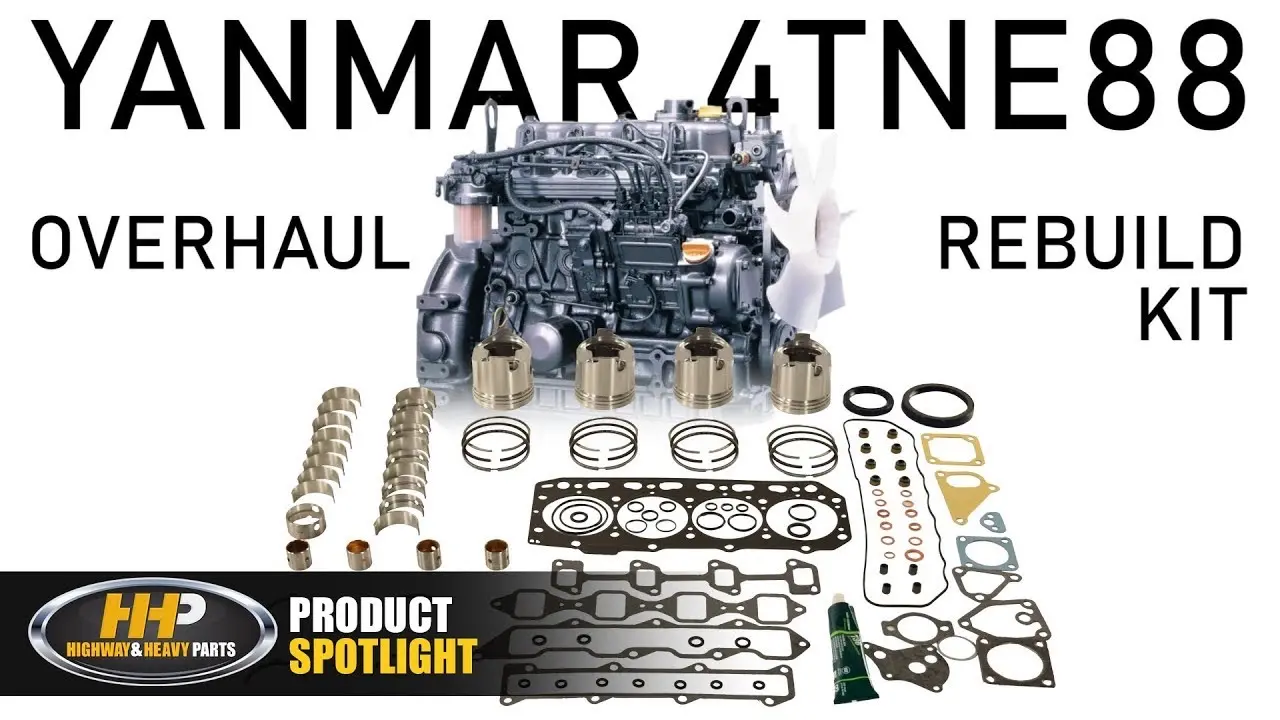
Yanmar engines have earned a reputation for reliability in marine, agricultural, construction, and industrial applications. Many Yanmar engines provide thousands of hours of dependable service when maintained properly.
However, no diesel engine is immune to wear, contamination, heat, or neglected maintenance.
The good news is that many of the most common Yanmar engine failures are preventable. Understanding the warning signs early can help reduce downtime, avoid expensive repairs, and extend engine life.
Let’s look at five of the most common problems seen in Yanmar diesel engines.
Quick Takeaway: Most common Yanmar engine failures involve fuel delivery, cooling system performance, exhaust restrictions, injector wear, or compression loss. Many of these problems can be prevented through routine maintenance and early diagnosis.
Continue reading Top 5 Common Yanmar Engine Problems (and How to Prevent Them) 


