There are many possible causes of engine failure. You can see our earlier post on diagnosing engine failures, too.
Continue reading Diesel Engine Failure Diagnosis: Compression IssuesCategory: Blog – All HHP Blog Articles
Why Cummins Injector System Upgrades Change Failure Patterns (Mechanical vs CELECT vs HPI vs XPI)
Cummins didn’t just evolve injector systems to improve performance – they fundamentally changed how engines fail, how they’re diagnosed, and how repairs need to be approached.
From mechanical injectors to XPI common rail systems, each generation introduced new advantages – but also new failure modes.
If you’re diagnosing fuel system issues on a Cummins engine, understanding these differences is critical.
Continue reading Why Cummins Injector System Upgrades Change Failure Patterns (Mechanical vs CELECT vs HPI vs XPI)Volvo D13 / Mack MP8 Turbo Overspeed Failure: What Causes It And Why Replacing The Turbo Isn’t Enough
Turbocharger failure on a Volvo D13 or Mack MP8 engine isn’t always caused by wear – it’s often the result of turbo overspeed conditions driven by VGT control issues, exhaust imbalance, or air system faults.
In many cases, the turbo fails because it was forced to operate outside of its design limits – not because the turbo itself was defective.
Understanding what causes turbo overspeed is critical to preventing repeat failures.
Continue reading Volvo D13 / Mack MP8 Turbo Overspeed Failure: What Causes It And Why Replacing The Turbo Isn’t EnoughCummins ISX Inframe Rebuild Failure: Why Your New Liners Aren’t Sealing (And How to Fix It)
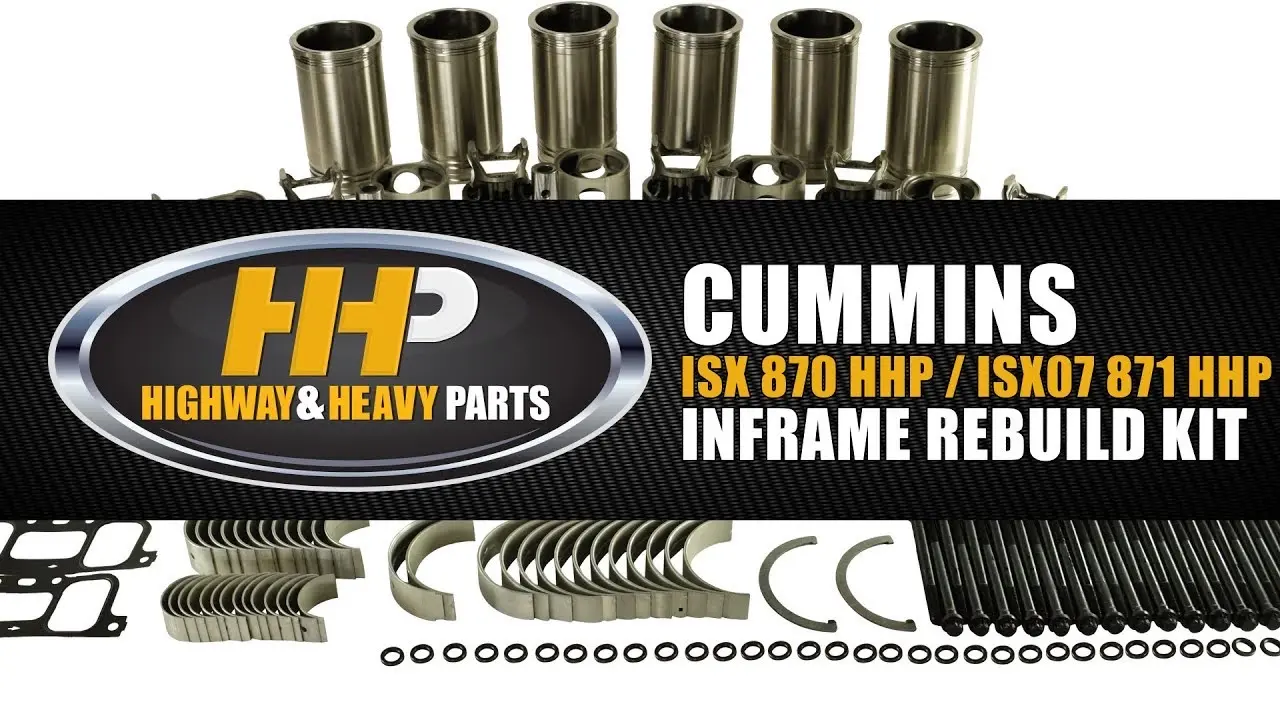
You finished the inframe. New liners, pistons, rings – everything looks right.
But now you’re seeing:
- Blow-By
- Oil Consumption
- Low Compression
- Or Worse… It’s Smoking Under Load
This isn’t uncommon on Cummins ISX engines – and it usually comes down to one issue:
Improper liner protrusion and ring seating during install.
If you don’t get this right, your rebuild won’t last – no matter how good your parts are.
Continue reading Cummins ISX Inframe Rebuild Failure: Why Your New Liners Aren’t Sealing (And How to Fix It)DD15 Diesel Engine Pistons: How They Control Blow-By and What Causes Failure
Blow-by is not just a symptom.
It is a direct result of combustion pressure escaping past the piston assembly.
On a Detroit Diesel DD15, controlling blow-by comes down to one thing:
How well the piston, rings, and liner seal under load.
If that seal fails, everything else starts to follow.
Continue reading DD15 Diesel Engine Pistons: How They Control Blow-By and What Causes FailureCummins ISX Crankshaft Failure: Signs, Causes, and What to Do Before It Costs You an Engine
When a Cummins ISX starts running rough, vibrating, or misfiring, most people don’t immediately think about the crankshaft.
That’s the problem.
Because by the time the crankshaft shows obvious symptoms, the damage is usually already happening inside the engine – and it doesn’t take long before it turns into a full rebuild.
If you’re dealing with vibration, low oil pressure, or unusual engine noise, this is one issue you don’t want to ignore.
Continue reading Cummins ISX Crankshaft Failure: Signs, Causes, and What to Do Before It Costs You an EngineCaterpillar 3406E, C15, C15 ACERT Spacer Plate: How It Controls Liner Height and Sealing
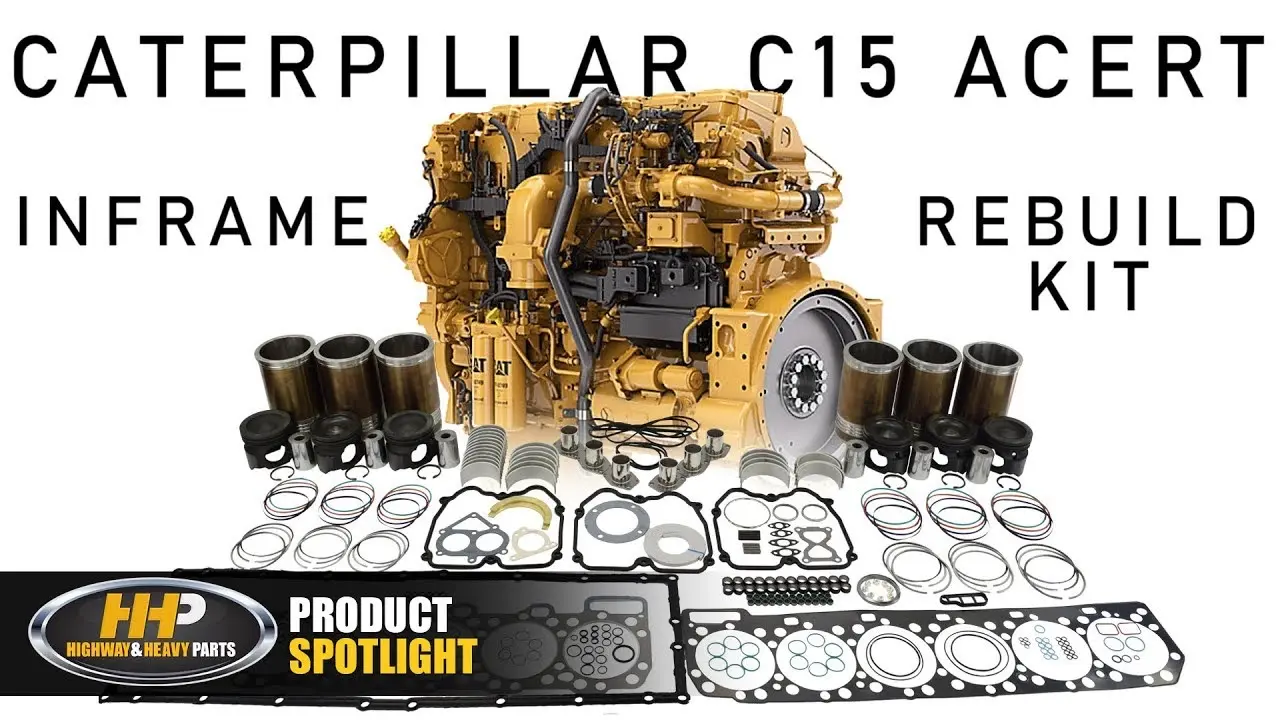
The spacer plate in a Caterpillar 3406E, C15, and C15 ACERT is not just a structural component.
It is a critical part of the engine’s sealing system.
It directly controls:
- Cylinder Liner Protrusion
- Head Gasket Clamping Force
- Combustion Sealing Integrity
If the spacer plate is worn, damaged, or machined incorrectly, the entire sealing system is compromised.
Continue reading Caterpillar 3406E, C15, C15 ACERT Spacer Plate: How It Controls Liner Height and SealingCummins Diesel Engine Serial Numbers
Look at your rocker cover: you’ll probably find your Cummins ISB engine serial number. You might also find it on the side of the gear housing. If you have a Cummins ISM engine, the serial number is on the rocker housing on the fuel pump side.
Continue reading Cummins Diesel Engine Serial NumbersDiesel Cylinder Head and Engine Rebuild Kit Bundle Sale
Highway and Heavy Parts is excited to introduce our new diesel engine parts bundle sales promotion. It includes diesel cylinder heads and diesel engine add-ons for all major heavy-duty truck and equipment manufacturers. If you need a cylinder head for your Cummins, Caterpillar, Detroit Diesel, or other heavy-duty diesel engine, you can get everything you need to do the job right and save some money.
Continue reading Diesel Cylinder Head and Engine Rebuild Kit Bundle SaleThe 2026 Truck Driver Shortage: What It Means for Fleets and Equipment Reliability
The U.S. trucking industry is firmly in the spotlight again in 2026—this time for the ongoing shortage of qualified drivers. While much of the conversation focuses on hiring, pay, and working conditions, the driver shortage has direct ripple effects on fleet operations, maintenance schedules, and demand for reliable replacement parts.
When trucks are pushed harder and maintenance windows shrink, the health of your diesel engine becomes even more important.
What’s Causing the Shortage?
Industry research estimates a gap of 60,000 drivers in 2024, with the shortage expected to climb toward 80,000+ drivers by 2026. Whether you run a small operation or a large fleet, fewer available drivers means more pressure to maximize uptime and reduce unplanned repairs.
Several Underlying Causes Include:
- Aging Workforce: Many experienced truckers are nearing retirement age, and fewer young adults are entering the industry to replace them.
- Demanding Lifestyle: Long hours, tight schedules, and extended time on the road make it difficult to attract new drivers. The lifestyle isn’t for everyone, and turnover remains high.
- Compensation Concerns: While wages have increased in many regions, some drivers still feel pay doesn’t fully reflect the demands and responsibilities of the job. This has slowed recruitment and retention efforts across the country.
- Training Barriers: Earning a CDL requires time and financial investment. For many potential drivers, the upfront cost becomes a barrier to entering the industry.
- Cost of Diesel Engine Maintenance: Owner-operators face rising expenses – from insurance to diesel fuel to parts and repairs. For some, the increasing cost of maintaining a diesel engine makes staying in the industry difficult.
How the Driver Shortage Impacts Fleets and Diesel Maintenance
The shortage doesn’t just affect staffing – it directly affects how fleets run their equipment:
- Increased Pressure on Existing Trucks: With fewer drivers available, fleets need every truck to stay operational. Trucks get pushed harder, and maintenance schedules become tighter or delayed.
- Higher Cost of Downtime: When a truck is down, and there isn’t another driver waiting to take its place, productivity drops. Unplanned engine failure becomes even more costly in a workforce shortage environment.
- Shift Toward Reliability Over Cost: Fleets are becoming less willing to gamble on low-quality parts. Instead, they look for durable, high-quality components that reduce the risk of repeat failures.
- Urgency for Faster Repairs: With limited driver availability, downtime isn’t just a scheduling inconvenience—it’s a financial hit. Fleets depend heavily on suppliers who offer quick shipping, dependable stock, and accurate lead times.
- Preventive Maintenance Gains Importance: Preventive maintenance is becoming a key strategy to offset risk. Replacing worn gaskets, bearings, and other engine internals before failure is more cost-effective than dealing with an unexpected breakdown.
Navigating the Road Ahead: Potential Solutions
While the driver shortage poses real challenges, there are promising steps being taken across the industry to attract and retain qualified drivers – and to support the fleets that depend on them.
- Improved Working Conditions: Many fleets are investing in better pay structures, improved benefits, safer equipment, and more predictable home-time schedules. These upgrades help reduce turnover and make driving a more sustainable long-term career.
- Apprenticeship & Training Programs: Streamlined CDL training, paid apprenticeships, and on-the-job mentorship are becoming more common. By reducing the upfront cost and complexity of obtaining a CDL, companies are opening the door for younger drivers who may not have considered trucking as a career.
- Government Incentives: Tax credits, grant-funded training programs, and federal/state workforce initiatives are helping offset training costs for new drivers. These incentives make it easier for recruits to enter the industry and for fleets to sponsor their growth.
- Affordable, Reliable Maintenance Options: One of the biggest barriers for owner-operators—and a major cost driver for fleets – is the rising price of equipment and repairs. Access to high-quality, affordable diesel engine components plays a critical role in keeping trucks on the road without overwhelming maintenance budgets.
- Remanufactured and Premium Aftermarket Engine Parts: We offer a cost-effective alternative to OEM components while still delivering dependable performance. For many fleets, these options help reduce repair costs, extend equipment life, and make the total cost of ownership more manageable – especially when every operational dollar counts.
Order from Highway and Heavy Parts Today
At Highway and Heavy Parts, we understand how the driver shortage changes the demands on your equipment. That’s why we focus on:
- High-quality internal engine components that meet or exceed OEM specifications.
- Fast, reliable shipping from multiple distribution centers.
- Expert-level technical support to help diagnose issues and choose the right parts.
- Stock availability to minimize downtime and keep trucks moving.
- Warranty-backed parts for peace of mind in a high-pressure operating environment.
Guaranteed for fit and function, HHP parts have the right combination of quality and price with total support from our on-staff ASE-certified technicians. With specialized knowledge, quality products, fast shipping, and unbeatable customer service, HHP has you covered.
Call 844-304-7688 or visit highwayandheavyparts.com to place your order today.
From diagnosis through delivery, we’re Highway and Heavy Parts.
Why Diesel Engines Use Turbochargers Instead of Superchargers
If you spend any time around diesel engines, you’ll notice something quickly:
👉 Almost all of them are turbocharged.
That’s not by accident.
While both turbochargers and superchargers are designed to increase air pressure into the engine, diesel engines overwhelmingly rely on turbochargers – and there are specific engineering reasons why.
Continue reading Why Diesel Engines Use Turbochargers Instead of SuperchargersHow to Clean EGR Pressure Ports in Diesel Engines (Without Causing Damage)
EGR pressure ports are small, but they play a critical role in how a diesel engine manages emissions and airflow.
When they clog, it can lead to:
- Fault codes
- Engine derate
- Poor performance
- Misdiagnosed EGR system failures
Cleaning them correctly matters just as much as diagnosing the issue.
Continue reading How to Clean EGR Pressure Ports in Diesel Engines (Without Causing Damage)