Keyword Search

Posted on

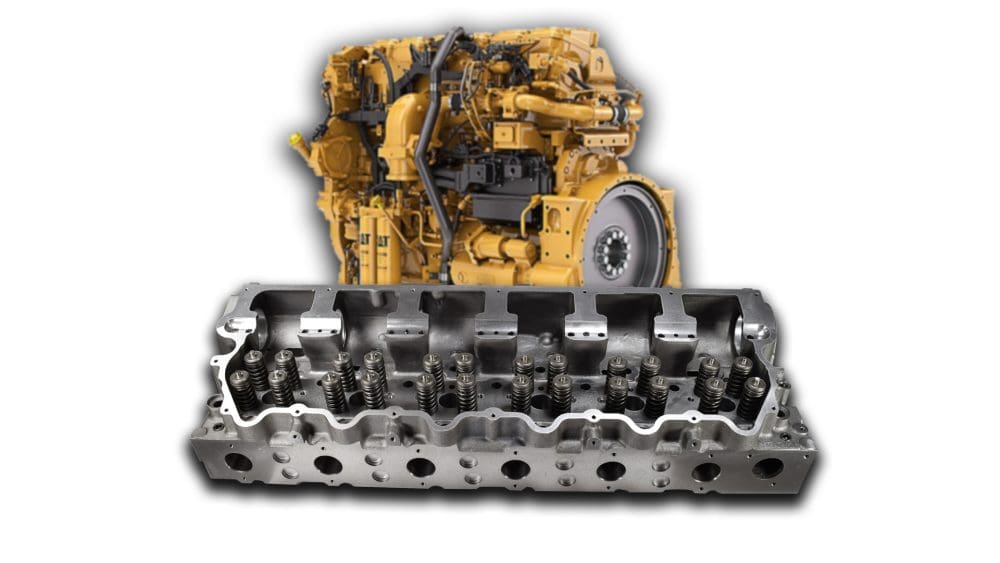
Caterpillar C12 Inframe Rebuild Kit: What It Includes, When You Need It, and How It Restores Performance

If your Caterpillar C12 is losing power, burning oil, or showing signs of internal wear, you may be getting close to a rebuild.

And when that time comes, an inframe rebuild kit is one of the most efficient ways to restore engine performance without removing the entire engine.

But knowing when to rebuild – and what’s actually included – makes all the difference.

Continue reading Caterpillar C12 Inframe Rebuild Kit: What It Includes, When You Need It, and How It Restores Performance
Posted on

Why Correct Fuel Injector Trim Codes Still Result in Poor Engine Performance

You’ve replaced the injectors.
You’ve programmed the trim codes correctly.
Everything checks out – and the engine still runs rough.

This is more common than most people realize.

Fuel injector trim codes are designed to fine-tune fuel delivery, but they are not a fix-all. If the engine is still underperforming, the issue is almost always outside the trim code itself.

Continue reading Why Correct Fuel Injector Trim Codes Still Result in Poor Engine Performance
Posted on

Caterpillar C15 Head Gasket Problems: Failure Points, Diagnosis, and Replacement

Head gasket problems on the Caterpillar C15 are rarely random.

They are almost always tied to:

  • Heat
  • Clamping force
  • Or failure in related components like the spacer plate or cylinder head

If you’re seeing coolant, oil, or pressure issues – especially toward the left side or rear of the engine – you’re already looking in the right place.

Continue reading Caterpillar C15 Head Gasket Problems: Failure Points, Diagnosis, and Replacement
Posted on

Low Boost Diesel No Check Engine Light: Causes and Diagnosis

If you’re dealing with low boost diesel no check engine light, you’re not alone.

This is one of the most common complaints we hear.

It’s also one of the most misdiagnosed. And because there’s no fault code, it’s easy to assume:

  • The issue isn’t serious
  • It’s electrical
  • Or nothing is actually wrong

In reality, low boost with no warning light is usually a mechanical or system efficiency issue.

Continue reading Low Boost Diesel No Check Engine Light: Causes and Diagnosis
Posted on

Caterpillar C15 Fuel Injector Failures: Precise Diagnosis, Failure Modes, and Replacement Strategy

If a Caterpillar C15 starts to smoke, miss, haze at idle, or loses power under load, injectors are high on the list: but guessing is what gets engines hurt.

On many C15 variants (notably HEUI systems), injectors are hydraulically actuated by high-pressure engine oil. That means injector performance depends on two systems at once:

  • Fuel supply (clean, stable pressure)
  • Actuation oil (ICP/IAP pressure, clean oil, correct viscosity)

When either side is off, injector behavior changes.

What “Correct” Looks Like

With a healthy system:

  • Smooth idle, even exhaust note
  • Stable rail/actuation pressure under load
  • Balanced cylinder contribution
  • Minimal visible smoke once warm

Any deviation should be traced to a cylinder, then to a cause – not straight to parts replacement.


Primary C15 Injector Failure Modes (What Actually Fails)

1) Internal Leakage → Fuel Dilution (High Risk)

Mechanism

  • Worn check valve or sealing surfaces inside injector
  • Failed injector O-rings (upper/middle/lower) allowing cross-leakage

What happens

  • Fuel bypasses normal metering
  • Fuel can enter the cylinder uncontrollably or migrate past rings

Hard indicators

  • Engine oil level rising with no external leak
  • Oil smells like diesel
  • Reduced oil viscosity → bearing risk

Why it matters

  • Fuel-diluted oil cannot maintain hydrodynamic film
  • Main and rod bearings are at risk quickly

2) Solenoid / Electrical Control Failure

Mechanism

  • Coil failure, high resistance, intermittent connection
  • Damaged injector pigtail or harness

What happens

  • Injector fails to open/close precisely
  • Timing and duration errors

Hard indicators

  • Misfire at specific cylinder
  • Contribution test shows weak cylinder
  • Electrical codes may or may not set

Key point
Electrical faults can look identical to mechanical injector failure – verify before replacing.


3) Nozzle Wear, Erosion, or Coking

Mechanism

  • High-pressure fuel erodes or deforms nozzle holes
  • Carbon buildup (“coking”) distorts spray pattern

What happens

  • Poor atomization
  • Larger droplets → incomplete burn

Hard indicators

  • Black smoke under load (overfueling/poor burn)
  • Elevated EGT on affected cylinder
  • Soot accumulation increases

Result

  • Higher piston crown temperature
  • Long-term risk to valves and liners

4) Sticking Injector (Open or Closed Behavior)

Mechanism

  • Deposits or wear cause internal components to hang

What happens

  • Injector stuck open → overfueling
  • Injector stuck closed → dead cylinder

Hard indicators

  • White/gray smoke (raw fuel) or dead miss
  • Engine may clear up as it warms (thermal expansion)
  • Severe cases: cylinder washdown

5) Seal/O-Ring Failure (Fuel/Air Cross-Leak)

Mechanism

  • O-ring degradation from heat, age, or contamination

What happens

  • Air intrusion into fuel system
  • Fuel pressure instability
  • Cross-port leakage

Hard indicators

  • Hard start after sitting
  • Aerated fuel symptoms
  • Inconsistent performance

6) HEUI-Specific: Actuation Oil Problems Misdiagnosed as Injectors

Mechanism

  • Low ICP/IAP pressure
  • Aerated or contaminated oil
  • High-pressure oil leaks (o-rings, rail)

What happens

  • Injectors cannot achieve commanded fuel pressure
  • Poor response, misfires under load

Hard indicators

  • Low actuation pressure vs commanded
  • Multiple cylinders affected
  • Improves with RPM (sometimes)

Key point
This is often misdiagnosed as “bad injectors”.


Diagnostic Workflow (What Actually Works)

Do not start with parts. Start with isolation.

1) Cylinder Cut-Out / Contribution Test

  • Disable one cylinder at a time (via Cat ET or manual method)
  • Watch RPM drop or fuel correction

Result

  • Weak change → suspect that cylinder

2) Verify Fuel Supply Pressure

  • Check at filter base or test port
  • Ensure stable pressure during crank and load

Why
Low supply pressure affects all injectors and mimics failure.

3) Check Actuation Oil Pressure (HEUI)

  • Compare actual vs commanded ICP/IAP
  • Look for lag, drop, or instability

Why
No actuation pressure = no injector performance.

4) Valve Cover Inspection

Look for:

  • Fuel wash (clean, stripped oil areas)
  • Oil dilution signs

Fuel wash indicates:
→ injector leaking into that cylinder

5) Temperature Comparison (Advanced but Effective)

  • Use IR gun on exhaust manifold runners

Result

  • Cold cylinder → underfueling/misfire
  • Hot cylinder → overfueling/poor atomization

Replacement Strategy (What Actually Makes Sense)

Replace One Injector vs Set?

  • Single failure, low hours: targeted replacement is acceptable
  • High mileage / multiple symptoms: replace as a set

Reason:

  • Injector balance matters
  • Mixed wear levels create uneven combustion

Always Replace:

  • Injector O-ring kits
  • Any damaged cups (if applicable)
  • Verify harness/pigtails

After Replacement:

  • Prime fuel system
  • Verify pressures
  • Recheck contribution balance

What Causes Repeat Injector Failures

Injectors rarely fail in isolation.

Common root causes:

  • Contaminated fuel
  • Poor filtration maintenance
  • Low fuel pressure
  • Air intrusion
  • Oil system issues (HEUI engines)

If the root cause isn’t fixed:
→ new injectors will fail again


HHP Insight: Don’t Treat Injectors as the Root Problem

Most repeat failures come from:

  • Fuel system imbalance
  • Actuation pressure issues
  • Contamination

Injectors are often the symptom, not the cause.


Final Thoughts

C15 injector problems are not just about replacing parts.

They’re about:

  • Identifying the failing cylinder
  • Verifying fuel and oil systems
  • Understanding combustion behavior

That’s how you prevent:

  • Repeat failures
  • Engine damage
  • Unnecessary costs

Need Caterpillar C15 fuel injectors?

Shop here:
👉 Caterpillar C15 Fuel Injectors

Or call 844-304-7688 to speak with a diesel expert.

From diagnosis through delivery, we’re Highway and Heavy Parts.

Posted on

What Are Electronic Unit Injectors (EUIs)?

If you’re working on engines like the Detroit Diesel Series 60, Caterpillar C15, or Cummins ISX, you’ve probably heard the term EUI.

But understanding what an Electronic Unit Injector (EUI) actually does – and how it fails – is key to diagnosing a lot of performance issues.

Because when an EUI starts to go, it doesn’t just affect fuel delivery.

It affects timing, pressure, combustion, and overall engine balance.

Continue reading What Are Electronic Unit Injectors (EUIs)?
Posted on

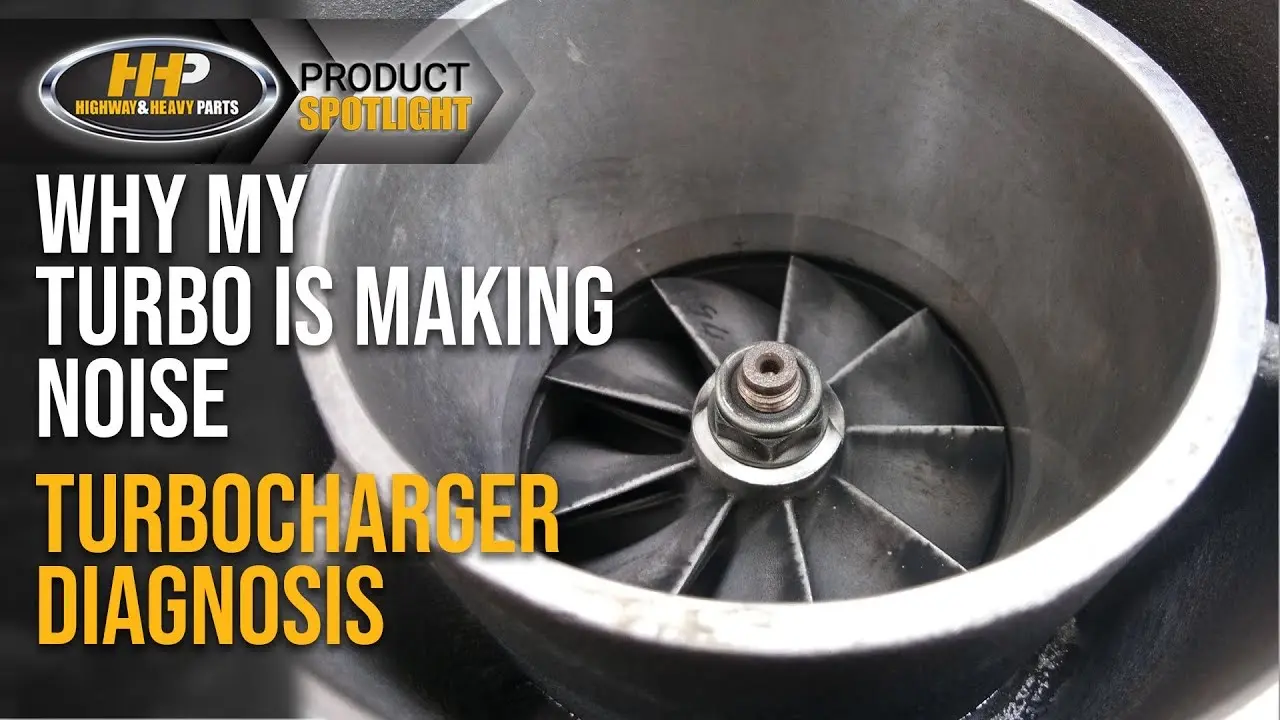
Turbocharger Cartridge vs Full Replacement: What Actually Fails Inside a Diesel Turbo

When a diesel turbocharger fails, the first question is always:

Should you replace the cartridge – or the entire turbo?

Most answers online are surface-level. But if you want to avoid repeat failures, you need to understand what actually fails inside the turbocharger.

Because the wrong choice doesn’t just cost money – it can lead to another failure within hours of startup.

Continue reading Turbocharger Cartridge vs Full Replacement: What Actually Fails Inside a Diesel Turbo
Posted on

Why Your Caterpillar C15 ACERT Turbocharger Might Not Be the Real Problem

If you’re dealing with low power, smoke, or oil around the turbo on a Caterpillar C15 ACERT, it’s easy to assume the turbocharger has failed.

But that’s not always the case.

At Highway and Heavy Parts, we see this all the time – turbos get replaced, but the original problem is still there. That’s because many turbo “failures” are actually symptoms of fuel system issues, oil problems, or internal engine wear.

Before replacing your turbo, it’s critical to understand what’s really going on.

Continue reading Why Your Caterpillar C15 ACERT Turbocharger Might Not Be the Real Problem
Posted on

Caterpillar C15 Head Gasket Failure: Root Causes, Symptoms, And Proper Repair Process

A failed head gasket on a Caterpillar C15 isn’t just a sealing issue – it’s usually the result of improper clamping force, liner height variation, or thermal stress inside the engine.

Replacing the gasket without addressing the underlying cause often leads to repeat failure.

Understanding why the gasket failed is critical before installing a new cylinder head gasket set.

Continue reading Caterpillar C15 Head Gasket Failure: Root Causes, Symptoms, And Proper Repair Process
Posted on

Adjusting Diesel Injection Timing (2026)

Diesel injection timing plays a critical role in engine performance, fuel efficiency, and emissions. Whether you’re working on an older mechanical system or a newer electronically controlled engine, proper timing ensures fuel is delivered at the correct moment for optimal combustion.

In 2026, with tighter tolerances and more advanced fuel systems, accurate timing is more important than ever.

Continue reading Adjusting Diesel Injection Timing (2026)
Posted on

Why Intake Valve Seats Fall Out In Diesel Cylinder Heads After Overheating

A dropped valve seat in a diesel engine isn’t just a cylinder head issue – it’s a direct result of thermal stress, material expansion, and loss of interference fit.

This type of failure is most commonly seen after an overheating event, and once it happens, the damage is usually severe enough to require cylinder head replacement and, in many cases, piston repair.

Understanding why valve seats fail – and what leads up to it – is critical to preventing repeat engine damage.

Continue reading Why Intake Valve Seats Fall Out In Diesel Cylinder Heads After Overheating
Posted on

The Pros and Cons of an EGR System Delete

When you start looking into the pros and cons of EGR deletes, it’s easy to see why EGR valves on diesel engines have such a poor reputation. You’ve probably heard plenty of stories about the trouble they cause for drivers and shop owners alike.

Continue reading The Pros and Cons of an EGR System Delete