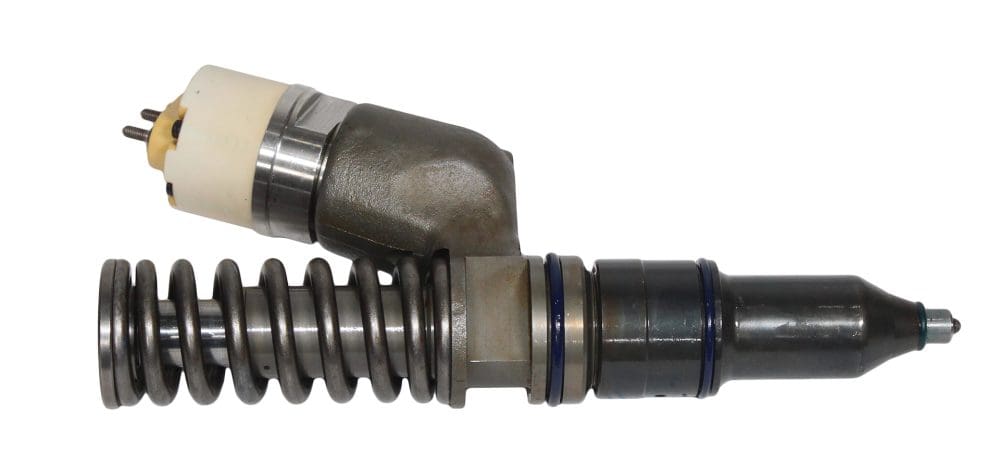
If your diesel engine is running rough, smoking, or losing power, a failing fuel injector could be the cause.
One of the first questions most people ask is: How much does it cost to replace a diesel fuel injector?
The answer depends on your engine, injector type, and how far the issue has progressed. Some injector problems are caught early. Others turn into much larger repairs.
Let’s break down what actually impacts the cost – and what you can expect in 2026.
Diesel engines are built for durability – but excessive oil consumption is one issue that can quickly turn into a costly repair.
If you’re constantly adding oil, noticing blue smoke, or seeing a drop in performance, there’s usually an underlying mechanical reason.
In this guide, we’ll break down the 10 most common causes of excessive oil consumption in diesel engines, what each one means, and what to check before it turns into a major failure.
Stop-and-go driving is one of the hardest operating conditions for a diesel engine.
A diesel engine is designed to run under load, reach stable operating temperature, and maintain consistent combustion conditions. In stop-and-go traffic, that rarely happens.
Instead, the engine repeatedly moves through:
Idle time
Short acceleration events
Low-speed operation
Heat buildup
Frequent temperature changes
Over time, this can increase wear, reduce efficiency, and shorten the life of critical components
Do you have a Series 60 engine from Detroit? For the most part, it probably runs great for you. This electronically controlled engine has a favorable history, shared between all three versions, and despite having been out of production for years now, it remains a popular choice for many operators.
A light whistle, whoosh, or spool sound under load can be completely normal. However, when the sound changes suddenly, gets louder, or comes with smoke, low power, or oil consumption, it can point to a problem in the turbocharger system.
The key is not just hearing the sound.
It is understanding what kind of sound it is, when it happens, and what else the engine is doing at the same time.
Turbocharger noise can come from the turbo itself, but it can also come from boost leaks, exhaust leaks, restricted air filters, fuel system problems, damaged exhaust components, or lubrication issues. Garrett specifically notes that noisy performance, low power, smoke, and oil consumption can come from underlying engine problems—not always the turbocharger itself.
Diesel cylinder head cracking is one of the most serious issues an engine can face – and one of the most expensive if it’s not caught early.
What makes it worse is that it often starts small.
A minor overheating event, a stress point in the casting, or an installation issue can eventually turn into coolant loss, compression problems, and complete engine failure.
Understanding what causes cylinder head cracking – and what to look for – can help prevent repeat failures and unnecessary downtime.