


Picking the right diesel engine model is no easy task. If you’re considering purchasing a Caterpillar 3406E, C15, or C15 ACERT, we have the information to help you make a decision.
Continue reading The Primary Differences Between Caterpillar 3406E, C15, and C15 Acert Diesel EnginesCategory: Caterpillar C15 Engine Parts: Durable Components for Legendary Performance
Problems That Require Cylinder Head Components for the CAT C15 ACERT Diesel Engine
You may not realize it, but there are a lot of components that make up the cylinder head of your C15 ACERT. If you have a failure in that part of your engine, you might be inclined to blame it on your cylinder head, but it’s possible that one of these other components could break. This would lead to problems with similar symptoms to that of a failing cylinder head.
Continue reading Problems That Require Cylinder Head Components for the CAT C15 ACERT Diesel EngineProblems with CAT C15 Diesel Engine Oil Pumps
Your oil pump. It’s probably not a part you’ve thought about a lot, but it serves an important role in your diesel engine.
Continue reading Problems with CAT C15 Diesel Engine Oil PumpsCamshaft Failure Analysis: What Causes Excessive Lobe Wear (C15 Focus Included)
We all know how important camshafts are to engine performance – and when they fail, the damage can go far beyond the camshaft itself.
Whether you’re running a general diesel platform or a Caterpillar C15 diesel engine, one of the most common issues is camshaft lobe wear and pitting.
👉 And once it starts, it does not slow down – it accelerates.
Caterpillar C15 Fuel Injector Problems: Why Flow-Matched Injectors Matter More Than You Think
When a Caterpillar C15 starts showing signs of poor performance, fuel injectors are usually one of the first places technicians look.
But here’s where a lot of repairs go wrong:
The issue isn’t always a “bad injector.”
It’s often injector imbalance across the engine.
That’s where flow-matched injectors come into play. If you’re working on C15 engines in trucks, fleets, or heavy equipment, understanding this difference can prevent repeat failures and unnecessary downtime.
Continue reading Caterpillar C15 Fuel Injector Problems: Why Flow-Matched Injectors Matter More Than You ThinkCaterpillar C15, 3406E Turbocharger (177148): Boost, Failure, and What Happens When It Goes Bad

On a Caterpillar C15 or 3406E, the turbocharger isn’t just about power – it’s about air control, combustion efficiency, and engine balance.
When the turbo is working correctly, you get:
- Proper Air-to-Fuel Ratio
- Clean Combustion
- Consistent Power Under Load
When it starts to fail, everything changes – and it usually shows up under load first.
Continue reading Caterpillar C15, 3406E Turbocharger (177148): Boost, Failure, and What Happens When It Goes BadCaterpillar C15, 3406E Camshaft: Symptoms, Failure Causes, and Replacement Guide
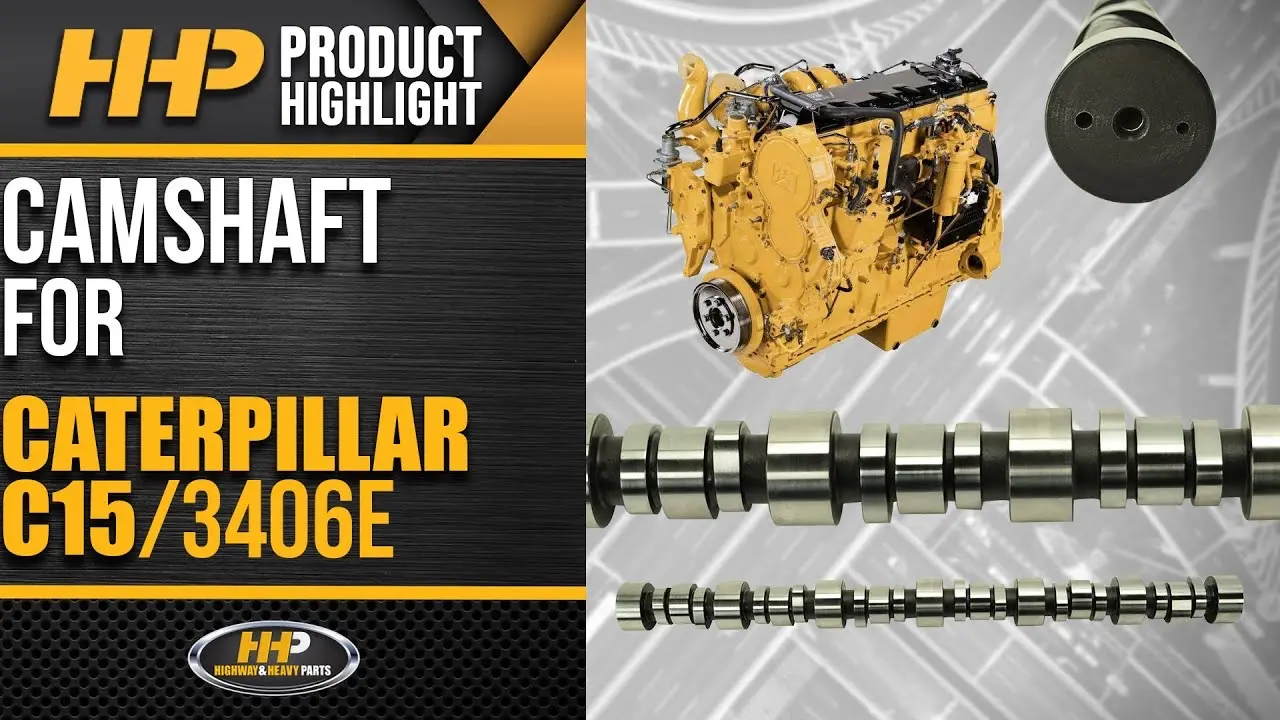
If your Caterpillar C15 or 3406E isn’t running like it used to – losing power, misfiring, or making unusual noise – the problem might not be what you think.
It could be your camshaft.
And if that’s the case, waiting too long can turn a manageable repair into a full engine rebuild.
Continue reading Caterpillar C15, 3406E Camshaft: Symptoms, Failure Causes, and Replacement GuideWhat Happened After Caterpillar Stopped Making Truck Engines (And What It Means for C15 Owners Today)
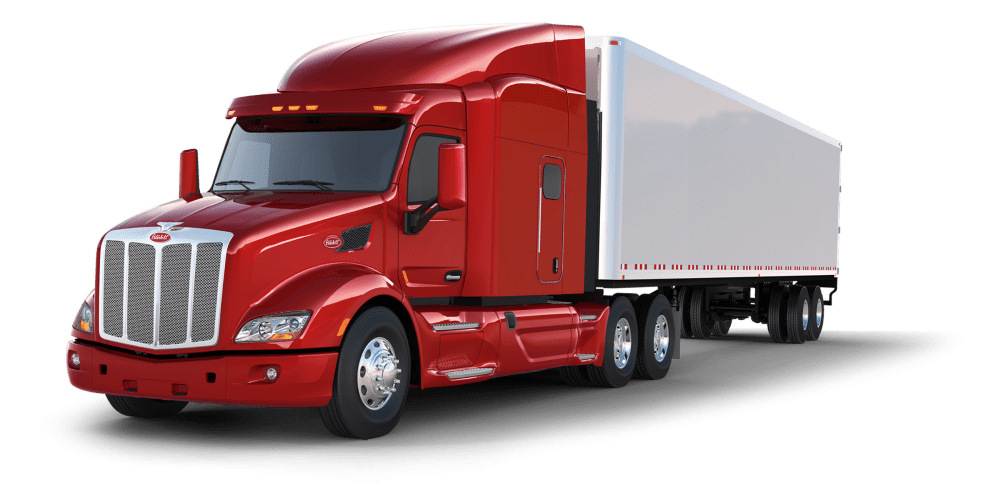
When Caterpillar stopped producing on-highway diesel engines in 2010, it didn’t mean those engines disappeared.
In fact, thousands of Caterpillar engines – especially the C15 – are still running today in fleets across the country.
So the real question isn’t just why Caterpillar left the market.
If you’re looking for a full breakdown of that decision, read Why Caterpillar Stopped Making On-Highway Diesel Engines to understand the emissions, engineering, and business factors behind it.
👉 It’s what that decision means for reliability, parts availability, and long-term ownership today.
Continue reading What Happened After Caterpillar Stopped Making Truck Engines (And What It Means for C15 Owners Today)How to Save Up to 64% Off OEM Diesel Engine Parts (And Where Your Money Actually Goes)
OEM diesel engine parts are often treated as the standard.
They come in the original manufacturer’s packaging, follow factory specifications, and move through established dealer networks.
However, when you look at the price, the real question becomes:
👉 What are you actually paying for?
Because in many cases, the cost difference between OEM and high-quality aftermarket parts is not driven by the part itself. Instead, it’s driven by everything around it.
Continue reading How to Save Up to 64% Off OEM Diesel Engine Parts (And Where Your Money Actually Goes)Caterpillar 3406E, C15, C15 ACERT Spacer Plate: How It Controls Liner Height and Sealing
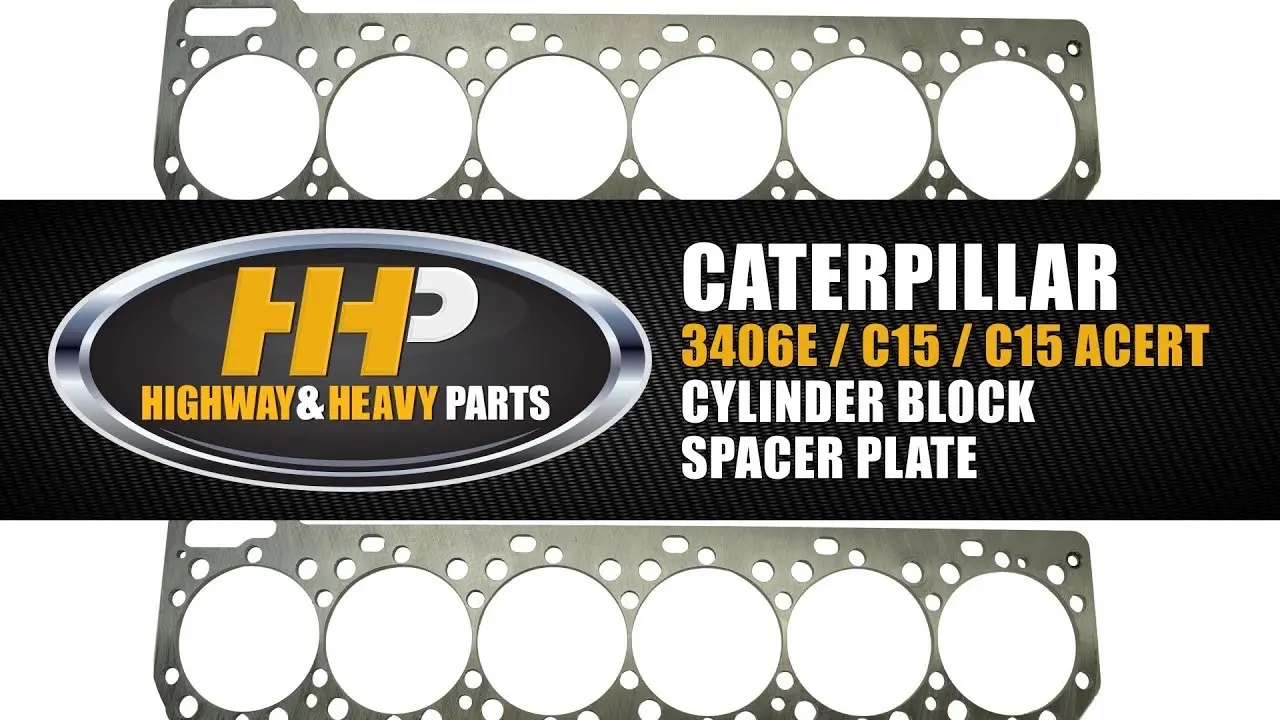
The spacer plate in a Caterpillar 3406E, C15, and C15 ACERT is not just a structural component.
It is a critical part of the engine’s sealing system.
It directly controls:
- Cylinder Liner Protrusion
- Head Gasket Clamping Force
- Combustion Sealing Integrity
If the spacer plate is worn, damaged, or machined incorrectly, the entire sealing system is compromised.
Continue reading Caterpillar 3406E, C15, C15 ACERT Spacer Plate: How It Controls Liner Height and SealingCaterpillar C15, C15 ACERT, 3406E Cylinder Head Bolts: Why They Matter More Than You Think

Cylinder head bolts don’t usually get the attention.
But on a Caterpillar C15, C15 ACERT, or 3406E, they play a critical role in engine performance and reliability.
They’re not just fasteners.
They are what keep combustion sealed.
Continue reading Caterpillar C15, C15 ACERT, 3406E Cylinder Head Bolts: Why They Matter More Than You ThinkCaterpillar C15 and 3406E Oil Pump: Symptoms, Failure Causes, and When to Replace

Low oil pressure isn’t something you ignore on a diesel engine.
On a Caterpillar C15 or 3406E, it’s often a warning sign that something deeper is going wrong inside the engine.
And in many cases, the issue starts with the oil pump.
Continue reading Caterpillar C15 and 3406E Oil Pump: Symptoms, Failure Causes, and When to ReplaceLearn about premium Caterpillar C15 engine parts for Class 8 trucks, heavy equipment, and industrial applications at Highway and Heavy Parts. Our inventory includes cylinder heads, camshafts, pistons, turbochargers, and complete engine rebuild kits engineered to meet or exceed OEM standards. Whether you’re maintaining a legacy C15 or performing a full engine rebuild, we offer parts designed for long-lasting performance in demanding diesel environments.
The Caterpillar C15 (pre-ACERT) engine, introduced in the early 2000s, is known for its simplicity and durability. With a 15.2L displacement and horsepower ratings ranging from 435 to 550 HP, it was a workhorse in over-the-road trucks and vocational equipment. Our C15 parts are compatible with popular models across Freightliner, Kenworth, Peterbilt, and Caterpillar construction equipment.
What C15 Engine Parts Are Available?
We stock engine blocks, cylinder kits, engine bearings, camshafts, fuel system components, turbochargers, oil pumps, gaskets, and complete C15 engine rebuild kits. Choose from genuine Caterpillar parts and high-quality aftermarket alternatives designed for direct-fit installation.
How Do I Identify Parts for a C15 Engine?
Use your engine’s serial number (prefixes like 6NZ or MBN) located on the engine data plate. Our technical team can help verify compatibility to ensure you get the right components the first time.
Why Choose HHP for C15 Parts?
- Industry-Best Warranties on Aftermarket Components
- Fast Shipping from Strategically Stocked Warehouses
- In-House Diesel Technicians for Expert Support
The Caterpillar C15 remains one of the most trusted engines in the diesel world. Maintain its performance with trusted parts from HHP.
FAQs for the Caterpillar C15
-
What’s the difference between the C15 and C15 ACERT engines?
The C15 is the original pre-ACERT version of Caterpillar’s 15.2L engine, known for mechanical simplicity and reliability. The ACERT version added emissions components and electronics for EPA compliance. -
What serial numbers are associated with the C15 engine?
Common serial number prefixes include 6NZ, MBN, and 1LW. These help identify part compatibility, especially for engine rebuild kits and fuel system components. -
Can I use aftermarket parts in a C15 engine rebuild?
Yes, high-quality aftermarket parts manufactured to OEM specifications are available and widely used for C15 engine rebuilds. They offer cost savings without compromising reliability. -
What trucks use the C15 engine?
The C15 engine was used in Freightliner, Peterbilt, Kenworth, and International Class 8 trucks, as well as in some Caterpillar construction equipment. -
How often should C15 components like turbos and injectors be replaced?
Fuel injectors typically last 300,000 to 400,000 miles, while turbochargers may last 500,000 miles or more, depending on load and maintenance.


