When it comes to diesel engine repairs, many costly failures can be traced back to common diesel engine myths that have been accepted as fact across the industry.
Most of these failures don’t start with a major breakdown—they start with a bad assumption.
Across the industry, there are a few beliefs that sound harmless, but in reality, they lead to higher costs, repeat failures, and unnecessary downtime.
If you’re already dealing with performance issues, you can shop diesel engine parts to find the right components built for your specific engine and application.
Let’s break down the three biggest diesel engine lies – and what actually happens when you believe them.
Lie #1: Aftermarket Parts Always Fail Faster
This is one of the most common – and most expensive – misconceptions.
Many assume OEM parts are the only reliable option. But in reality, the difference often comes down to branding and distribution – not how the part is actually made.
Most diesel components are produced by large, global manufacturers. OEM brands set specifications, but they don’t always manufacture the parts themselves.
High-quality aftermarket parts are often built:
By the same manufacturers
To the same – or higher – specifications
With improvements based on real-world failure data
The real difference is cost.
OEM parts typically move through multiple layers – manufacturer, brand, distributor, dealer – before reaching you. Each step adds markup and time.
That’s why many shops end up paying significantly more while waiting 10–15 days for parts that could be sourced faster and more cost-effectively elsewhere.
Why OEM Diesel Parts Cost More
OEM pricing reflects more than just the part – it reflects the entire supply chain behind it.
Manufacturer → OEM Brand → Distributor → Dealer → End User
Each Step Adds Cost, Handling, and Delay
Aftermarket suppliers often reduce these layers, allowing parts to move faster and at a lower cost without sacrificing quality.
What’s Really Driving OEM Part Pricing
To better understand why OEM diesel parts carry a higher price tag, this quick breakdown explains what’s happening behind the scenes:
Watch: What really drives the cost of OEM diesel parts.
This is why price alone doesn’t always reflect the true value of a part. In many cases, the higher cost is driven more by the supply chain than by differences in performance or reliability.
Lie #2: One Bad Injector Won’t Hurt Anything
This is where small problems turn into big repairs.
Modern diesel fuel systems operate under extremely high pressure and tight tolerances. When one injector fails, it doesn’t just affect that cylinder – it disrupts the entire system.
A faulty injector can:
Create Uneven Fuel Distribution
Disrupt Combustion
Wear Down Cylinder Walls
Remove Critical Lubrication
That leads to:
Piston Scoring
Increased Emissions
Accelerated Engine Wear
And it doesn’t take long. In many cases, what started as a single injector issue turns into a much larger internal engine problem.
This is one of the most dangerous assumptions in diesel repair.
Just because an engine runs doesn’t mean it’s healthy.
Minor issues – like low oil pressure, small leaks, or inconsistent performance – are often early warning signs. Ignoring them allows damage to build over time.
And that’s where costs explode.
What starts as a small repair can turn into:
Major Component Failure
Extended Downtime
Full Engine Replacement
In some cases, that can mean a $40,000+ repair that could have been prevented.
What Starts Small Doesn’t Stay Small
Fuel, air, and internal engine systems are all connected.
When one component starts to fail, it affects everything around it:
Fuel Issue → Injector Wear
Injector Wear → Poor Combustion
Poor Combustion → Excess Heat
Excess Heat → Internal Engine Damage
This is why early diagnosis matters. Fixing the problem at the source is always less expensive than waiting for it to spread.
The Real Cost Of Choosing The Wrong Part
The biggest risk in any repair isn’t choosing OEM or aftermarket – it’s choosing the wrong part altogether.
At first, everything may seem fine. The engine runs, and the issue appears resolved.
But over time, problems begin to surface.
Incorrect fitment leads to delays and rework
Low-quality components fail prematurely
Misdiagnosed issues result in replacing the wrong parts
And in many cases, the original issue is still there.
For example, replacing a failed injector without addressing contamination in the system can quickly lead to another failure. The same applies to turbochargers, pumps, and internal components.
That’s why choosing the right part – and identifying the root cause – matters.
Common Signs You Shouldn’t Ignore
Hard Starting
Loss of Power
Excessive Smoke
Rough Idle
Poor Fuel Economy
If you’re seeing these, the issue is already developing.
Final Thoughts
The diesel industry has operated on the same assumptions for years – but those assumptions are costing shops and operators time and money.
Aftermarket parts are not inherently inferior. One bad injector is not harmless. And a running engine is not always a healthy one.
The key is understanding what’s actually happening inside the engine – and making decisions based on that.
If you’re dealing with diesel engine issues, it’s important to get the right diagnosis and the right parts the first time.
At Highway and Heavy Parts, our diesel experts help identify the real problem and provide high-quality components built for performance and reliability.
From diagnosis through delivery, we’re Highway and Heavy Parts.
FAQs for Lies In The Diesel Industry
1. Why Do People Think Aftermarket Diesel Parts Are Lower Quality?
This belief comes from outdated assumptions. Many aftermarket parts are manufactured to meet or exceed OEM specifications and are often produced by the same suppliers.
2. Can One Bad Injector Really Damage An Engine?
Yes. A faulty injector can disrupt combustion, wash cylinder walls, and lead to internal engine damage if not addressed.
3. Is It Safe To Keep Running A Diesel Engine With Minor Issues?
No. Small issues often indicate underlying problems that can quickly escalate into major failures if ignored.
4. Why Are OEM Diesel Parts More Expensive?
OEM parts go through multiple layers of distribution, which increases cost without necessarily improving performance.
5. How Can You Avoid Repeat Diesel Engine Failures?
By identifying the root cause of the issue, verifying proper fitment, and using high-quality parts designed for your specific engine.
Fuel is one of the biggest operating costs for trucks, equipment fleets, and diesel-powered businesses. And while fuel prices rise and fall, one thing never changes: wasted fuel is wasted money.
The good news? You don’t need pricey retrofit kits or major engine conversions to improve efficiency. Most fuel savings come from simple steps you can take today – and in many cases, it’s caused by worn internal components that your engine is already overdue to replace.
At Highway and Heavy Parts, we help customers improve reliability, uptime, and fuel efficiency every day through better engine parts and better maintenance decisions. Here’s how to reduce fuel cost fast.
1. Start With the Fuel System: Small Problems = Big Fuel Waste
Your diesel engine is only as efficient as the fuel system feeding it. When injectors, filters, or seals start to fail, your fuel burn climbs quickly.
Watch for these Common Fuel-Wasting Issues:
Worn or Dirty Fuel Injectors
Clogged Fuel Filters
Leaking Fuel Lines or O-Rings
Poor Atomization
Even minor injector wear can drop fuel economy by 2–5%, which adds up quickly across thousands of miles or engine hours. Highway and Heavy Parts carries high-quality fuel system components here, designed to restore proper spray patterns and combustion efficiency.
2. Fix Blow-By and Compression Loss Before It Gets Expensive
Worn internal engine components don’t just affect power – they kill fuel economy.
These Parts Directly Impact How Efficiently Your Engine Burns Fuel:
Piston Rings
Cylinder Liners
Main and Rod Bearings
Gaskets and Seals
When cylinder pressure drops or blow-by increases, the engine must burn more fuel to produce the same work. Many customers don’t notice this happening until they see a spike at the fuel pump.
3. Keep Your Airflow Clean and Boost Leaks Sealed
Your engine is an air pump – if airflow is restricted, fuel consumption goes up.
Be on the Lookout For:
Dirty Air Filters
Damaged Turbocharger Gaskets
Leaking Charge-Air Boots
Cracked Intercooler Piping
A turbocharger losing just a little boost pressure can cause an engine to over-fuel significantly.
4. Reduce Friction With Better-Quality Components
Every moving part inside your engine creates drag. As parts wear, friction increases. And when friction increases, the engine needs more fuel to overcome it.
Components that Influence Friction:
Bearings
Bushings
Camshaft Followers
Oil Pumps
Using high-quality internal components during maintenance and rebuilds helps keep friction losses low – which directly improves fuel economy.
Many customers choose HHP’s aftermarket bearings, gaskets, and rebuild components to restore factory-spec friction performance without paying OEM prices.
5. Keep Up With Preventive Maintenance (Your Wallet Will Thank You)
The easiest way to improve fuel economy is simply staying ahead of maintenance. A well-maintained diesel engine uses every drop of fuel efficiently.
Build a Simple Checklist:
Replace Fuel Filters on Time
Monitor Turbo Boost Pressure
Inspect Fuel Injectors Regularly
Watch for Oil Consumption or Blow-By
Change Air Filters Proactively
Check for Exhaust Leaks
A fleet that runs a consistent maintenance program can save thousands of dollars per truck each year.
6. Track Your Fuel Economy Before and After Repairs
Many operators never track MPG or gallons per hour – but this simple habit helps you spot declining efficiency before it becomes a major repair.
Track:
Baseline MPG Before Component Replacement
Fuel Economy After Injector or Gasket Updates
Load-Specific Fuel Consumption
Idle Time and PTO Time
If you’ve recently installed new internal components, bearings, injectors, or seals from Highway and Heavy Parts, tracking fuel use will show exactly how much your engine improved.
7. Don’t Buy the Cheapest Parts – Buy the Right Parts
The video below makes one point very clear: Cheap parts cost more in the long run.
Poorly Machined or Low-Grade Components:
Wear Out Faster
Reduce Engine Efficiency
Increase Downtime
Cause Premature Engine Failures
Waste Fuel Due to Poor Tolerances
Highway and Heavy Parts carries parts engineered for performance and longevity – helping keep engines efficient, reliable, and profitable.
How To Reduce Fuel Costs On Your Diesel Engine!
Final Takeaway: You Don’t Need Costly Upgrades to Save Fuel
Most Fuel Waste Comes From:
Minor Fuel System Issues
Normal Internal Engine Wear
Dirty Airflow Components
Turbocharger or Boost Leaks
Neglected Maintenance
By addressing these simple areas using quality parts, you can reclaim efficiency, power, and fuel savings instantly. For more information on diesel fuel and standards, check out the United States Environmental Protection Agency website here.
Guaranteed for fit and function, HHP parts have the right combination of quality and price with total support from our on-staff ASE-certified technicians. With specialized knowledge, quality products, fast shipping, and unbeatable customer service, HHP has you covered.
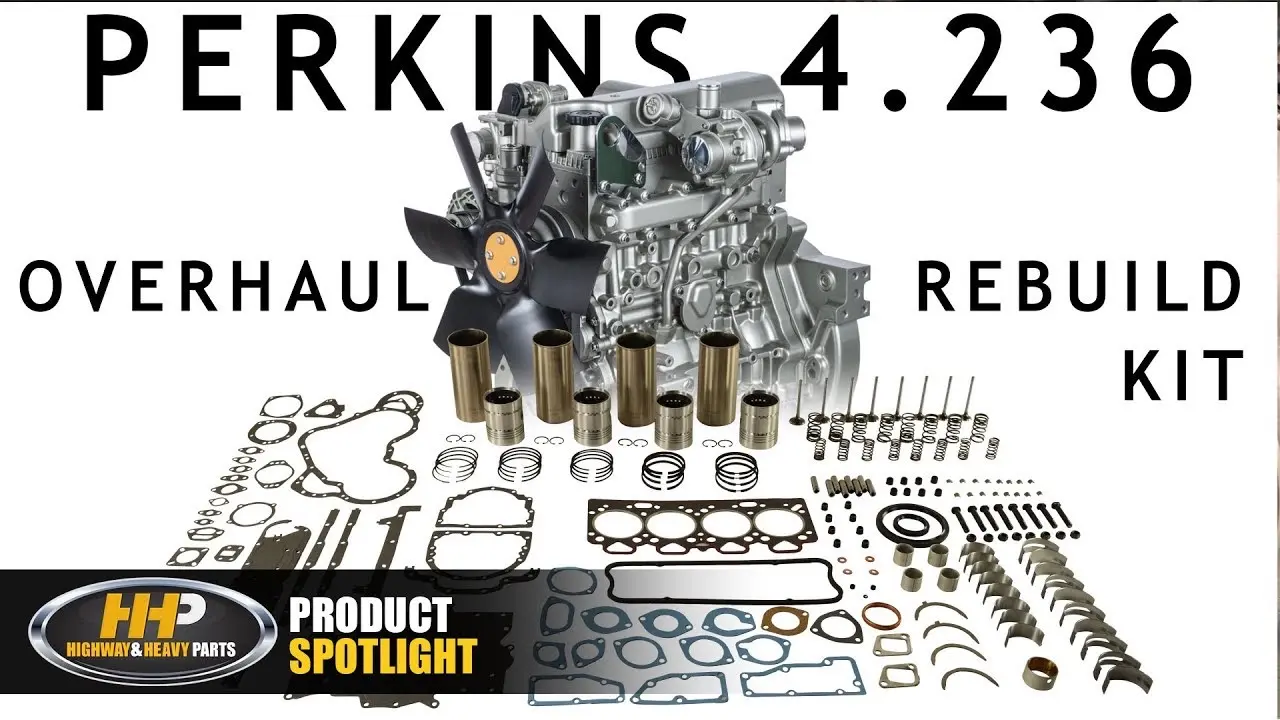
You finish a Perkins engine rebuild, go to rotate the crankshaft. And it won’t move.
Or worse, it turns slightly and then binds.
This is one of the most frustrating problems after a rebuild, and it almost always comes down to clearance, alignment, or assembly issues.
If a crankshaft won’t turn freely after assembly, something is wrong. There is no “break-in” that will fix it.
Quick Answer: Why the Crankshaft Won’t Turn
Incorrect bearing clearances
Improper crankshaft machining
Main cap or rod cap misalignment
Thrust bearing installation issues
Debris or contamination during assembly
Incorrect torque sequence or values
Every one of these directly affects how the crankshaft rotates inside the block.
What “Normal” Should Feel Like
Quick takeaway: A properly assembled crankshaft should rotate smoothly with consistent resistance.
With:
Bearings installed
Caps torqued to spec
No pistons installed
You should be able to rotate the crankshaft by hand using a breaker bar. If you feel:
Tight spots
Binding
Uneven resistance
That indicates a mechanical issue: not normal assembly friction.
1. Incorrect Bearing Clearance (Most Common Cause)
Quick takeaway: Too little clearance will lock the crankshaft.
Diesel engines like Perkins rely on precise oil clearance between:
Crankshaft journals
Main and rod bearings
Typical oil clearance ranges for many Perkins engines:
~0.0015″ to 0.0030″
If clearance is too tight:
Oil film cannot form
Metal-to-metal contact increases
Crankshaft binds or locks
This often happens when:
Bearings are mismatched
Journals are machined incorrectly
Clearances are not verified with plastigage or micrometers
2. Improper Crankshaft Machining
Crankshaft machining must be exact.
Common issues include:
Incorrect journal sizing
Out-of-round journals
Improper surface finish
Incorrect fillet radius after grinding
The fillet radius (the transition between journal and crank web) is critical.
If it is not properly finished:
Stress concentration increases
Bearing fit can be affected
Rotation can become restricted
In heavy-duty diesel applications, crankshafts are often:
Precision-ground
Sometimes shot-peened for durability
Crankshaft condition is just as important as machining accuracy. Learn more about what causes crankshaft damage in our guide on the four main causes of a bent diesel crankshaft: Bent Diesel Crankshaft Guide
3. Main Bearing Cap Misalignment
Quick takeaway: Main caps must be installed in the correct position and orientation.
Each main cap is:
Line-bored with the block
Matched to a specific position
If caps are:
Installed in the wrong location
Installed backwards
Torqued unevenly
This can:
Distort the crank bore
Pinch the crankshaft
Cause binding
Even slight misalignment can prevent rotation.
4. Thrust Bearing Installation Issues
The thrust bearing controls:
Crankshaft end play (forward/backward movement)
If installed incorrectly:
The crankshaft can bind when torqued
Common mistakes:
Thrust bearing installed backwards
Improper seating
End play not checked
Typical end play must be within spec—too tight and the crankshaft will not rotate freely.
5. Debris or Contamination During Assembly
Quick takeaway: Even small debris can lock a crankshaft.
After machining:
Metal shavings can remain in oil passages
Dirt or lint can contaminate surfaces
If debris gets between:
Bearing and journal
Bearing and cap
It can:
Reduce clearance
Create high spots
Cause immediate binding
This is why thorough cleaning after machining is critical.
6. Incorrect Torque Sequence or Values
Main caps and rod caps must be:
Torqued in sequence
Torqued to specification
If not:
The crankshaft bore can distort
Bearings can be unevenly loaded
This creates:
Tight spots during rotation
Inconsistent resistance
7. Rear Main Seal and Housing Issues (Perkins-Specific)
Some Perkins engines, such as the 4.108, use:
Rope-style rear main seals
Two-piece seal housings
If installed incorrectly:
The seal can drag on the crankshaft
Housing misalignment can create resistance
Common issues:
Seal trimmed incorrectly
Seal packed too tightly
Housing sealed improperly
This can make the crankshaft feel tight even if bearings are correct.
8. Connecting Rod Installation Problems
Once pistons and rods are installed, additional issues can appear:
Rod caps installed incorrectly
Bearing shells misaligned
Rods not properly sized
This can:
Add resistance
Cause binding at specific rotation points
How to Diagnose a Crankshaft That Won’t Turn
Quick takeaway: Isolate the problem step-by-step.
1. Remove Pistons and Rods
Check crank rotation with only main bearings installed
2. Check Each Main Cap Individually
Torque one cap at a time
Rotate crank after each step
3. Measure Bearing Clearance
Use plastigage or micrometers
Verify against spec
4. Check Crankshaft End Play
Verify thrust bearing installation
Measure with dial indicator
5. Inspect for Debris
Clean all surfaces thoroughly
Check oil passages
This Is a Precision Problem
We see this often:
The parts are new, but the system isn’t correct.
A crankshaft that won’t turn is not a defective part issue. It’s almost always:
Machining
Measurement
Or assembly accuracy
Diesel engines require tight tolerances. Small errors create big problems.
Final Thoughts
If your Perkins engine crankshaft won’t turn after a rebuild, stop immediately.
If you’re hearing a squeal, chirp, or grinding noise coming from the front of your diesel engine, there’s a good chance the belts – or the components they drive – are involved.
But not all belt noise is actually caused by the belt itself.
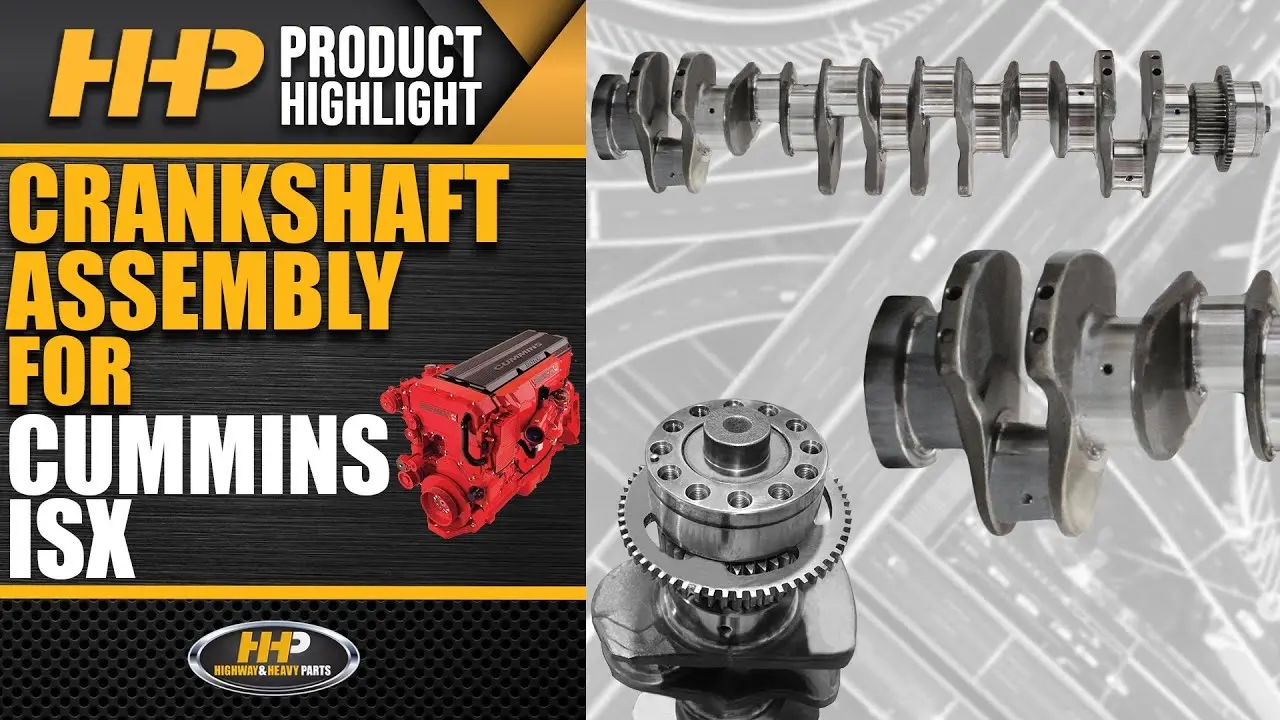
The crankshaft is essentially the backbone of your truck’s engine. It keeps the engine moving and is vital to the overall health of your rig. When this critical component begins to fail in a Cummins ISX, it can quickly lead to severe mechanical damage and costly downtime. Recognizing the early warning signs of a worn or damaged crankshaft is essential to minimizing negative impacts to your revenue and keeping your truck out of the service bay.