If you’re hearing noise when engaging the clutch, don’t ignore it.
What might seem like a minor issue – grinding, chatter, or a harsh engagement – can point to mechanical or hydraulic problems that will only get worse over time.
On heavy-duty diesel applications, clutch engagement issues typically fall into three categories:
Clutch Drag (Not Fully Disengaging)
Clutch Slip (Not Fully Engaging)
Hydraulic System Failure Or Imbalance
Understanding the difference is critical – because each one leads to very different failure paths.
When it comes to diesel engine parts, one of the most common questions is: why are OEM parts so expensive?
Many assume higher cost means higher quality – but that’s not always the case. In reality, the difference between OEM and aftermarket parts often comes down to manufacturing, distribution, and how the parts reach you.
If you’re comparing options right now, you can shop diesel engine parts to find high-quality components built for your specific engine and application.
Understanding that difference can help you make a more informed – and more cost-effective – decision when it’s time to repair your engine.
When diagnosing valvetrain issues in a diesel engine, rocker arms are often overlooked.
But on engines like Cummins ISX, Detroit Diesel Series 60, and Caterpillar platforms, rocker arm assemblies – and more specifically the pin and roller components – are critical wear points.
Understanding the difference between replacing a full rocker arm versus servicing pin and roller kits can prevent repeat failures and unnecessary downtime.
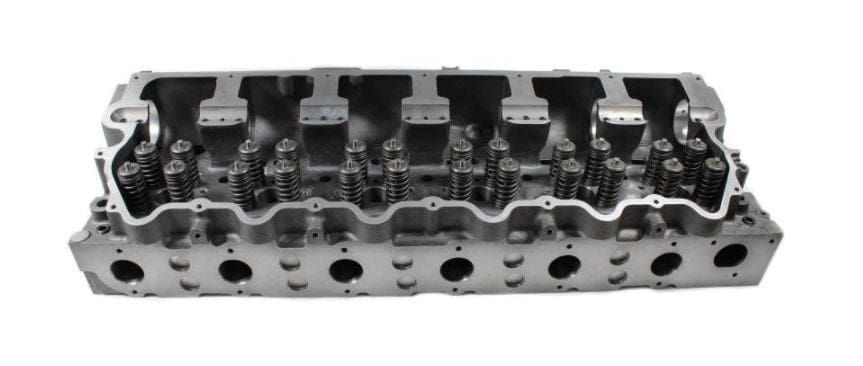
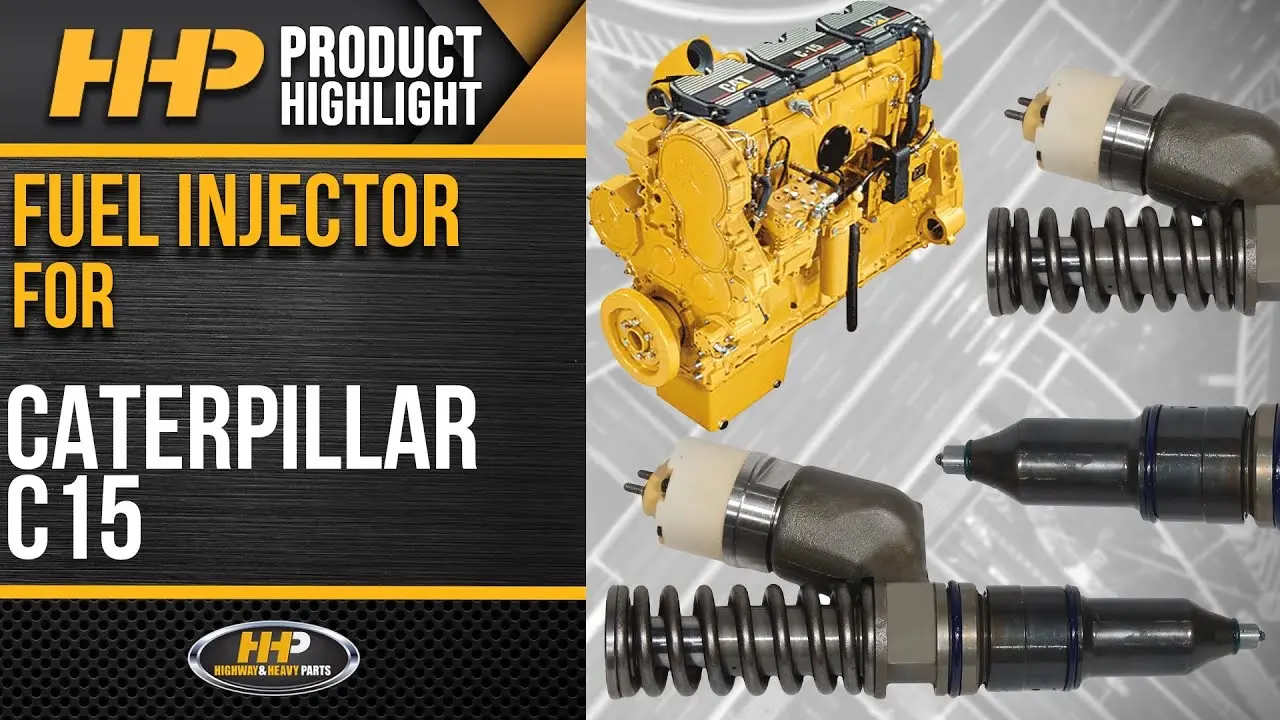
If your Caterpillar C15 or 3406E isn’t running like it used to – losing power, misfiring, or making unusual noise – the problem might not be what you think.
It could be your camshaft.
And if that’s the case, waiting too long can turn a manageable repair into a full engine rebuild.
If your Caterpillar 3406E is losing power, popping through the intake, or backfiring through the exhaust, the problem may not be fuel-related at all. In many cases, those symptoms point back to camshaft or valve train wear. When those components start to fail, performance can drop quickly, and if the issue is ignored, it can lead to more extensive engine damage and a much more expensive repair.
This article breaks down what the camshaft does, common signs of failure, why proper installation matters, and what to keep in mind when replacing a 3406E camshaft. If you are already looking for replacement parts, you can start by reviewing our Caterpillar 3406E Camshaft here.
If your Caterpillar C12 is losing power, running rough, or showing signs of valve train issues, the camshaft may be part of the problem. A worn camshaft can affect valve timing, engine efficiency, fuel economy, and overall performance. Left too long, what starts as a drivability issue can turn into a much larger repair.
Because the camshaft plays such a major role in how the engine breathes and performs, wear in this area should never be ignored. If you are already narrowing down the repair, our Caterpillar C12 Camshaft is a good place to start, and you can also browse more Caterpillar Engine Parts if the repair involves other related components.