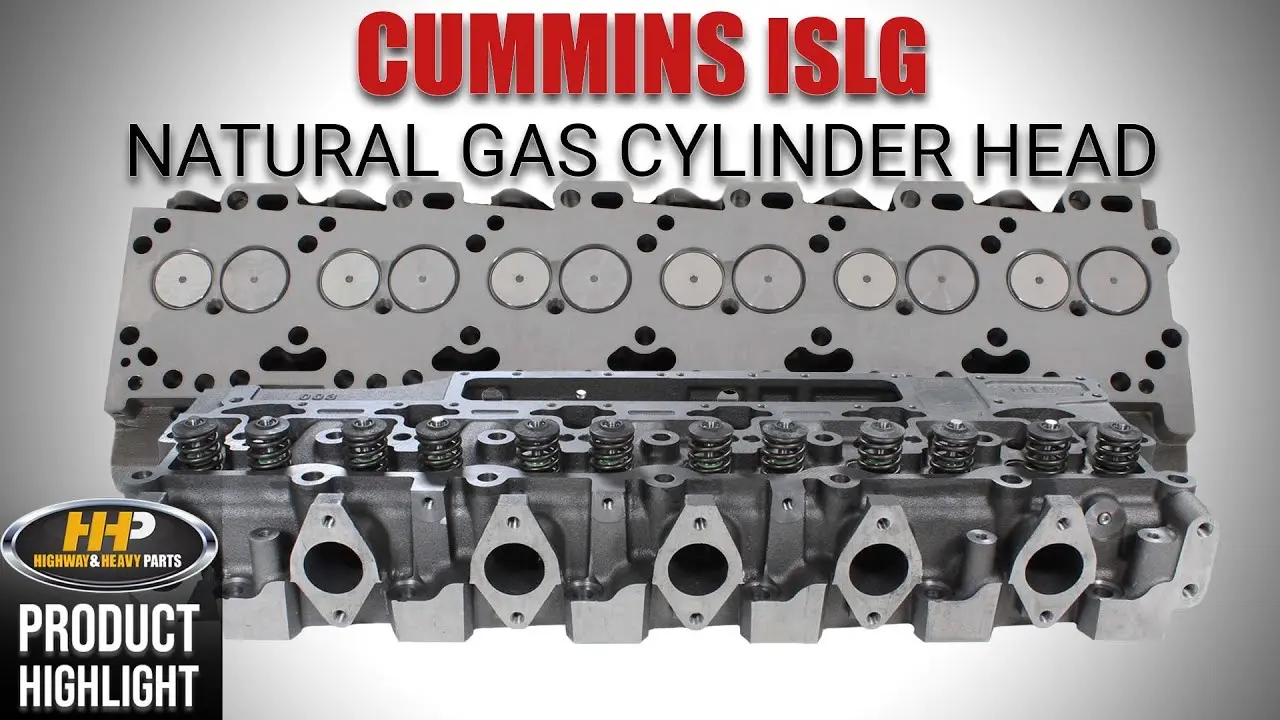
The cylinder head on a Caterpillar C10 or C12 isn’t just a casting – it’s where combustion, airflow, and cooling all come together.
And when it fails, it usually doesn’t fail quietly.
Cracked heads, worn valve seats, and injector cup issues are some of the most common – and most expensive – problems we see on these engines. If you’re already chasing coolant loss, misfires, or compression issues, there’s a good chance the cylinder head is involved.
If you’ve ever dealt with a diesel fuel system issue, you know how quickly things can escalate. What starts as a minor problem – like a slight misfire, rough idle, or extra smoke – can quickly turn into major engine damage if it’s not addressed early.
That’s what makes modern diesel fuel systems so challenging.
They’re not just sensitive – they’re precise to the point where even small disruptions can create serious problems. When something in the system changes – even slightly – it directly impacts combustion. If you’re already dealing with fuel system issues or looking to prevent them, you can explore our full range of diesel fuel system components designed for reliability and performance.
Do you own a Detroit Diesel Series 60 engine? It probably runs well for the most part. All three versions of this electronically-controlled engine have a favorable reputation; despite being out of production for years, the Series 60 remains a popular choice for many truck drivers.
The oil pump in your Detroit Diesel Series 60 isn’t just another component – it’s the heart of your lubrication system. When it starts to fail, the damage doesn’t stay isolated. It spreads fast.
Low oil pressure, bearing wear, and even full engine failure can all trace back to one root issue: inconsistent oil delivery.
If you’re working on a Series 60, understanding how the oil pump fails – and how to catch it early – can be the difference between a simple repair and a full rebuild.