Keyword Search

Posted on

PACCAR MX-13 Common Engine Problems & Solutions

The PACCAR MX-13 is used in many Kenworth and Peterbilt heavy-duty trucks, especially in long-haul and fleet applications.

Like any modern diesel engine, it depends on several systems working together:

  • Fuel System
  • EGR System
  • Turbocharger
  • Cooling System
  • Sensors and ECM
  • Aftertreatment System

When one of these systems starts to fail, the symptom may show up as low power, derate, rough idle, hard starting, excessive regens, or poor fuel economy.

The key is not just replacing the part that triggered the fault code: it is identifying why the issue happened in the first place.

Continue reading PACCAR MX-13 Common Engine Problems & Solutions
Posted on

Piston Ring Failure Analysis: Common Causes, Symptoms, and Prevention

Piston rings are small compared to many other diesel engine components, but they have a major impact on engine performance, oil control, compression, and long-term reliability.

When piston rings fail, the symptoms can show up quickly: excessive oil consumption, blow-by, loss of power, poor compression, or blue exhaust smoke. The difficult part is that piston ring failure is often not the true root cause. In many cases, the rings were damaged by another issue inside the engine, such as improper installation, abrasive contamination, overheating, poor lubrication, incorrect cylinder finish, or an improper break-in procedure.

That is why failure analysis matters.

Replacing the rings without understanding what caused the failure can lead to the same problem happening again.

If your diesel engine is experiencing piston ring failure, the goal should not be to simply identify the broken part. The goal should be to understand why the ring failed, what other components may have been affected, and what needs to be corrected before the engine goes back together.

Quick Takeaway: Broken piston rings are usually the result of another underlying problem, not the root cause. Improper installation, abrasive contamination, overheating, poor lubrication, incorrect cylinder finish, and poor break-in procedures can all shorten piston ring life. Correcting the root cause is essential before installing new rings.
Continue reading Piston Ring Failure Analysis: Common Causes, Symptoms, and Prevention
Posted on

Hino Diesel Engines: Common Problems, Applications, and Replacement Parts

Hino trucks have built a strong presence in medium-duty commercial transportation, especially in local delivery, box truck, landscaping, municipal, refuse, and regional fleet applications.

For many businesses, Hino trucks are appealing because they are practical, maneuverable, and built around commercial-duty chassis configurations. They are often used where a full Class 8 tractor is unnecessary, but a pickup truck or light-duty van is not enough.

Like any diesel-powered commercial truck, however, Hino trucks are not maintenance-free.

As these trucks age, owners and repair shops often deal with turbocharger problems, aftertreatment issues, EGR-related faults, DPF restrictions, sensor failures, wiring concerns, and general emissions-system complaints. Some model years have also been affected by major emissions-related recalls and settlements, making accurate VIN verification especially important.

This guide explains where Hino trucks fit, what engines and systems are commonly involved, what problems owners may see, and how Highway and Heavy Parts can help source replacement parts when your Hino truck needs repair.

HHP Quick Takeaway

Hino trucks are common in medium-duty and regional fleet applications, but many repairs involve the same systems that challenge other modern diesel trucks: turbochargers, EGR components, DPF/DOC aftertreatment, sensors, wiring, cooling, and fuel system parts. If you need Hino diesel parts, call HHP with your VIN, engine information, and part number so our team can help verify fitment.
Continue reading Hino Diesel Engines: Common Problems, Applications, and Replacement Parts
Posted on

Piston Pin Failure Analysis: Common Causes, Symptoms, and Prevention

The piston pin—also known as the wrist pin or gudgeon pin—is one of the hardest-working components inside a diesel engine. Although it’s relatively small compared to the piston or connecting rod, it transfers tremendous combustion forces every time the engine fires.

Despite its strength, piston pin failures do occur.

When they do, the damage is usually severe. Excessive wear, galling, scoring, discoloration, or seizure often indicate another underlying problem, such as poor lubrication, overheating, incorrect clearances, contamination, or improper engine assembly.

Replacing the damaged piston pin alone rarely solves the problem.

Instead, it’s important to determine why the piston pin failed before rebuilding the engine. Otherwise, the same conditions that damaged the original components may quickly damage the replacement parts as well.

This failure analysis explains how piston pins work, the warning signs of failure, what causes them to wear prematurely, and how proper diagnosis can help prevent repeat engine failures.

Quick Takeaway: Piston pin damage is usually a symptom—not the root cause. Most failures begin with poor lubrication, overheating, contamination, or incorrect clearances. Before replacing damaged pistons or piston pins, identify what caused the failure to prevent it from happening again.
Continue reading Piston Pin Failure Analysis: Common Causes, Symptoms, and Prevention
Posted on

Diesel Fuel Contamination Problems: What’s Lurking in Your Fuel

Diesel fuel contamination problems are more common than most people realize.

Even when it meets specification at delivery, contamination can develop during storage, transport, or in your own fuel system. Over time, these contaminants affect fuel lubricity, combustion quality, and component life.

The most damaging contaminants are not always visible, but they leave very real mechanical consequences.

Continue reading Diesel Fuel Contamination Problems: What’s Lurking in Your Fuel
Posted on

Will An EGR System Delete Cause Diesel Engine Damage? (2025)

You probably heard the stories about how much trouble EGR valves are for your diesel engine. And their history has indeed given them a bad reputation.

Continue reading Will An EGR System Delete Cause Diesel Engine Damage? (2025)
Posted on

CAT C15 ACERT Problems that Require a Diesel Engine Rebuild Kit

Did you know that performing regular maintenance can go a long way in keeping your diesel engine operating at its peak?

Continue reading CAT C15 ACERT Problems that Require a Diesel Engine Rebuild Kit
Posted on

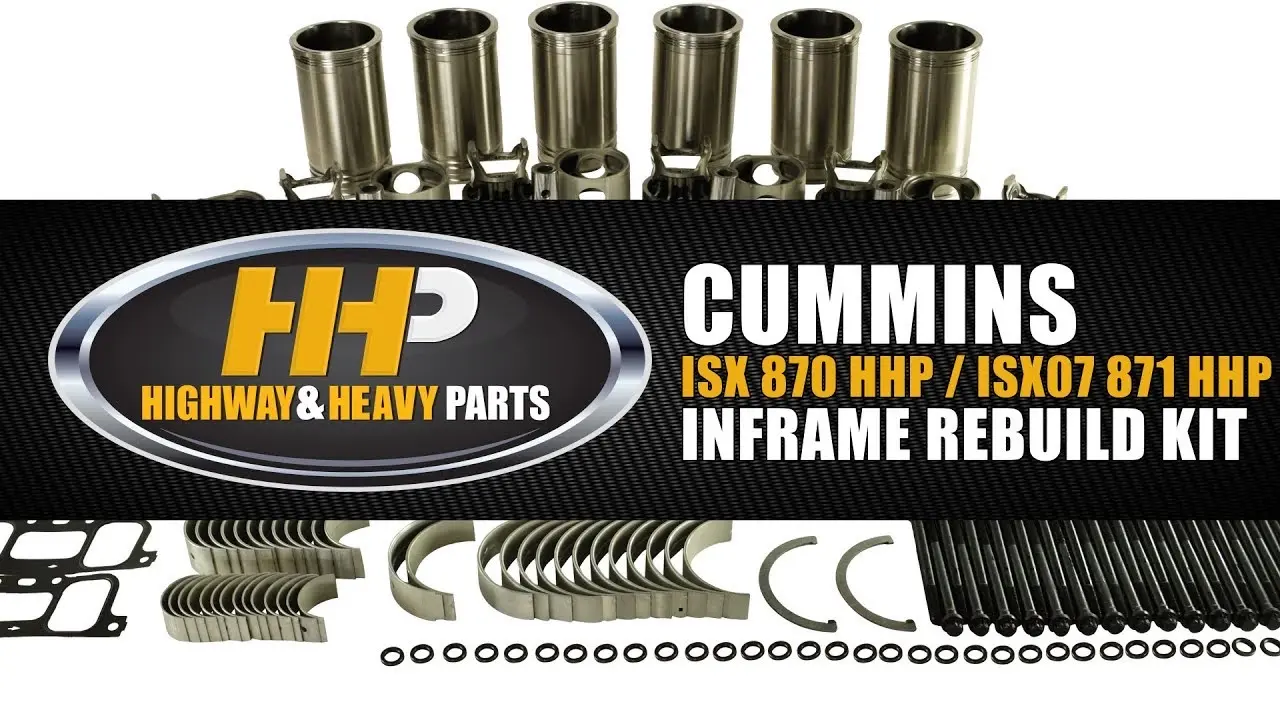
Cummins ISX 870 Inframe Rebuild Problems: Why Engines Fail After a Rebuild

An inframe rebuild on a Cummins ISX 870 or ISX 871 is supposed to bring your engine back to life.

But for a lot of operators, that’s not what happens.

Instead, they run into problems almost immediately:

  • Oil Consumption
  • Blow-By
  • Low Power
  • Poor Fuel Economy

The issue usually isn’t the rebuild itself.

It’s what happens during – and right after – the rebuild.

Continue reading Cummins ISX 870 Inframe Rebuild Problems: Why Engines Fail After a Rebuild
Posted on

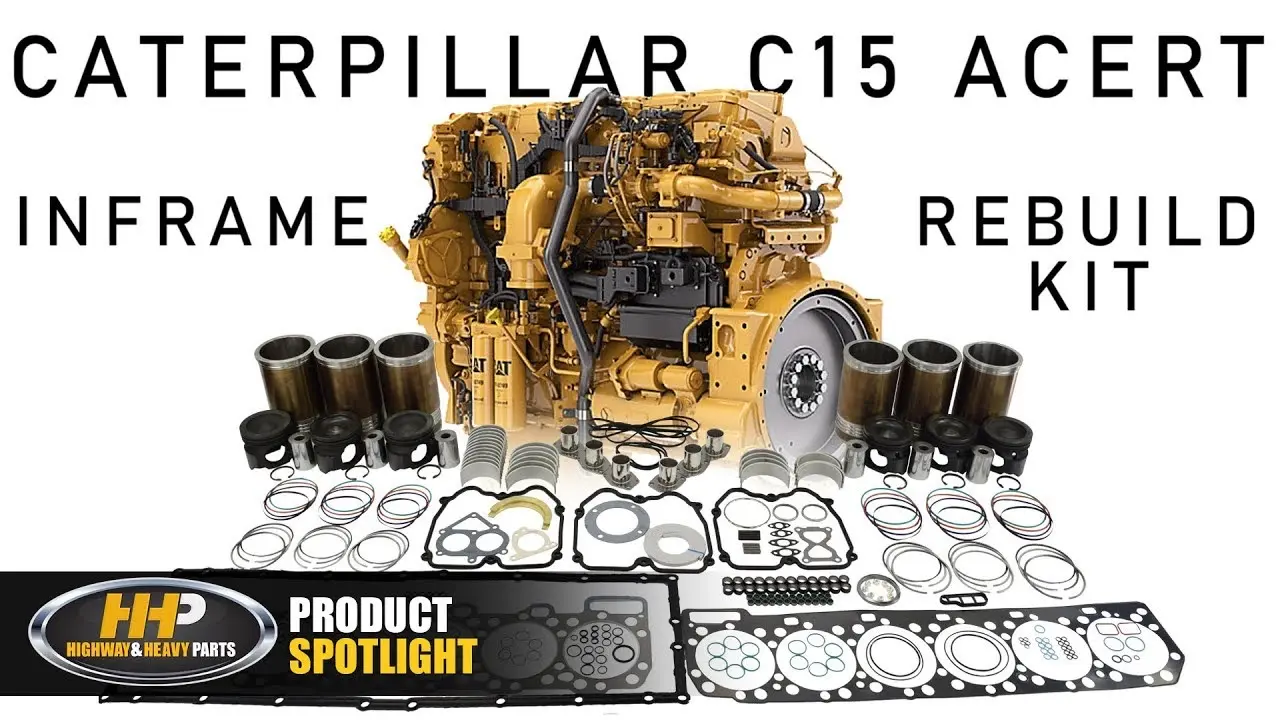
Caterpillar C15 ACERT Inframe Rebuild Kit: Why Twin Turbo Heat and Cylinder Pressure Drive Rebuild Failures

Caterpillar C15 ACERT engines don’t fail the same way older single-turbo engines do.

They operate under higher cylinder pressures, increased exhaust temperatures, and more complex airflow management due to the ACERT twin turbo system.

When these engines reach rebuild time, the failure is usually tied to one thing:

Heat and pressure overwhelming the cylinder assembly.

This is what drives liner wear, ring failure, and ultimately the need for an inframe rebuild.

Continue reading Caterpillar C15 ACERT Inframe Rebuild Kit: Why Twin Turbo Heat and Cylinder Pressure Drive Rebuild Failures
Posted on

Cummins ISB 6.7L Fuel Injectors: What Actually Fails Inside a Common Rail Injector

Fuel injectors in a Cummins ISB 6.7L common rail system don’t just deliver fuel.

They control timing, pressure, atomization, and combustion efficiency – all within milliseconds.

When an injector begins to fail, it’s not always obvious at first.

But internally, the failure has already started.

Continue reading Cummins ISB 6.7L Fuel Injectors: What Actually Fails Inside a Common Rail Injector
Posted on

International/Navistar DT466E Inframe Rebuild Kit: Wet Sleeve Wear, HEUI System Impact, and What to Verify Before Installation

The International/Navistar DT466E is known for its durability – but like all wet sleeve diesel engines, its longevity depends on cooling system condition, liner integrity, and fuel system performance.

When these engines start showing signs like blow-by, coolant loss, or hard starting, the issue is rarely isolated.

It’s typically the result of cylinder wear, liner sealing issues, or HEUI system inefficiencies affecting combustion.

If you’re planning an inframe rebuild, understanding these failure points is critical to avoiding repeat repairs.

Continue reading International/Navistar DT466E Inframe Rebuild Kit: Wet Sleeve Wear, HEUI System Impact, and What to Verify Before Installation