Most diesel engine components are marketed the same way.
They’re advertised as the best solution for every truck, every fleet, every rebuild, and every application.
The problem is that real-world diesel engines do not all operate under the same conditions.
A long-haul owner-operator running hundreds of thousands of highway miles has different priorities than a local delivery fleet. A repair shop performing commercial overhauls has different concerns than someone chasing maximum horsepower.
Black Series was not designed to be a one-size-fits-all product line. In fact, the Black Series is not for everyone.
The better question is: Who was it actually designed for?
Not Every Diesel Engine Has the Same Job
Heavy-duty diesel engines live very different lives.
Some spend their careers pulling loads across the country.
Others spend their days making short trips, sitting in traffic, and starting cold multiple times per day.
Some engines are rebuilt by repair shops whose reputation depends on every overhaul performing exactly as expected.
When operating conditions change, the stresses placed on engine components change as well.
That means the ideal solution for one customer may not be the ideal solution for another.
The Black Series was developed around one specific goal: Long-term durability and reliability in demanding commercial diesel applications.
The Same Engine Can Live Very Different Lives
A long-haul truck, local delivery vehicle, vocational truck, and performance build may all use similar engine platforms—but their operating conditions, maintenance requirements, and component priorities can be completely different.
The High-Mileage Owner-Operator
If you’re planning to keep your truck for the long haul, Black Series was built with you in mind.
Many owner-operators are not looking for the highest horsepower number possible.
They’re looking for:
- Consistent performance
- Long component life
- Reduced downtime
- Fewer unexpected repairs
- Better long-term value
For these operators, engine components are an investment.
Every repair decision impacts future operating costs, maintenance expenses, and vehicle availability.
The Black Series focuses on durability enhancements and component consistency designed to support long service intervals and dependable operation.
Good Fit: Owner-operators planning to keep their truck for hundreds of thousands of miles and prioritizing long-term reliability over maximum horsepower.
The Fleet Fighting Downtime
Fleet operators face a different challenge.
Many delivery and vocational fleets experience:
- Frequent cold starts
- Stop-and-go operation
- Repeated thermal cycling
- Long idle periods
- High annual mileage
These operating conditions place significant stress on engine components.
For fleets, a truck sitting in a repair bay is often more expensive than the replacement part itself.
The Black Series was engineered to support the kinds of operating environments where uptime matters and component durability directly affects operating costs.
The Repair Shop Protecting Its Reputation
Repair facilities often face a challenge that many truck owners never see.
When a component fails, the repair shop may be the first phone call the customer makes.
That means every overhaul carries risk.
A comeback does not just cost labor: it affects customer confidence, future business, and reputation.
That is why many repair facilities prioritize consistency and repeatable results.
Black Series components were developed for customers who value predictable performance and application-specific reliability.
Black Series Philosophy
The goal is not to build a component for every possible application. The goal is to engineer components that perform consistently in the environments they were specifically designed to support.
Who Is Black Series NOT For?
This may be the most important part of the conversation.
If your primary goal is building the highest horsepower truck possible, Black Series may not be the solution you’re looking for.
Performance-focused applications often prioritize:
- Maximum fueling
- Elevated cylinder pressures
- Competition use
- Extreme performance targets
Those applications introduce operating conditions that differ significantly from the commercial environments Black Series was engineered to support.
That does not make one approach better than the other.
It simply means different goals require different engineering decisions.
Black Series was designed around reliability, longevity, consistency, and uptime—not maximum horsepower.
Why Application Matters More Than Marketing
One of the most common mistakes in the diesel industry is selecting parts based on marketing claims instead of operating conditions.
Before selecting any major engine component, ask:
- How is the truck actually used?
- How long will it be kept?
- What does downtime cost?
- Is reliability more important than horsepower?
- Is this a work truck or a performance build?
The answers often point toward the correct solution.
Featured Black Series Components
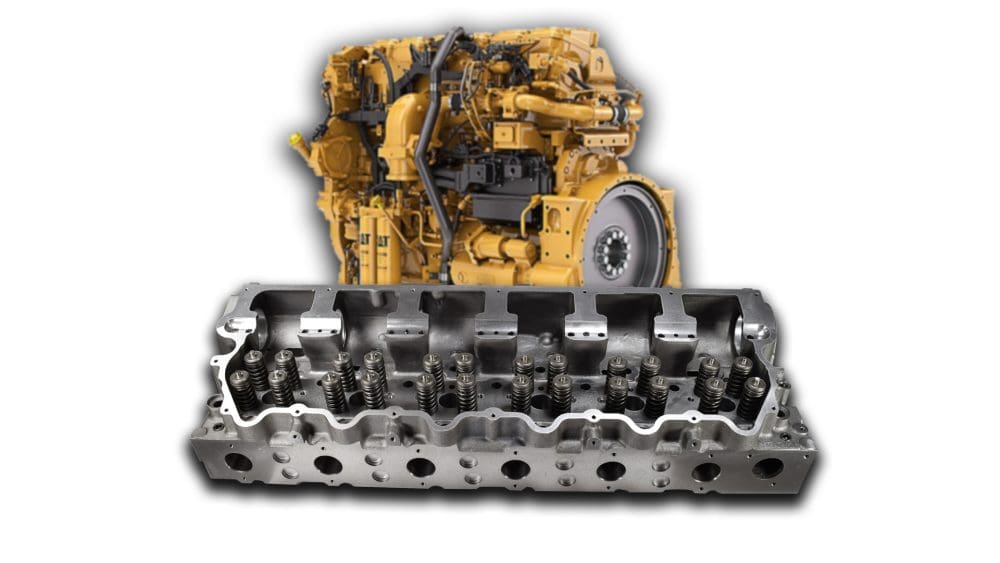
Caterpillar C15 Premium Stage 4 Black Series Cylinder Head
Designed to support combustion sealing stability, thermal stability, casting integrity, and long-term durability in high-load diesel environments.
View Product
Caterpillar C15 ACERT, 3406E Black Series Cylinder Head
Engineered for durability, thermal stability, and long-term sealing performance in severe-duty diesel applications.
View Product
Caterpillar C15 Acert, 3406E Black Series Oil Pump
Designed to support lubrication stability and oil delivery consistency in high-load diesel engine environments.
View Product
Talk to an Engineer Before You Decide
The best component is not always the most expensive one.
In addition, it is not always the highest-performance option either.
The best component is the one that matches the application’s actual operating environment.
That is why Highway and Heavy Parts takes an application-based approach to recommendations rather than assuming every customer needs the same solution.
Whether you’re managing a fleet, rebuilding a work truck, or planning a long-term overhaul, understanding the duty cycle is the first step toward selecting the right components.
Final Takeaway
The Black Series was never intended to be a universal solution for every diesel application.
It was engineered for owner-operators focused on longevity, fleets focused on uptime, and repair facilities focused on delivering reliable, repeatable results.
If your goal is long-term durability, consistent performance, and reduced downtime, Black Series may be exactly what you’re looking for.
Is Black Series Right for You?
✓ You prioritize reliability over maximum horsepower
✓ Downtime costs you money
✓ You plan to keep the truck long-term
✓ You want consistent performance over extended service intervals
✓ You view engine components as long-term investments
Talk to one of our ASE-Certified Reps if you’re unsure whether Black Series is the right fit for your application.
Call 844-304-7688 or visit highwayandheavyparts.com/black-series to discuss your application with our team.
From diagnosis through delivery, we’re Highway and Heavy Parts.